

By Global Outdoor Safety & News Desk
Published September 21, 2026
Executive Summary & Main Facts
A routine weekend trek turned catastrophic on Friday when a severe, fast-moving high-altitude thunderstorm slammed into Utah’s towering Mount Timpanogos. A 19-year-old hiker lost his life, and nine others sustained injuries when a direct lightning bolt struck the "Tin Shack"—a historic, century-old metal emergency shelter near the 11,752-foot summit where the group had huddled to escape the deluge.
The incident has triggered a wave of urgent safety warnings from mountain rescue teams and meteorologists alike. Authorities are reiterating a critical, often misunderstood rule of wilderness survival: unplumbed, uninsulated metal or stone structures, such as backcountry lean-tos, historical lookouts, and primitive shacks, offer zero protection against lightning. Instead, they can act as lethal conductors, putting occupants at severe risk.
The fatal strike highlights the unique and unforgiving dangers of high-altitude recreation during peak thunderstorm season, echoing a similar tragedy that occurred just two months prior on a Colorado fourteen-thousand-foot peak.
Chronology of Events
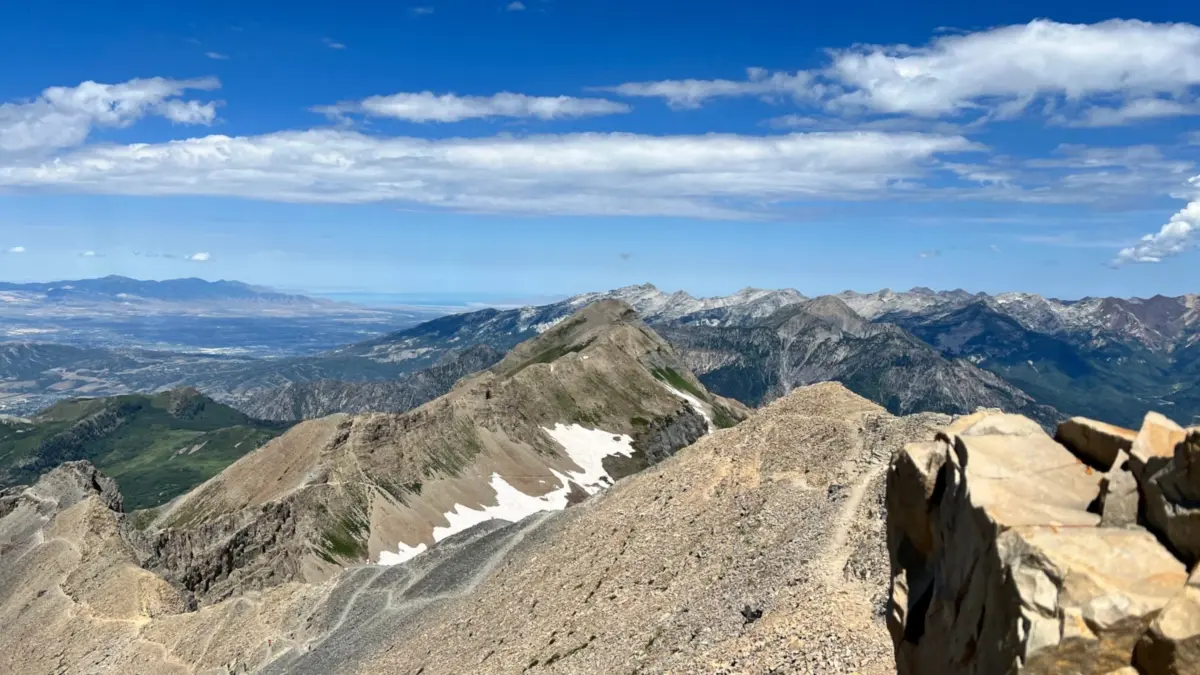
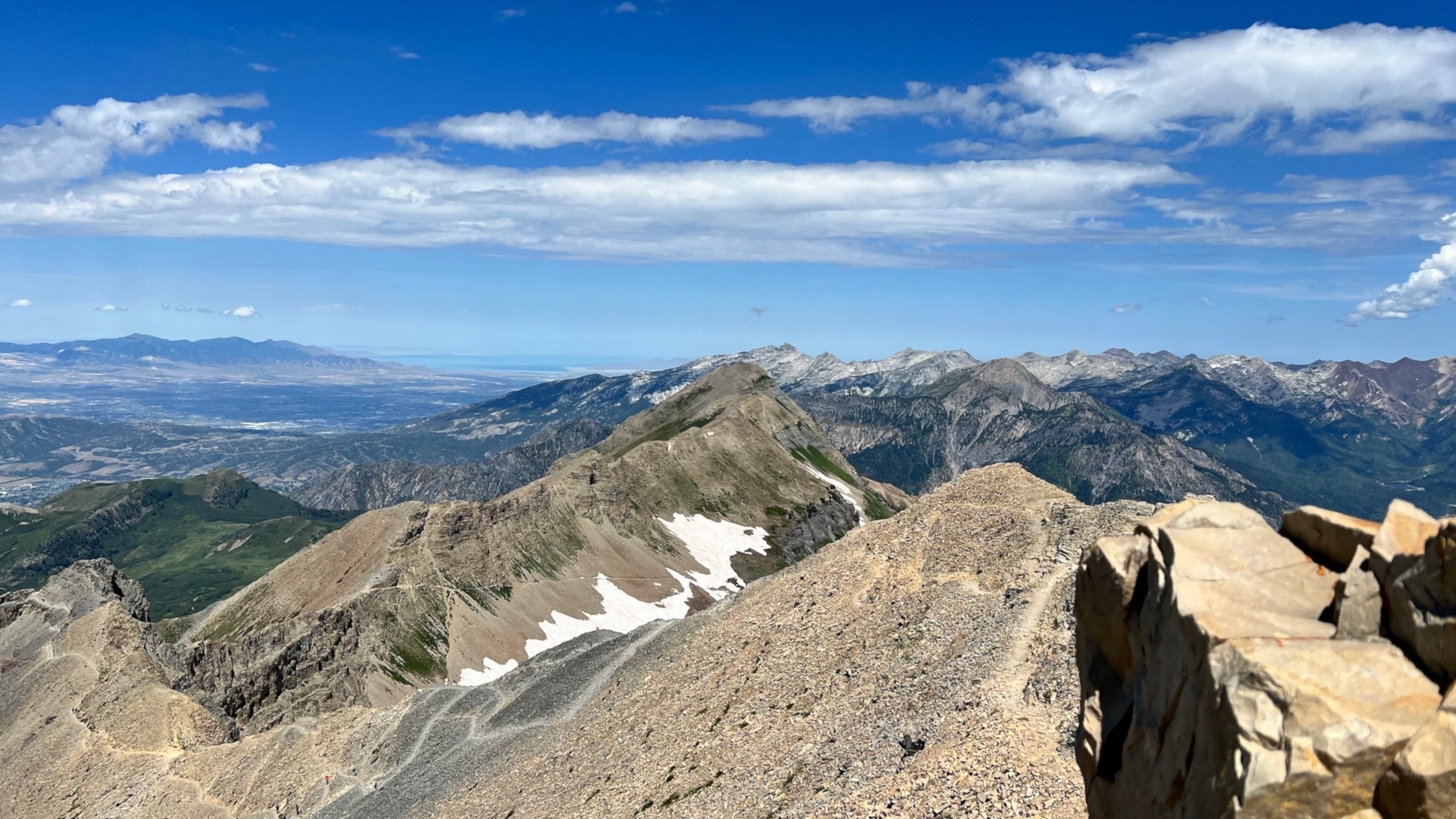
The tragedy unfolded against the backdrop of the rugged Wasatch Range, where Mount Timpanogos looms majestically over Utah County.
Friday Morning: The Ascent
A group of ten hikers had successfully navigated the grueling, roughly 14-mile trek to the summit of Mount Timpanogos. Like many who conquer the peak via its popular routes—which feature extensive, exposed ridgelines and virtually no escape routes below the treeline—the hikers reached the apex earlier in the morning under manageable skies.
The Storm Erupts
Shortly after reaching the summit area, atmospheric conditions deteriorated rapidly. Mountain weather is notoriously capricious, and a massive, unannounced thunderstorm cell materialized over the range, unleashing torrential rain, high-velocity winds, and frequent lightning discharges.
Seeking refuge from the violent weather, all ten hikers crowded inside the Tin Shack. Built in 1927 as a primitive lookout shelter just steps from the summit, the small steel structure represents a familiar landmark to generations of Utah hikers. However, its historic charm belies its modern safety hazard: constructed purely of metal plates without electrical grounding or plumbing, the shack is completely uninsulated.
The Strike and Initial Response
As the storm peaked, a powerful lightning bolt struck the exterior of the Tin Shack. The energy traveled through the metal framework, shocking the ten individuals sheltering inside.
At approximately 6:00 a.m. on Friday, the Utah County Sheriff’s Office Search and Rescue Team received emergency distress signals. First responders faced immediate, formidable hurdles. Severe weather systems continued to batter the upper elevations, grounding aerial rescue assets and making the steep, treacherous ridgelines exceedingly hazardous for ground crews.
When rescue teams finally reached the summit, they pronounced the 19-year-old hiker dead at the scene. Among the remaining nine injured individuals, four displayed remarkable resilience; despite their injuries, they managed to hike down the mountain unassisted before seeking further medical evaluation at local hospitals. The conditions and transport details of the remaining injured hikers underscore the logistical nightmares typical of high-altitude mountain rescues.
Supporting Data & Mountain Hazards
The incident on Mount Timpanogos is part of a sobering statistical reality regarding wilderness lightning strikes. While fatalities remain relatively uncommon on a per-capita basis, high mountain peaks act as natural lightning magnets due to their elevated topography and atmospheric proximity.
A Season of High-Altitude Tragedies
This event arrives merely two months after a similar fatal lightning incident on Mount Blue Sky (formerly Mount Evans) in Colorado. In that July tragedy, a teenager was killed and four others were injured while the young hiker was attempting to shield his brother from an oncoming storm.
Statistically, Utah’s Mount Timpanogos presents distinct geographical challenges:
- Elevation: At 11,752 feet, the summit sits well above the local treeline, exposing hikers to unmitigated atmospheric hazards.
- Lengthy Approaches: The two primary trails scaling the mountain span approximately 14 miles round-trip. Both require extended travel along exposed ridgelines.
- Lack of Egress: Once committed to these high-altitude ridges, hikers face prolonged stretches with zero opportunities to descend below the safety of the treeline before a fast-developing storm hits.
The False Security of Primitive Shelters
The core danger in Friday’s tragedy centers on human psychology and architectural misunderstanding. Hikers instinctively look for four walls and a roof when severe weather approaches. However, experts emphasize a vital distinction in structural lightning safety:
According to the National Weather Service (NWS), safe structures must feature extensive electrical wiring and plumbing systems. These systems act as a Faraday cage or a dedicated path to ground, safely routing electrical current down into the earth and away from the interior occupants.
Structures like the Tin Shack on Mount Timpanogos, historic fire lookouts, wooden backcountry lean-tos, and open-air picnic pavilions possess neither wiring nor plumbing. Consequently, when a metal structure is struck, the frame distributes the high-voltage electrical current directly through its structure—and anyone touching or standing close to it.
Official Responses and Expert Warnings
In the wake of the accident, the Utah County Sheriff’s Office released a stern public advisory, urging outdoor enthusiasts to maintain absolute vigilance regarding rapidly shifting mountain weather patterns.
"If you hear thunder, you are close enough to the storm to be struck by lightning," stated officials from the Utah County Sheriff’s Office. "Hikers should immediately move away from exposed ridgelines, peaks, and other elevated areas and seek substantial shelter when possible."
The NWS echoes these protocols, noting that outside of a fully enclosed, plumbed and wired building, the only alternative safe shelter during a lightning storm is a hard-topped, metal-framed vehicle (which acts as a true Faraday cage, directing current around the occupants and into the ground via the tires).
Debunking Dangerous Lightning Myths
To further educate the public, Backpacker editors and renowned lightning safety experts—including Dr. Ron Halle of the Lightning Safety Council and Dr. Kristin Calhoun, a research scientist with the National Severe Storms Laboratory—have long advocated for the eradication of persistent outdoor survival myths.
- Ditch the "Lightning Position": Decades of wilderness lore advised hikers to squat on their sleeping pads with their heels touching to minimize ground contact. Experts now state there is zero clinical or empirical evidence that crouching reduces injury risk on a sleeping pad. If caught on an exposed ridge, your sole focus must be rapid descent to a safer zone, not adopting a stationary defensive posture.
- Avoid Isolated Tall Trees: While seeking shelter under a dense forest of uniform height can reduce risk, taking cover beneath a single, towering tree is profoundly dangerous. Tall objects naturally attract lightning, and up to 50 percent of all lightning injuries are caused by "side flashes" or ground current radiating outward from an initial tree strike.
- Metal Conducts, It Doesn’t "Attract": A common misconception is that metal items (such as belt buckles, trekking poles, or steel shacks) actively pull lightning down from the sky. While metal does not increase the probability of a strike, it is an exceptional electrical conductor. If a metal structure or object is hit, it will efficiently channel the massive voltage, severely increasing the likelihood of secondary shock or electrocution for anyone in contact with it.
Broader Implications for Hikers and Land Managers
The tragedy on Mount Timpanogos serves as a somber watershed moment for the hiking community, land management agencies, and outdoor safety advocates. It raises complex questions regarding the management of historical structures in wilderness areas.
The Dilemma of Historic Shelters
Structures like the Tin Shack occupy a dual role in modern outdoor culture. On one hand, they are celebrated as historical artifacts of early 20th-century mountain recreation and emergency outposts. On the other hand, their continued presence on high-altitude peaks creates an inherent psychological trap. Unwitting or exhausted hikers view these structures as havens, unaware that stepping inside during a tempest can transform a safe haven into a lightning rod.
Land managers across the intermountain West now face difficult decisions: Should such structures be demolished, explicitly signed with warning notices regarding lightning hazards, or modified? While warning signs can educate visitors, human desperation during a sudden, freezing hailstorm often overrides caution.
A Call for Pre-Trip Preparedness
Outdoor safety advocates stress that the ultimate defense against lightning is proactive planning rather than reactive scrambling. Mountain meteorology experts recommend the following guidelines for anyone tackling high-altitude peaks:
- The "Early Bird" Rule: High-altitude convective thunderstorms follow reliable diurnal patterns, frequently materializing by noon or early afternoon during peak summer and early fall. Hikers should aim to clear summit ridges and begin their descent well before midday.
- Continuous Sky Monitoring: Blue skies in the early morning are no guarantee of afternoon stability. Hikers must monitor barometric changes, wind shifts, and the rapid towering of cumulus clouds into cumulonimbus anvils.
- Turnaround Discipline: The summit is optional; survival is mandatory. Hikers must be willing to abandon their summit bids and turn around the moment threatening weather approaches, regardless of how much physical effort they have already invested in the climb.
As the outdoor community mourns the loss of the young hiker on Mount Timpanogos and wishes a full recovery to the injured survivors, this tragedy stands as a stark reminder of the raw, indifferent power of nature at high elevations—and the vital importance of respecting the unyielding rules of lightning safety.
