

Published: October 7, 2026
Author: Will Brendza
Main Facts: An Introduction to Colorado’s Most Enigmatic Gorge
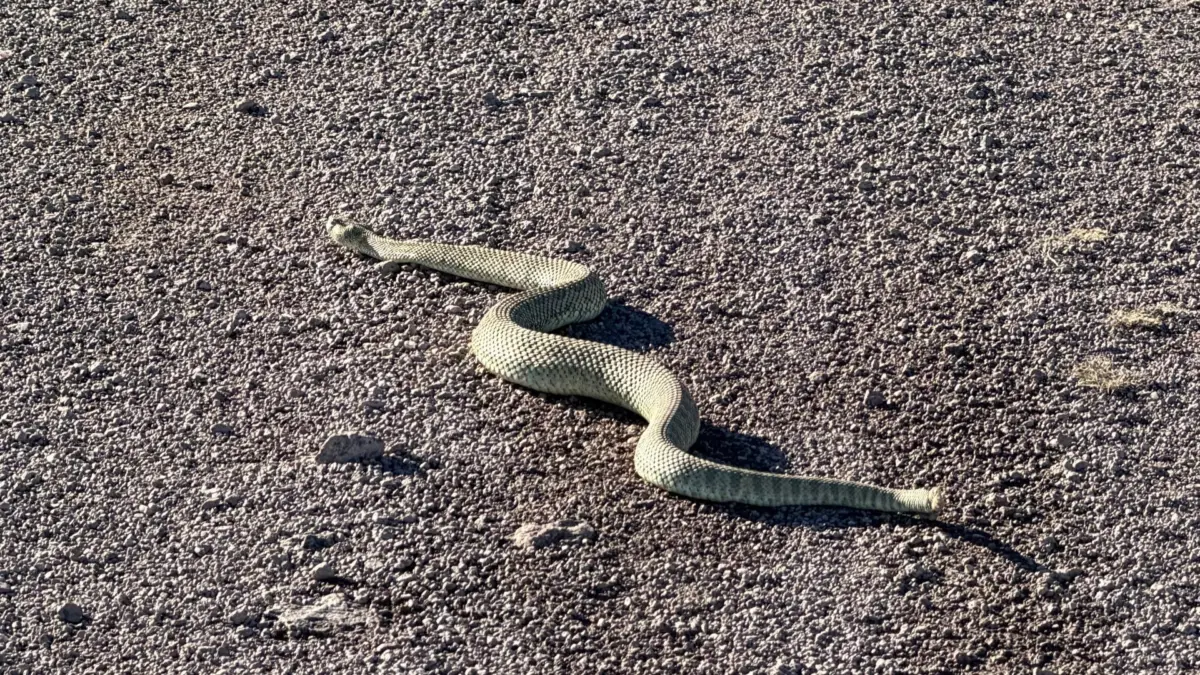
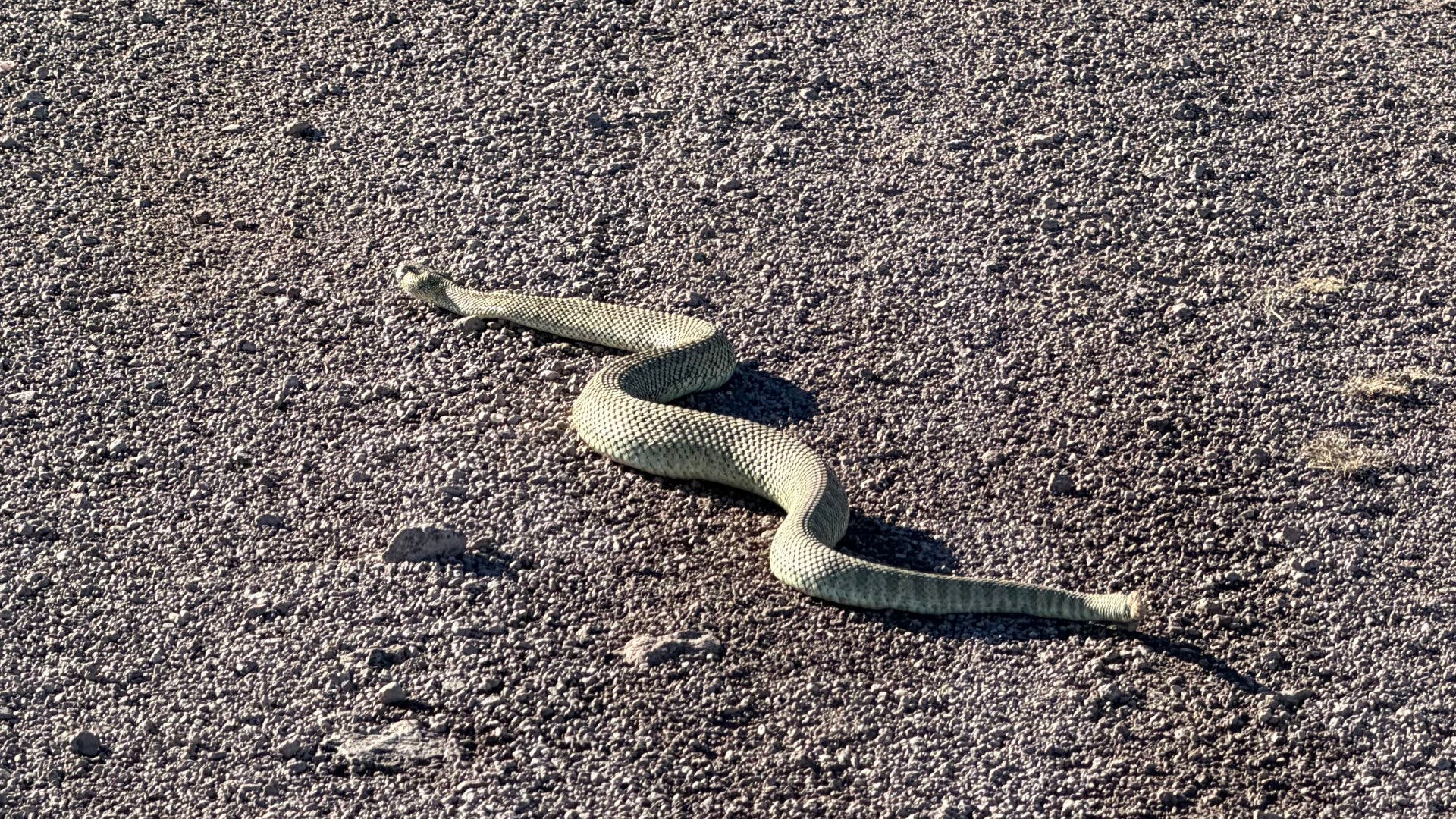
Stepping out of the truck some twenty yards up South Witches’ Canyon Road, the unmistakable, electric dry-shake of a prairie rattlesnake froze me in my tracks. Stretched long and heavy across the dusty track, soaking up the fading late-afternoon heat, the massive serpent regarded me with cold, vertical-pupiled eyes. It was, without a doubt, one of the largest rattlesnakes I had ever encountered in Colorado—and an apt, if jarring, welcome back to the San Luis Valley. Keep your wits about you, I told myself, a mantra that would prove useful throughout the weekend.
This remote, high-altitude basin in south-central Colorado is famous for a laundry list of peculiarities that stretch the boundaries of conventional tourism. It is a land legendary for hippie hot springs, the towering and surreal expanse of the Great Sand Dunes, alternative spiritual centers, frequent UFO sightings, historic cattle mutilations, secretive religious cults, unsolved mysteries, and even commercial alligator farms. Yet, I had driven deep into this desert expanse for a different kind of weirdness.
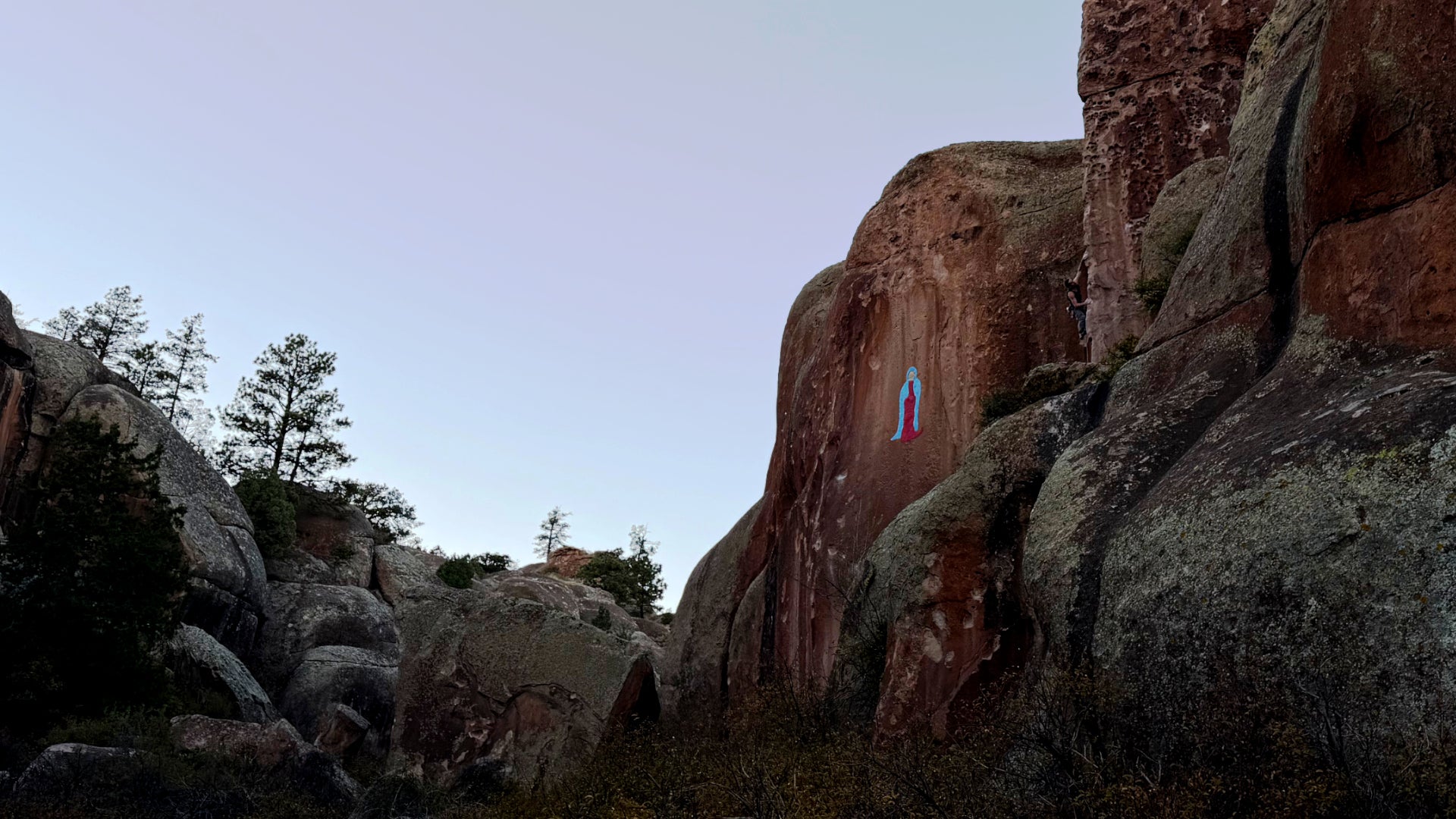
My destination was Penitente Canyon, a place where a deeply layered human history intersects with haunting desert beauty. Once trodden by Native American hunters, later carved by Spanish settlers, and eventually occupied by a secretive, ascetic Catholic monastic sect prone to intense physical penance, the canyon offers an unmatched immersive experience. For travelers seeking a camping and hiking trip that blends rugged outdoor recreation with a palpable touch of historical eerie-ness, few destinations rival Penitente Canyon, particularly as the crisp air of autumn descends on the valley.
Chronology: Layers of Time in the San Luis Valley
To truly understand Penitente Canyon, one must look backward through centuries of human occupation, where each era has left distinct, indelible marks upon the landscape.
Pre-Columbian Era and Indigenous Heritage
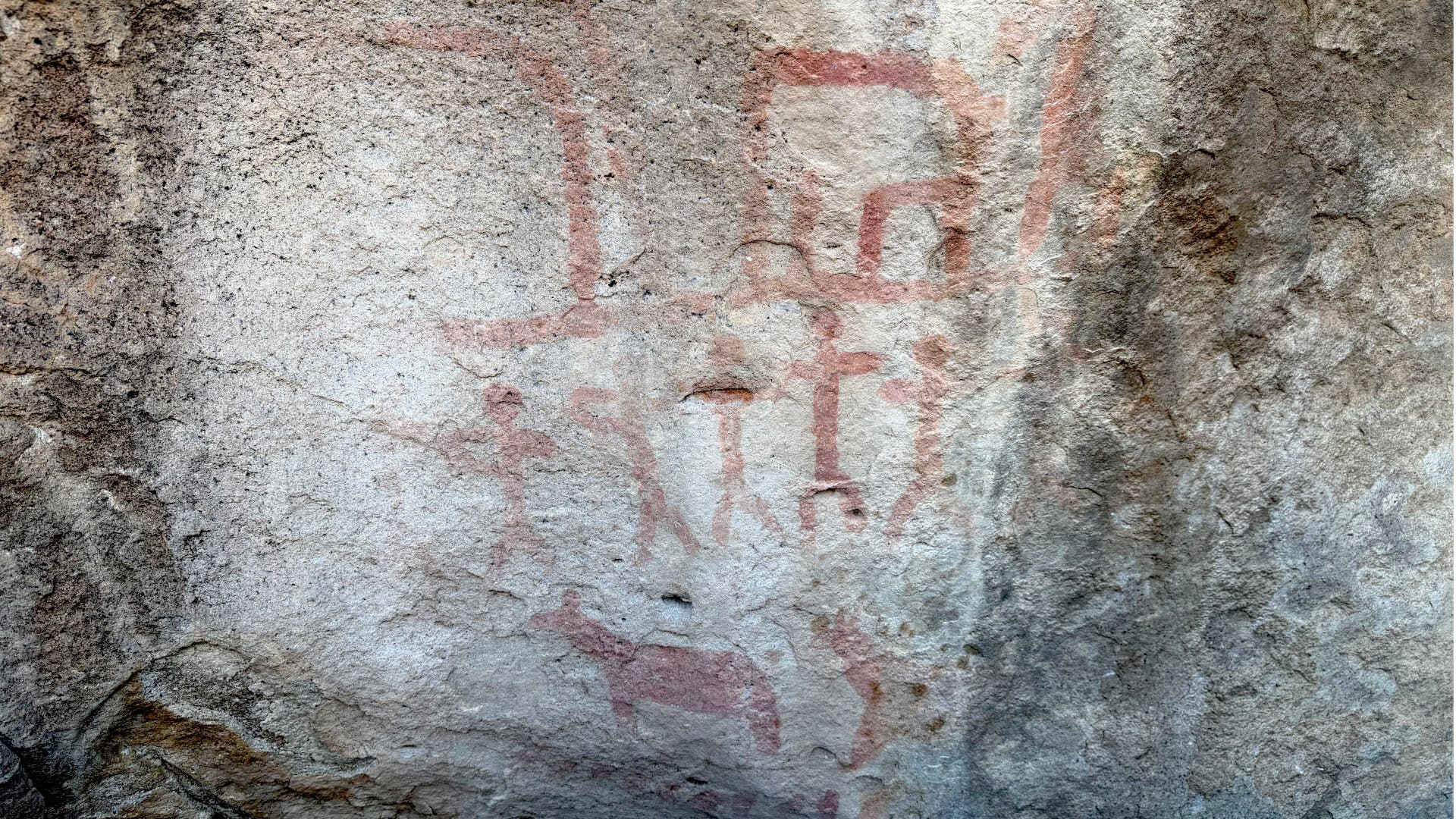
Long before European boots touched the dusty floor of the San Luis Valley, the canyon served as a vital resource for Indigenous peoples. The Ute and Jicarilla Apache tribes routinely foraged, hunted, and traveled through the sheltered corridors of the gorge. Today, evidence of their presence remains etched into the very rock. At the modern trailhead, a series of faded, fragile petroglyphs depicts a family of hunters, native game animals, and an ancient corral—silent testaments to a time when human survival was inextricably tied to the rhythms of the canyon wildlife.
The Spanish Colonial Footprint
Following Indigenous stewardship, Spanish explorers and settlers moved into the northern reaches of New Spain, establishing roots in what is now southern Colorado. The canyon floor still holds ghostly echoes of this era. In secluded patches protected from heavy erosion, the deep, narrow tracks carved by heavy wooden oxcarts remain frozen in time, fossilized into the desert floor as a physical reminder of the arduous trade and transit routes that once cut through the wilderness.
The Penitentes and Ascetic Devotion
The canyon derives its modern moniker from Los Penitentes (The Penitents), a secretive Catholic lay organization that utilized the remote, labyrinthine geography of the gorge to practice their faith away from the prying eyes of mainstream society. From the 1880s into the early decades of the 20th century, members of the brotherhood performed mysterious, and at times severe, ritual acts of devotion.
Analogous to historical European ascetic orders such as the Capuchins or modern movements like Opus Dei, Los Penitentes practiced ritual self-flagellation, rhythmically whipping their own backs during solemn prayers. Furthermore, during Holy Week, they reenacted the Stations of the Cross and the crucifixion of Jesus Christ, utilizing real human actors bound to heavy wooden crosses. Over decades of isolation, the order became so synonymous with the canyon that the local geography was permanently named in their honor.
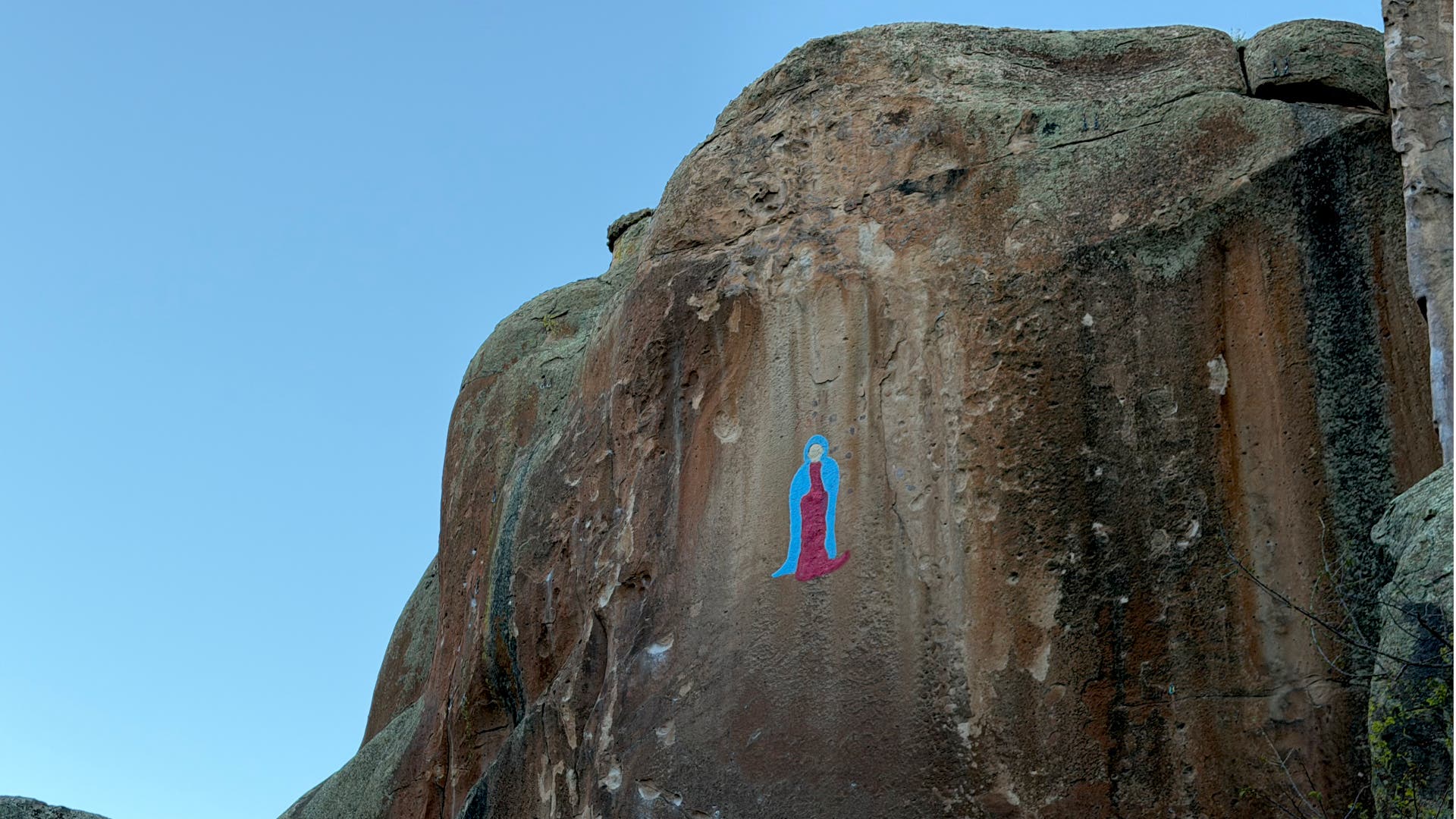
While the formal membership largely faded from the canyon by the mid-20th century, the legacy endures. A conspicuous, brightly painted image of the Virgin Mother still looks down from a high, inaccessible rock wall, continuing to draw Catholic pilgrims to the site today.
Supporting Data: Navigating the Trails of Penitente Recreation Area
When it comes to outdoor recreation, Penitente Canyon Recreation Area is a premier destination, anchored by a unique geological feature: the Fish Canyon Tuff. This tacky, welded volcanic ash rock has transformed the canyon into a world-class rock-climbing mecca since the 1980s, featuring pocketed crags and steep overhangs that draw climbers from across the country. For hikers and backpackers, however, the attraction lies in the interconnected web of trails that wind through the volcanic labyrinths.
Trail Guide and Logistics
- The Penitente Canyon Loop: Spanning a modest 1.7 miles, the main trail serves as the ideal introduction to the area. It guides hikers through narrow, towering rock passages and up minor rocky outcrops. The path is studded with "side quests"—numerous offshoot trails that invite exploration. Climbers of these minor offshoots are rewarded with expansive vistas where the distant, jagged peaks of the Sangre de Cristo Mountains loom dramatically over the valley floor.
- The Extended Circuit (Blue Sky and Sunshinekitty): For those seeking a more rigorous outing, the Penitente Loop can be seamlessly linked with the Blue Sky Loop and Witch’s Canyon trail (locally designated as Sunshinekitty). This combination creates a challenging 7.6-mile loop that ventures deep into the hills to the south and west. Notably, Witches’ Canyon owes its name not to dark magic or historical residents, but to a massive, striking eye-shaped rock weathering formation known locally as "The Witch’s Eye."
- Navigation Caution: Despite the robust trail network, hikers must exercise caution. The canyon trail system features numerous junctions with sparse signage. At several points, intersections involving five distinct paths present themselves with zero directional markers. Downloading offline mapping applications (such as Gaia GPS) or carrying a physical topographic map is mandatory to avoid straying into unintended terrain.
- Optimal Timing: Due to extreme seasonal variations—blistering, sun-baked summers and sub-zero, frigid winters—spring and fall represent the ideal windows for visitation. For those chasing an authentic, atmospheric experience, late September through mid-October delivers peak autumn foliage paired with the quintessential "spooky season" aesthetic.
Official Responses and Land Management Insights
Managing a multi-use public space like Penitente Canyon requires a delicate balancing act between recreation, historical preservation, and ecological conservation. The canyon and its surrounding acreage are managed primarily by the Bureau of Land Management (BLM), which oversees both the developed camping facilities and the vast network of surrounding public lands.
Land managers have increasingly emphasized the importance of dispersed camping etiquette, particularly as visitation surges during shoulder seasons and coordinated events like the annual Penitente climbing festivals. When the primary BLM campground—featuring sites nestled tightly between volcanic boulders and sheltered crags—reaches total capacity, visitors are directed to adjacent public lands.
Furthermore, local wildlife officials consistently issue advisories regarding seasonal reptile activity. The prevalence of prairie rattlesnakes (Crotalus viridis) along valley floors and dirt access roads during early autumn highlights the necessity of situational awareness. Land management protocols stress that visitors must respect wildlife habitats, practice Leave No Trace principles, and pack out all waste to preserve the fragile desert ecosystem of the San Luis Valley.
Implications: The Surreal Allure of the San Luis Valley
A trip to Penitente Canyon transcends a standard weekend camping excursion; it serves as an exercise in confronting the multifaceted weirdness of the American West. The juxtaposition of ancient Indigenous rock art, Spanish colonial trails, ascetic Christian penance, and modern extreme sports creates a layered cultural landscape that is rarely found in such a compact geographic footprint.
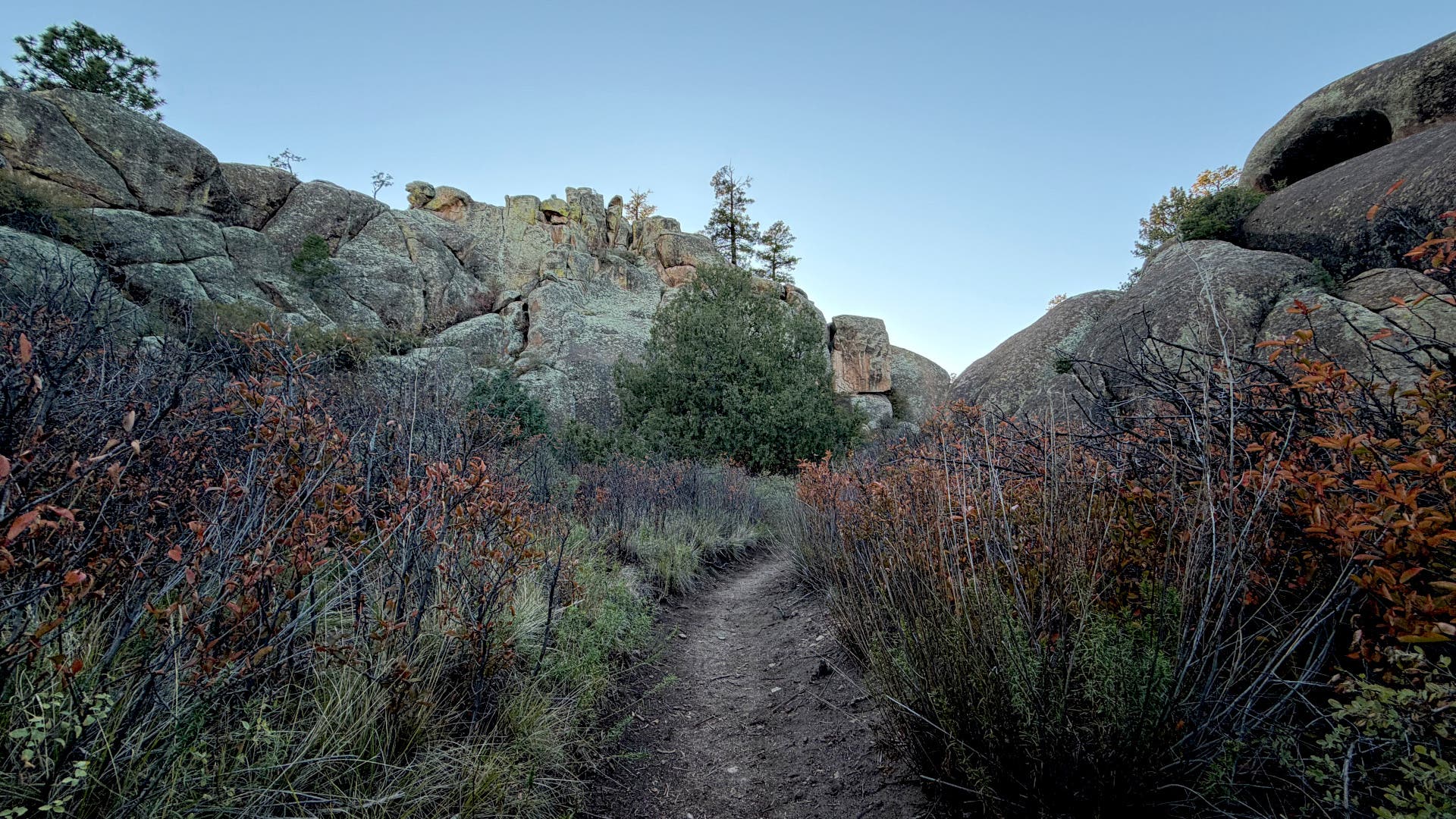
Beyond the immediate boundaries of the canyon, the broader implications of the San Luis Valley’s geography continue to captivate travelers. The region functions as a biological and geological anomaly—a high-altitude desert basin locked between massive mountain ranges, fostering microclimates and cultural oddities that defy simple categorization.
To cap off my own journey, I made the short drive across the valley floor to the Great Sand Dunes National Park and Preserve, North America’s highest sandbox. Wandering barefoot across towering, wind-sculpted dunes against the backdrop of snow-capped peaks provided a surreal, almost otherworldly conclusion to a weekend steeped in history, shadow, and stone. As night fell over the BLM lands along South Witches’ Canyon Road—punctuated by a brilliant canopy of stars and the distant, haunting howls of coyotes echoing over the ridge—it became entirely clear why humans have sought out the quiet desolation of this valley for millennia: to find perspective at the edge of the unknown.
