

By Global Health & Wellness Correspondent
For the past twenty months, Kyle Neo has not tasted food the way most people do. Due to a severe swallowing complication that mistakenly routes food and liquids directly into his lungs rather than his stomach, Neo relies entirely on a feeding tube to sustain himself.
To maintain his nutritional intake, Neo undergoes a routine centered around a medical procedure known as PEG—percutaneous endoscopic gastrostomy. In this process, a specialized tube is surgically inserted directly into the patient’s stomach through an incision in the abdominal wall, bypassing the mouth and throat altogether.
While PEG tubes are a literal lifeline for thousands of individuals living with chronic illness, dysphagia, or anatomical anomalies, they also introduce a distinct, highly mechanical daily routine. Meals are no longer leisurely social engagements or sensory experiences of taste and texture. Instead, they are clinical chores.
Formula—or real food blended down into a smooth, liquefied state, which for Neo is typically milk—is poured into the barrel of a medical syringe. The user then manually pushes the plunger, forcing the liquid through a secured port and directly into the gastrointestinal tract.
It is a process demanding absolute precision. However, as Neo and countless others navigating life with assistive medical devices know all too well, precision is rarely guaranteed in the unpredictable arena of daily living.
Chronology of a Daily Ritual: When the Routine Breaks Down
The mechanics of tube feeding leave a very narrow margin for error, and the margin shrinks further as equipment ages.
- The Setup: Neo prepares his nutritional formula, drawing the liquefied milk into a standard syringe. Because medical supplies can incur significant out-of-pocket expenses, users often attempt to maximize the lifespan of their equipment by reusing syringes.
- The Wear and Tear: Over time, repeated use degrades the internal mechanisms. The lubricating coating that aids suction dries out, increasing friction within the syringe barrel.
- The Breaking Point: Needing to push the plunger harder to overcome the resistance, the user applies sudden force.
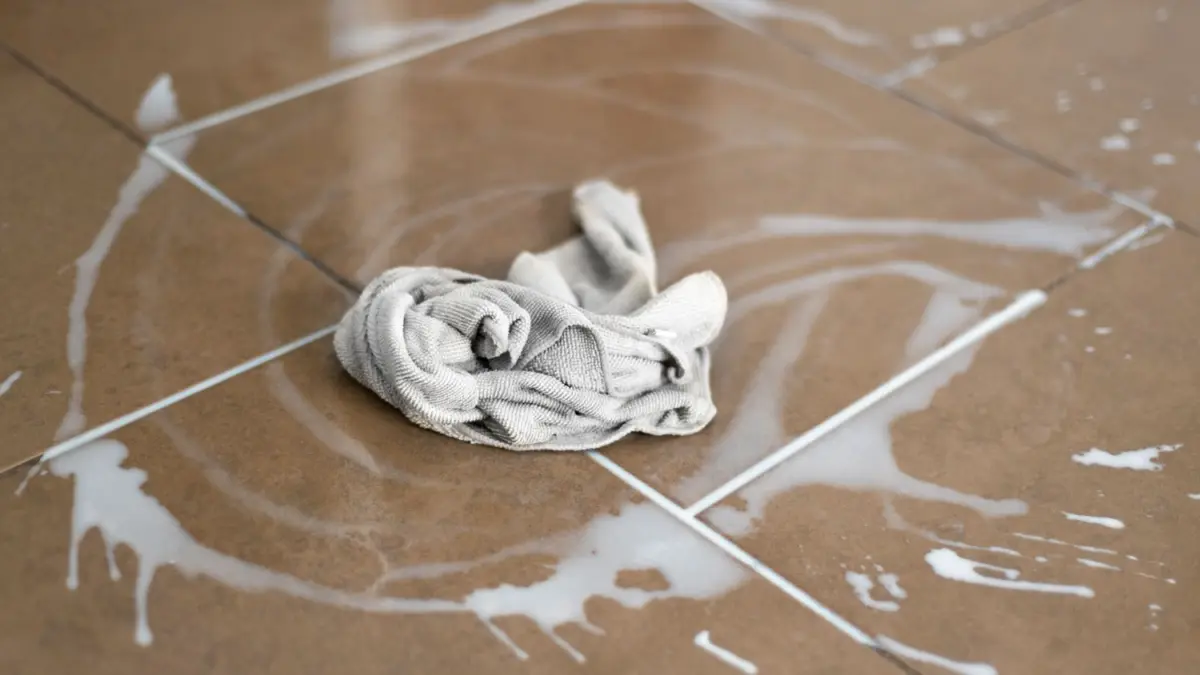
- The Accident: Without warning, the aged syringe gives way, shattering or bursting apart. Blended formula sprays outward, coating the user’s clothing, body, and the surrounding kitchen floor.
- The Aftermath: What should have been a standard ten-minute nutritional intake transforms instantly into an emergency cleanup operation, forcing a re-evaluation of patience, endurance, and state of mind.
For Neo, these sudden mishaps strip away the sanitized clinical view of disability care and expose its raw, frustrating reality. "In these moments," Neo reflects, "I lose my patience for being a patient."
Supporting Data: The Hidden Realities of Home Enteral Nutrition
While Neo’s experience is deeply personal, it illuminates a broader, often invisible reality for millions of people worldwide who depend on Home Enteral Nutrition (HEN).
- Prevalence of Enteral Access: According to clinical gastroenterology data, hundreds of thousands of patients in developed nations rely on PEG and other enteral feeding tubes at any given time due to neurological disorders, head and neck cancers, gastrointestinal obstructions, and advanced frailty.
- Equipment Fatigue and Costs: Medical-grade syringes and tubing are frequently designed for single-use or limited use. However, economic pressures, supply chain constraints, and insurance limitations often force patients to reuse equipment far beyond manufacturer recommendations, leading to mechanical failures, leaks, and spills.
- The Psychological Toll: Medical literature increasingly highlights the psychological burden placed on chronic illness patients and caregivers. The transition from oral eating to tube feeding is frequently accompanied by grief, social isolation, anxiety, and clinical depression. The loss of the oral sensory experience of food mimics forms of disenfranchised grief that are rarely addressed in standard clinical follow-ups.
Official Responses and Clinical Perspectives: Bridging the Gap in Patient Care
Healthcare providers and medical device manufacturers approach enteral nutrition primarily through a clinical and safety-oriented lens, yet they increasingly recognize the psychological dimensions of long-term medical device dependency.
The Medical Device Perspective
Gastroenterologists and clinical dietitians emphasize that patient education is the cornerstone of successful home enteral nutrition. Standard discharge protocols mandate comprehensive training on tube maintenance, skin-site care, and the prevention of clogging or mechanical failure.
However, medical device manufacturers note that home-use equipment is frequently subjected to stress conditions—such as high-viscosity blended real-food diets rather than standard commercial formulas—which can accelerate wear and tear on syringes and pumps. Manufacturers routinely advise strict adherence to single-use guidelines to prevent structural failures and microbial contamination, though they acknowledge the financial burden this places on patients operating outside universal healthcare coverage.
The Psychosocial Response
Patient advocacy groups and integrative health practitioners argue that clinical training often fails to prepare patients for the emotional and existential weight of long-term device dependency.
"We teach patients how to flush a tube, how to administer formula, and how to spot signs of infection," notes a patient support coordinator specializing in dysphagia care. "What we often miss is how to handle the profound frustration of feeling tethered to a machine, the grief of losing shared meals with family, and the daily indignity of a broken syringe spraying milk across a clean kitchen."
Integrative care models increasingly advocate for mental health support, peer mentorship programs, and mindfulness-based interventions to help patients process the relentless repetition of chronic care routines.
Implications: Reframing Mindfulness in the Midst of Suffering
For Neo, navigating these frustrations became an unexpected laboratory for spiritual and psychological practice. As a queer, disabled Buddhist writer and the founder of Rainbodhi Singapore, Neo explores how ancient philosophical frameworks intersect with the stark realities of modern bodily vulnerability.
Initially, the juxtaposition of mindfulness teachings with the anger of a spilled feeding tube felt entirely contradictory. "If you are mindful, how can you become impatient?" Neo asks. "Though we might attach ourselves to a wholesome ideal… we lose our ‘mind’ when the milk spills, and seem to forget all our practices."
Yet, rather than viewing these moments of frustration as failures of spiritual discipline, Neo began to reframe them through the lens of traditional Buddhist psychology—specifically, the Satipatthana Sutta and its four foundations of mindfulness (Satipatthana):
1. Mindfulness of the Body (Kāya)
When an accident occurs, the mind typically scatters in a panic, fixating on the cleaning required, the wasted formula, and the disruption of the day. Grounding begins by returning strictly to the physical present: the shape of sticky hands gripping a broken plastic barrel, the tension in the muscles, the feel of feet planted on a floor, and the steady rhythm of the breath.
2. Mindfulness of Feelings (Vedanā)
In Buddhist psychology, vedanā refers to the immediate affective tone of an experience—whether it registers as pleasant, unpleasant, or neutral. Covered in milk formula, the immediate reaction is intensely unpleasant. The practice lies in catching that initial unpleasantness before the mind inflates it into a cascade of reactive anger and self-pity.
3. Mindfulness of the Mind (Citta)
Instead of identifying entirely with the frustration ("I am angry"), mindfulness of the mind allows the observer to notice the state objectively ("There is anger here"). It requires recognizing that the frustration is a mental construct supplied by the observer, not an inherent property of the broken syringe or the spilled milk.
4. Mindfulness of Mental Objects (Dhammā)
At the deepest level, ordinary mishaps serve as a clear lens to observe how suffering (dukkha) is constructed through mental conditioning, aversion, and clinging. By removing the ego from the center of the accident, the practitioner observes the mechanics of the mind without adding unnecessary layers of emotional torment.
Conclusion: Cleaning Up Without the Burden
Ultimately, Neo’s reflections offer a pragmatic, deeply human takeaway for anyone navigating chronic illness, disability, or the standard friction of daily life.
Mindfulness is not a magical shield that stops accidents from happening. PEG tubes will still clog, syringes will still break, and milk will occasionally spill across the floor. Nor is mindfulness a performative state of perpetual serenity where frustration is forbidden.
Instead, mindfulness is revealed as an opportunity to interrupt the cycle of self-inflicted suffering. As Neo concludes, when facing the inevitable mess, one is always left with a choice:
"I can clean while suffering, or I can clean without carrying quite so much dukkha with me."
