

October 7, 2026
By Will Brendza
Main Facts
Nestled within the high-desert expanse of Colorado’s San Luis Valley, Penitente Canyon Recreation Area is a landscape defined by sharp contrasts. To the casual outdoor enthusiast, it is celebrated as a premier rock-climbing destination, boasting tacky volcanic Fish Canyon Tuff walls that have challenged vertical adventurers since the 1980s. To hikers, it offers a dense network of interconnected paths, including the 1.7-mile Penitente Canyon Loop and extended routes linking to the Blue Sky and Sunshinekitty trails.
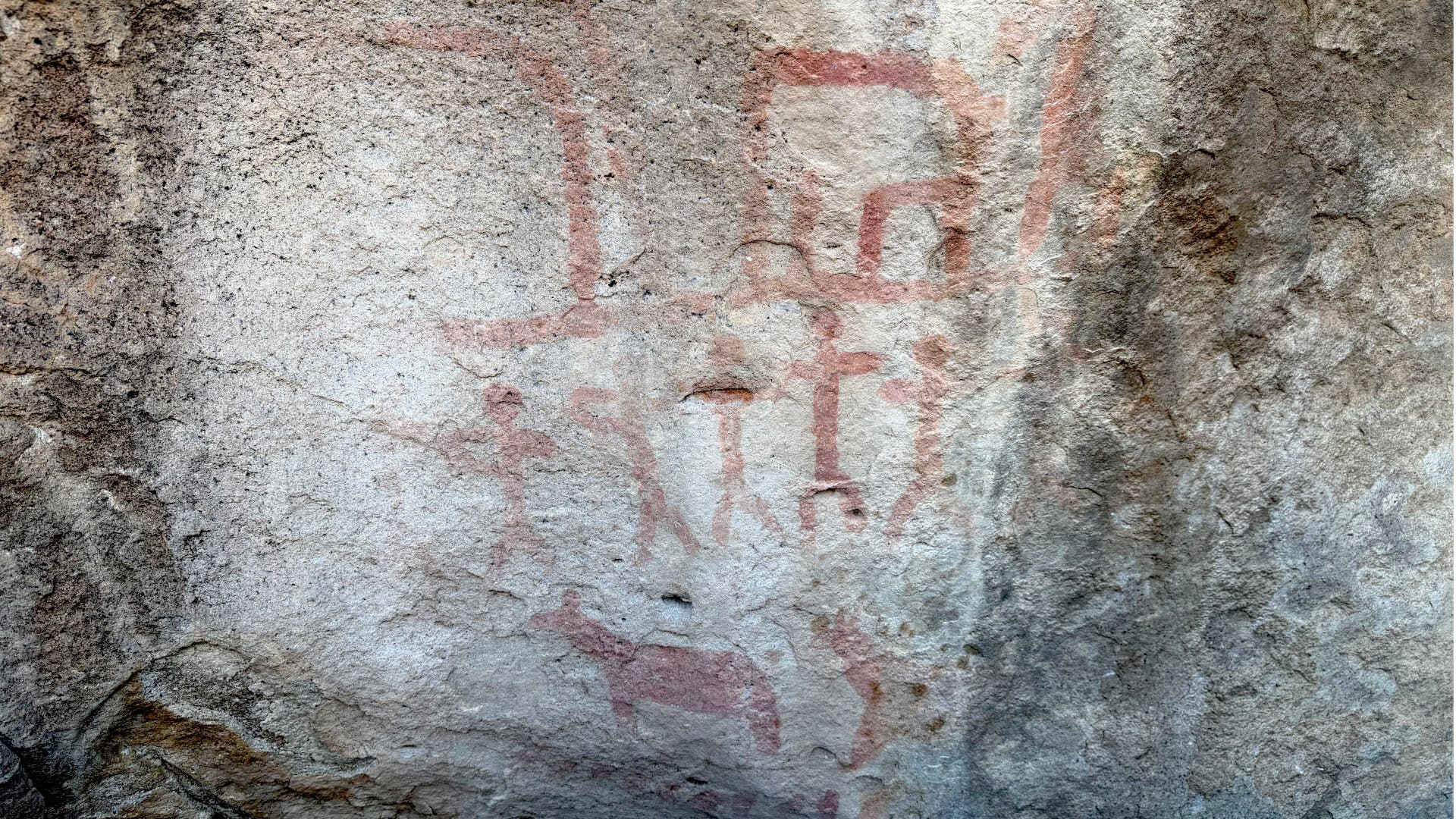
However, beneath its recreational appeal lies a heavy, complex atmosphere rooted in centuries of human history. The canyon derives its name from Los Penitentes, a secretive Catholic lay organization that practiced intense, sometimes violent rites of devotion—including self-flagellation and dramatic crucifixions—from the 1880s through the early 20th century. Long before the ascetic order arrived, the canyon was utilized by Spanish settlers, whose oxcart tracks remain fossilized in the valley floor, and by the Ute and Jicarilla Apache, who left behind petroglyphs depicting hunting families and local game.
Today, Penitente Canyon serves as an ideal autumn destination for travelers seeking an authentic, slightly eerie outdoor experience. Balancing accessible Bureau of Land Management (BLM) dispersed camping, rich historical remnants, and rugged geological formations, the site remains one of southern Colorado’s most compelling hidden gems.
Chronology of a Journey: Arrival and Encounters
The journey into the San Luis Valley immediately sets a tone of rugged unpredictability. Arriving via South Witches’ Canyon Road, visitors are often reminded of the area’s wild nature before even lacing up their hiking boots.
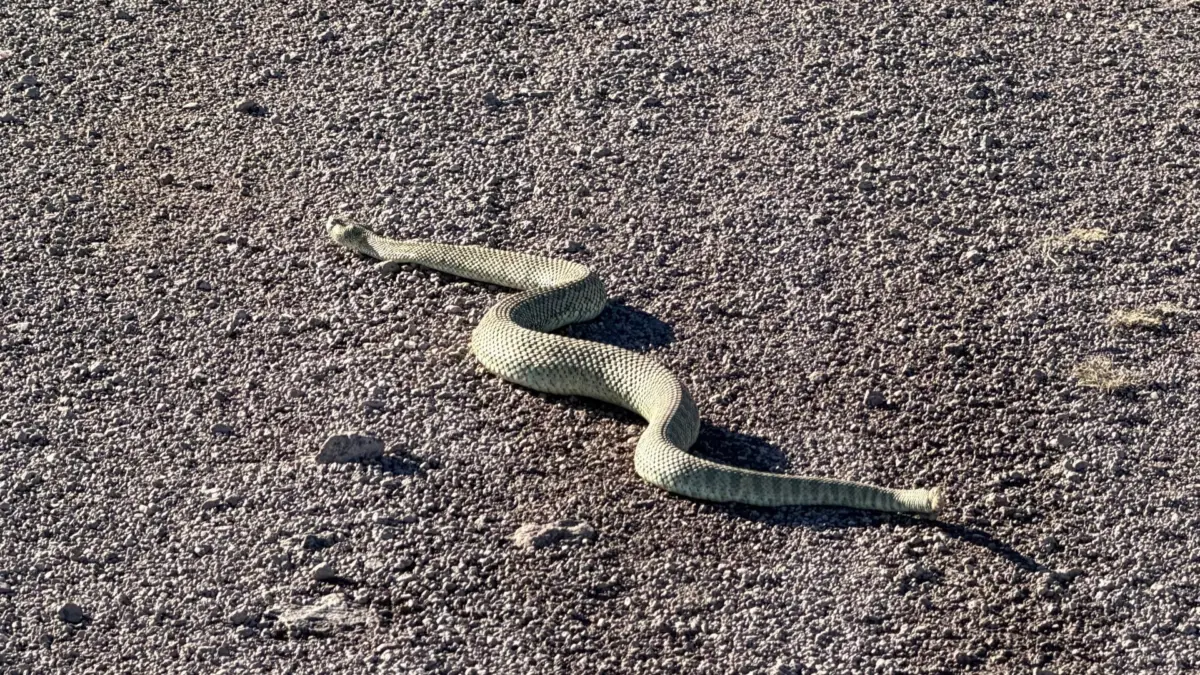
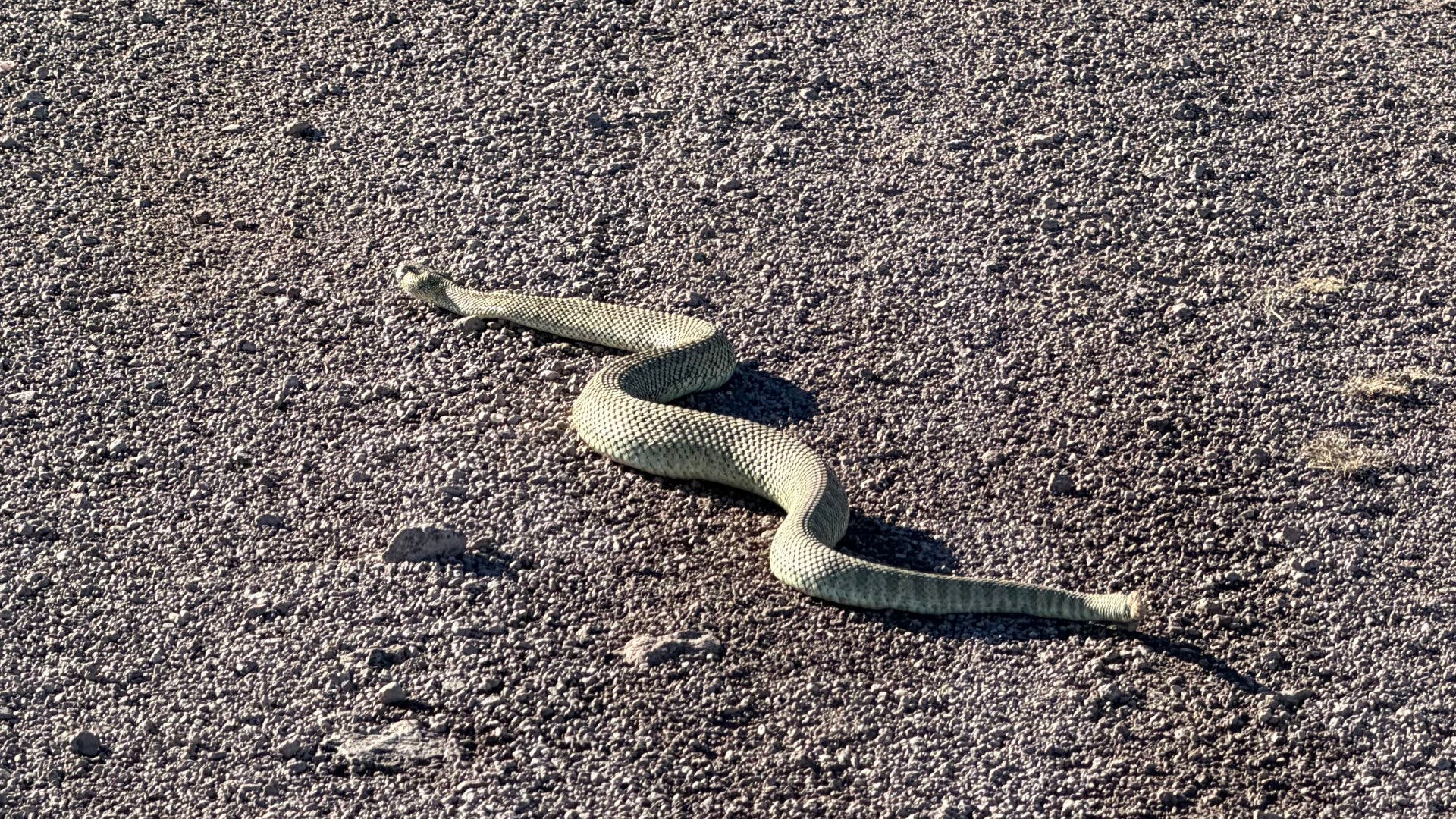
- Late Afternoon, Friday: Approximately twenty yards up South Witches’ Canyon Road, a massive prairie rattlesnake stretched across the dirt route, serving as a visceral welcome to the region. After a brief standoff marked by the unmistakable warning of a rattle, the reptile slithered into the brush.
- Early Evening: Confronted with a bustling regional climbing festival that had fully booked the official Penitente Campground, the traveler pivoted to public lands. Dispersed camping options along South Witches’ Canyon Road provided an immediate alternative, offering immediate trail access and isolation.
- Nightfall: The evening settled over the high desert with crystal-clear skies, providing optimal stargazing conditions underscored by the vocalizations of nearby coyote packs roaming the surrounding hills.
- Saturday and Sunday: Days were dedicated to exploring the canyon’s labyrinthine trail systems, navigating un-signified trail intersections, and appreciating the looming presence of the distant Sangre de Cristo Mountains.
- Post-Trip Excursion: The journey concluded across the valley floor at the Great Sand Dunes National Park and Preserve, contrasting the tight, vertical stone walls of Penitente with North America’s highest sandbox.
Supporting Data and Geography
Understanding the scale and layout of the Penitente Canyon area is essential for navigating its remote terrain safely. The region operates primarily under the jurisdiction of the Bureau of Land Management (BLM), which balances recreational access with resource protection.
Trail Metrics and Layout
- Penitente Canyon Loop: A relatively short, 1.7-mile circuit that winds through narrow rock passages and up minor ridgelines.
- Extended Loop Systems: By linking the Penitente Loop with the Blue Sky Loop and Witch’s Canyon trail (officially mapped as Sunshinekitty), hikers can forge a robust 7.6-mile trek that scales the hills to the south and west.
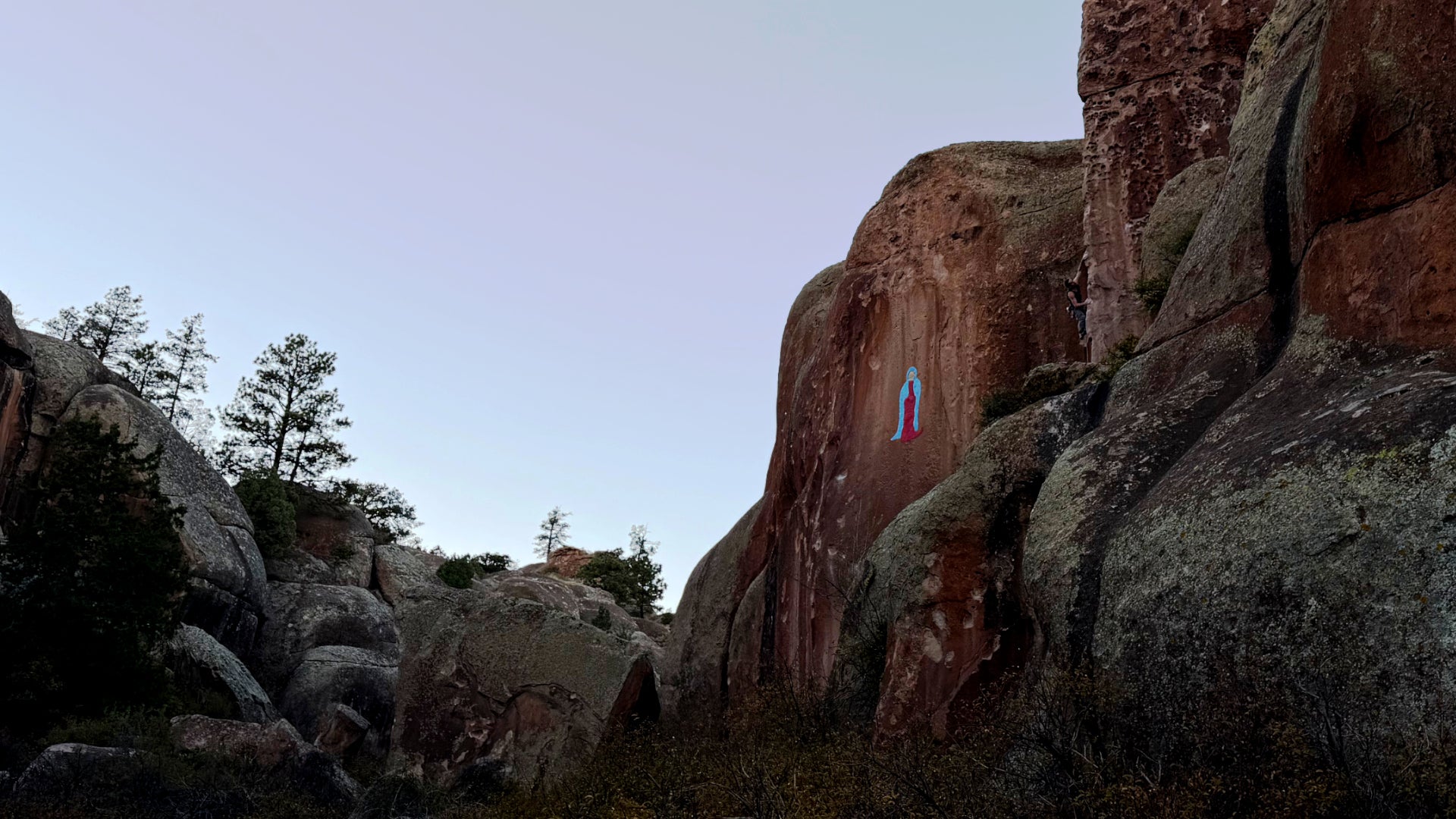
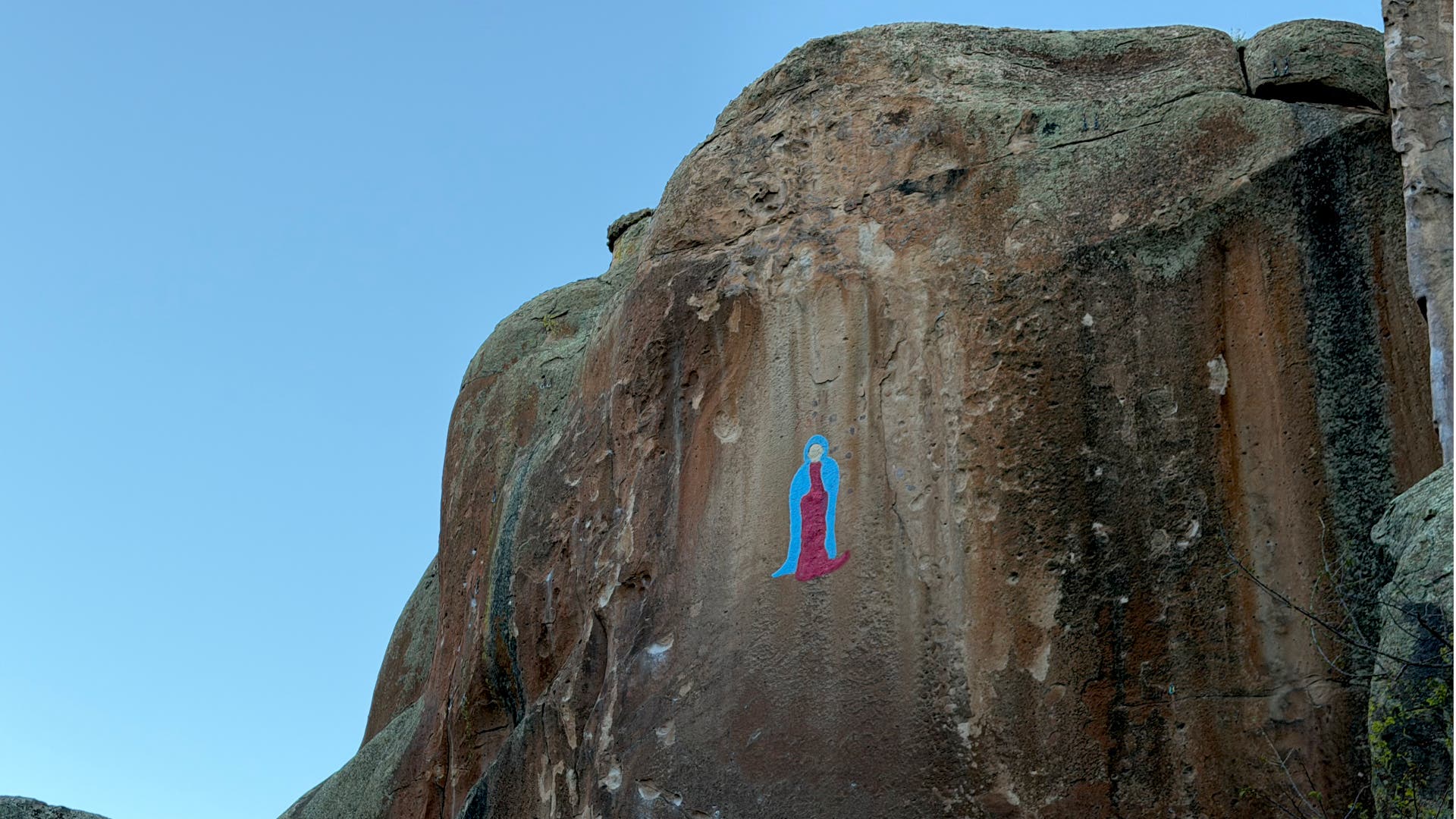
- Topographic Highlights: "The Witch’s Eye"—a massive, eye-shaped rock formation—gives Witch’s Canyon its namesake, contrasting with the canyon’s religious artifacts, such as the vibrant painting of the Virgin Mother preserved high on the cliff face.
Navigational and Environmental Considerations
- Signage Deficits: Certain trail junctions feature up to five intersecting paths with minimal or absent physical signage, making digital or physical topographic maps mandatory for safety.
- Wildlife Activity: Prairie rattlesnakes are common seasonal residents, particularly active in early October when they utilize warm dirt roads for thermal regulation in the late afternoon.
- Seasonal Windows: While summers present extreme heat and winters bring frigid alpine temperatures, spring and autumn serve as the ideal operational windows. Late September through mid-October offers peak foliage colors and atmospheric conditions suited to the canyon’s mysterious reputation.
Official Context: Bureau of Land Management and Valley Lore
The San Luis Valley is a crucible of anomalous geography and cultural folklore. Beyond Penitente Canyon, the valley is internationally famous for a disparate collection of phenomena, including geothermal hot springs, spiritual and New Age centers, high-frequency Unidentified Flying Object (UFO) sightings, historical cattle mutilations, and even alligator farming.
Federal land managers at the BLM manage Penitente Canyon primarily as a Multi-Use Recreation Area. While the agency facilitates climbing, mountain biking, and hiking, it must balance these modern demands with the preservation of cultural resources. The petroglyphs left by indigenous Ute and Apache populations, as well as the remnants of Spanish colonial travel, are protected under federal heritage conservation guidelines. Meanwhile, the legacy of Los Penitentes remains largely unmanaged and uncommercialized; aside from the prominent Marian painting on the rock wall and local oral histories, the physical traces of the sect are subtle, leaving the interpretation of the canyon’s past largely up to the imagination of the visitor.
Implications for Future Travelers
Visiting Penitente Canyon offers a distinct set of takeaways for outdoor recreationists, historians, and casual campers alike:
- Preparedness in Remote Landscapes: The presence of un-signified trail networks and venomous wildlife underscores the necessity of self-reliance. Dispersed camping along BLM roads requires adherence to Leave No Trace principles, especially as visitor numbers rise due to the area’s growing popularity among climbers and cultural tourists.
- The Intersection of History and Recreation: Penitente Canyon demonstrates how public lands can serve dual purposes: preserving sensitive archaeological and religious history while supporting active, adrenaline-focused sports like technical rock climbing and mountain biking.
- Diversification of San Luis Valley Tourism: While national parks like the Great Sand Dunes draw the lion’s share of traditional tourism traffic, peripheral sites like Penitente Canyon distribute human impact across the valley, offering alternative itineraries for travelers seeking solitude, rugged geology, and a brush with the uncanny.
