

Published October 7, 2026
By Will Brendza
Main Facts
Nestled within the high-desert expanse of Colorado’s San Luis Valley, Penitente Canyon Recreation Area is a landscape defined by sharp contrasts. Known globally for its tacky, golden-hued volcanic Fish Canyon Tuff rock walls—which have drawn elite rock climbers since the 1980s—the canyon harbors a much darker, more enigmatic past.
Far from a standard recreational park, the region is steeped in historical layers that range from ancient Ute and Jicarilla Apache hunting grounds to Spanish colonial transit routes and, most famously, the secretive practices of a nineteenth-century Catholic lay brotherhood known as Los Penitentes. Today, the canyon functions as a multi-use public space managed by the Bureau of Land Management (BLM), offering hikers, mountain bikers, and campers a unique blend of outdoor adventure and spine-chilling historical atmosphere.
Key facts regarding the area include:
- Location: The San Luis Valley, southern Colorado, approximately 20 miles northwest of Del Norte.
- Geographical Features: Eroded volcanic tuff formations, narrow slot-like canyons, and panoramic vistas of the distant Sangre de Cristo Mountains.
- Trail Networks: A connected grid of routes including the 1.7-mile Penitente Canyon Loop, the Blue Sky Loop, and the Sunshinekitty trail (often associated with adjacent Witches’ Canyon), allowing for excursions ranging from short walks to 7.6-mile loops.
- Camping Infrastructure: Features an official, highly coveted BLM campground nestled among boulders (reservable via Recreation.gov), alongside extensive free dispersed camping along nearby routes like South Witches’ Canyon Road.
Chronology
To understand Penitente Canyon is to trace a timeline defined by successive waves of human occupation, spiritual devotion, and outdoor recreation.
Pre-Columbian Era (Pre-16th Century)
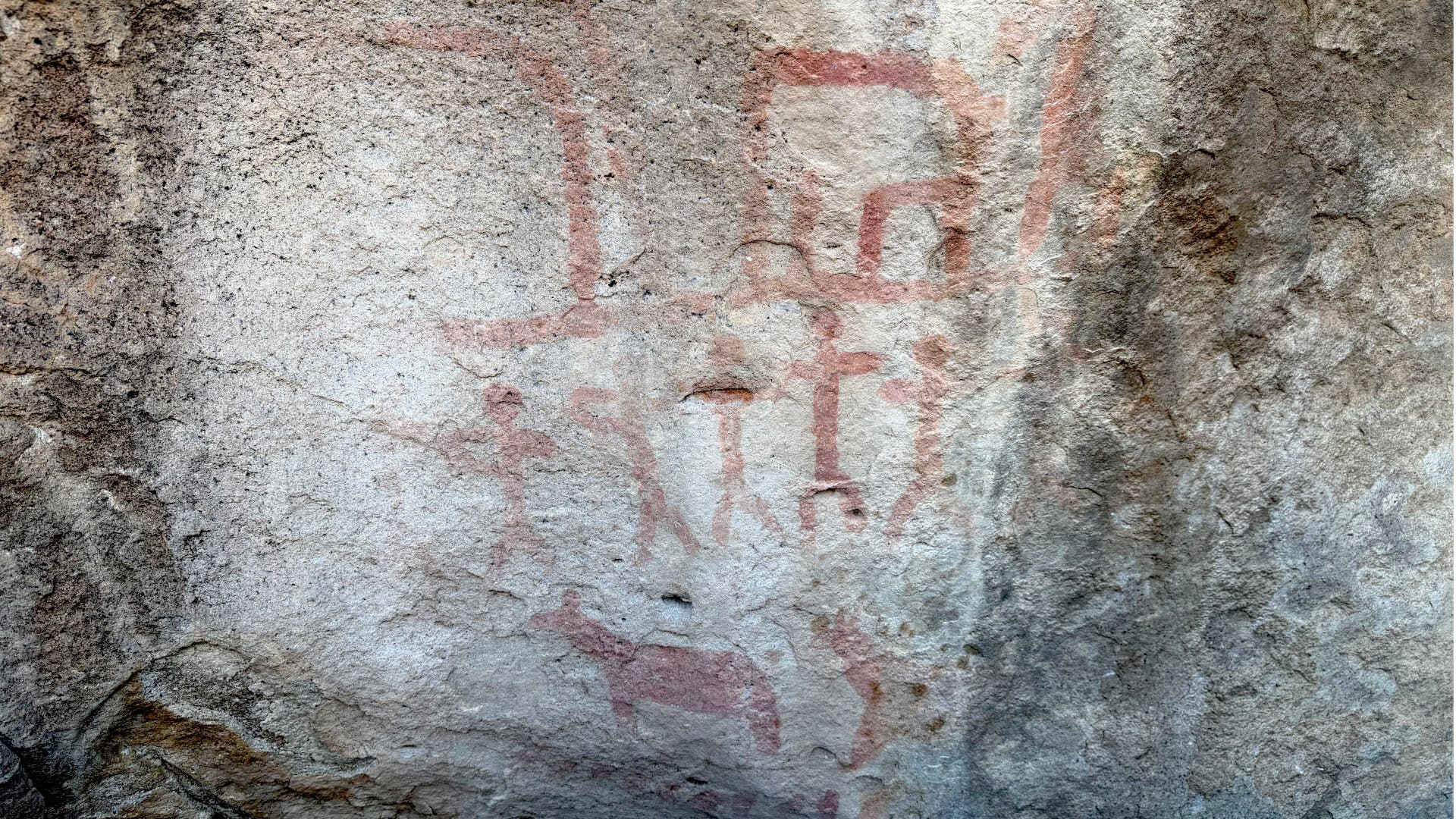
Long before European or American presence, the San Luis Valley was a vital foraging and hunting territory for Indigenous peoples. The Ute and Jicarilla Apache tribes utilized the natural protection and resources of the canyon. Faded petroglyphs etched into the canyon’s rock walls—depicting a family of hunters, local game animals, and a traditional corral—serve as a permanent testament to this early stewardship.
The Spanish Colonial Period (Late 16th to Early 19th Century)
Spanish explorers and settlers were among the first Europeans to push into this remote, unforgiving sector of the American Southwest. Hauling goods and supplies across the rugged terrain, their heavy oxcarts left deep, distinct tracks carved directly into the canyon floor. Over the centuries, these tracks became fossilized into the geological record, marking the physical routes of early frontier expansion.
The Era of Los Penitentes (1880s–Early 1900s)
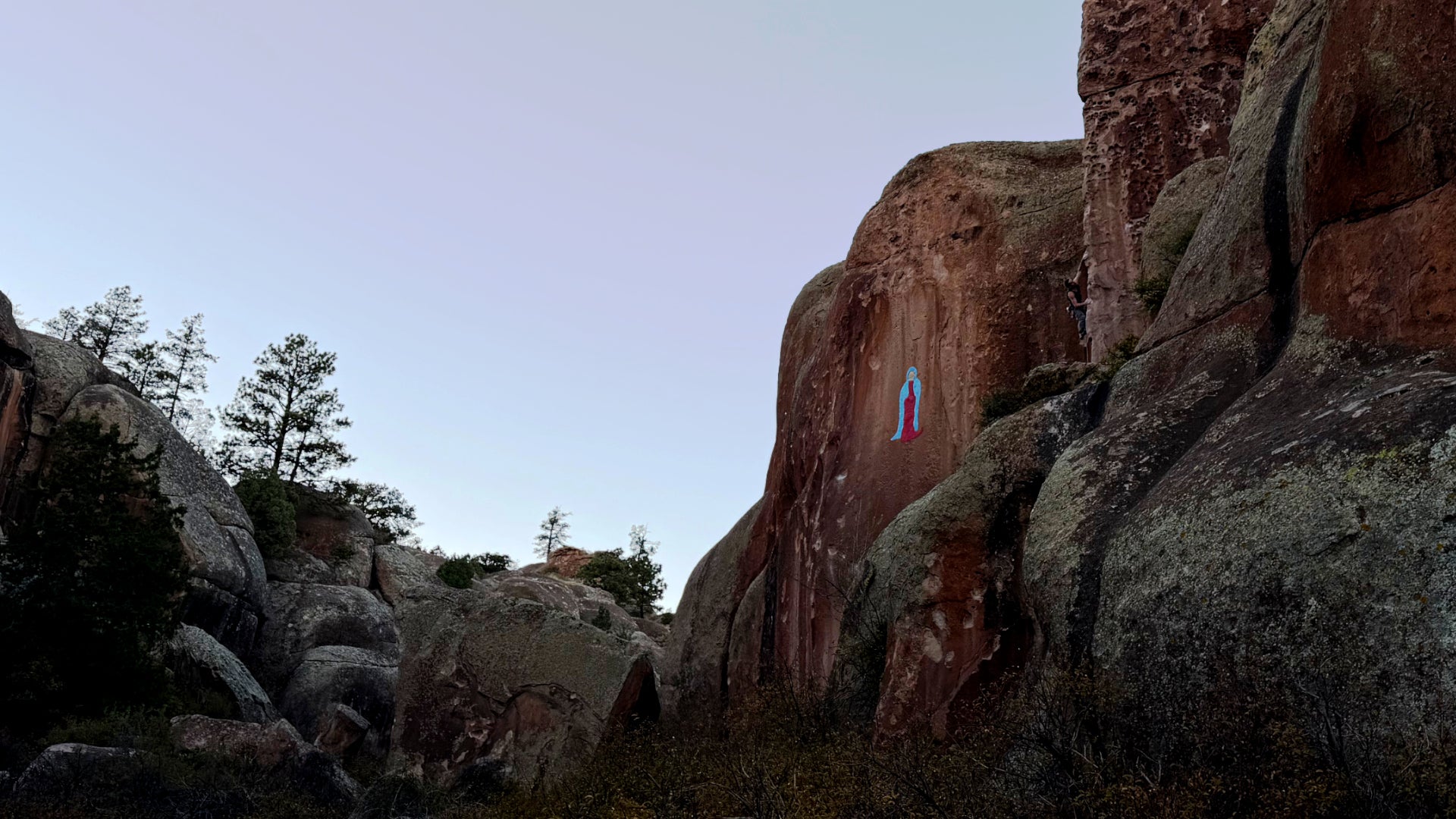
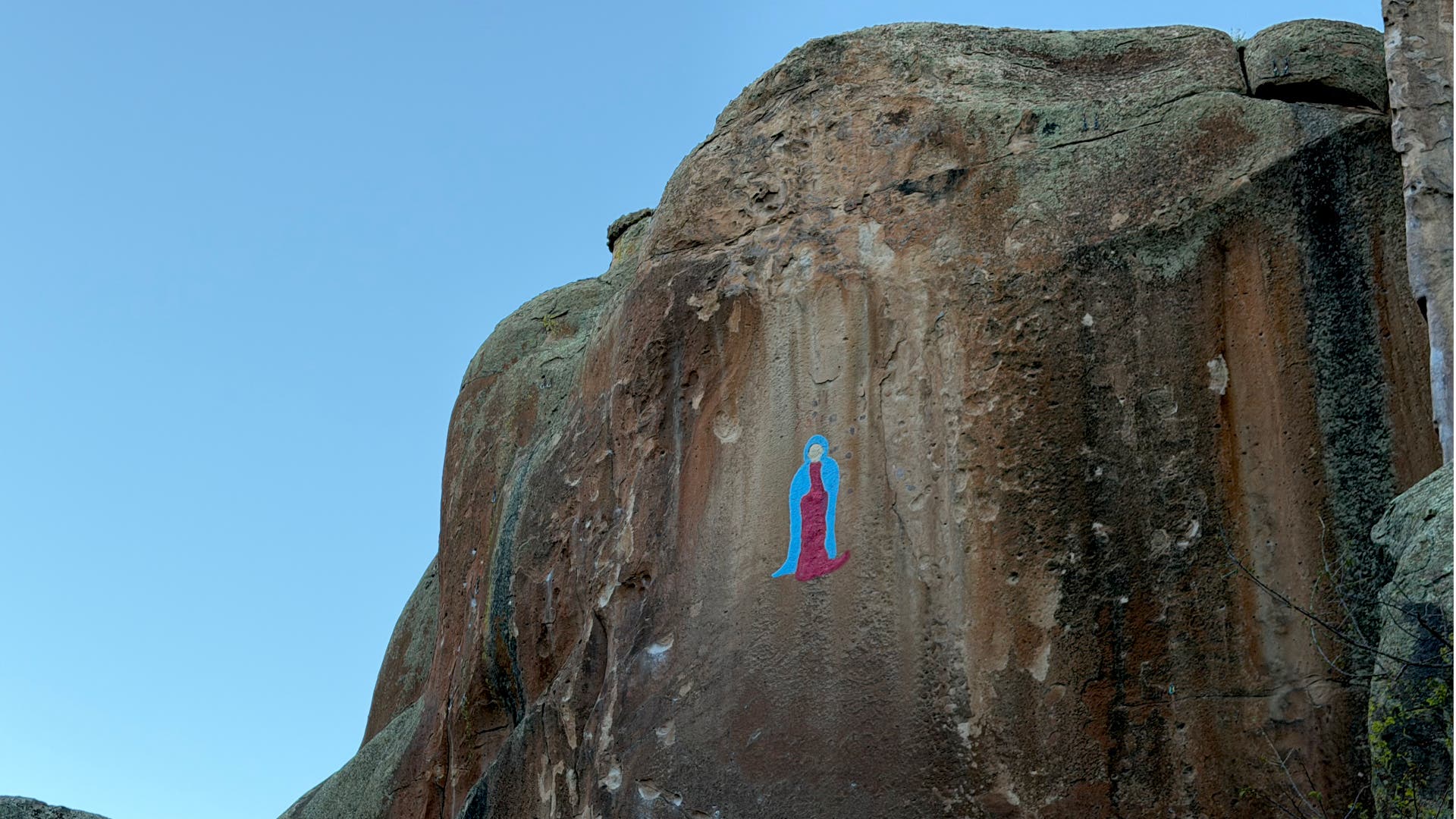
The canyon derives its modern name from Los Penitentes (The Penitents), a secretive Catholic lay organization that flourished in the region from the late 19th century into the early decades of the 20th century. Practicing a severe, ascetic form of religious devotion akin to historical European monastic orders like the Capuchins, members performed clandestine ritual acts. These included self-flagellation—whipping themselves during prayer—and intensely dramatic reenactments of the crucifixion of Christ utilizing real actors and heavy wooden crosses. Over decades, the canyon became inextricably linked with the order. Though the group eventually receded into history, a conspicuous, brightly maintained painting of the Virgin Mother high on a rock wall remains as a silent sentinel to their presence, continuing to draw Catholic pilgrims today.
The Modern Climbing and Recreation Boom (1980s–Present)
By the late 20th century, the canyon’s unique geological composition caught the attention of rock climbers. The pocketed, friction-heavy volcanic rock established Penitente Canyon as a premier destination for sport climbing. In the decades that followed, the BLM formalized trail networks, developed the canyon floor campground, and integrated the site into southern Colorado’s broader outdoor tourism economy, culminating in an annual cycle of climbing festivals, seasonal camping, and backcountry hiking.
Supporting Data
For travelers planning an excursion to Penitente Canyon and the broader San Luis Valley, a set of geographical, seasonal, and logistical parameters dictates the experience:
- Trail Distances and Linkages:
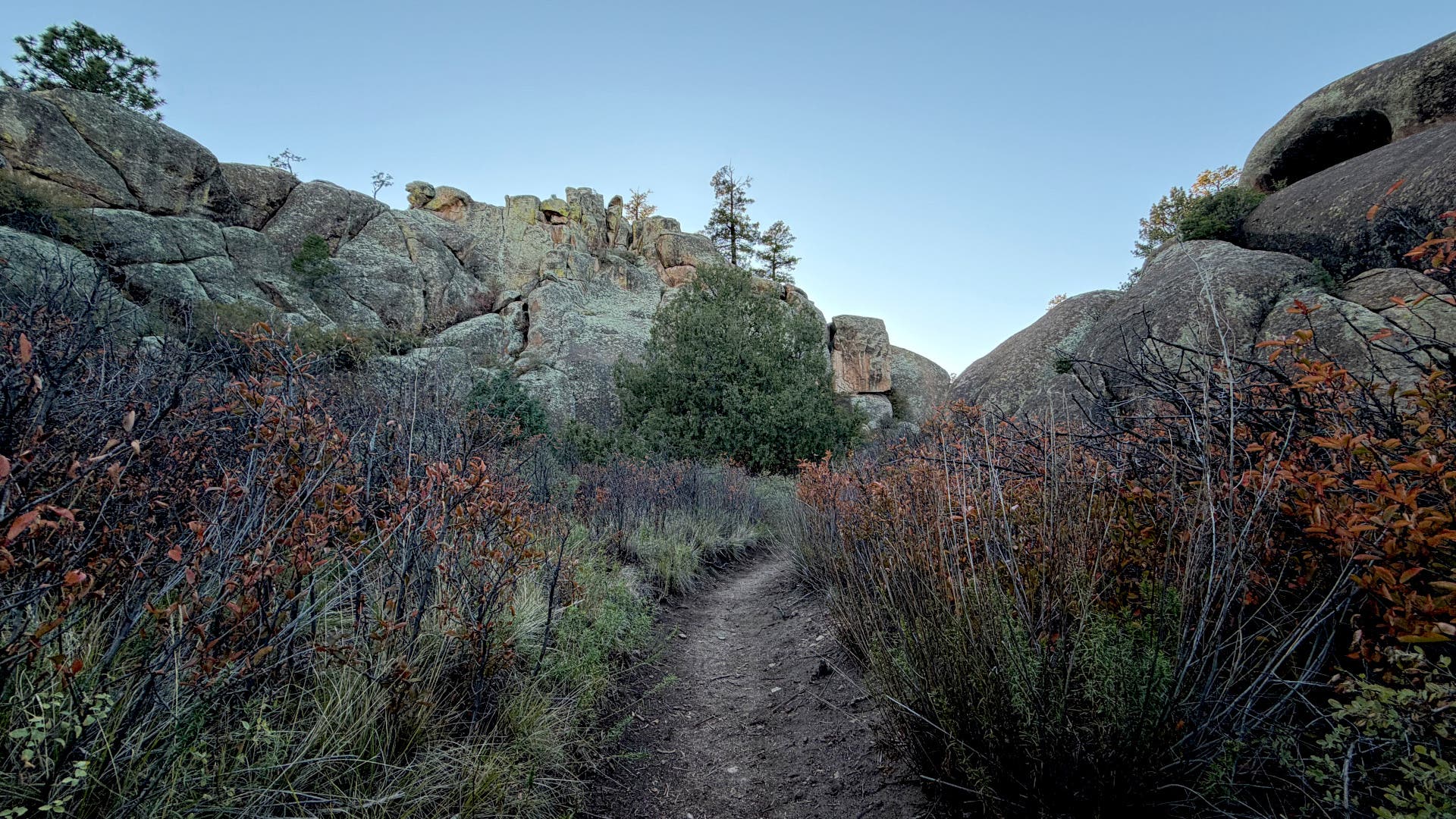
- Penitente Canyon Loop: 1.7 miles (primary valley floor route).
- Extended Loop (Penitente + Blue Sky + Sunshinekitty/Witch’s Canyon): Approximately 7.6 miles, incorporating southern and western ridgelines.
- Seasonal Weather Windows:
- Summers: Frequently experience extreme high temperatures, making midday activity grueling.
- Winters: Prone to frigid, sub-freezing temperatures and snow accumulations.
- Optimal Windows: Spring (April to May) and Fall (September to October). Late September through mid-October is noted for peak autumn foliage colors and atmospheric, overcast "spooky-season" conditions.
- Wildlife Dynamics:
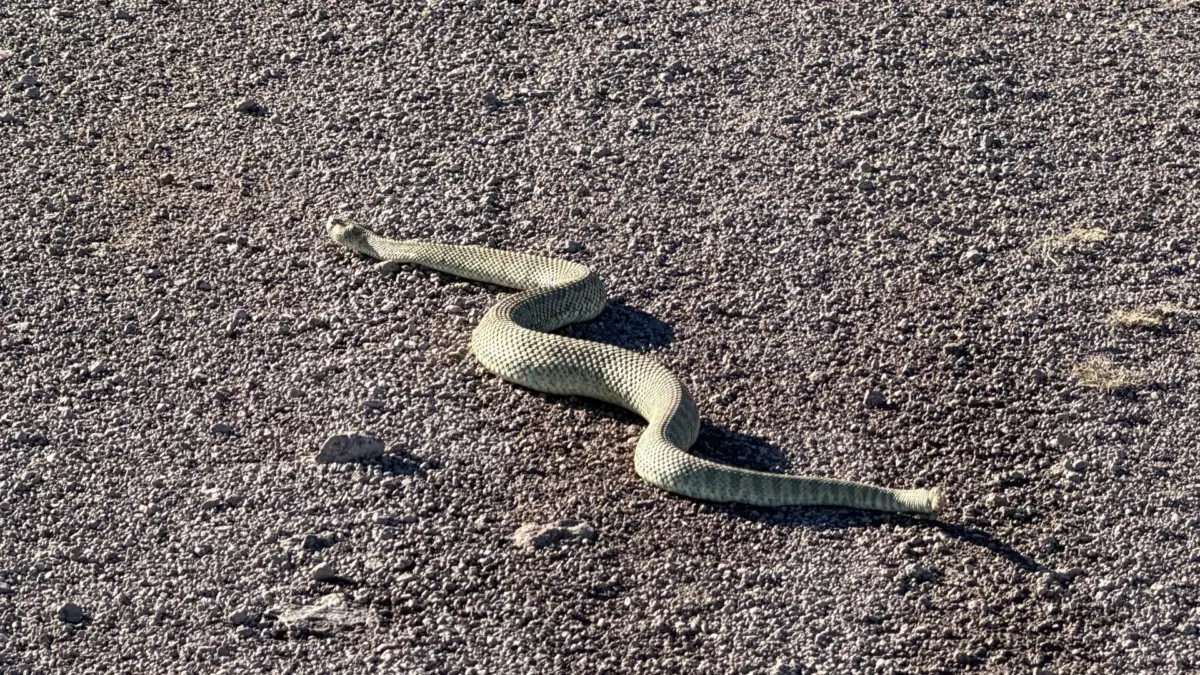
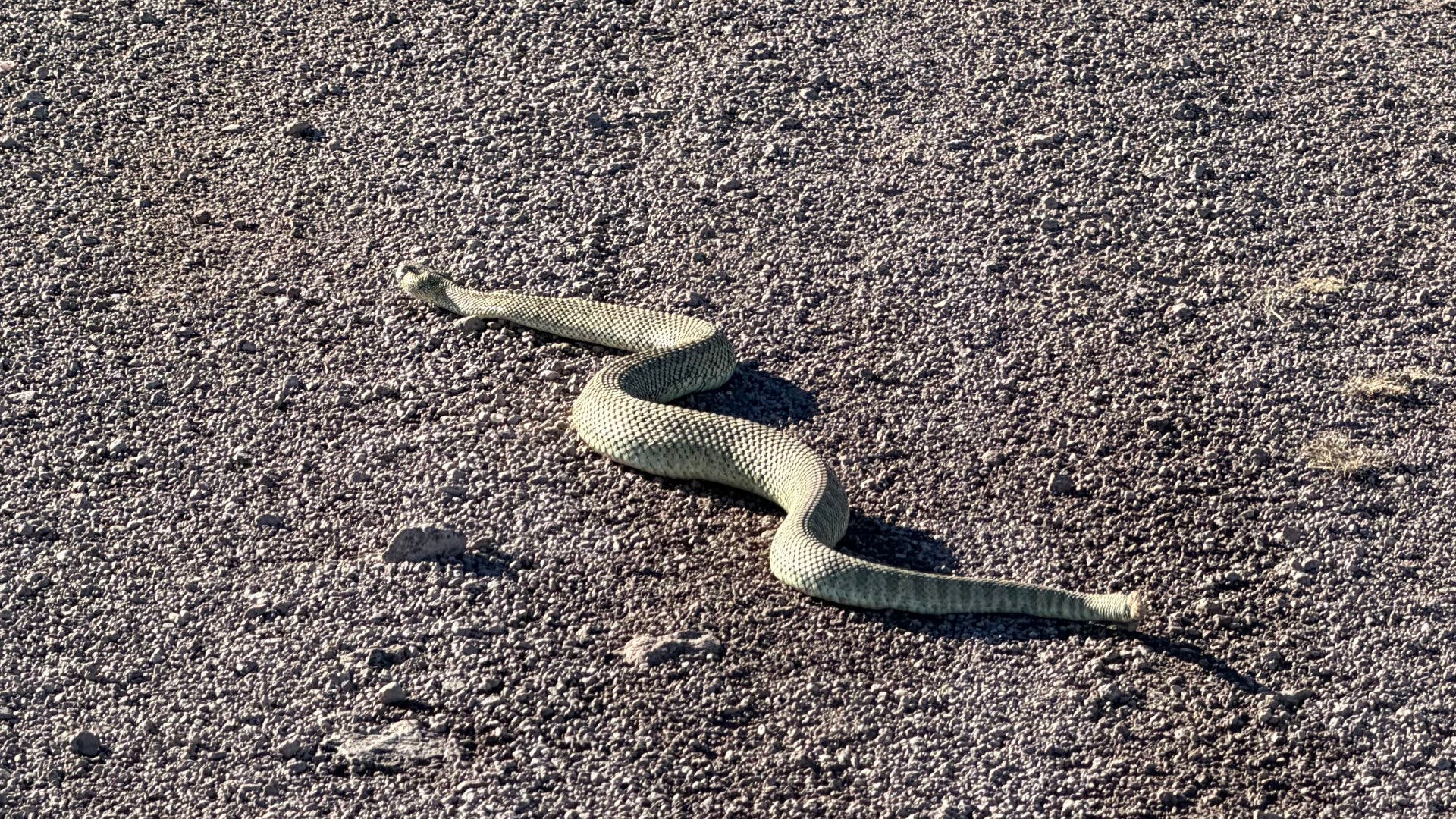
- The high desert is a prime habitat for prairie rattlesnakes (Crotalus viridis). Data from field observations indicate that snakes are particularly active during early October, frequently utilizing paved or dirt BLM roads for thermoregulation during late afternoon temperature drops.
- Geographical Proximity:
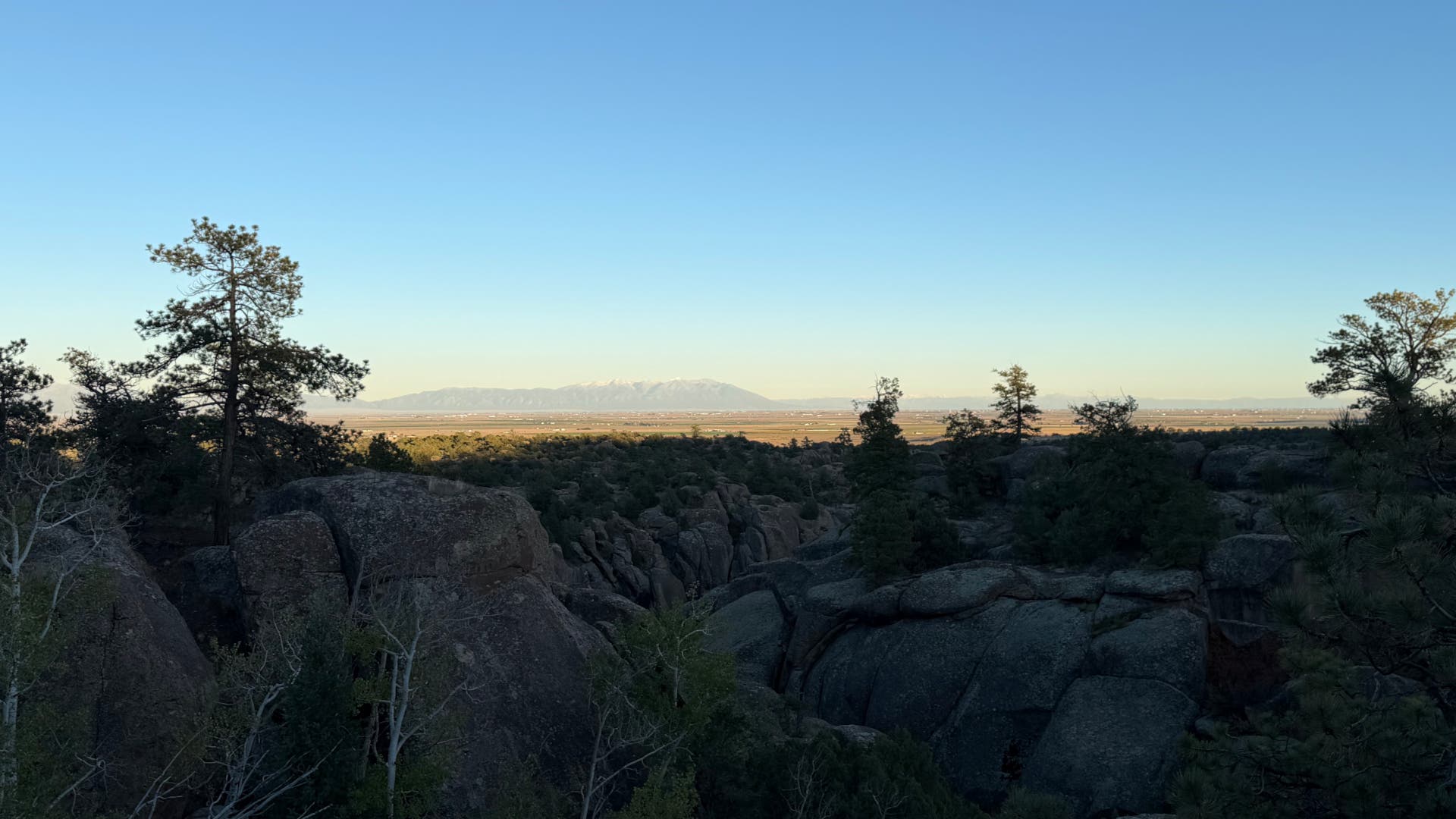
- Penitente Canyon is situated directly opposite the Great Sand Dunes National Park and Preserve across the valley floor, allowing visitors to pair high-desert canyon hiking with alpine dune exploration within a single weekend itinerary.
Official Responses and Management Perspectives
Managing a site with delicate prehistoric petroglyphs, sensitive ecological zones, and heavy recreational traffic requires active oversight from federal land agencies.
The Bureau of Land Management (BLM), which oversees the Penitente Canyon Recreation Area, emphasizes a balance between public access and resource preservation. In official communications regarding the San Luis Valley’s recreation corridors, BLM rangers stress the importance of "Leave No Trace" principles, particularly given the vulnerability of ancient rock art to human interference and vandalism.
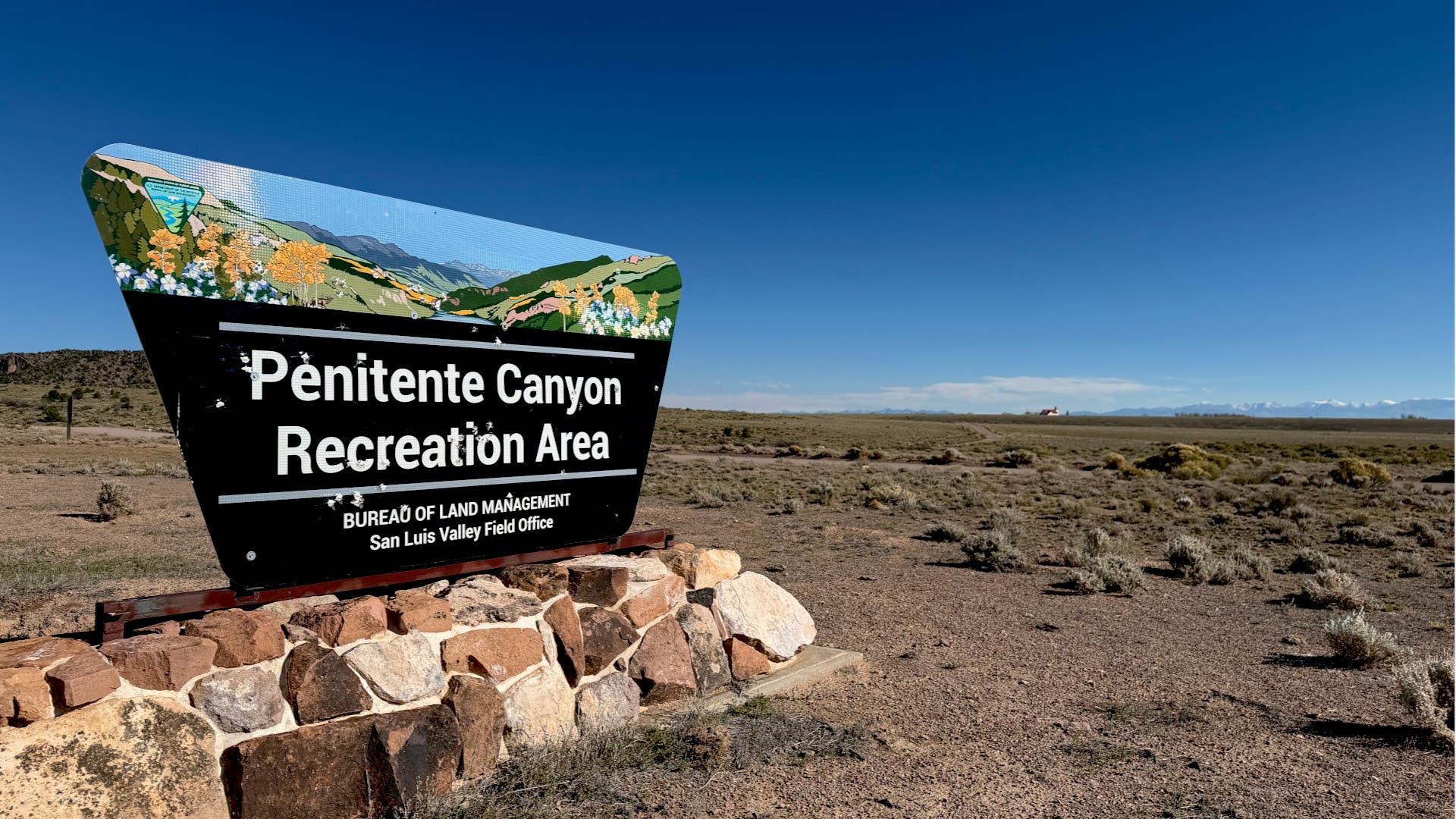
Furthermore, local search and rescue (SAR) authorities and trail management organizations frequently issue advisories regarding the labyrinthine nature of the canyon’s trail networks. Because the canyon intersects with numerous unofficial social trails, historic mining tracks, and mountain biking routes, officials report periodic incidents of disoriented visitors. Official advisories consistently recommend that hikers utilize digital offline mapping applications (such as Gaia GPS or ONTOPO) or carry physical topographic maps, as trail junction signage within the broader recreation area is sparse or occasionally absent—a factor compounded by vandalism, such as the bullet-hole-riddled BLM welcome signs greeting visitors at the canyon’s approach.
Implications
The enduring appeal of Penitente Canyon points to a broader cultural fascination with spaces where natural beauty intersects with historical ambiguity.
As outdoor recreation trends increasingly favor destinations that offer psychological depth alongside physical exertion, places like the San Luis Valley occupy a unique niche. The valley is already regionally famous for a bewildering catalogue of phenomena—ranging from hippie hot springs and spiritual communes to persistent UFO sightings, historic cattle mutilations, and even alligator farms. Penitente Canyon anchors this bizarre cultural tapestry in tangible, earthbound history.
For the modern traveler, navigating a landscape scarred by the oxcart tracks of Spanish conquistadors, watched over by faded Indigenous petroglyphs, and haunted by the echoes of 19th-century self-flagellating monks provides an immersive journey out of the ordinary. Yet, this very allure carries implications for land management and visitor safety. As more tourists seek out "spooky-season" campsites and off-grid adventures, managing the friction between surging recreational use, fragile cultural artifacts, and dangerous native wildlife—such as sunbathing prairie rattlesnakes—remains an ongoing challenge for the rural communities and federal agencies charged with protecting Colorado’s most eccentric frontier.
