

Published August 19, 2026
For most outdoor enthusiasts, the final miles of a grueling backpacking trip are characterized by a delicate psychological tug-of-war. On one hand, there is a deep, abiding appreciation for the wilderness, the quiet solitude of the alpine, and the rhythmic crunch of gravel underfoot. On the other hand, there is an unyielding, primal focus on a singular, metallic object waiting through the trees: the car.
That fleeting glint of sunlight off a windshield serves as a beacon of modern civilization, carrying with it the seductive promises of climate control, cushioned suspension, a scalding hot shower, and an unapologetically greasy meal.
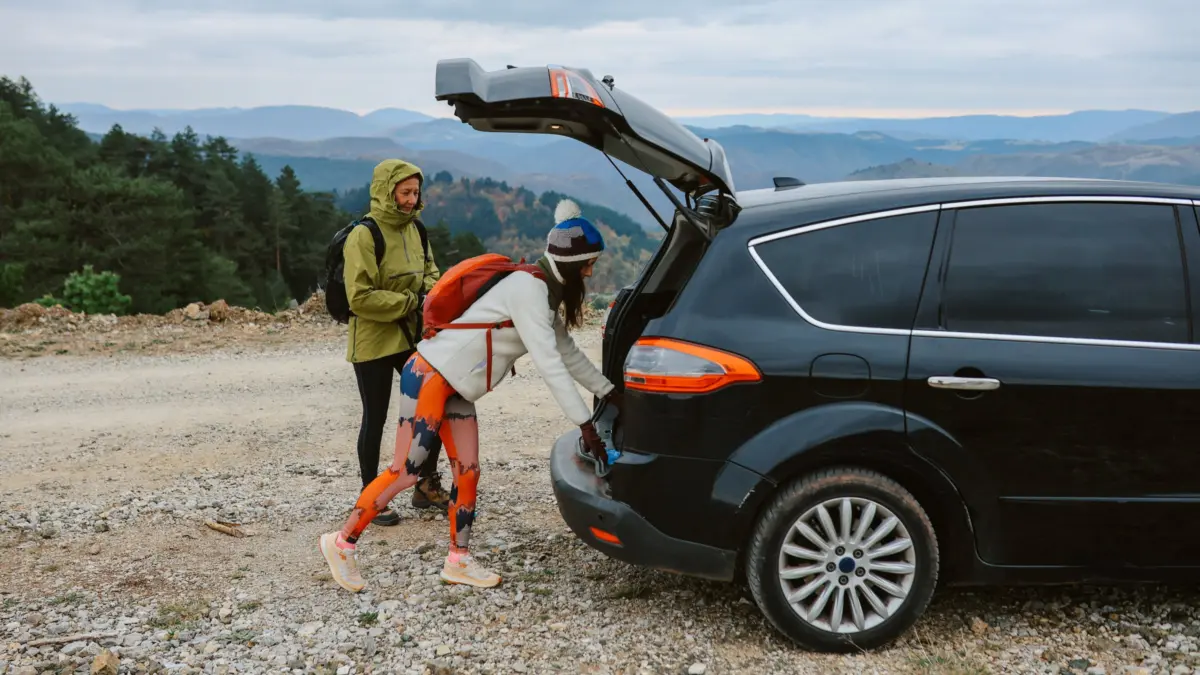
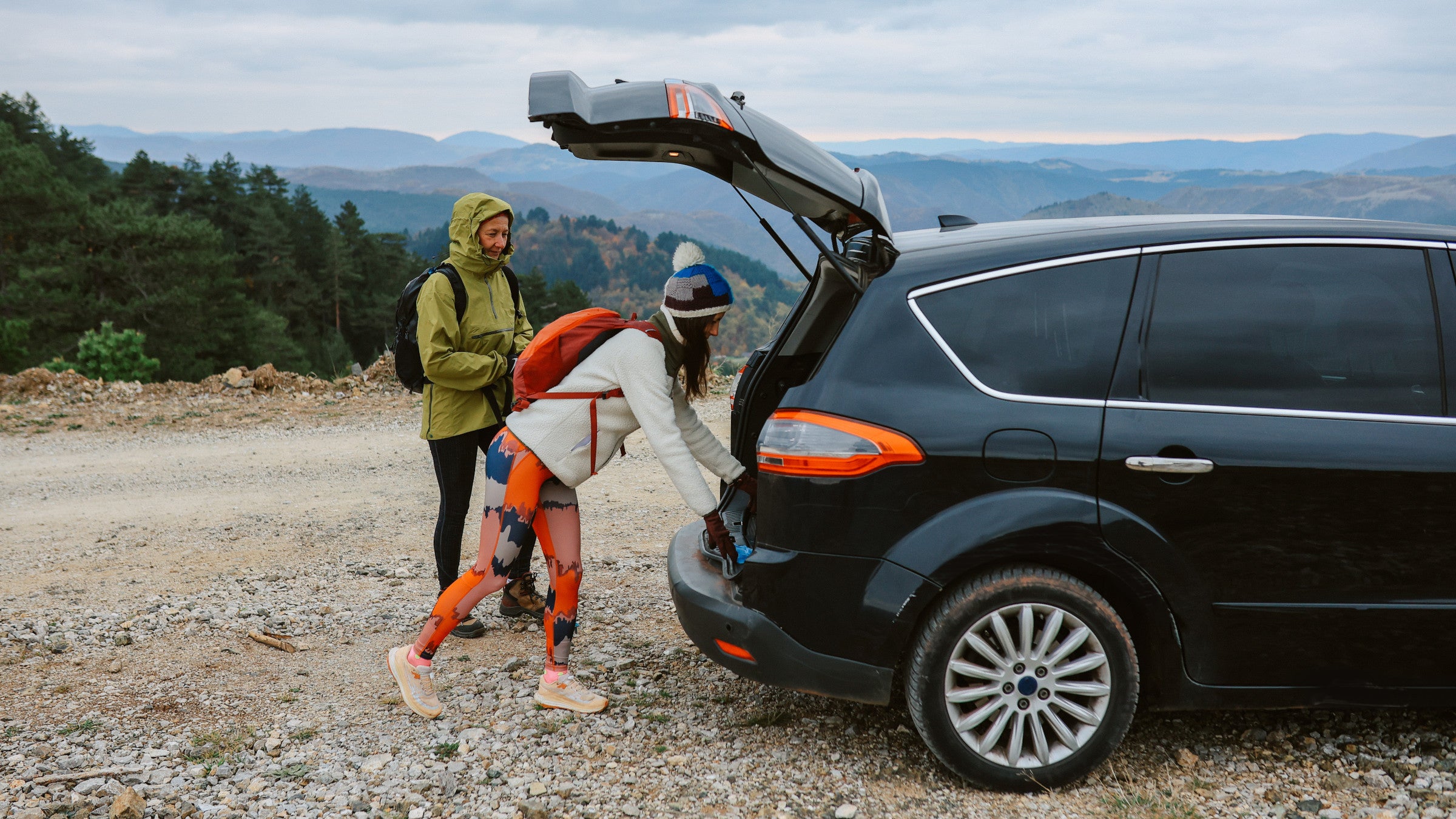
However, seasoned hikers eventually learn a vital secret of backcountry travel: true post-trail comfort does not have to wait until you return home. Experienced backpackers know that the journey’s transition phase—the moment you finally drop your pack at the trailhead—deserves just as much logistical planning as the trek itself.
While traditional packing lists focus obsessively on ultralight tents, dehydrated meals, water filtration systems, and topographical maps, they frequently overlook the postscript of any successful outdoor adventure: the car bag. Developing a dedicated, well-stocked kit designed specifically for the moment your hike concludes can transform a miserable, stiff-limbed drive home into a small, celebratory extension of the trip itself.
Main Facts: The Anatomy of the Trailhead Recovery Kit
The concept of a "car bag" is simple yet revolutionary for many novice hikers. It bridges the gap between raw backcountry survival and comfortable modern life. When you finish a multi-day trek or an intense day hike, your body is depleted. Your feet are swollen, your muscles are fatigued, your skin is caked in a mixture of sunscreen, dust, and dried salt, and your nutritional needs shift dramatically.
A properly curated car bag is not merely a duffel bag of random items; it is a specialized recovery kit. The core components generally address five distinct human needs upon leaving the wilderness:
- Foot Liberation: Transitioning from rigid, sweat-soaked hiking boots to breathable, therapeutic footwear.
- Hydration Security: Having immediate access to bulk water without needing to unpack gear.
- Nutritional Pivot: Satisfying sudden cravings for heavy sodium and complex carbohydrates.
- Thermal and Sensory Refreshment: Cold beverages, fresh clothing, and a rudimentary way to wash away trail grime.
By systematically provisioning your trunk before you hit the trail, you eliminate the friction of transition, ensuring that the final chapter of your outdoor excursion is defined by relief rather than lingering discomfort.
Chronology: The Evolution of Post-Hike Logistics
To understand why the car bag has become a staple of modern outdoor culture, it helps to look at how outdoor recreation and gear management have evolved over the decades.
The Early Era of Roughing It
In the formative decades of recreational backpacking—spanning the mid-to-late 20th century—the prevailing ethos among mountaineers and thru-hikers was one of unyielding asceticism. The journey did not end until you reached your front door, and suffering through the drive home in stiff boots and dusty flannel was viewed almost as a rite of passage. Vehicles were viewed strictly as transportation, rarely as mobile basecamps equipped with creature comforts. Coolers were bulky, heavy, and packed only for stationary camp setups rather than post-hike recovery.
The Rise of Specialized Gear Integration
As the outdoor industry matured through the 1990s and 2000s, gear became hyper-specialized. The introduction of soft-sided, high-performance coolers (pioneered by brands like Yeti), advanced technical fabrics that resisted odor, and ergonomic recovery footwear shifted consumer mindsets. Outdoor enthusiasts began applying the same analytical rigor to their travel logistics as they did to their tent selections.
The Contemporary Standard
Today, the car bag is recognized across online communities, gear forums, and publications like Backpacker as an essential gear category. Hikers no longer view the transition from trail to tarmac as an abrupt cliff of experience. Instead, contemporary adventure planning integrates the "trailhead tailgates," recognizing that psychological and physical recovery begins the exact second the hip belt is unbuckled.
Supporting Data: What Goes Into the Ultimate Kit?
Building an effective car bag requires balancing weight, durability, and immediate gratification. Based on field tests and outdoor enthusiast consensus, the ultimate trailhead recovery kit relies on several proven categories of gear.
1. Therapeutic Footwear
Feet take the brunt of any backpacking excursion. Jammed into trail runners or heavy leather boots for hours or days on end, feet swell, trap moisture, and accumulate micro-blisters. Driving home in those same shoes is a compounding ergonomic error.
- The Go-To Choice: Many hikers swear by breathable, cushioned slip-ons. Crocs Classic Clogs have emerged as an unexpected industry favorite for this exact purpose. Their wide toe boxes allow swollen feet to expand, the proprietary Croslite™ foam provides immediate underfoot cushioning, and the ventilation ports prevent heat retention while allowing feet to air out.
2. Bulk Hydration Infrastructure
While hydration bladders and 1-liter bottles are standard on the trail, they are frequently depleted by the final descent. Running out of water during the final mile creates acute psychological stress.
- The Go-To Choice: Leaving a dedicated, high-capacity water source in the vehicle solves this problem entirely. The MSR Dromedary Bag (particularly in 4-liter or 10-liter capacities) is a staple for group and solo hikers alike. Constructed with rugged 1,000-denier exterior fabric, it resists punctures from other car gear, features a reliable three-in-one cap system, and ensures that a cool, refreshing gulp of water is never more than a few steps away.
3. The Nutritional Pivot: Salty and Crunchy
On the trail, the human body operates on quick-burning carbohydrates, simple sugars, and high-density fats. Gummy candies, energy gels, and chocolate bars dominate the daylight hours. However, the moment a hike ends, the body’s internal chemistry demands a different fuel profile. Sweating depletes electrolytes, triggering an intense craving for sodium and texture.
- The Go-To Choice: Heavy, crisp potato chips—such as Kettle Brand varieties—hit the biological target perfectly. They provide the immediate salt fix and crunch required to bridge the gap between the trailhead and the nearest burger joint or diner.
4. Advanced Temperature Control: Drinks Coolers
Few sensations rival sharing a genuinely cold beverage with hiking partners at the trailhead to debrief the journey, dissect navigational errors, and celebrate summits.
- The Go-To Choice: Soft-sided coolers, such as the Yeti Hopper series, offer the ideal blend of portability and ice-retention performance. Tossed into the trunk before departure, they keep carbonated seltzers, sodas, or craft beverages ice-cold for days, ensuring that a frosty reward remains viable even after a week-long backcountry expedition.
5. Fresh Produce and Perishables
While raw meat and dairy will spoil in a warm car, sturdy fruits thrive as post-adventure treats, provided they are protected from direct sunlight.
- The Go-To Choice: Clementines, crisp apples, and juicy stone fruits offer an immediate burst of natural hydration and vitamins. Storing them inside the drinks cooler extends their crispness, providing a refreshing, clean-tasting counterpoint to trail rations.
6. Apparel and Personal Hygiene
The psychological boost of stripping away salt-crusted garments cannot be overstated. Furthermore, societal norms dictate a baseline level of cleanliness before entering restaurants or convenience stores on the drive home.
- The Go-To Choice: A clean cotton T-shirt, fresh athletic shorts or comfortable sweatpants, and clean undergarments are non-negotiable trunk inventory. For multi-day trips where a shower is hours away, packing a specialized package of refreshing face and body wipes (such as Cetaphil Cleansing Wipes or specialized outdoor wet wipes) allows for a quick "trailhead sponge bath," wiping away grime, sunscreen buildup, and dried sweat.
Official Responses and Industry Perspectives
Outdoor gear manufacturers and wilderness guides increasingly acknowledge the importance of transition management. While marketing departments historically concentrated solely on what happens in the backcountry, consumer trends have forced a broader view of the outdoor recreation lifecycle.
Dr. Elena Vance, a kinesiologist specializing in endurance sports recovery, emphasizes the physiological importance of post-hike footwear and hydration changes.
"When an athlete finishes a long-distance hike, the musculature and fascia of the foot have been compressed and subjected to repetitive impact for hours," Dr. Vance explains. "Allowing the foot to splay naturally in a cushioned, ventilated environment immediately initiates the recovery phase. It reduces swelling, prevents secondary blistering caused by friction in damp socks, and psychologically signals to the nervous system that the acute stress period has ended."
Similarly, outdoor retail analysts note a steady upward trajectory in sales for accessories that serve dual purposes at the campsite and the trailhead. Soft coolers, camp shoes, and multi-liter water storage solutions are increasingly marketed not just as backcountry gear, but as complete ecosystem solutions for the modern adventurer.
Implications: Changing How We Define "The Trip"
The growing popularity of the curated car bag represents a subtle yet meaningful shift in outdoor culture. It challenges the romanticized, rugged notion that outdoor recreation must be an uninterrupted exercise in discomfort from start to finish.
By investing intentionality into the end of the trip, hikers protect themselves against the burnout that often accompanies physical exhaustion. A comfortable, well-hydrated, and properly fueled drive home reduces driver fatigue—a critical safety consideration when navigating winding mountain roads after a strenuous physical endeavor. Furthermore, it preserves the positive emotional valence of the experience, ensuring that memories of stunning vistas and peaceful campsites are not overshadowed by the miserable final hour spent shivering in damp clothes or wrestling with dehydration.
Ultimately, the car bag teaches us a valuable lesson about preparation: adventure is not limited to the wild spaces we explore. It encompasses the entire lifecycle of our outings, proving that a little foresight in the parking lot can make the journey back to reality feel just as rewarding as the path less traveled.
