

Published: August 20, 2026
Location: Summit County, Colorado & Seattle, Washington
Main Facts
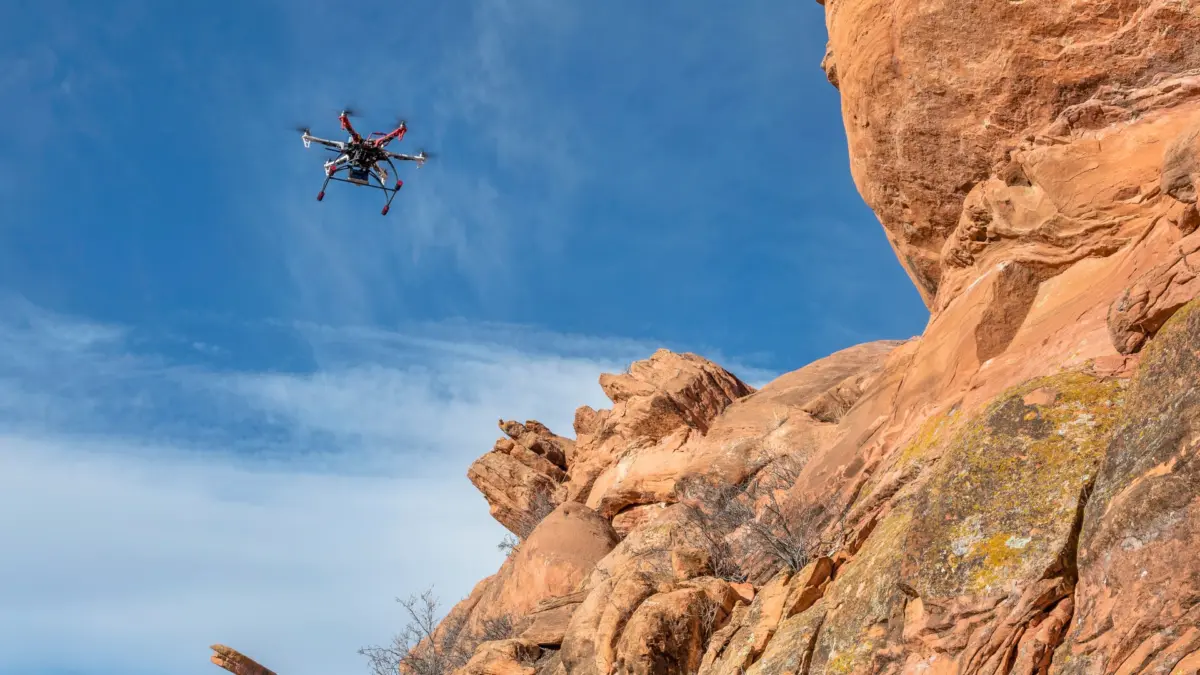
Backcountry search and rescue (SAR) is undergoing a quiet revolution. Once defined solely by heavy cotton packs, analog compasses, and the sheer physical endurance of volunteers, modern rescue operations are increasingly turning to advanced technology. Across the United States, elite teams—such as the Summit County Rescue Group (SCRG) in Colorado and Seattle Mountain Rescue (SMR) in Washington—are deploying a suite of futuristic tools.
From artificial intelligence (AI) and thermal-imaging drones to motorized litter wheels and e-assist exoskeletons, these innovations are fundamentally altering how first responders locate lost hikers, navigate hazardous terrain, and execute extractions. Far from replacing human expertise, these technologies serve as force multipliers. They enable non-profit rescue organizations to operate faster, minimize risks in extreme environments, and, most importantly, increase survival rates in the backcountry.
Chronology: A High-Altitude Rescue on Loveland Pass
The practical application of these tools was vividly demonstrated above the treeline near Loveland Pass, Colorado.
The afternoon began with typical mountain volatility. A violent thunderstorm materialized with little warning, unleashing torrential rain, deafening thunder, and a barrage of lightning strikes that split the sky. The tempest trapped two hikers—a 20-year-old man and his 16-year-old brother—pinning them against a dangerously exposed mountainside. Stranded, disoriented, and terrified as the storm battered them, the brothers dialed 911.
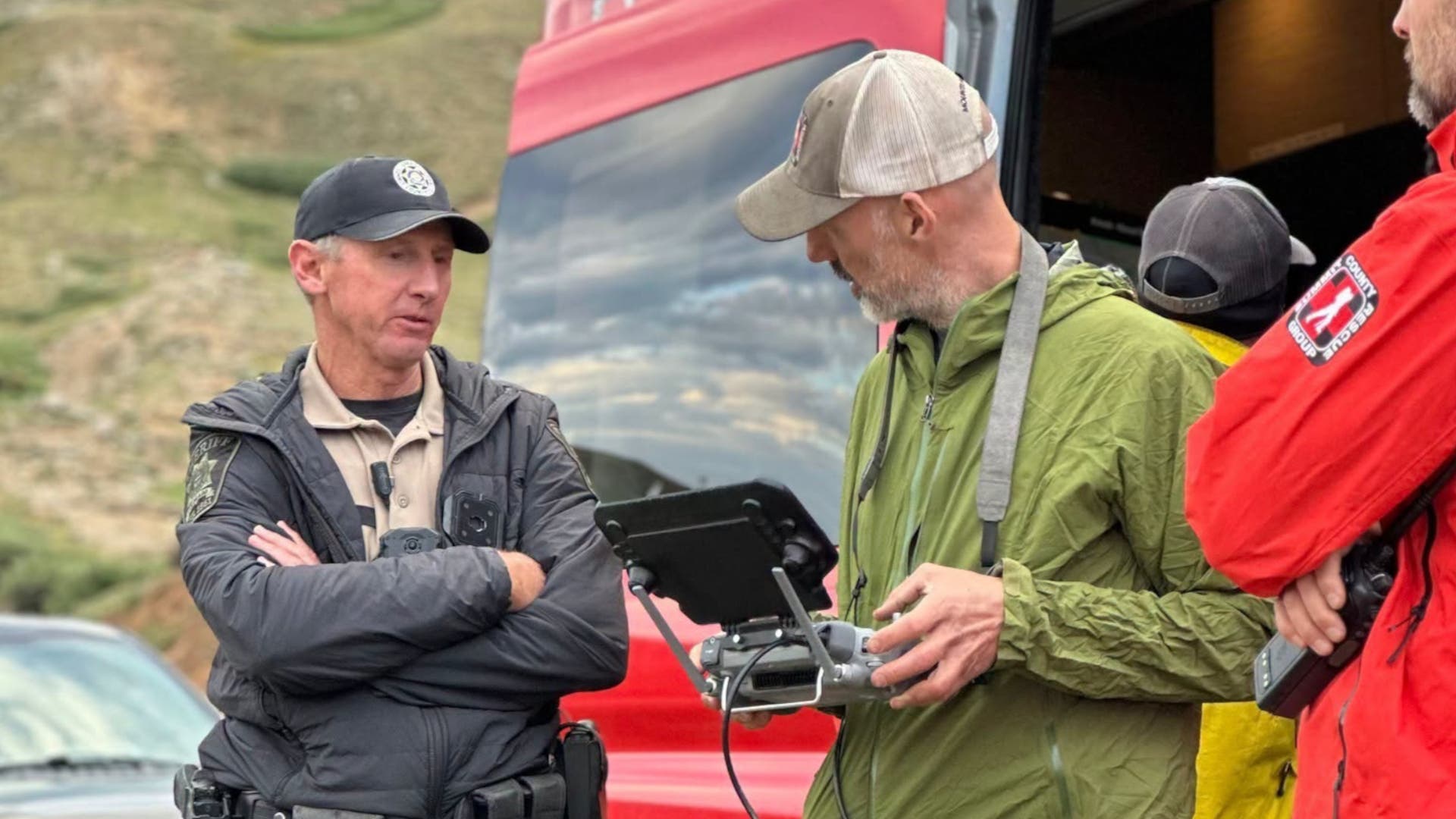
The emergency call triggered a multi-agency response. The Summit County Rescue Group immediately dispatched its newly formed drone team to the Loveland Pass trailhead, where they rendezvoused with Alpine Rescue, a secondary SAR team responding to the incident.
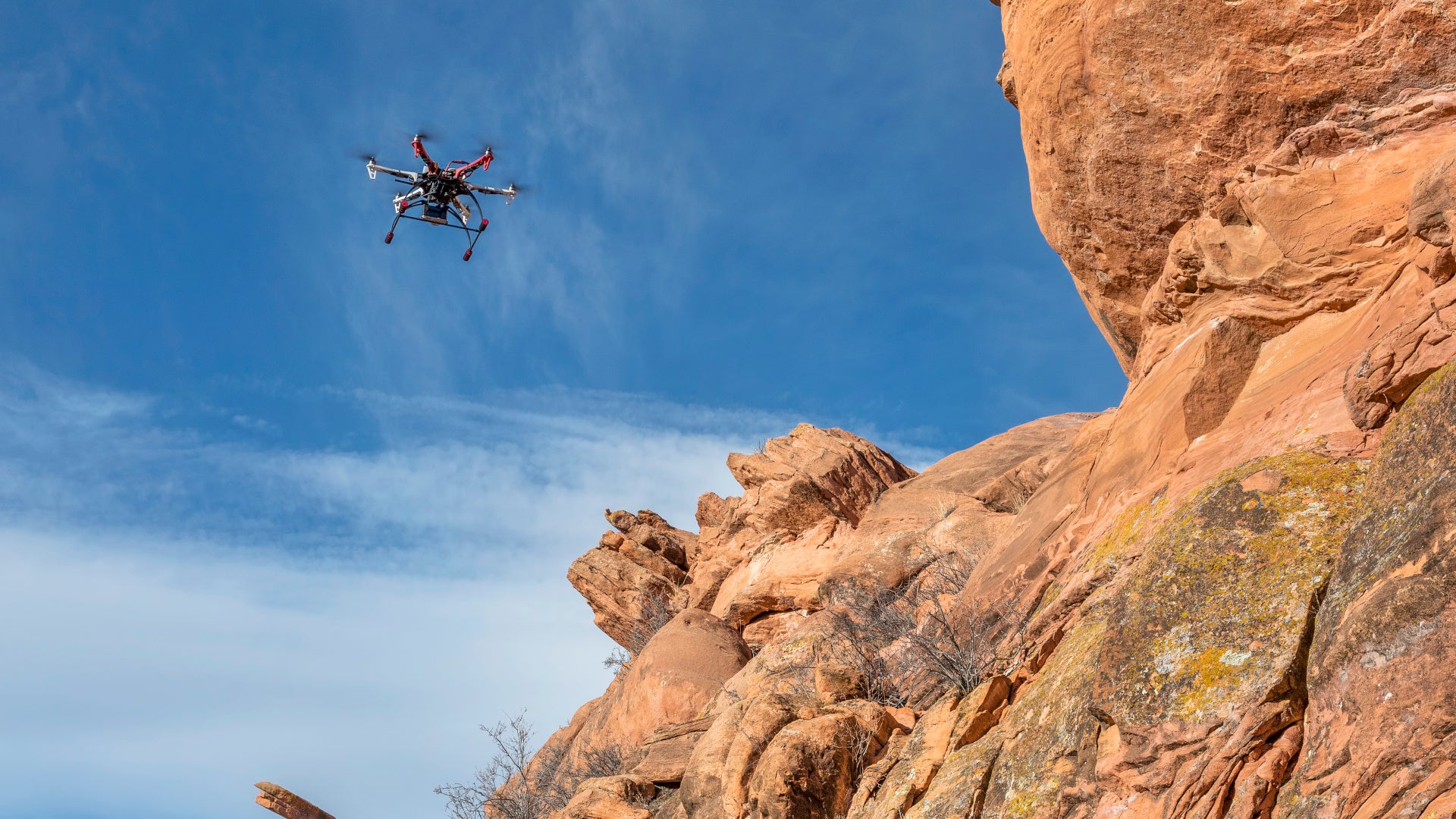
For a critical window, weather conditions grounded human searchers. However, as the lightning subsided, SCRG drone operator Nick Potochnick prepared for flight. Launching from the trailhead, he navigated the aircraft roughly 2.8 miles into the rugged backcountry to locate the stranded youths.
Using the drone’s onboard camera feed, the team spotted the teenagers, who appeared visibly disoriented. Potochnick flew the speaker-equipped drone directly to their position. Through a live microphone, a rescue partner calmly communicated with the brothers, issuing clear instructions to guide them back toward the trailhead. The teenagers acknowledged the directions and began moving.
Moments later, a family member of the boys arrived at the trailhead, having been alerted to the emergency. In a deeply human moment made possible by remote technology, Potochnick invited the relative to speak through the drone’s microphone.
"She spoke to them and gave them some encouraging words," Potochnick recalled. "The one teenage boy gave a symbol of a heart with his fingers, and she started crying. It was just one of those incidents that makes these accessories so worth it. It gave them the motivation to keep going."
Supporting Data and Emerging SAR Technology
The successful Loveland Pass operation highlights a broader trend: the rapid adoption of cutting-edge hardware and software across American search and rescue operations. While drone usage is expanding, organizations like Seattle Mountain Rescue—which launched its drone program over a decade ago—are pushing the boundaries of what remote robotics can achieve.
1. Advanced Aerial Drones
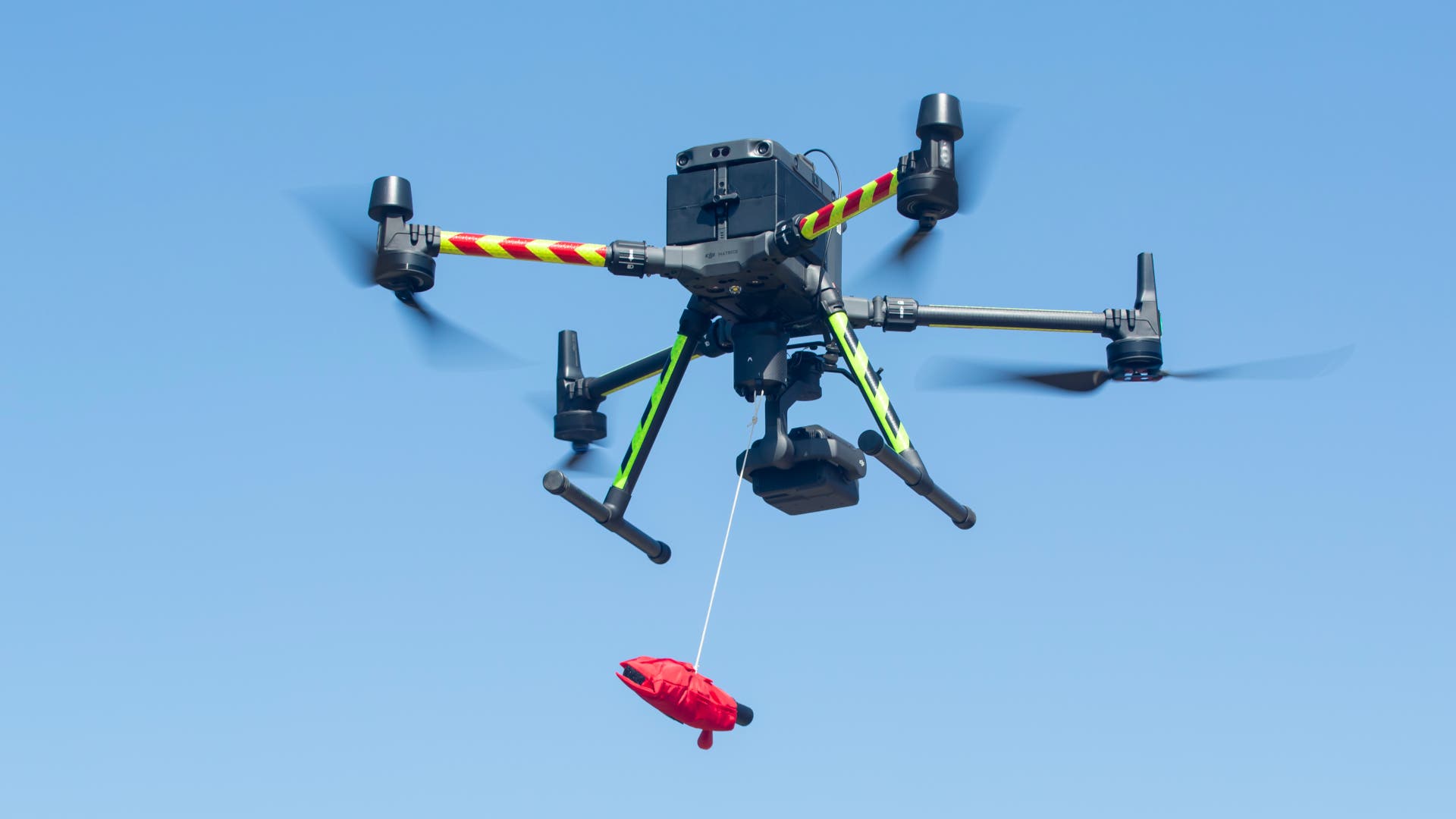
Drones have evolved far beyond simple reconnaissance cameras. Modern SAR drones are equipped with high-intensity spotlights, thermal-imaging cameras, and two-way speakers. Some advanced platforms can even drop critical payloads, such as extra jackets, radios, food, and water, directly to a subject’s location.
Wes Cooper, emerging technologies director for SMR, notes that future iterations with heavier payload capacities could soon fly full survival kits and heavy gear directly to a victim’s location, sparing human rescuers the physical toll of hauling the weight up a mountain. Drones are also routinely used for route reconnaissance, helping teams scout avalanche zones and safely guide ground crews in the dark.
2. Smart Software and AI Integration
Hardware is only as effective as the software guiding it. Both SCRG and SMR utilize advanced aerial imaging software such as Eagle Eyes. This program scans live drone feeds for minute anomalies on the ground that the human eye might easily miss.
"You could be flying a couple hundred feet in the sky, and it’ll pick up a little tiny piece of red candy wrapper on the ground," Potochnick explained. Once identified, the software integrates with shared mapping platforms like CalTopo, allowing teams to drop precise waypoints and update coordinates in real time.
Furthermore, SMR is currently developing an AI-driven mobile application. The app allows deployed rescuers to log into a mission and instantly receive AI-generated briefings on expected weather, terrain conditions, recommended gear, and estimated travel times. On the administrative side, AI is being leveraged for post-mission data analysis, automatically compiling years of operational history to highlight common mission profiles and identify specific skill sets rescue personnel need to hone.
3. E-Assist Exoskeletons
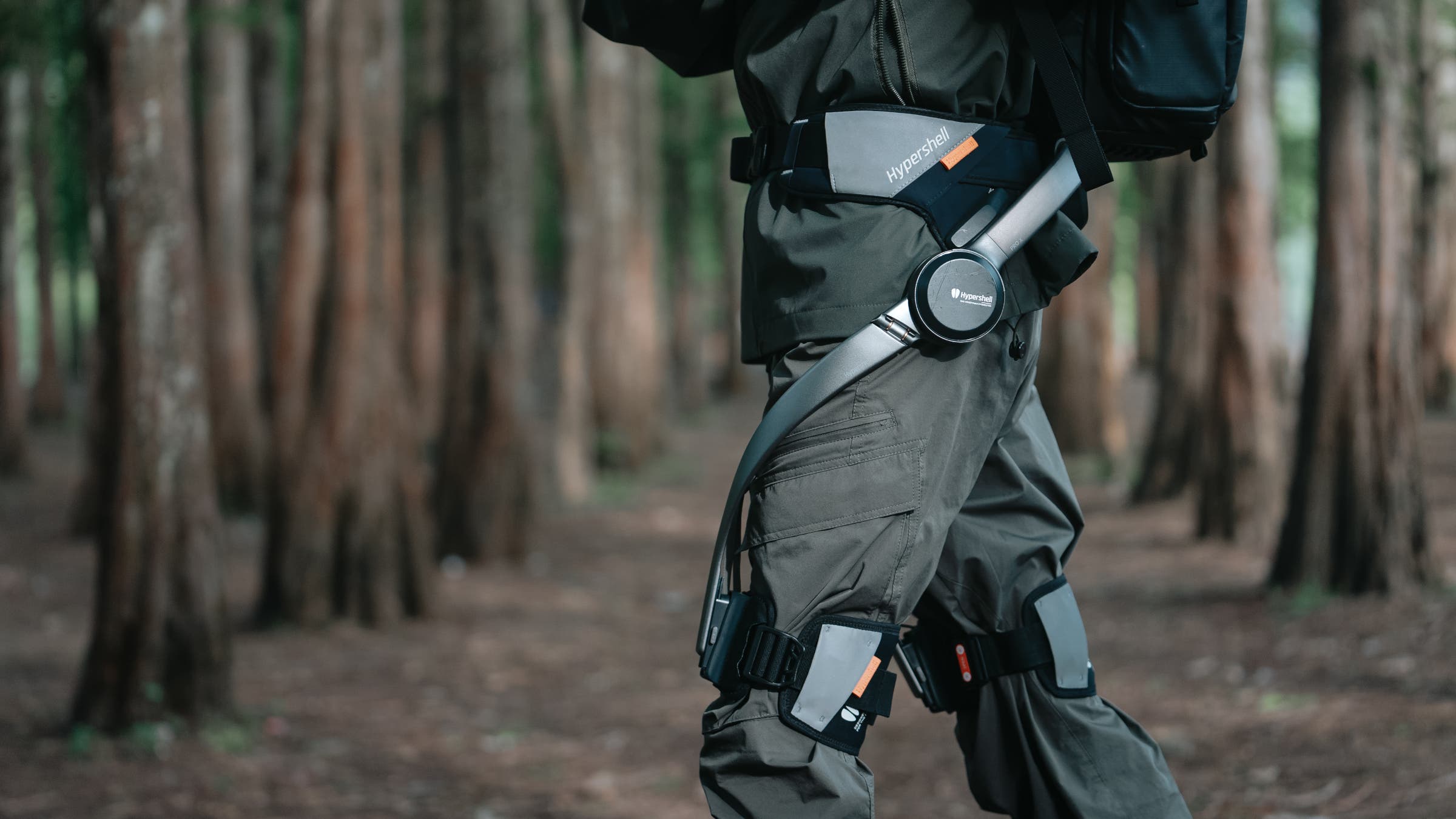
Physical fatigue is one of the greatest hazards facing SAR volunteers. To combat this, SMR has partnered with robotics manufacturer HyperShell to field-test AI-powered hiking exoskeletons. These electric leg braces reduce the physical strain of steep ascents, allowing rescuers to cover greater distances with less fatigue.
Cooper envisions a future where rescuers can hike into the backcountry using an exoskeleton to preserve their energy, then transfer the device to an exhausted or injured victim to assist them during the grueling descent.
4. Motorized Litter Wheels and E-Bikes
For over a century, the rescue litter has been the primary vehicle for hauling injured patients out of the wilderness. Today, traditional litters are often paired with a wheel to ease transport. Innovations from brands like Bimodal are taking this a step further by introducing electric motors to the litter wheel system, assisting rescuers as they push patients up steep inclines.
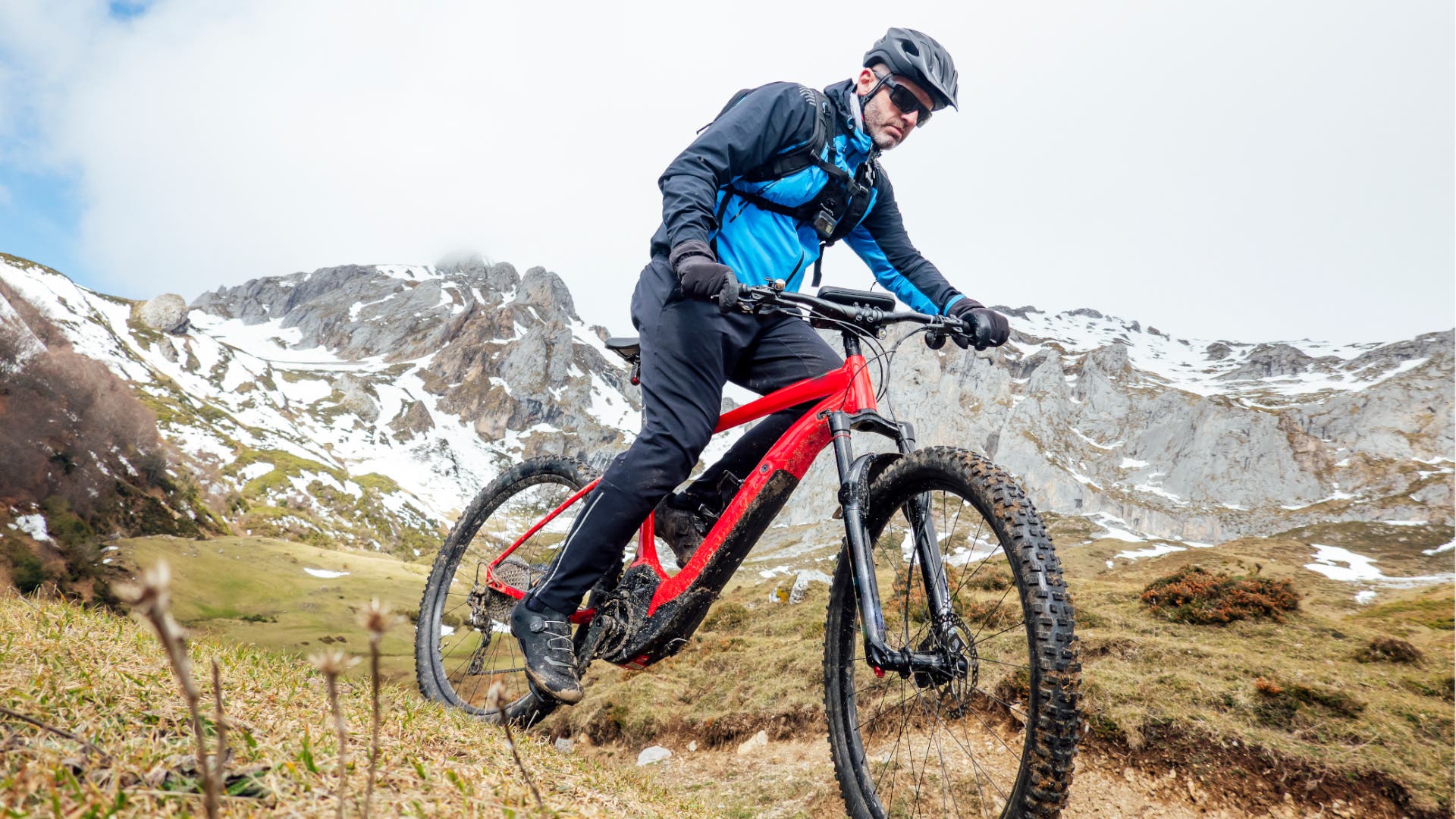
Simultaneously, e-bikes have become indispensable for urban searches and high-frequency backcountry trails around the Pacific Northwest, allowing teams to rapidly ferry drones, gear, and personnel past standard foot traffic thresholds.
Official Responses and Strategic Partnerships
Despite the high-tech appearance of these operations, funding remains a persistent challenge. Most search and rescue organizations in the United States operate as non-profits funded almost entirely by public donations, meaning they cannot afford to purchase expensive commercial technology outright.
To bridge this gap, leaders like Wes Cooper have cultivated strategic alliances with tech companies and outdoor brands. By serving as field-testers for companies like HyperShell, SMR receives hardware grants and heavy discounts in exchange for actionable product feedback.
"I actually work to create strategic partnerships with these tech companies and local bike suppliers," Cooper explained. "In exchange for donations and discounts on hardware, we provide feedback to help make their products better and give them shout-outs on our socials. We still need donations and fundraising to help keep us operating year-over-year."
Implications: The Future of Backcountry Safety
The integration of robotics, artificial intelligence, and specialized hardware marks a philosophical shift in search and rescue. Rather than redefining the core mission of saving lives, these innovations serve to protect the rescuers themselves.
"Technology really helps us to accomplish our primary mission—which is, everybody comes home safely from the backcountry—in a faster, safer, and more efficient method or approach," Cooper emphasized. "But these technologies don’t replace our rescuers; they augment them and make them better."
In the high-stakes environment of mountain rescue, shaved minutes often mean the difference between life and death. As software refines search grids, drones deliver life-saving supplies, and motorized equipment lightens the physical burden on volunteers, the standard of care in the wilderness is reaching unprecedented heights.
"There’s a lot more on the horizon that is not yet ready for us, but I’m anxiously waiting for it to improve," Cooper concluded. "It’s a cool time to be in search and rescue."
