

Published: August 18, 2026
Author: Backpacker Ultralight Columnist
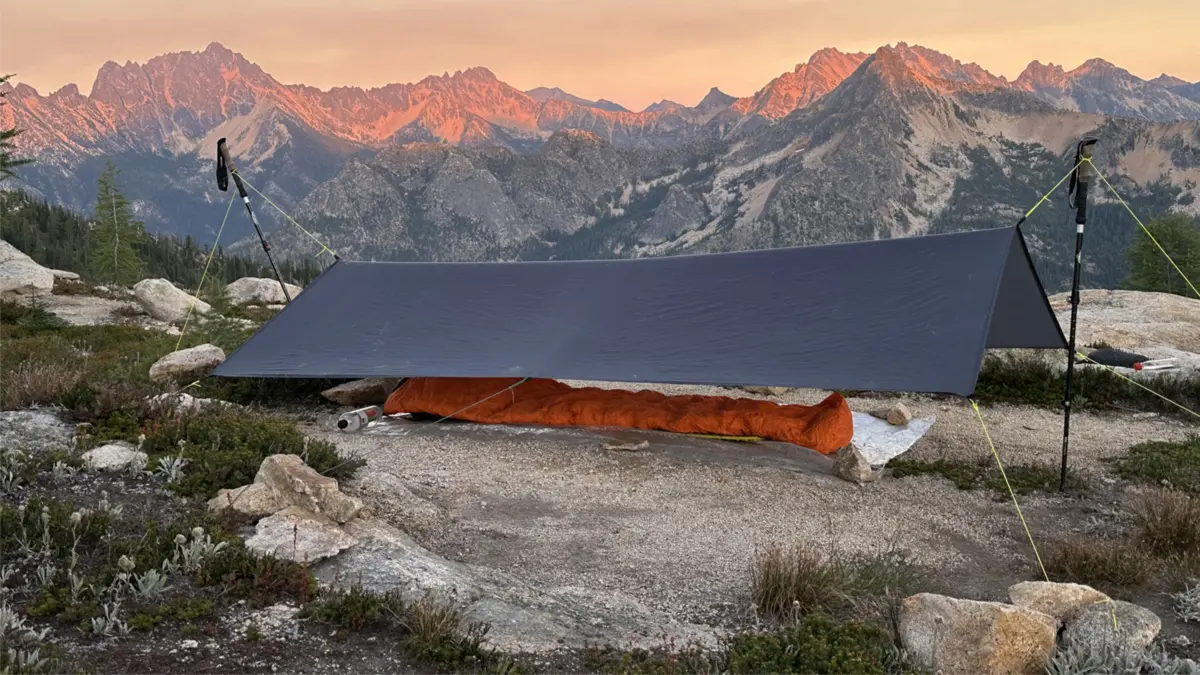
As an ultralight columnist, I have spent years tracking the evolution of backcountry gear, watching minimalist backpacking transition from a fringe subculture of DIY tinkerers into a dominant, highly commercialized mainstream movement. Today, mega-brands invest millions in marketing hyper-optimized, featherweight gear, and household names in the outdoor industry routinely debut products featuring space-age textiles like Dyneema and Ultraweave.
Yet, even as ultralight gear hits the big time, a distinct paradox has emerged. While the giants of the industry grab headlines and command premium, luxury-tier pricing, some of the absolute best gear—and certainly the best financial values—still originate from small, independent cottage brands that the average weekend backpacker has never heard of.
Operating out of residential workshops, small garages, and regional sewing rooms across the United States, these under-the-radar entities typically consist of solo owners or tight-knit teams. They rarely court outdoor media outlets, pass on massive marketing campaigns, and maintain tightly curated catalogs of specialized equipment. For the discerning backpacker willing to look past glossy web design and mainstream storefronts, these independent makers offer a masterclass in functional innovation. Here is an in-depth look at three enduring American cottage brands that continue to quietly redefine the boundaries of lightweight backpacking.
Main Facts: The Anatomy of the Modern Cottage Industry
To understand the enduring appeal of these hidden manufacturers, one must examine how the cottage industry functions relative to the broader outdoor market. Unlike publicly traded corporations or venture-backed outdoor conglomerates, cottage brands operate on lean inventory models, often sewing gear to order or in small, deliberate batches.
- Direct-to-Consumer Model: By eliminating traditional retail middlemen and wholesale distribution markups, these brands pass significant savings directly to the consumer.
- Specialized Material Utilization: Far from lagging behind the times, independent makers are frequently the first to experiment with high-performance, cutting-edge textiles—such as Ultraweave, silpoly, and UltraTNT—before mainstream brands figure out how to scale them.
- Geographic Independence: Rather than outsourcing production overseas to massive factories, these shops maintain American-based manufacturing operations, preserving localized craftsmanship and stringent quality control.
Despite the commercial success of mass-market ultralight gear, these three specific operations—Etowah Outfitters, Borah Gear, and Jacks R Better—remain the industry’s best-kept secrets.
Chronology: A History of Craftsmanship and Adaptation
The longevity of these brands speaks volumes about their resilience. While many modern startups flame out within a few seasons, the under-the-radar sector is anchored by veterans who have weathered decades of shifting gear trends.
The 1990s: The Genesis of Modern Cottage Gear
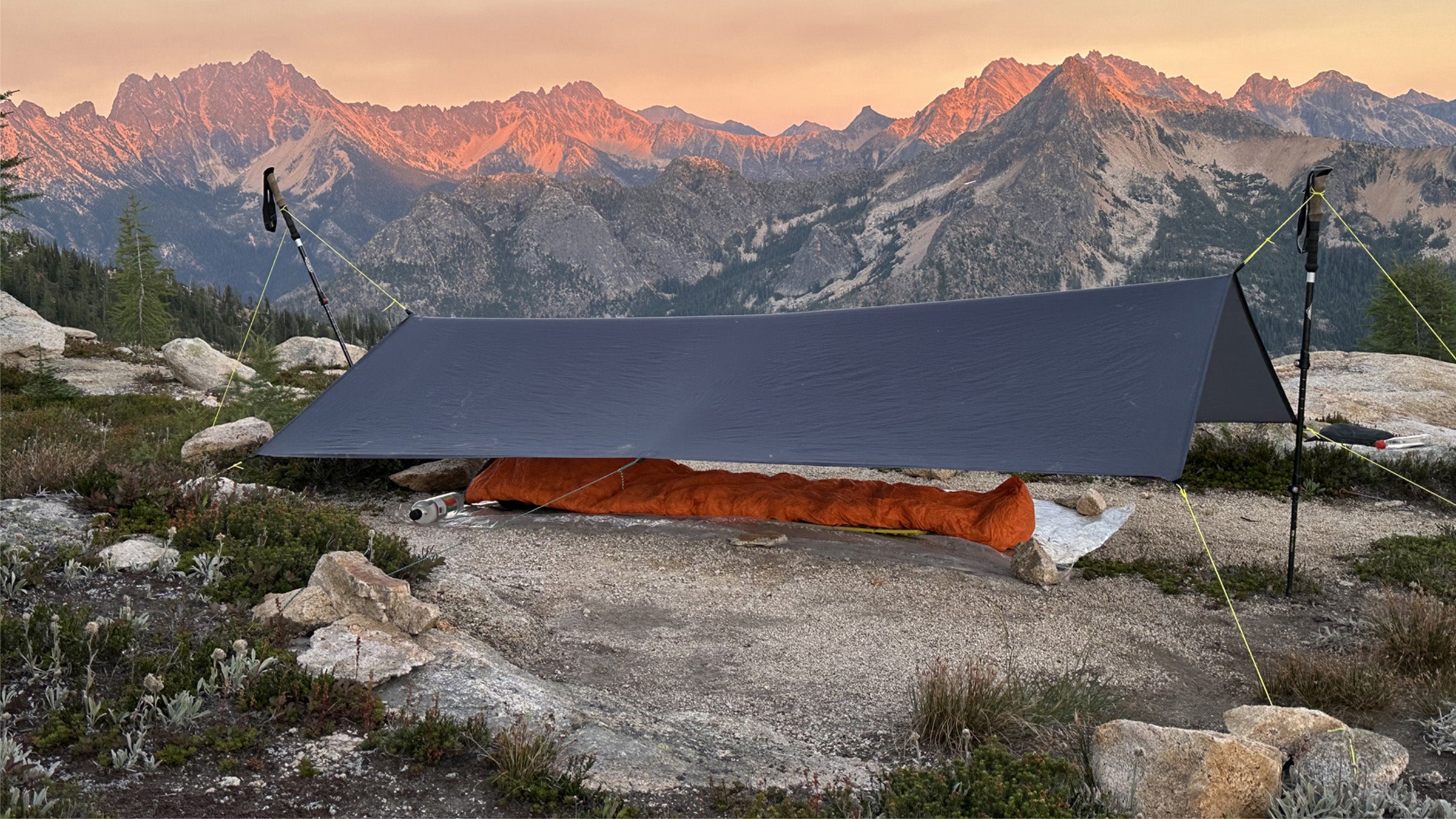
Long before "ultralight" was a widely recognized buzzword, pioneers like Paul Fitzner of Etowah Outfitters recognized a glaring gap in the market. Backpackers looking to shave ounces were forced to modify heavy commercial gear or sew their own equipment from scratch. Fitzner established Etowah Outfitters in the early 1990s, focusing on the fundamentals: simple, highly functional, budget-friendly tarps and pack covers crafted from coated nylon and silnylon.
The 2000s: The Hammock Revolution and Shelter Specialization
As the ultralight movement gathered momentum through online forums and thru-hiking culture, new specialists emerged to solve specific backcountry problems.
- In 2003, founders Jack Tier and Jack Myers revolutionized suspended camping by designing the original hammock underquilt—affectionately dubbed "the Nest"—under their newly minted banner, Jacks R Better.
- Concurrently, western makers like Borah Gear began carving out a niche in minimalist above-treeline and forest shelters, perfecting the art of the solo tarp-and-bivy system.
The 2010s to Present: Material Innovation and Transition
The past decade brought profound changes to the cottage landscape. Advanced fabrics entered the market, forcing legacy brands to adapt or fade away. Etowah Outfitters integrated ultra-durable Ultraweave and UltraTNT into its catalog. Jacks R Better transitioned leadership in 2018, passing the torch while maintaining its strict commitment to domestic manufacturing and specialized hammock ergonomics. Today, these brands represent a bridge between old-school durability and modern material science.
Supporting Data: Examining the Value Proposition
When evaluating ultralight gear, the metric of "cost per ounce saved" is often brutal. Mainstream brands frequently charge upwards of $500 to $700 for high-end technical shelters and packs. The following breakdowns highlight how Etowah Outfitters, Borah Gear, and Jacks R Better challenge standard industry economics.
1. Etowah Outfitters: The High-Performance Budget King
Etowah is living proof that some of the greatest gear manufacturers possess the most unassuming websites. Owner Paul Fitzner balances a classic aesthetic with modern technical fabrics. Notably, Etowah is one of the vanishingly few producers offering shelters constructed from UltraTNT—a robust, heavier-duty alternative to Dyneema that excels as a true four-season shelter fabric.
Standout Offerings & Pricing:
- Rendezvous 45L Backpack ($280): Constructed from Ultra 100X, this minimalist pack offers supreme abrasion resistance and durability at a fraction of the cost of competing ultra-fabrics.
- Wolf 25L Daypack: $99
- Silnylon Pack Covers: Starting at $25
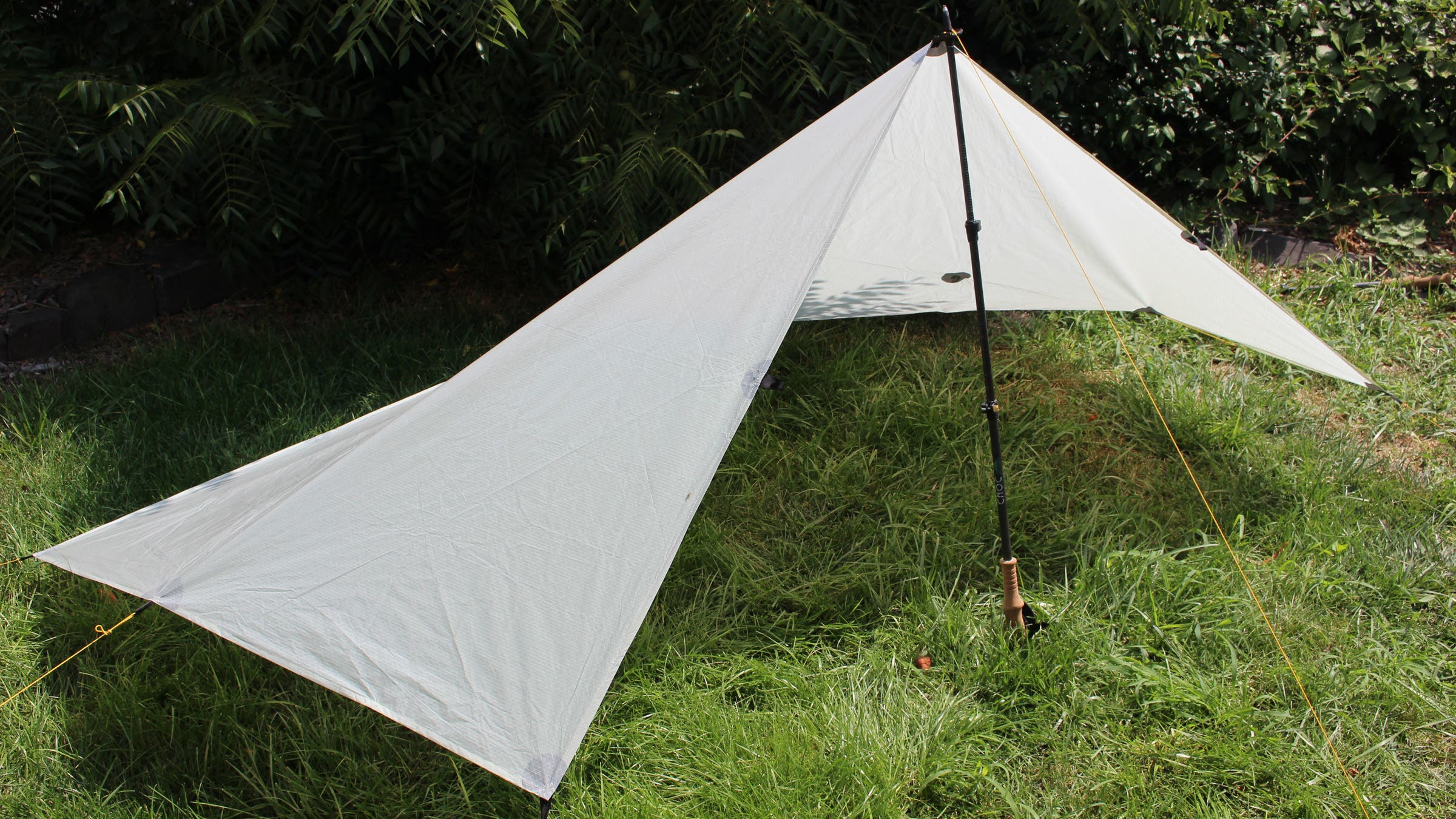
- Coated Nylon Ripstop Flat Tarps: Starting at $39
2. Borah Gear: Defying the Economics of DIY
For backpackers dedicated to shaving every possible fraction of an ounce, Borah Gear presents a compelling financial mystery. Experienced DIY gear makers who have run the math often express astonishment at Borah’s pricing structure—noting that buying raw materials independently would often cost more than purchasing a finished product from the Montana-based shop.
Standout Offerings & Pricing:
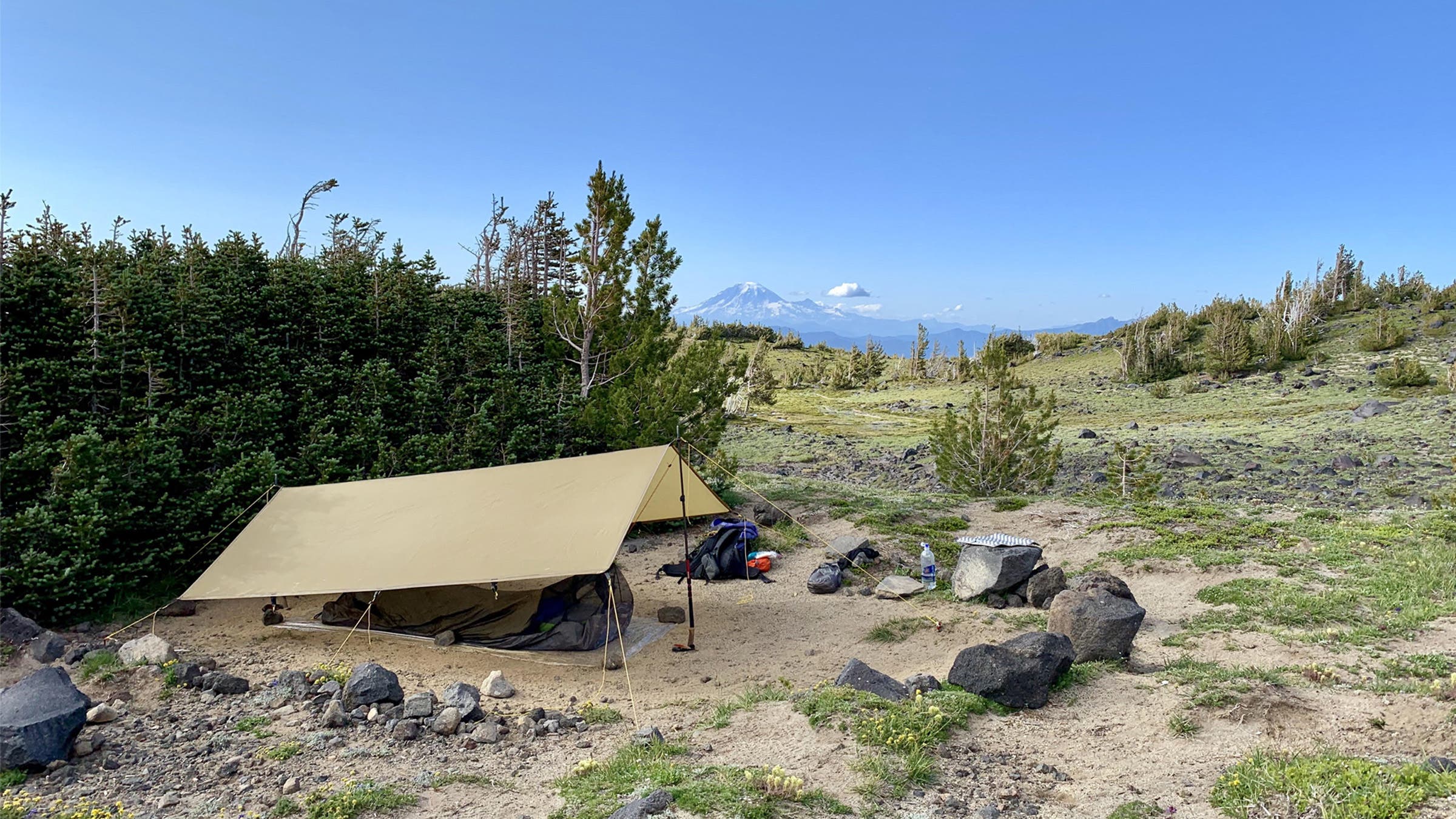
- Silpoly Solo Tarp ($68): A masterclass in minimalist design, providing weather protection for less than the cost of a tank of gas and a dinner out.
- Ultralight Bivy ($104): Pairs seamlessly with flat tarps to create a storm-worthy, bug-proof sleep system weighing mere ounces.
- Dyneema Bug Bivy ($173): Weighing as little as 3.8 ounces, it stands as one of the most accessible entries into high-end composite fiber gear.
- Dyneema Stuff Sacks: $6
3. Jacks R Better: Engineering the Ultimate Night’s Sleep
Pennsylvania-based Jacks R Better carved out its legacy by serving the niche community of ultralight hammock campers. Beyond standard quilts, the brand solved one of the most persistent discomforts in hammock camping: the restrictive "banana curve."
Standout Offerings & Pricing:
- James River Bridge Hammock ($250): Utilizing spreader bars at each end, this innovative nylon design flattens the sleeping plane, offering a flat, side-sleeper-friendly posture unique in the hammock world.
- Shenandoah 40°F Multifunction Summer Camping Quilt: $190
- Polartec Alpha Direct Quilt Liner: $115
Official Perspectives: The Philosophy of Small-Scale Manufacturing
While these brands rarely issue formal corporate press releases, their operational ethos speaks volumes about the philosophy driving independent American outdoor manufacturing.
Industry veterans emphasize that staying small is a deliberate choice rather than a limitation. By avoiding the overhead of massive marketing departments, sprawling distribution networks, and venture capital debt, these businesses maintain complete creative control over their product lines. They can pivot quickly to new textiles—such as implementing Polartec Alpha Direct or advanced non-woven laminates—without needing to secure approval from corporate boardrooms.
Furthermore, the focus remains squarely on the end user. When a customer orders a tarp from Borah Gear or a bridge hammock from Jacks R Better, they are purchasing a piece of equipment refined through decades of real-world feedback from long-distance hikers, mountaineers, and hardcore backpackers.
Implications: The Future of Ultralight Gear in a Commercialized Market
The survival and quiet prosperity of brands like Etowah Outfitters, Borah Gear, and Jacks R Better carry significant implications for the broader outdoor industry.
As mainstream brands continue to push prices higher—frequently marketing ultralight gear as a luxury status symbol—these cottage operations serve as an essential democratic check on the market. They prove that high-performance, durable, American-made equipment does not require a four-figure budget.
For the modern backpacker, the takeaway is clear: the most innovative gear isn’t always found under the brightest marketing spotlight. By looking beyond major retail algorithms and supporting independent craftspeople, hikers can secure some of the most reliable, cost-effective, and thoughtfully engineered equipment the outdoor industry has to offer.
