

Published September 28, 2026
Reporting by Ryleigh Norgrove | Additional reporting by Backpacker Staff
Executive Summary: The Current State of the Park
The Grand Canyon—a bucket-list destination for millions of outdoor enthusiasts worldwide—is reeling from a catastrophic late-summer natural disaster. A series of aggressive, deadly flash floods tore through Bright Angel Creek in late August and September 2026, obliterating critical water infrastructure, ravaging historic footbridges, and claiming the lives of two hikers.
While the National Park Service (NPS) has maintained that the Grand Canyon National Park remains technically "open," visitors arriving for the autumn hiking season are met with an entirely different landscape than the one advertised in brochures. Major corridors are closed, inner-canyon water systems are offline, and the park is operating under severe Stage 4 water restrictions.
For adventure-seekers planning a trip below the rim, the message from local guides, outfitters, and park officials is unified: You can still visit the Grand Canyon, but you must completely rewrite your playbook. This report details the chronology of the disaster, the current state of infrastructure, expert advice from local guiding companies, and the broader implications for visitors and residents alike.
Chronology of a Disaster: How the Floods Unfolded
The crisis began in earnest on August 29, 2026, when a ferocious monsoon storm unleashed a wall of water down Bright Angel Creek. The resulting flash flood was catastrophic in both its force and its aftermath.
- August 29, 2026: The initial flood surge tears through the canyon, tragically claiming the lives of two hikers caught off guard by the rapid rise in water levels. The rushing torrent sweeps away nearly every footbridge spanning Bright Angel Creek and inflicts a devastating blow to the park’s engineering history, wiping out 40 percent of the historic Transcanyon Waterline situated between Phantom Ranch and the North Rim. Critical water intake infrastructure is heavily damaged, instantly crippling the park’s primary water delivery system.
- Early September 2026: National Park Service maintenance crews and emergency engineers mobilize immediately, attempting to install temporary "band-aid" infrastructure to stabilize the system and restore basic water flow and foot transit across the hardest-hit zones.
- Mid-September 2026: Mother Nature deals a secondary blow. A subsequent flash flood tears through the canyon, completely destroying the makeshift repairs and temporary infrastructure crews had just erected. This second wave resets recovery efforts to square one, cementing the reality of a long-term closure for the park’s core arteries.
Supporting Data: Infrastructure Damage and Trail Status
The cumulative destruction left in the wake of the August and September floods has fundamentally altered access to the inner canyon. Navigating the park now requires a granular understanding of what is open, what is closed, and why.
Trail Closures and Accessibility
The NPS has enacted sweeping closures across the canyon’s most heavily trafficked routes.
- The North Kaibab Trail: Completely closed to all public traffic.
- Phantom Ranch and Bright Angel Campground: Closed indefinitely due to a lack of potable water and compromised safety infrastructure.
- Colorado River Crossings: Both footbridges crossing the Colorado River are currently closed.
- South Kaibab Trail: Closed below the Tip-Off point.
- Bright Angel Trail: Open strictly from the South Rim down to the River Resthouse, but no further.
The Water Crisis: Stage 4 Restrictions
Beyond trail closures, the most alarming metric of this disaster is the state of the park’s water supply. With 40 percent of the Transcanyon Waterline destroyed and primary intake valves compromised, the Grand Canyon is operating under Stage 4 water restrictions.
This emergency tier means that water use across the South Rim has been restricted to absolute survival and operational essentials. For hikers, this translates to a stark reality: there is zero potable water available in the inner canyon. Hikers can no longer rely on pipeline spigots, stream filtration systems (due to heavy silt and chemical runoff concerns), or emergency cache stations along the main corridor trails.
Official Responses and Expert Insights
To understand what these closures mean for autumn and winter travelers, Backpacker spoke directly with veteran Grand Canyon guides, outfitters, and park operators.
Rethinking the "Open" Status
Dave Logan, owner and managing director of Four Season Guides, stresses that travelers should not cancel their trips entirely, provided they adjust their expectations.
"If you’re planning to stay at the rim and enjoy day hikes, then absolutely yes—come and enjoy the park," Logan advises.
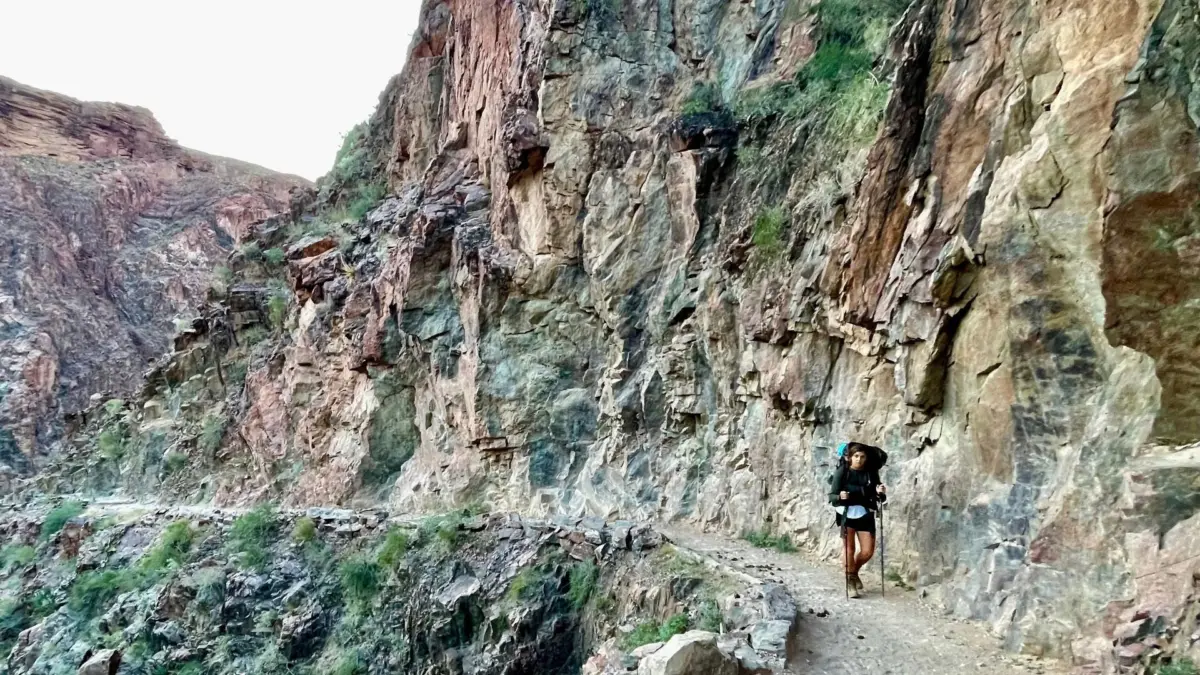
However, open trails do not equate to manicured pathways. Adam Henry, adventure director at Discovery Treks, points out that ongoing monsoon rains have compounded flood damage, resulting in widespread erosion, rockfall, and washouts across trails that escaped direct flood impacts.
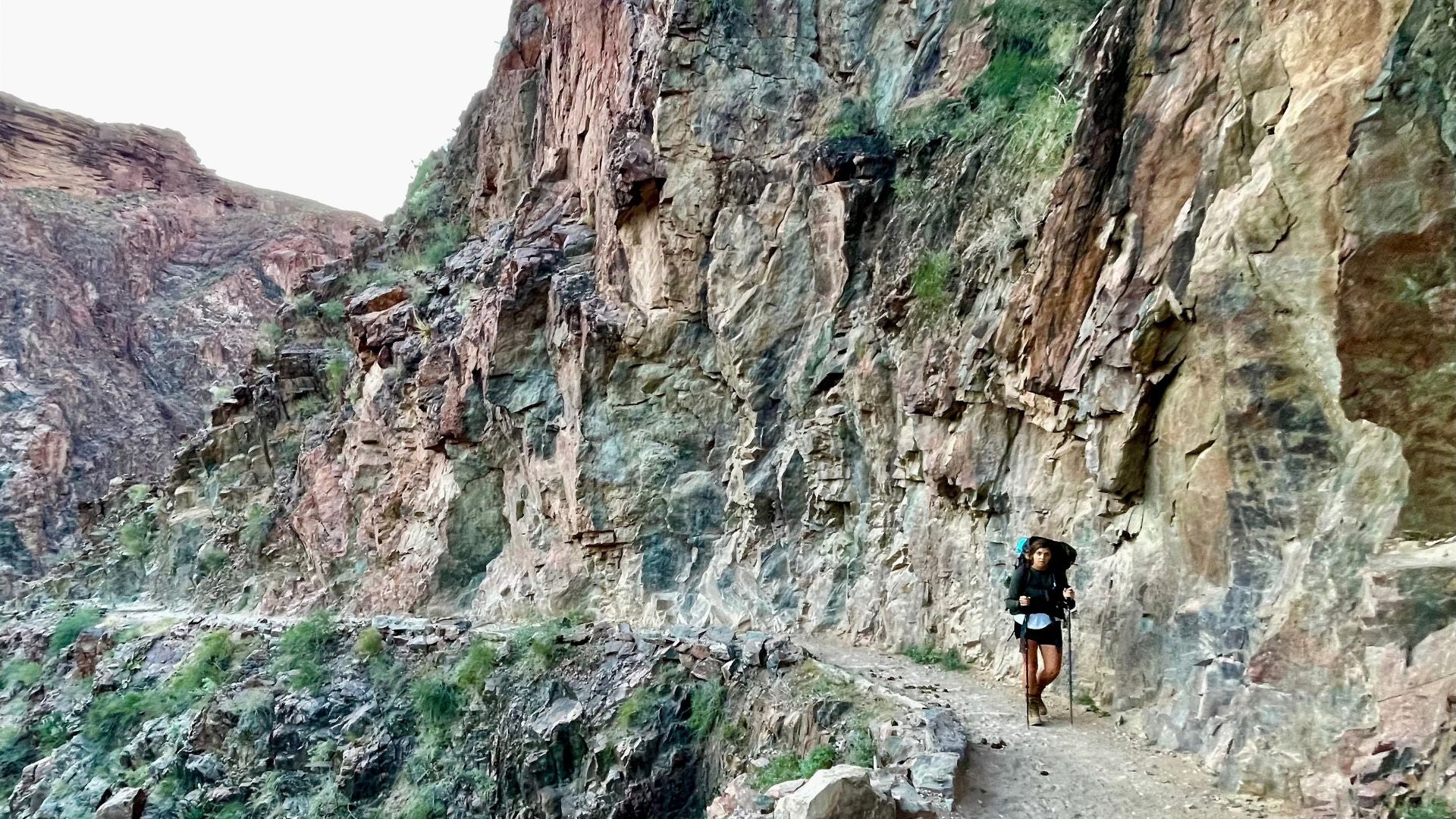
"If the trail is open, it is technically passable, but that does not mean easily passable," Henry explains.
Citing the Hermit Trail as an example, Henry notes that sections have washed out entirely, forcing hikers to execute dangerous scrambles around missing terrain.
"The canyon is a massive and ever-changing geological formation, not a theme park," Henry adds. "There is no such thing as an easy hike below the rim in the Grand Canyon."
The Water Dilemma: Self-Sufficiency is Mandatory
With inner-canyon plumbing offline, carrying adequate hydration is no longer just a recommendation—it is a matter of life and death.
"Plan to bring your own water, and plan to bring way more than you think you need," Henry warns.
Even during normal operating years, veteran guides urge visitors never to trust a single water source. Logan emphasizes that hikers must treat every trek as an unsupported expedition.
"You should always know exactly where your reliable water sources are, check their current status immediately before your hike, and carry a reliable method of water treatment," Logan says.
Furthermore, guides caution against taking a canceled Corridor itinerary (such as a classic Rim-to-Rim hike) and simply swapping it for an open backcountry permit elsewhere in the park.
"Anything outside of the Trans-Canyon Corridor is considerably more rugged, far less maintained, and the potential to get yourself in trouble is much higher," Logan explains. "Those are not necessarily interchangeable trips."
Implications: Respecting the Park and Its Residents
The flash floods of 2026 are not merely an inconvenience for recreationists; they are a humanitarian and logistical crisis for the community that keeps the Grand Canyon functioning.
Stefan Ballek, Greater Grand Canyon Deputy Operations Manager at Wildland Trekking, emphasizes that visitors must look past their own vacation itineraries and consider the local population.
"There’s no municipal water available in the park right now," Ballek states. "The water they’re able to truck in, the residents literally need that to stay in their homes."
How Responsible Hikers Must Adapt
- Arrive Self-Sufficient: Do not draw on park resources. Bring all necessary hydration, electrolyte mixes, and lightweight backpacking meals.
- Outsource Services: Expect restaurants, lodging, and amenities inside the park boundaries to be severely limited. Travelers are encouraged to patronize gateway communities like Tusayan, Williams, and Flagstaff for lodging, fuel, and pre-trip supplies.
- Consult Authorities Constantly: Conditions are evolving by the day. The National Park Service strongly urges visitors to check live alerts before arriving, and Dave Logan recommends direct communication with the park’s Backcountry Information Center for up-to-the-minute trail condition reports.
- Embrace Flexibility: The Grand Canyon demands humility. Hikers must be willing to let go of rigid trip expectations, shorten their routes, or pivot to rim-based sight-seeing if conditions dictate.
"The park’s open right now, and being able to go and visit there is pretty special," Ballek concludes. "Pero just recognizing that it’s a pretty huge natural disaster right now. It may not seem that way from the rim, but not having the municipal water pumping up to the park right now is kind of a big deal for folks that live there."
