Published: September 18, 2026 By: Backpacker Reporting Team
Main Facts
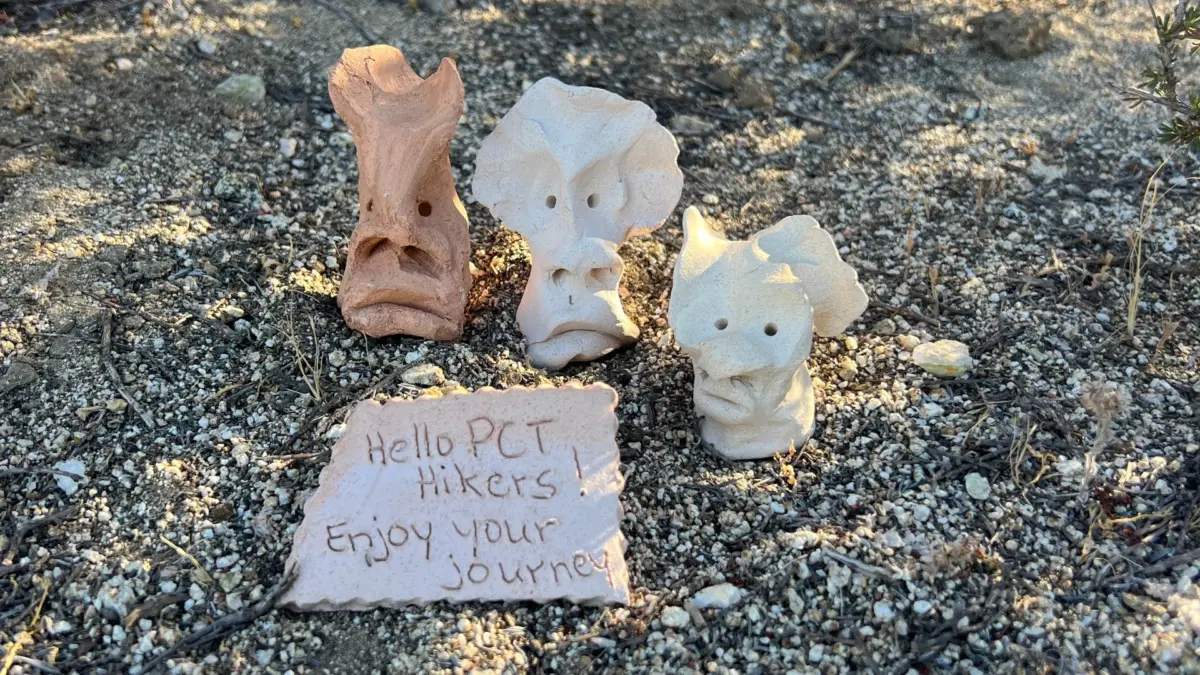
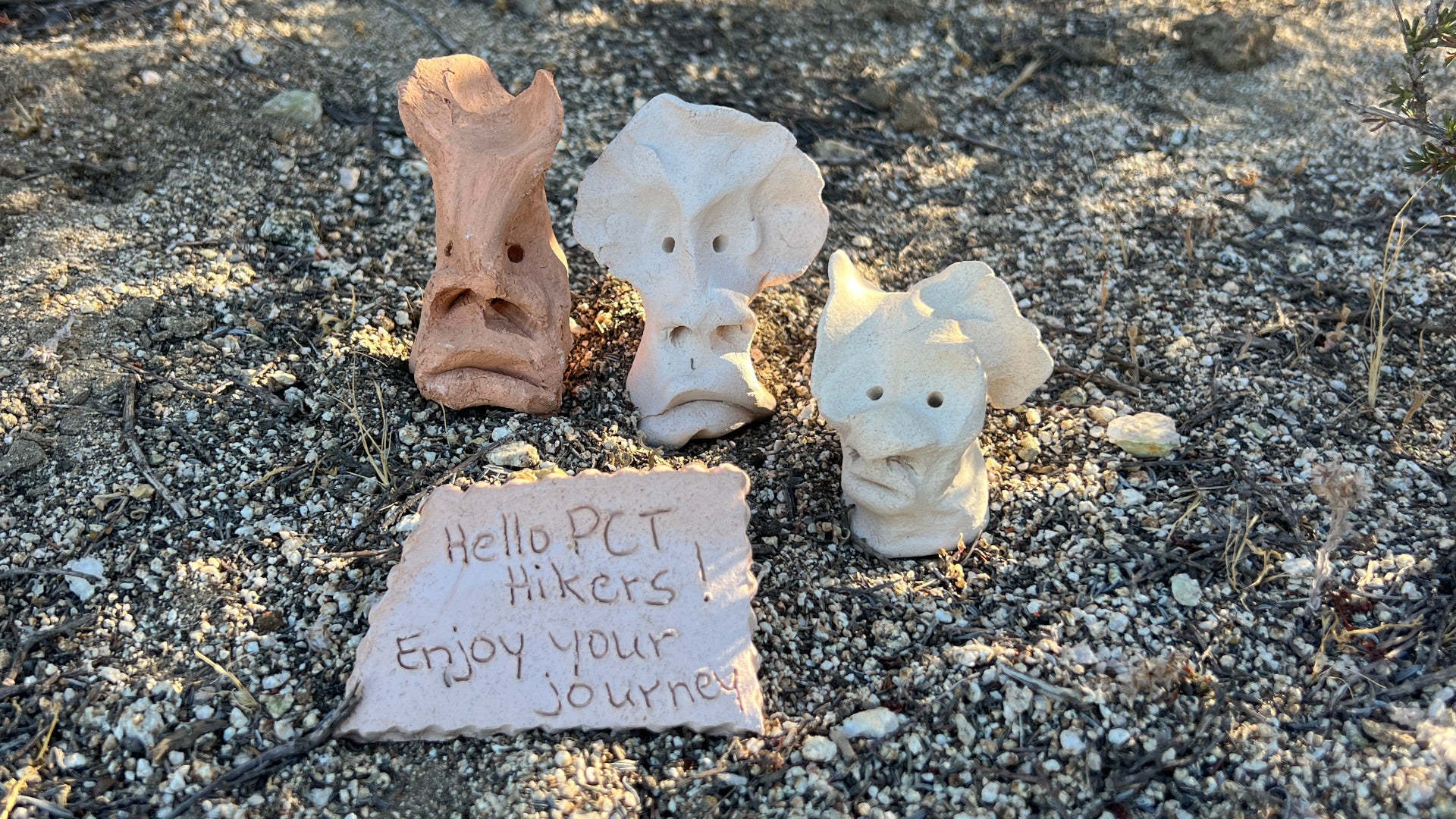
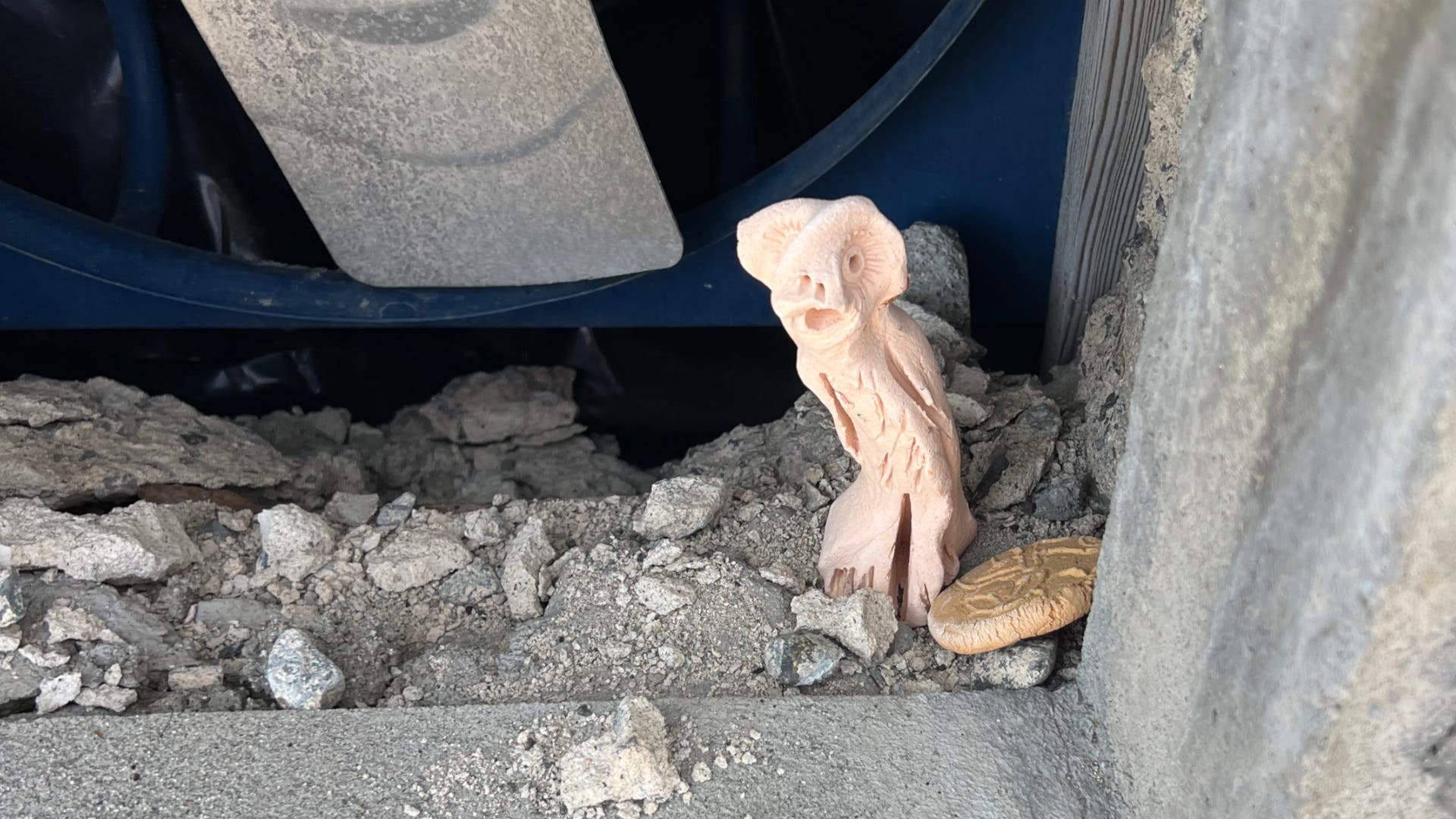
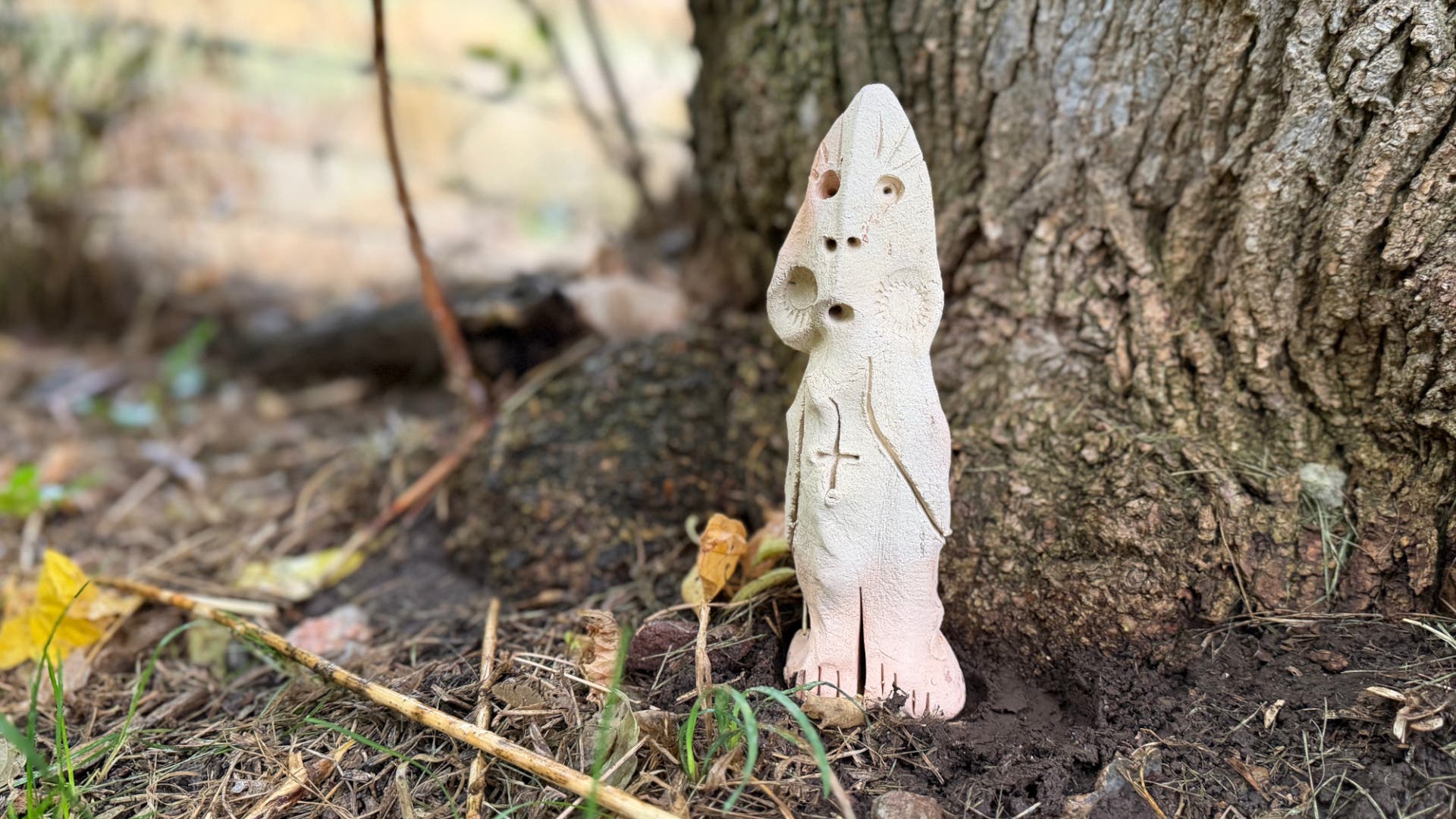
For years, thru-hikers on the iconic Pacific Crest Trail (PCT) have reported stumbling upon an unexpected sight: tiny, archaic-looking humanoid clay figurines tucked into rock crevices, resting under pine needles, or perched on the edges of cliff faces. These small, unglazed ceramic artifacts are the handiwork of 74-year-old southern California resident Warren Sherich Jr.—a math teacher, lifelong artist, and self-described cosmic provocateur.
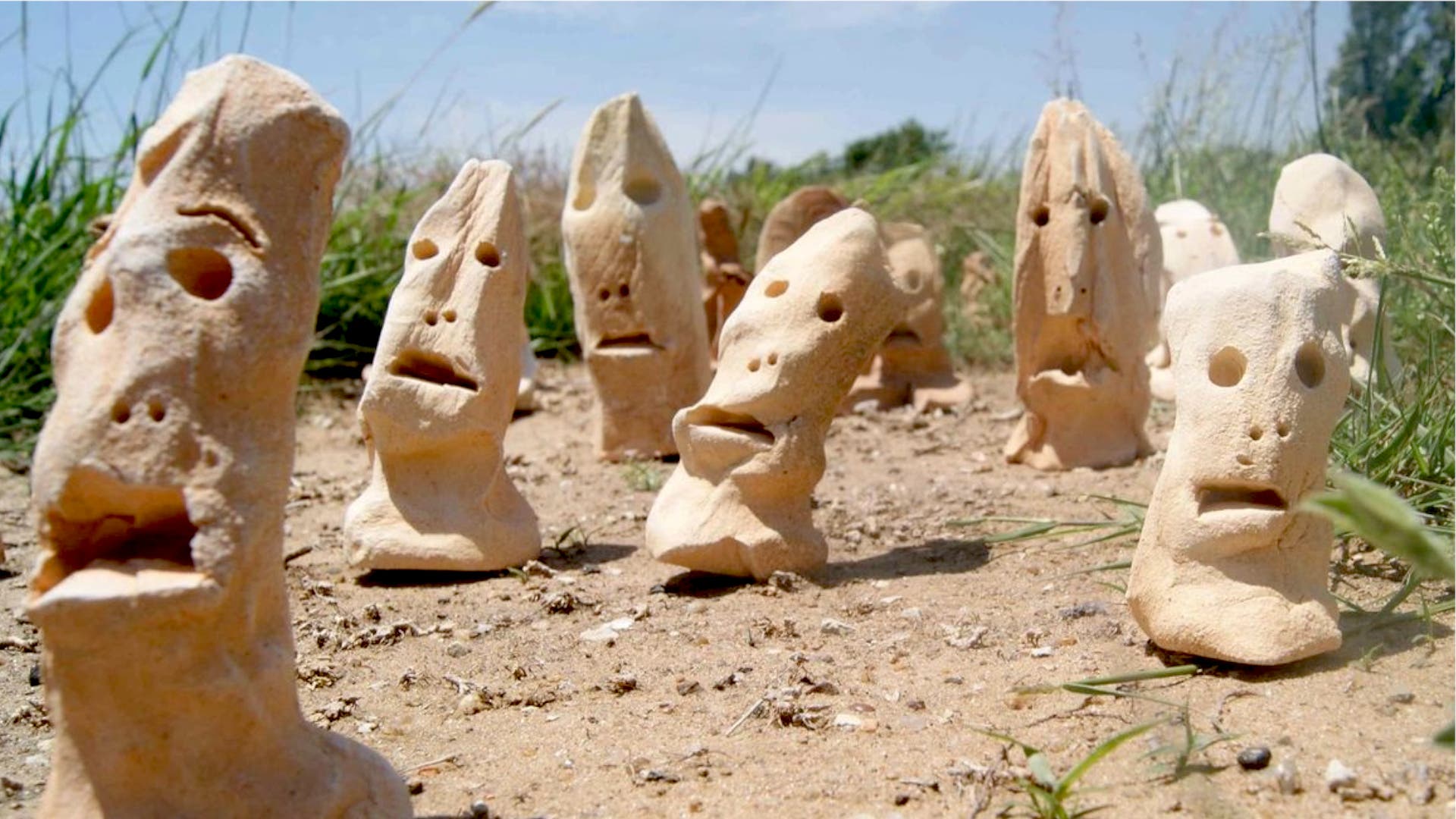
Sherich’s clandestine drops are part of an ambitious, decades-long global art project titled "The Dogu Invasion." Inspired by ancient Japanese dogu figurines dating back to approximately 14,000 BCE, Sherich has reimagined these prehistoric shapes with his own conceptual backstory: his dogus originate from the fictional planet "Doguanda" and are executing a slow, multi-millennial colonization of Earth.
While some hikers delight in discovering these miniature sculptures—often snapping selfies or pocketing them as coveted trail souvenirs—others have reacted with fierce indignation. Critics argue that introducing foreign objects into wilderness areas violates the foundational ethics of "Leave No Trace" (LNT), turning public wildlands into a personal canvas.
The conflict burst into the public eye in 2024 when Backpacker published an expose highlighting the mysterious sculptures. At the time, Sherich remained anonymous, forced to watch from the sidelines as online commentators branded his work "trash" and accused him of littering along his favorite backyard trail. Two years later, Backpacker tracked down Sherich and consulted with outdoor ethics experts to unpack a deeper, more nuanced dialogue surrounding the intersection of art, nature, and modern recreation.
Chronology of an Underground Art Movement
To understand the current controversy on the PCT, one must look back at Sherich’s 44-year career as a sculptor and conceptual artist.
Pre-2010s: Sherich establishes a reputation for creating large-scale rock sculptures and complex ceramic tile installations. Among his more eccentric undertakings is a series of elaborate mosaic dance floors buried deep underground at his studio, crafted simply for the distant hope that future generations might unearth them.
The 2010s ("The Dogu Invasion" Begins): Sherich launches his global ceramic project. Armed with unglazed, fired-clay figurines, he begins planting dogus wherever his life takes him—trips to the grocery store, walks around his neighborhood, family visits across state lines, and international vacations.
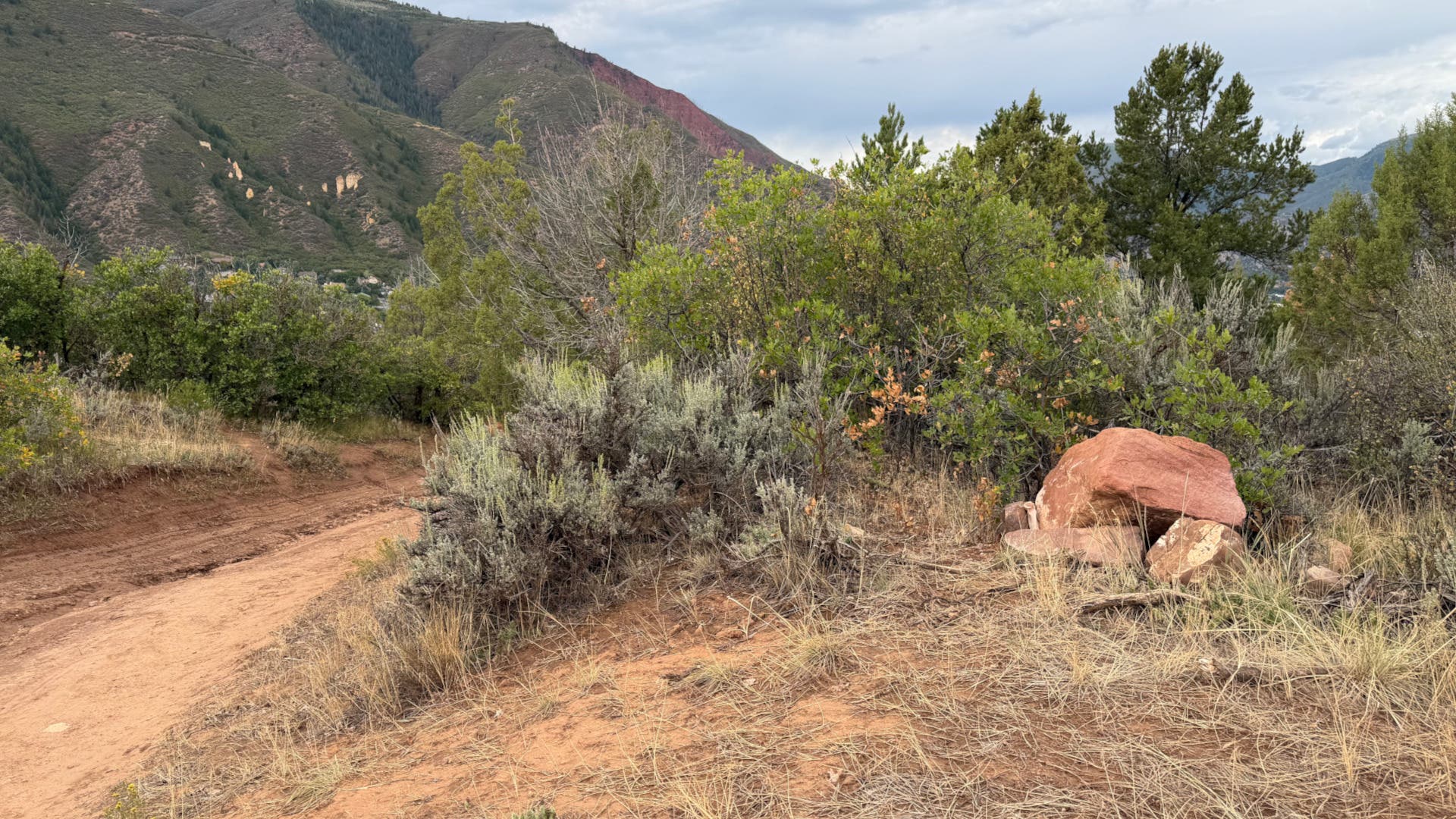
The 2020s (PCT Encounters): As Sherich hikes local sections of the Pacific Crest Trail with his wife in southern California, dogus routinely find their way onto the trail system. Thru-hikers begin noticing the anomalous artifacts, leading to grassroots social media discussions.
2024:Backpacker brings mainstream attention to the phenomenon, publishing an article that triggers intense online polarization. Commenters blast the anonymous creator for aesthetic pollution and environmental degradation. Sherich watches the digital uproar unfold, feeling unfairly vilified without the opportunity for a measured exchange of ideas.
September 2026:Backpacker successfully tracks down Sherich, providing a platform for the artist to share his perspective alongside insights from the Leave No Trace Center for Outdoor Ethics.
Supporting Data and Material Science
The debate over trail-side art often hinges on assumptions regarding materials, durability, and environmental impact. Understanding the physical composition of Sherich’s dogus helps clarify why outdoor ethicists view them differently from other common forms of unsanctioned trail installations.
Material Composition: Sherich’s dogus are fashioned entirely from unglazed, fired clay. Unlike painted rocks or synthetic plastics, pure fired clay possesses a neutral pH and is chemically inert.
Degradation Timeline: Because they lack glazes or toxic chemical treatments, the dogus do not biodegrade or photodegrade. Instead, they weather and erode over thousands of years in an identical fashion to natural sandstone or surrounding geological formations.
Scale of Dispersal: Over a 15-year span, Sherich estimates he has deployed thousands of dogus across multiple continents, including North and South America and Western Europe. Despite this vast global footprint, he reports seeing fewer than 50 imitations or derivative art pieces created by others.
Historical Precedents: The friction between human art installations and pristine wilderness is well-documented. Notable global precedents include the mysterious chrome monolith discovered in the Utah desert in 2019, which attracted massive crowds before being quietly removed, and the towering wooden troll sculpture erected in Breckenridge, Colorado, in 2018, which sparked fierce local debate before being relocated to a lower-impact zone.
Official Responses and Perspectives
The Artist’s Defense: Warren Sherich Jr.
Speaking publicly for the first time about the backlash, Sherich defends his project not as an act of littering, but as an ongoing intergenerational dialogue.
"They were slandering me instead of entering a dialogue about what is acceptable and what is not," Sherich tells Backpacker. "I understand their argument. These people are not without logic. But they want to just condemn me out of hand without having a discussion."
Sherich notes that in person, reactions have been overwhelmingly positive, with thru-hikers frequently stopping him to ask for selfies with the creator of the dogus they found. Philosophically, he challenges the rigid boundary modern humans draw between civilization and the natural world.
"Human art is part of nature naturing," he argues. "I am an animal that lives in a society of animals. I am part of nature."
Comparing his sculptures to the geological elements around them, Sherich maintains that his creations have a negligible ecological footprint. "[My dogus] have zero impact on the ecology of the trail. Zero," he asserts. "It’s literally like I took a mass of sand and dropped it beside the trail."
The Conservationist View: Leave No Trace
Erin Collier, director of education at the Leave No Trace Center for Outdoor Ethics, offers a more nuanced institutional stance. She clarifies that Leave No Trace does not maintain a blanket, zero-tolerance policy against all forms of art in nature, but rather evaluates practices based on tangible environmental harm.
Collier points to established LNT guidelines regarding activities like rock stacking and placing painted rocks. These practices require active regulation because they carry genuine ecological consequences: moving stones to build cairns can accelerate soil erosion and disrupt micro-habitats, while painted rocks can leach toxic chemical compounds, heavy metals, or microplastics into local watersheds.
Because Sherich’s dogus are chemically inert fired clay, they bypass many of these chemical and ecological concerns. However, Collier highlights a different category of concern: aesthetic impact and behavioral contagion.
"There could be a potential to inspire others to leave things behind," Collier explains, referencing what conservationists term the "runaway litter effect."
This phenomenon is frequently observed in the wild through aspen graffiti, unauthorized rock cairns, and traditional waste left behind by visitors.
"If every person who hikes the PCT now says, ‘Well, I want to leave my art behind,’ suddenly that becomes a really significant impact."
Furthermore, Collier emphasizes that Leave No Trace principles exist on a pragmatic spectrum rather than as an absolute dogma.
"If we’re truly ‘leaving no trace,’ we wouldn’t be out there. There’d be no trails, no roadways, no campgrounds," she notes. "We’re really just trying to leave as little trace as possible, and that can change depending on the activity that we’re doing." She compares the concept to sustainable foraging, where humans harvest from the land while actively minimizing their footprint.
Implications for the Future of Wildlands
The ongoing saga of the Dogu Invasion forces outdoor enthusiasts, land managers, and artists to confront unresolved questions regarding public space and personal expression.
The Definition of Wilderness: As backcountry recreation surges in popularity, public lands increasingly serve multiple, overlapping purposes. For traditionalists, the wilderness is a sanctuary meant to be experienced free of human artifice. For conceptual artists like Sherich, public wildlands represent a timeless gallery unbounded by museum walls.
The "Runaway Litter Effect" vs. Individual Expression: While Sherich contends that his project has not inspired a wave of copycats, land managers remain wary of precedents. Once one exception is made for an artist, drawing clear boundaries against less benign forms of trail alterations—such as permanent carvings or non-biodegradable markers—becomes significantly more challenging.
The Lifespan of Modern Artifacts: Sherich’s ultimate goal is to "punk future archaeologists," leaving behind artifacts that will puzzle researchers centuries from now. In doing so, he highlights an irony of human history: today’s controversial litter often becomes tomorrow’s celebrated archaeological treasure.
Ultimately, the standoff remains unresolved. Sherich has made it clear that he has no intention of halting his global distribution of dogus, ensuring that future hikers will continue to experience moments of surprise—delightful to some, frustrating to others—along the Pacific Crest Trail.
As for what hikers should do when encountering a dogu, Sherich offers complete autonomy: "Take them home and add them to your garden," he smiles. "And if somebody doesn’t like them and throws them into the bushes, that’s just a part of the dogu’s journey into the future."