

Published September 13, 2026
Walk down the aisle of any grocery store, gas station, or convenience store in America today, and you are bound to witness the triumph of a single macronutrient. Protein is king. Once confined to the heavy-duty plastic tubs of bodybuilding forums and specialty supplement shops, high-protein branding has officially conquered the mainstream. Food manufacturers are cashing in on a ravenous consumer base, injecting the muscle-repairing nutrient into everything from morning breakfast cereals to milks, cookies, and baking staples.
While the general public’s obsession with cramming as much protein into their diets as humanly possible borders on questionable nutritional science, the trend holds an obvious, practical appeal for outdoor athletes. Hikers, skiers, mountaineers, and cyclists burn thousands of calories a day and desperately need quick, shelf-stable, calorie-dense foods that can withstand being crushed at the bottom of a pack.
However, nutrition facts labels only tell half the story. When you are twenty miles into a backcountry trek or freezing on a chairlift, your food has to taste good—or at least passably acceptable—or the experience quickly turns miserable.
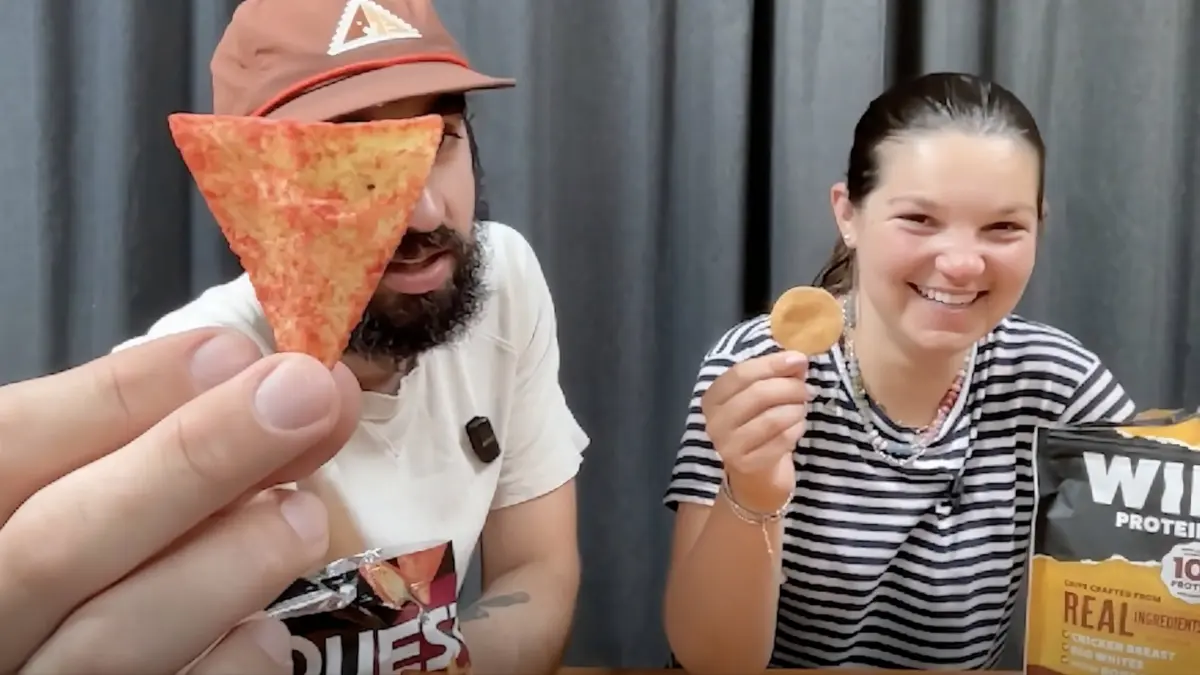
To find out whether the latest wave of protein-engineered grocery items deserve a spot in your next resupply kit, Backpacker Editor-in-Chief Adam Roy and SKI Senior Editor Jamie Aranoff hit their local supermarket. They loaded a cart with seven of the weirdest, most heavily engineered high-protein products they could find and put them to the test on camera.
The Macro Boom: A $9.4 Billion Hunger for Gains
Whether you are scaling an alpine ridge or powering through deep powder, physical activity inflicts micro-tears on muscle fibers. Protein provides the essential amino acids required to repair that damage and build strength. Skip it, and your body struggles to recover, leading to stalled performance and prolonged fatigue.
Yet, it is entirely possible to have too much of a good thing. Over the past decade, the American obsession with protein has triggered an industrial explosion. The protein supplements and fortified foods market has surged by roughly 50%, transforming into a staggering $9.4 billion industry.
Step into any roadside pit stop today, and the results of this market expansion are unmistakable. Alongside standard beef jerky and trail mix, consumers are now greeted by a bizarre array of "unholy" protein-fortified hybrids: ice creams, chips, sodas, breads, and sweet rolls, all promising massive macro counts wrapped in hyper-processed packaging. Roy and Aranoff set out to determine whether these modern culinary marvels are genuinely useful backcountry fuel or merely expensive science experiments.
Chronology of a Taste Test: Seven Products Under the Microscope
Armed with cameras, dietary restrictions (Roy is a vegetarian, while Aranoff eats gluten-free), and an abundance of skepticism, the editors systematically reviewed the haul.
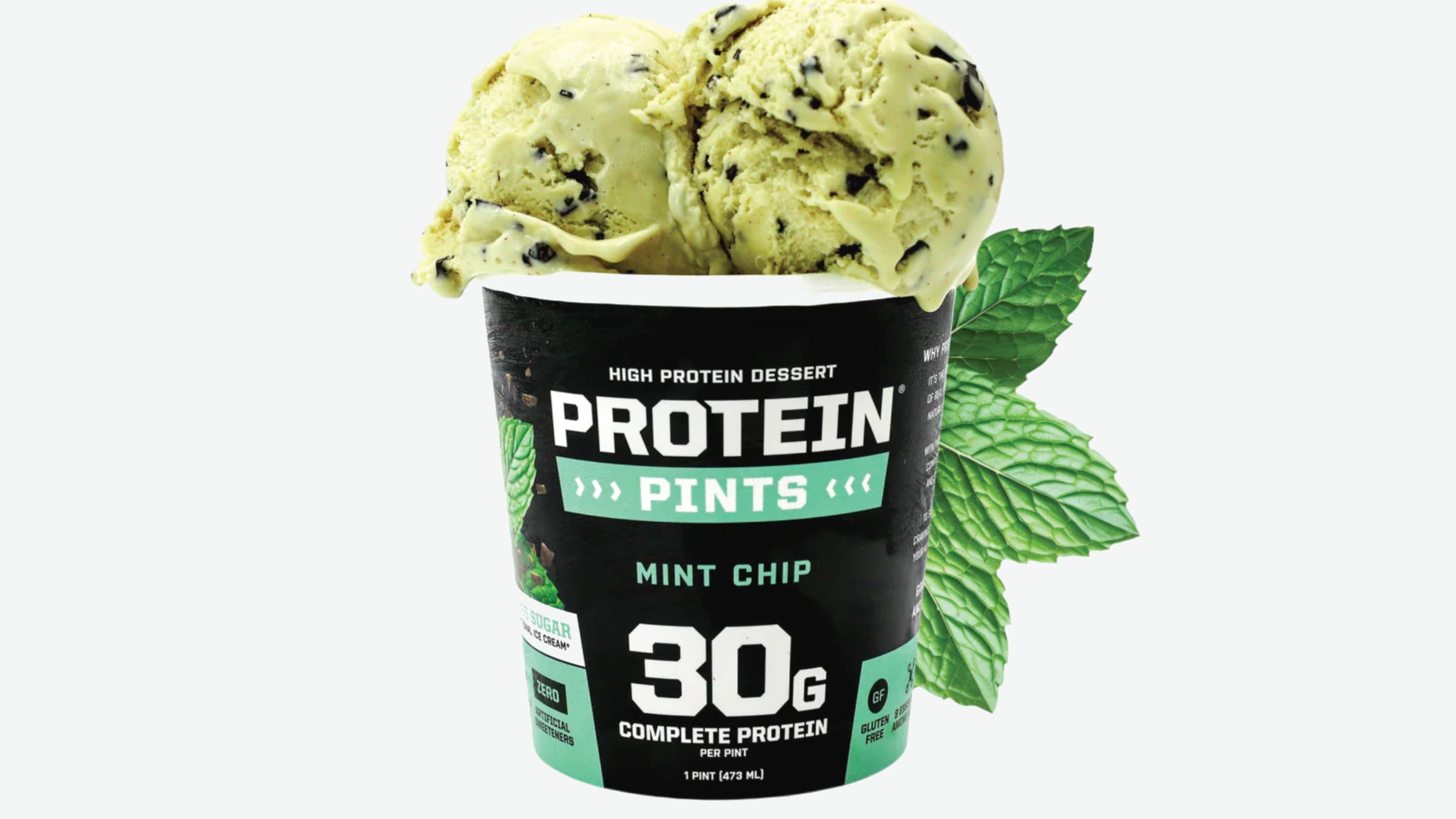
1. Protein Pints (Frozen Dessert)
- The Stats: 30 grams of protein and 5 grams of sugar per full pint (three servings).
- The Taste Test: Skeptical at first, the duo cracked open a pint of high-protein ice cream. To their surprise, the texture was not overly grainy, though it lacked the rich, ultra-luxurious creaminess of traditional full-fat ice cream.
- The Verdict: Adam Roy awarded it a solid 3 out of 5. While it won’t win awards for gourmet dessert, it tasted remarkably normal—completely serviceable as standard grocery store ice cream.
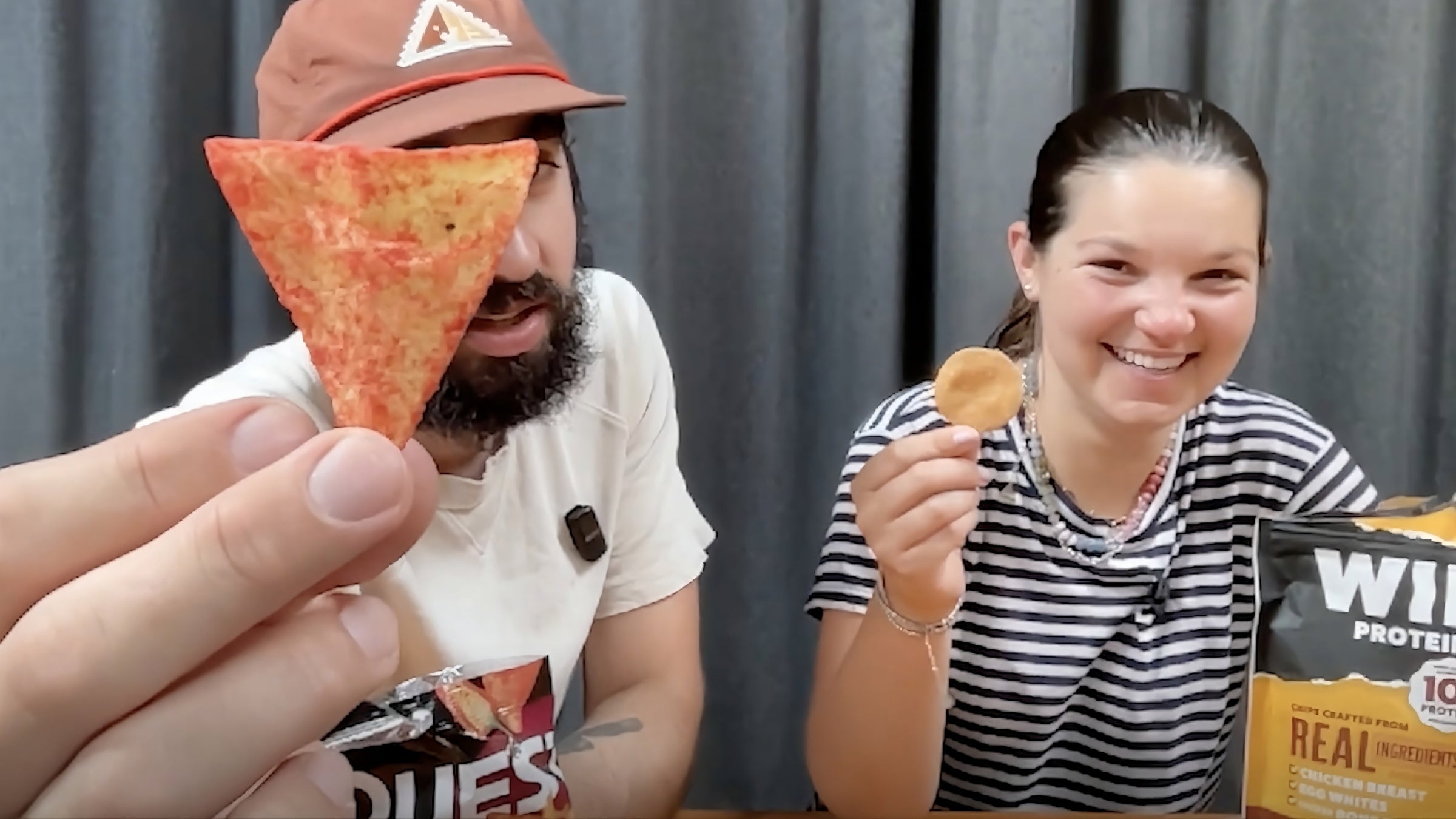
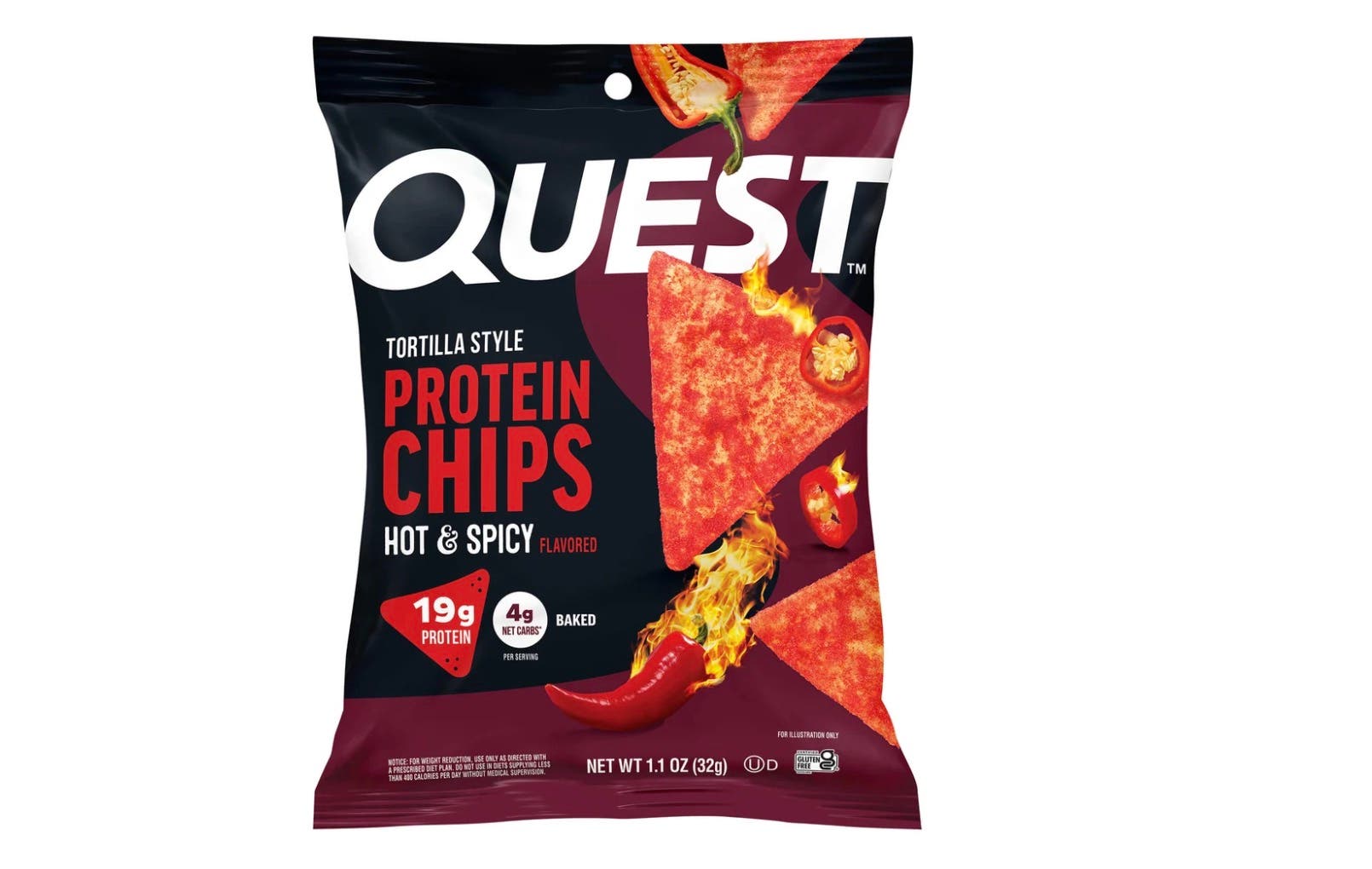
2. Quest Hot and Spicy Tortilla Style Protein Chips & Wilde Chicken Chips
- The Stats: Quest features 19 grams of protein per bag, utilizing a dairy-based blend of milk and whey protein isolate. Wilde delivers 10 grams of protein per 25 chips, utilizing antibiotic-free chicken breast as its primary ingredient, backed by egg whites and bone broth.
- The Taste Test: Because of their dietary needs, Roy and Aranoff split testing duties. Quest’s hot and spicy chips were covered in a startlingly bright red, lab-created dust that Roy likened to something "the Joker is going to pour in Gotham’s water supply." Conversely, Wilde’s chicken-based chips offered a more natural ingredient profile but yielded an unintended and deeply polarizing flavor profile that tasted uncomfortably like "chicken and maple syrup."
- The Verdict: Despite a surprisingly good, crispy crunch, the artificial flavor profiles dragged both scores down. Aranoff rated them 2.5 out of 5, while Roy handed out a 2 out of 5, noting that the visual presentation made the chips look as though they had "never seen nature—and never will."
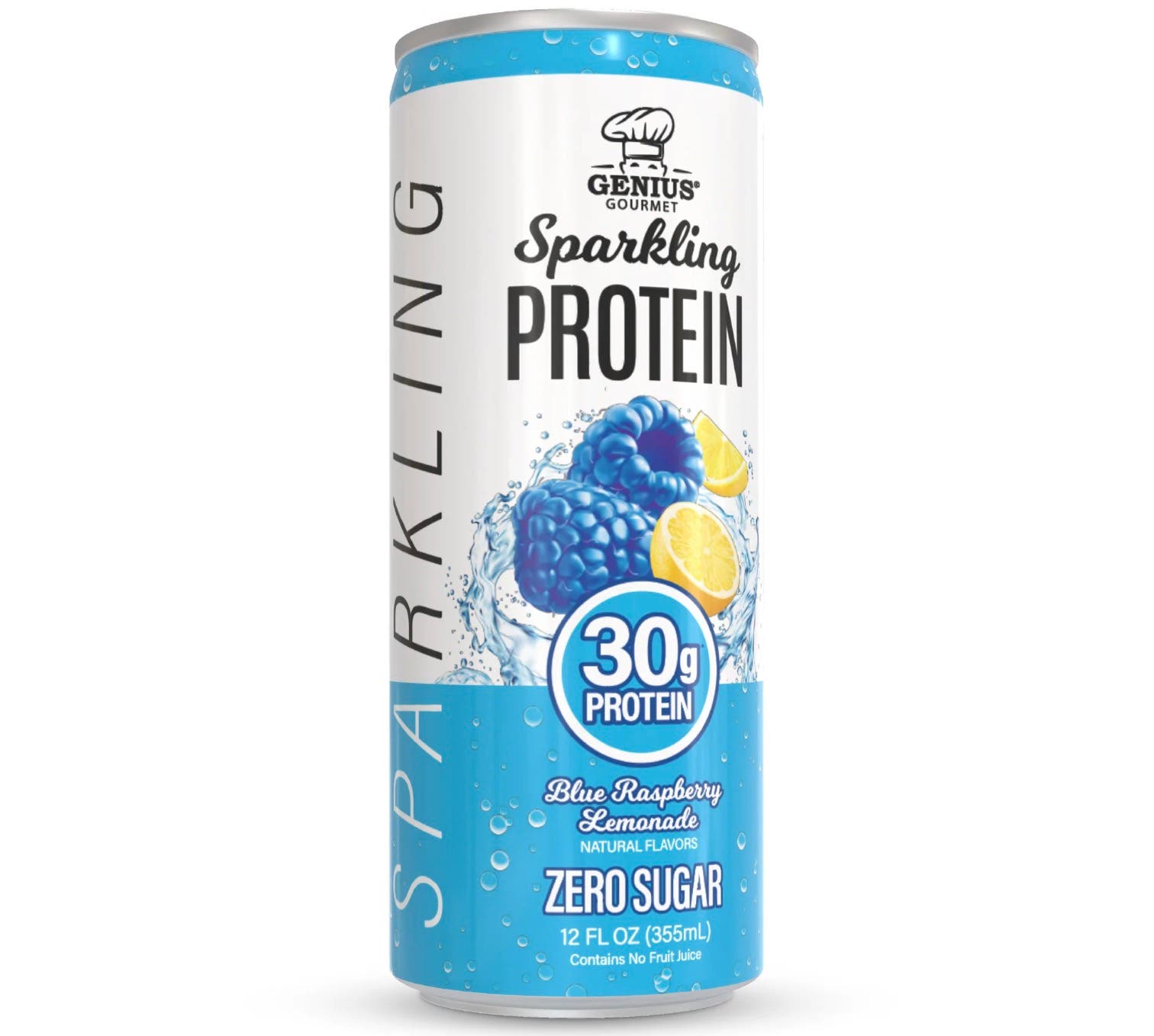
3. Genius Gourmet Sparkling Protein & SkyPop Protein Soda
- The Stats: SkyPop Root Beer packs whey protein, natural flavors, and mushroom extract (to protect quality). Genius Gourmet Sparkling Protein (Blue Raspberry Lemonade) boasts 30 grams of protein, zero sugar, and a heavy-hitting mix of whey isolate and bovine collagen peptides.
- The Taste Test: Pouring the beverages revealed immediate warning signs. Instead of clear carbonation, the drinks appeared cloudy—a physical side effect of suspended protein structures. The aroma was intensely artificial. Upon tasting, the artificial sweeteners (notably sucralose) dominated the palate, leaving an unpleasant, powdery coating that lingered at the back of the mouth.
- The Verdict: Universally reviled. Aranoff gave her blue raspberry drink a 1.5 out of 5, conceding it might save a starving thru-hiker in a dire emergency, but noting she would never willingly drink it again. Roy was even harsher on the root beer, awarding it a 1 out of 5 and joking that if it were his only option on a trail, he would "probably kill and eat a lizard."
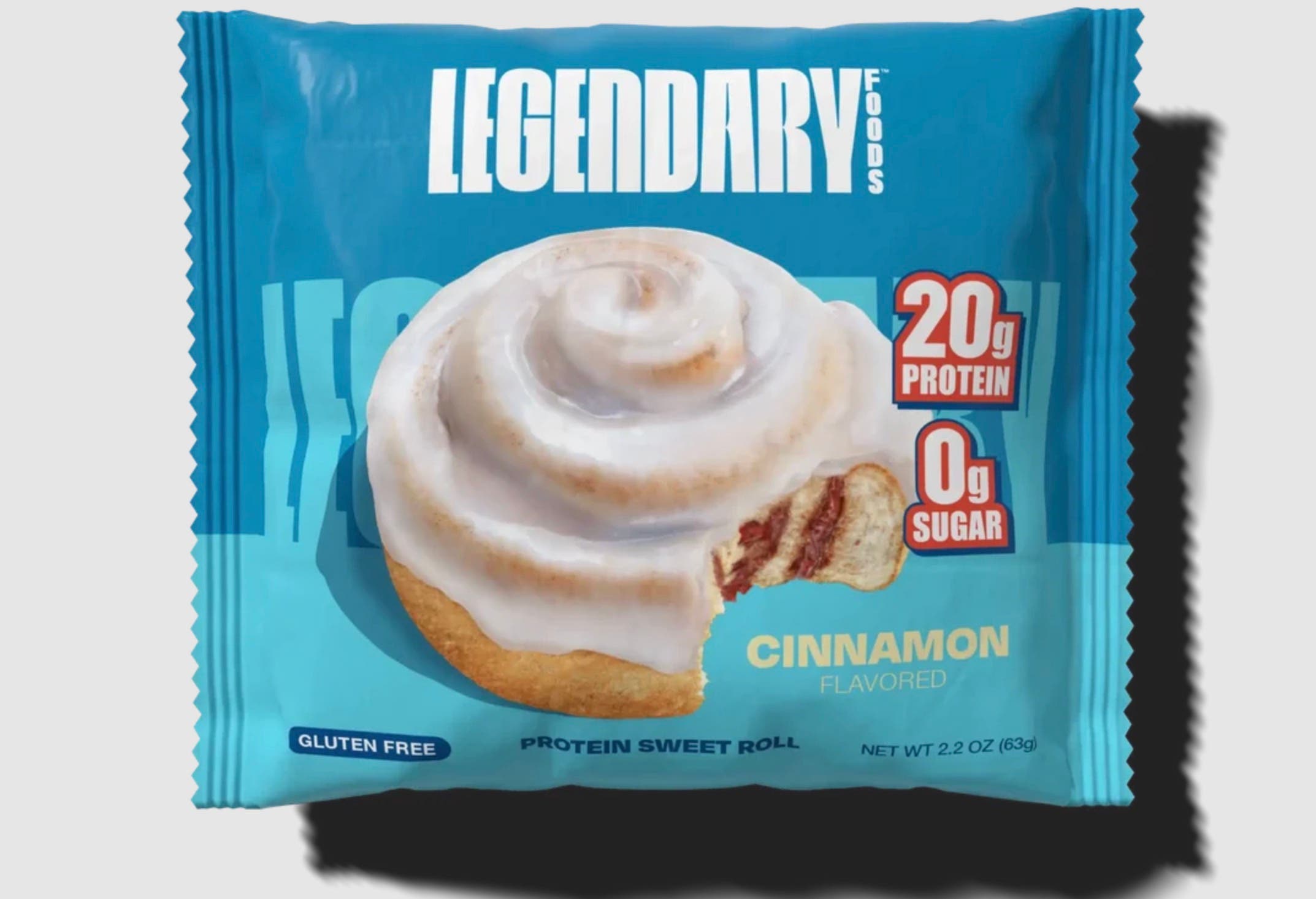
4. Legendary Cinnamon-Flavored Protein Sweet Roll
- The Stats: 20 grams of protein and 5 grams of carbs, formulated with micellar casein and collagen peptides. Completely gluten-free and individually wrapped.
- The Taste Test: Initially looking somewhat unappetizing, this individually wrapped pastry won unexpected praise. Unlike the brightly colored chips and neon sodas, the sweet roll featured a restrained aesthetic that actually resembled real cinnamon. It provided a dense, pocket-friendly snack that wasn’t prone to getting crushed.
- The Verdict: Earning Aranoff’s highest score of the day—a 3.5 out of 5—it was declared the least offensive item tested. While it is still an ultra-processed food substitute rather than a wholesome meal, its balance of convenience, dietary accommodation, and passable flavor makes it a viable option for cold-weather outdoor adventures.
5. Oroweat Honey Oat Protein Bread
- The Stats: Fortified with a massive blend of soy protein isolate, pea protein isolate, canola protein isolate, whey protein concentrate, and extra wheat gluten.
- The Taste Test: With Aranoff avoiding gluten, Roy took on the loaf solo. Straight out of the bag without a toaster, the bread’s physical properties were immediately apparent: high density and extreme elasticity. Squeezing the slice caused it to aggressively bounce back—a direct result of concentrated wheat gluten. Biting into it required a serious jaw workout, possessing a gummy, ultra-chewy texture reminiscent of overly rubbery brioche.
- The Verdict: Roy rated it a 3 out of 5. While it would undoubtedly keep peanut butter and jelly sandwiches structurally sound at the bottom of a pack, the sheer chewing effort required made it a secondary choice compared to simply packing regular bread and augmenting protein elsewhere.
Supporting Data & Nutritional Breakdown
To understand why these products behave so strangely in terms of texture and flavor, one must look at food science realities. Protein isolates and concentrates—whether derived from whey, milk, soy, peas, or collagen—do not behave like traditional starches and fats.
- The Texture Trap: Fats provide moisture and mouthfeel; sugars provide sweetness and caramelization. When manufacturers strip these out and replace them with dense amino acid chains, the resulting food often turns chalky, dry, gummy, or powdery.
- Masking Agents: To cover up the bitter, earthy, or metallic off-flavors inherent to concentrated protein powders and peptide extracts, companies rely heavily on high-intensity artificial sweeteners (like sucralose) and heavy chemical flavoring agents.
- The Density Factor: Structural proteins like wheat gluten and micellar casein create high tensile strength. While this helps baked goods and pastries survive the rigors of a backpack without crumbling into dust, it places a heavy mechanical burden on the consumer’s jaw muscles.
Official Industry Insights and Expert Recommendations
Stepping back from the novelty of protein-infused sodas and chips, the editors offered a sobering, expert-backed reality check regarding sports nutrition.
Jamie Aranoff emphasized that these products should never become the foundation of a daily diet. "This just goes back to basic nutrition," Aranoff noted. "The best ways to get protein are from natural sources—your animal proteins, or plant-based proteins like tofu and tempeh. You probably do not need enriched protein."
However, both editors acknowledged the pragmatic realities of human endurance sports. When an athlete is burning 4,000 to 6,000 calories a day on a grueling thru-hike or backcountry ski traverse, caloric intake and macronutrient timing trump culinary purity.
"If you are really going out into the backcountry and in desperate need of protein… I do think getting it in traditional protein bars or structured snacks is going to set you up for success so you don’t bonk," Aranoff explained.
Roy echoed this sentiment, advising athletes to look beyond clever marketing labels. "If you want to learn how nutrition can help you become better at your sport and live a healthier life," Roy concluded, athletes should consult certified dietitians and trusted fitness resources across the Outside network.
Implications for the Modern Outdoor Athlete
The proliferation of hyper-processed protein foods highlights a broader cultural shift: the medicalization and macro-optimization of everyday snacking. For the outdoor recreation community, this creates a double-edged sword.
On one hand, the food science sector continues to innovate, offering ultra-convenient, shelf-stable, high-protein calories that make multi-day expeditions lighter and logistically easier to manage. On the other hand, consumers must navigate a minefield of over-hyped, chemically altered products that frequently sacrifice flavor, digestive comfort, and culinary satisfaction for a bold "High Protein" claim on the wrapper.
Ultimately, the taste test yielded a clear takeaway for hikers and skiers hitting the gas station before a weekend trip: skip the protein-infused sodas and neon chips, save your jaw from the gummy protein bread, but feel free to stash a reliable protein bar or sweet roll in your pocket to keep the bonk at bay when the mountains get steep.
