

Published: September 12, 2026
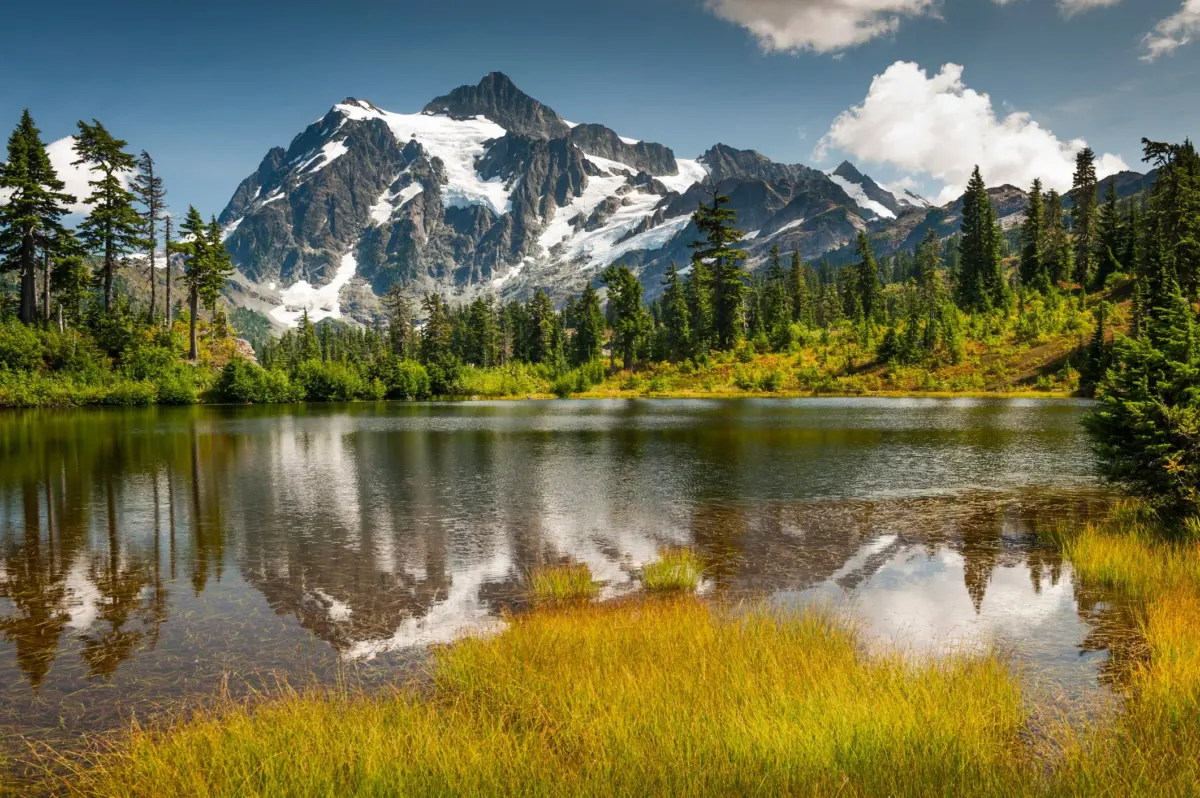
Location: Mount Baker–Snoqualmie National Forest, Washington State
Main Facts
A routine holiday weekend camping trip in the Pacific Northwest transformed into a dramatic enforcement action when U.S. Immigration and Customs Enforcement (ICE) agents arrested five men on public lands near Granite Falls, Washington. The arrests occurred over Labor Day weekend during what families initially believed was a routine interaction with U.S. Forest Service (USFS) rangers regarding a campsite garbage warning.
A Department of Homeland Security (DHS) spokesperson confirmed the arrests, stating that the operation was conducted jointly by ICE and the USFS. According to federal authorities, two of the detained men had previously been issued voluntary returns to Mexico, a third faced pending driving-related charges, and the remaining two were alleged to have entered the country without authorization at an undetermined time and location. All five men are currently held in ICE custody pending removal proceedings, with federal officials emphasizing that they will receive standard due process.
However, the operation has drawn sharp condemnation from immigrant advocacy organizations, environmental groups, and legal experts. Critics argue that utilizing federal public land management agencies to assist in immigration enforcement crosses an ethical boundary, erodes public trust in outdoor recreational spaces, and creates a chilling effect that may deter minority and immigrant families from accessing national forests and parks.
Chronology of Events
The sequence of events leading up to the midnight arrests unfolded over the course of the Labor Day holiday weekend:
- Friday of Labor Day Weekend: Five families arrived at a designated public camping area near Granite Falls, situated near the Mount Baker–Snoqualmie National Forest, to enjoy a holiday weekend outdoors.
- During the Weekend (Daytime): Individuals identifying themselves as U.S. Forest Service rangers approached the families’ campsite. They cited an alleged issue concerning improper garbage disposal and issued what they termed a "warning." Because the encounter was framed as a routine campground management issue, the campers felt secure in cooperating and handed over identification documents for every adult in the group.
- Midnight: While the families were asleep inside their tents, immigration enforcement agents—accompanied by at least one of the individuals who had earlier posed or acted as a ranger—shook the tents, woke the occupants, and arrested the five men.
- Post-Arrest: The families established a GoFundMe page to raise funds for legal defense and family support, detailing the intimidation and harassment they experienced. Local media outlets, including King 5 Seattle, picked up the story, prompting national inquiries from publications such as Outside.
Supporting Data and Prior Incidents
The Granite Falls operation is not an isolated occurrence, pointing to an emerging pattern of interagency collaboration between immigration enforcement and public land management agencies.
Less than six weeks prior to the Washington raid, a similar joint operation involving ICE and USFS law enforcement took place at the Wilson Creek Recreation Area within North Carolina’s Pisgah National Forest. That operation resulted in 13 arrests, according to reports by the Charlotte Observer.
Environmental and outdoor advocacy groups point out that these coordinated actions deploy federal land management resources—traditionally tasked with conservation, visitor safety, and natural resource stewardship—toward civil immigration enforcement. Data from public land coalitions indicate that national forests and federal recreation areas serve millions of diverse visitors annually. Advocates argue that utilizing these spaces for enforcement actions directly undermines decades-long initiatives by public land agencies to make the outdoors welcoming and accessible to all demographic groups.
Official Responses
Federal agencies and advocacy organizations have issued contrasting perspectives regarding the operation and the broader implications of interagency cooperation.
Department of Homeland Security (DHS) and U.S. Forest Service (USFS)
A DHS spokesperson defended the actions taken in Washington, noting the legal history of the individuals detained:
"They will remain in ICE custody pending removal proceedings and will receive due process."
The USFS issued a statement explaining that its law enforcement branch routinely collaborates with various state, local, and Tribal entities, as well as federal agencies responsible for enforcing immigration law:
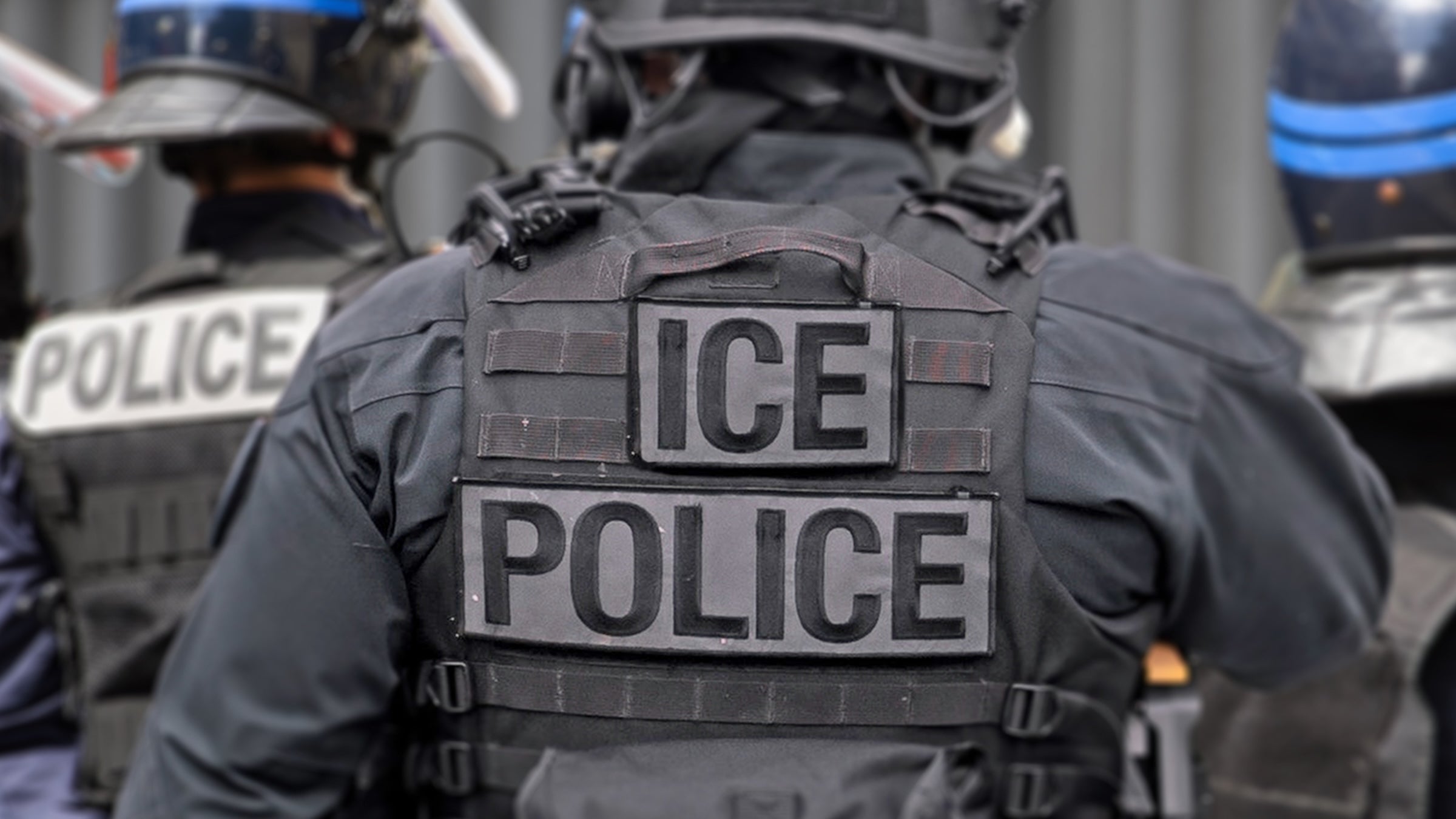
"Although Forest Service law enforcement officers and criminal investigators do not enforce immigration law, they collaborate with agencies that do. These partnerships may involve checkpoints, patrols, or targeted enforcement efforts in areas where public safety and federal land management responsibilities intersect."
Criticisms from Environmental and Immigrant Rights Groups
Civil rights and environmental organizations heavily criticized the collaboration, characterizing it as a misuse of public land resources and a betrayal of public trust.
Jackie Ostfeld, director of the Sierra Club’s Outdoors for All campaign, questioned the strategic use of agency assets:
"Why is it using limited agency resources to help immigration agents target families on public land? Actions like this will cause families to think twice about taking their children camping if they believe those responsible for protecting the campground could potentially turn them over to immigration authorities."
Olivia Juarez, director of the GreenLatinos Public Land Program, issued a scathing critique of the rangers’ conduct:
"Instead of prioritizing natural resource stewardship and education needs over a busy weekend in the forest, Mount Baker–Snoqualmie National Forest rangers were acting as immigration enforcement hounds. Family separation in a national forest should stir a sense of injustice in each of us who enjoyed some respite on our public lands this Labor Day."
Reuben S. Kerben, a managing attorney at the New York City-based Kerben Law Firm, noted that such partnerships represent a significant departure from historical norms:
"In the past, that sort of cooperation was very unusual. However, since the second Trump Administration, we’ve seen the unusual become usual, and interagency collaborations have become something that’s more commonplace."
Implications for Public Lands and Visitor Rights
The growing overlap between federal recreation management and immigration enforcement raises critical questions regarding civil liberties, public safety, and access to nature.
Legal Rights on Federal Lands
To clarify what visitors can expect when recreating on public lands overseen by agencies such as the USFS, the Bureau of Land Management (BLM), and the National Park Service (NPS), legal experts outline the balance between federal authority and constitutional protections:
- The Right to Approach: Federal officers, including park rangers and BLM personnel, do not require a warrant, probable cause, or even individualized suspicion to approach an open public campsite or initiate a casual conversation with visitors.
- Protection Against Warrantless Searches: While officers may approach freely, they do not possess the constitutional right to conduct warrantless searches of private spaces, such inside tents, recreational vehicles, or personal bags, without explicit consent, an emergency, or concrete evidence of wrongdoing.
- The Right to Remain Silent: The Fifth Amendment’s protection against self-incrimination applies fully on federal lands. Campers are never legally required to answer questions posed by law enforcement agents.
- Permit and Identification Checks: Rangers may legally request identification when necessary to verify regulatory compliance, such as checking a backpacking permit, hunting tag, or fishing license. However, answering inquiries regarding country of origin can provide officers with grounds to investigate immigration status further.
- Due Process for All Persons: Constitutional due process rights apply to every individual present within the United States, regardless of citizenship status, permanent residency, visa status, or manner of entry. Legal experts emphasize that individuals subjected to unlawful stops, searches, or coercion—even if undocumented—retain the right to challenge those actions through the judicial system.
A Chilling Effect on Outdoor Recreation
The broader implication of these raids is the potential creation of a "chilling effect" across America’s public lands. Organizations like the Sierra Club and GreenLatinos warn that if national parks and forests become perceived as zones of immigration enforcement, millions of immigrants, Hispanic families, and people of color may feel unsafe visiting federal lands.
As advocacy groups demand greater transparency from the U.S. Forest Service regarding its operational agreements with ICE, the incident serves as a flashpoint in the ongoing debate over the boundaries of federal authority, civil liberties, and who is truly welcome in America’s great outdoors.
