

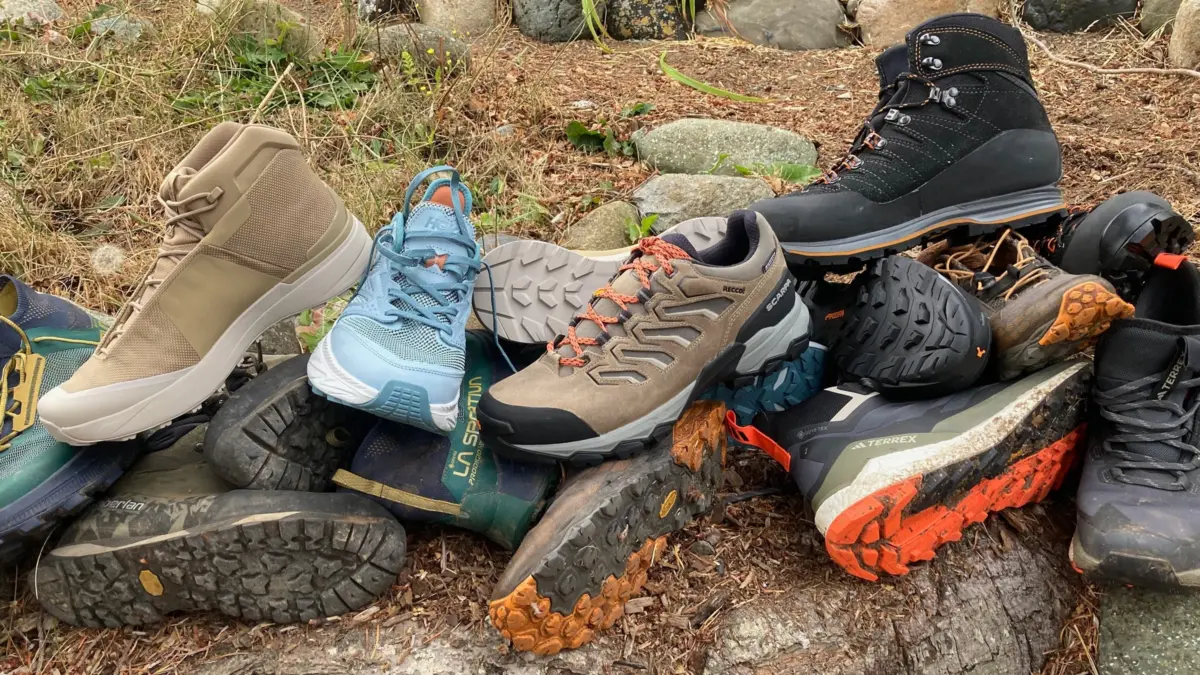
WASHINGTON — After years of design convergence between traditional trail runners and heavy-duty hiking boots, the outdoor footwear market has reached a functional crossroads. Modern hikers face a bewildering array of choices, balancing the lightweight agility of sneakers against the time-tested protection of leather mid-cuts. To parse through the marketing noise, a team of 15 backcountry testers spent months logging over 700 miles across North America, pushing footwear through everything from coastal rainforest mud to exposed alpine granite.

Published in October 2026, the latest industry evaluations reveal that while ultra-plush, sneaker-like hikers dominate day-tripping sectors, traditional materials and innovative bonding technologies are securing a resilient future for heavy-duty backpacking boots.
Chronology of Testing and Methodology
The evaluation process, managed throughout the 2025 and 2026 field seasons, relies on a grueling, multi-environment testing matrix.
- Phase One (Spring): Boots and low-top shoes are distributed to regional experts stationed across diverse climates—ranging from the damp, root-slick terrain of Vancouver Island to the wind-scoured summits of New England and the arid expanses of the American Southwest.
- Phase Two (Summer): Testers log consecutive weeks of high-mileage day hikes and multi-day backpacking excursions, intentionally fluctuating pack weights from light day-tripping loads up to 50 pounds.
- Phase Three (Fall Analysis): Footwear is returned for structural auditing. Testers evaluate outsole rubber degradation, waterproofing membrane integrity, midsole compression, and upper fabric fraying before cross-referencing qualitative data against historical benchmarks.
Supporting Data: Category Breakdowns and Top Performers
The 2026 testing cohort highlights how specific engineering solutions are tailored to exact backcountry needs.
1. Best Value: Keen Targhee IV Waterproof Mid
- Weight: 1.3 lbs | Sizes: 7–15
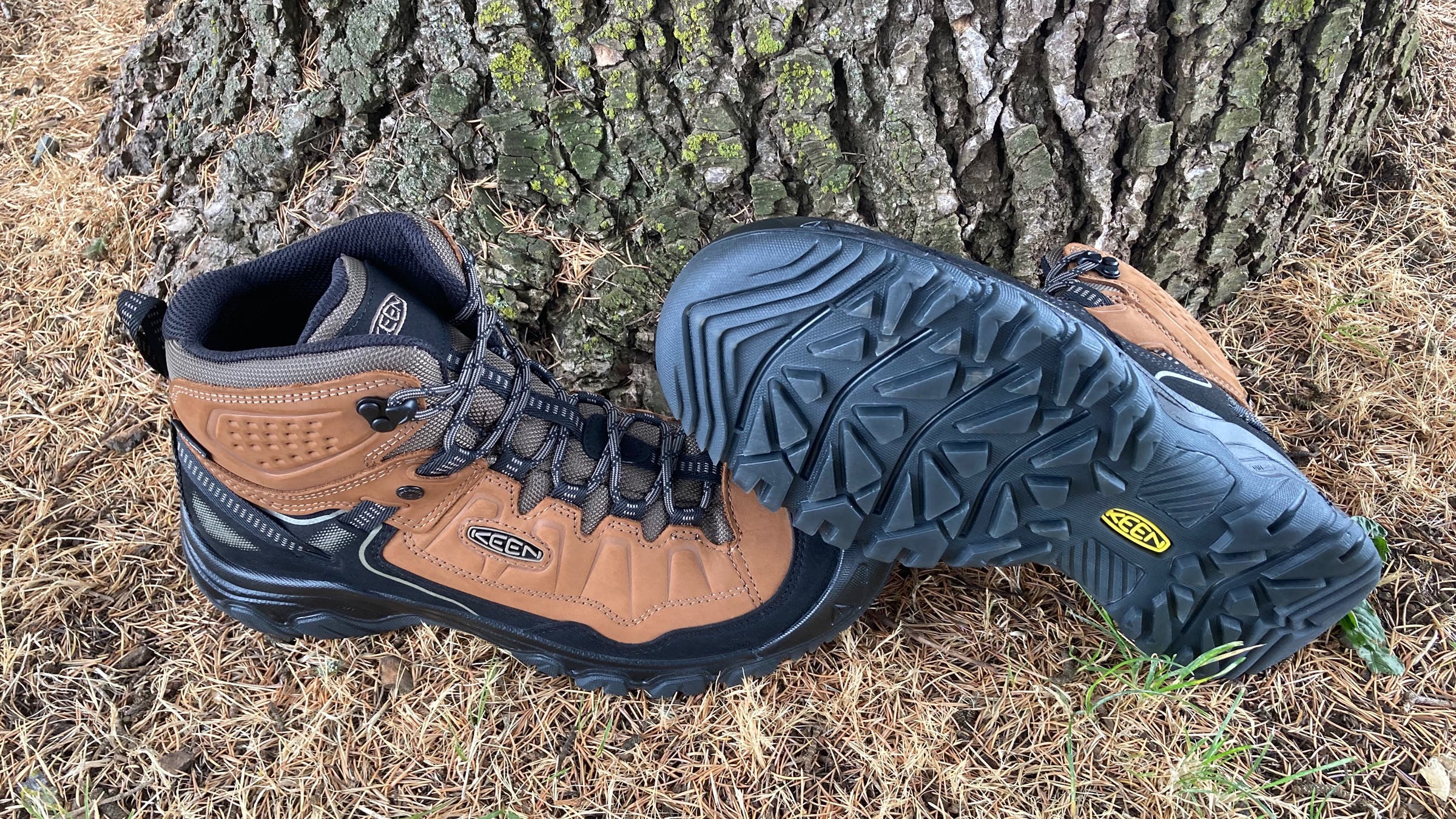
- The Core Innovation: The Targhee IV addresses the industry’s most common failure point—outsole delamination—through a novel mechanical bonding process that eliminates traditional glues. Backed by a lifetime guarantee against outsole separation, the full-leather, LWG-certified upper paired with a PFAS-free waterproof membrane proved nearly indestructible during long-term testing on Vancouver Island. While slightly heavy and slow to dry when fully saturated, it provides stable support for loads up to 40 pounds at an accessible price point.
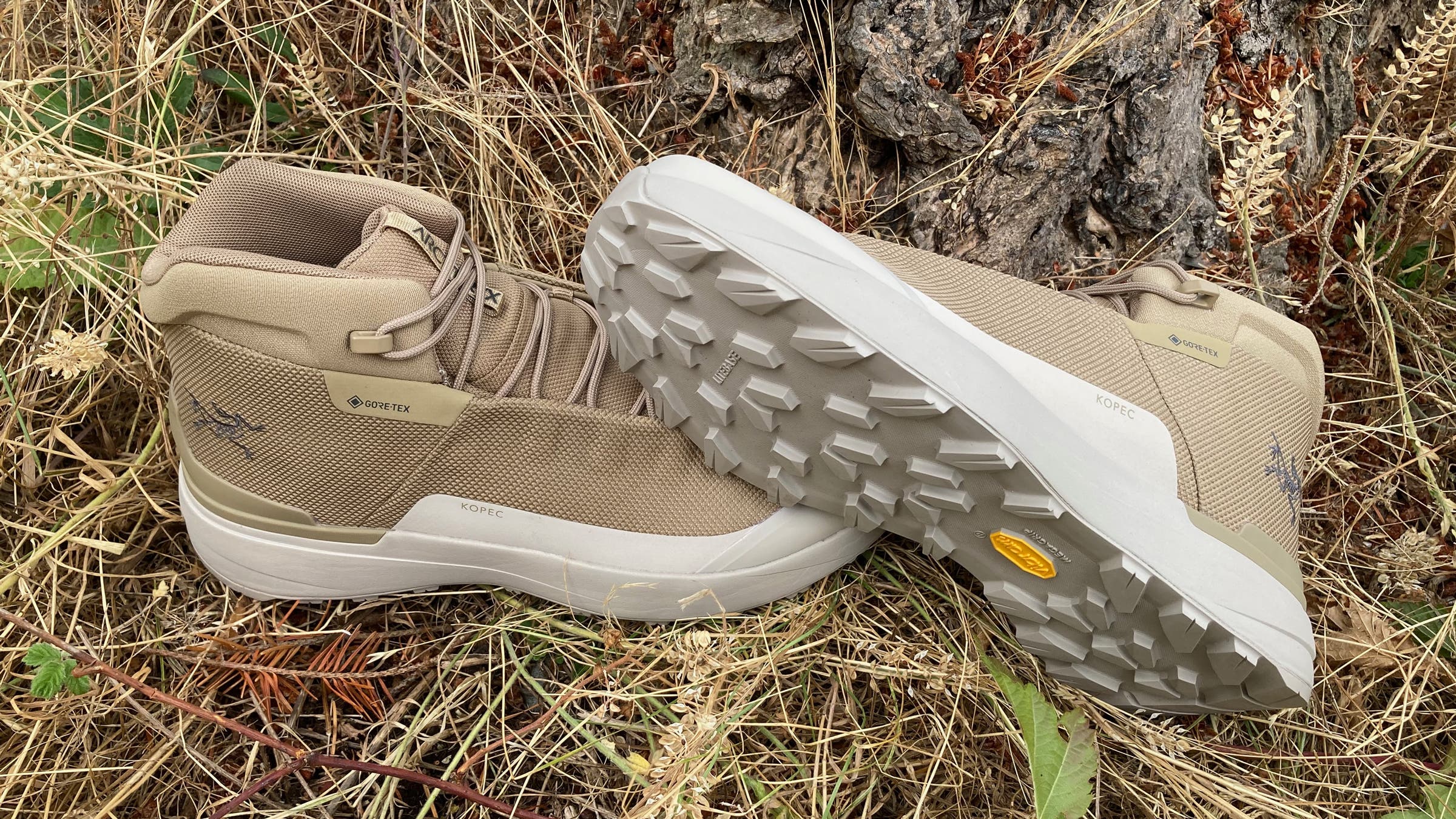
2. Best Do-It-All: Arc’teryx Kopec Mid GTX
- Weight: 12 oz | Sizes: 7–13
- The Core Innovation: Striking a rare balance between featherlight nimbleness and mid-height stability, the Kopec utilizes a Cordura canvas upper and a dual-density midsole. Testers noted an immediate, zero-break-in comfort level coupled with a Vibram Megagrip outsole. It remains the premier choice for fast-paced day hikes and light overnights under 30 pounds, though its narrow last favors lower-volume feet.
3. Most Supportive: Meindl Air Revolution Alpine 4.1
- Weight: 1.8 lbs | Sizes: 8–14 (D & EE widths)
- The Core Innovation: Built for rugged mountaineering and hauling heavy sub-50-pound packs, the 4.1 defies the traditional stereotype of stiff, punishing leather boots. Incorporating an innovative air-channel tongue design that pumps out warm air with every stride, it delivered surprising thermal comfort in 85-degree alpine conditions alongside an instant out-of-box fit.
4. Speediest & Sportiest: Adidas Terrex Freehiker 3 Ultra G
- Weight: 12.5 oz | Sizes: 4–15
- The Core Innovation: Bridging the gap between a high-performance running shoe and a technical hiker, the Freehiker 3 utilizes a gas-injected supercritical foam midsole for an exceptionally springy ride. Combined with a drawstring speed-lacing system and a bonded Gore-Tex membrane, it maximizes forward momentum on smooth-to-moderate terrain, though its sock-like build can trap heat in humid environments above 80 degrees.
Additional Category Winners
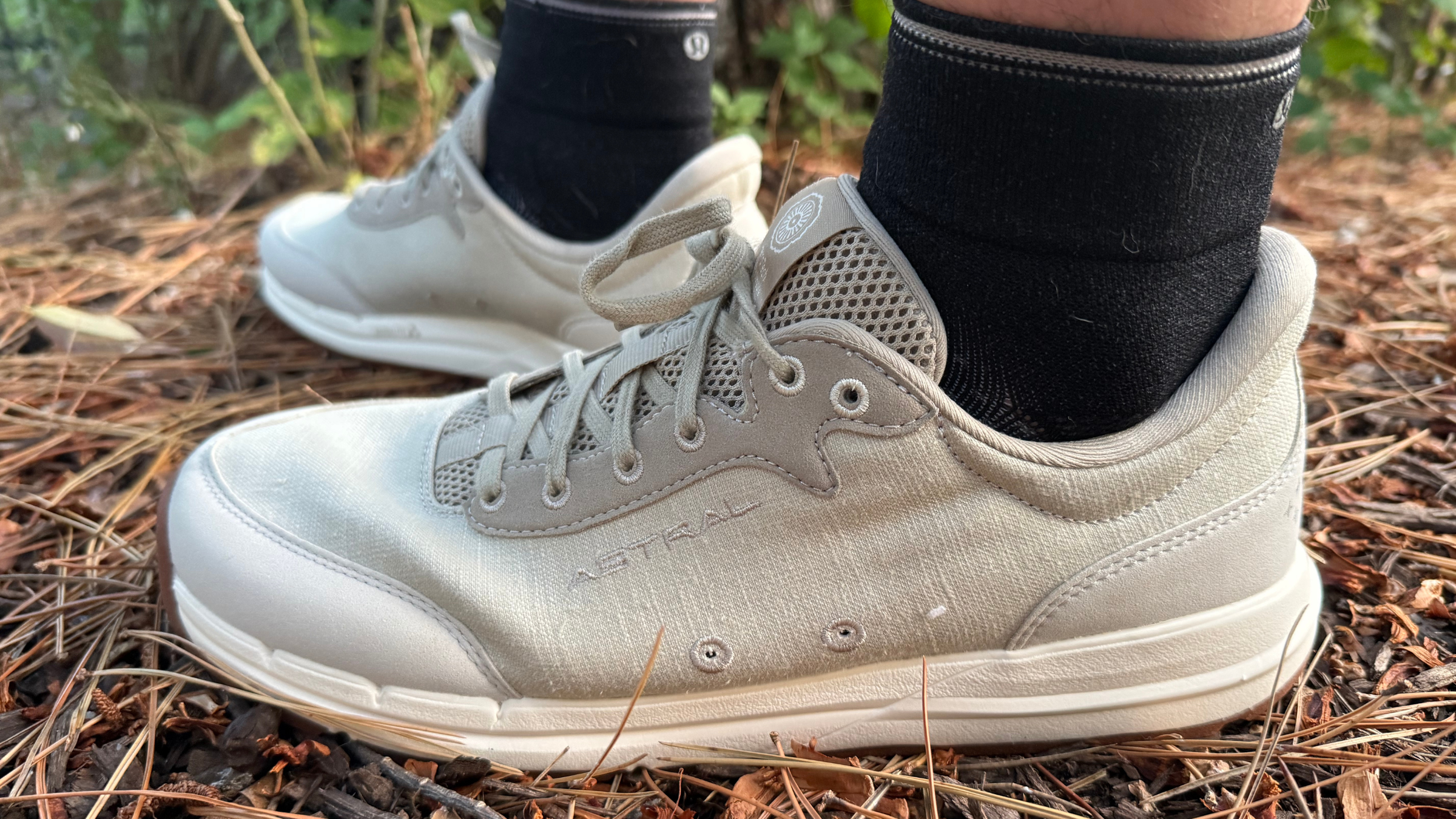
- Best Minimalist: Astral TR1 Sensi HT (9.1 oz) — Features a hemp-dominant, highly breathable upper and wide toe box designed for natural, zero-drop strides on gentle terrain.
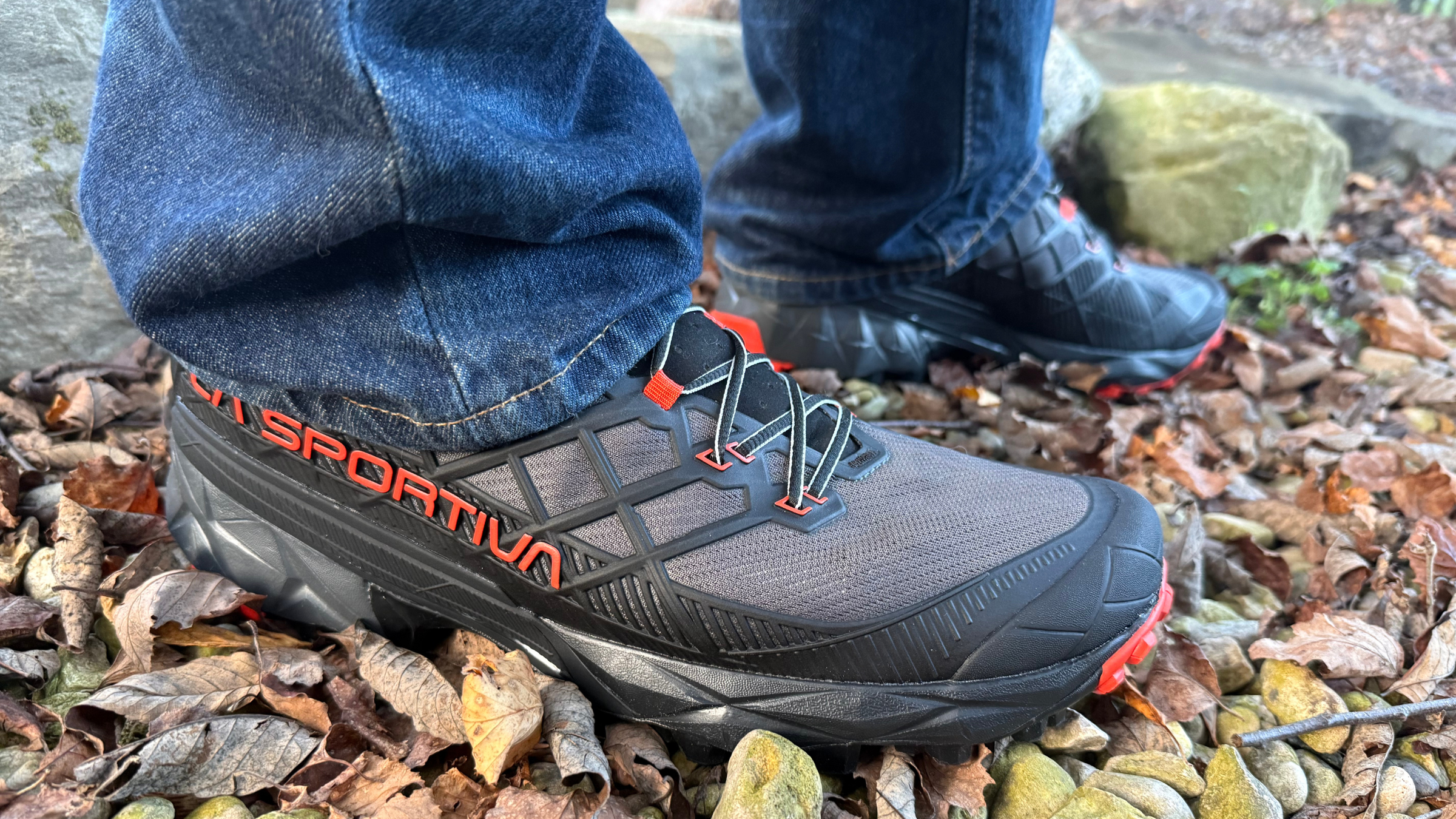
- Best Low-Top: La Sportiva Akyra II (12.8 oz) — Exceptional stability derived from a bonded plastic-rubber exoskeleton, offering high-cut security in a low-profile package.
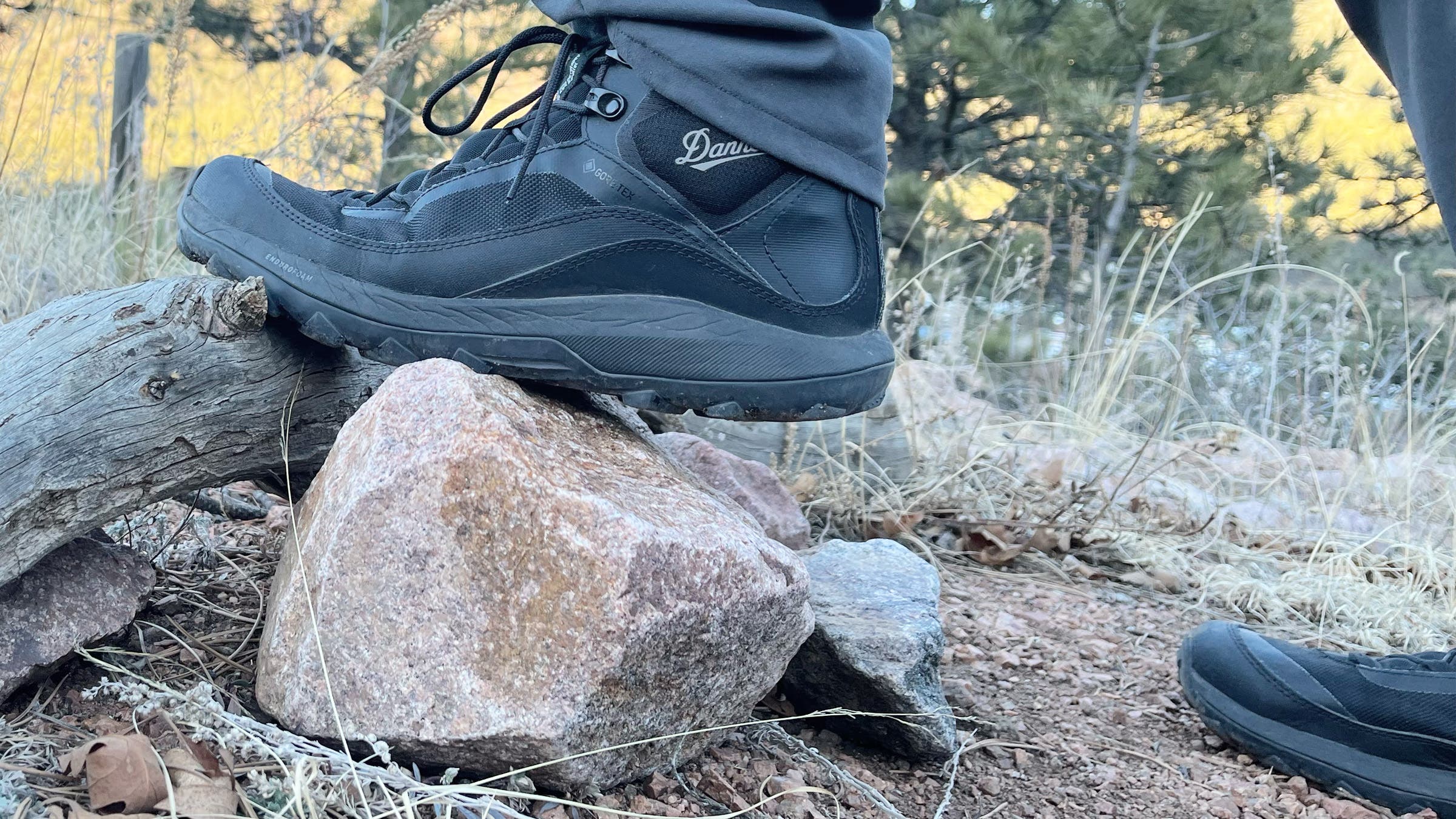
- Best for Backpacking: Danner N45 Mid GTX (14.5 oz) — Combines futuristic aesthetics with nitrogen-infused foam and a robust TPU rock plate for multi-day resilience.
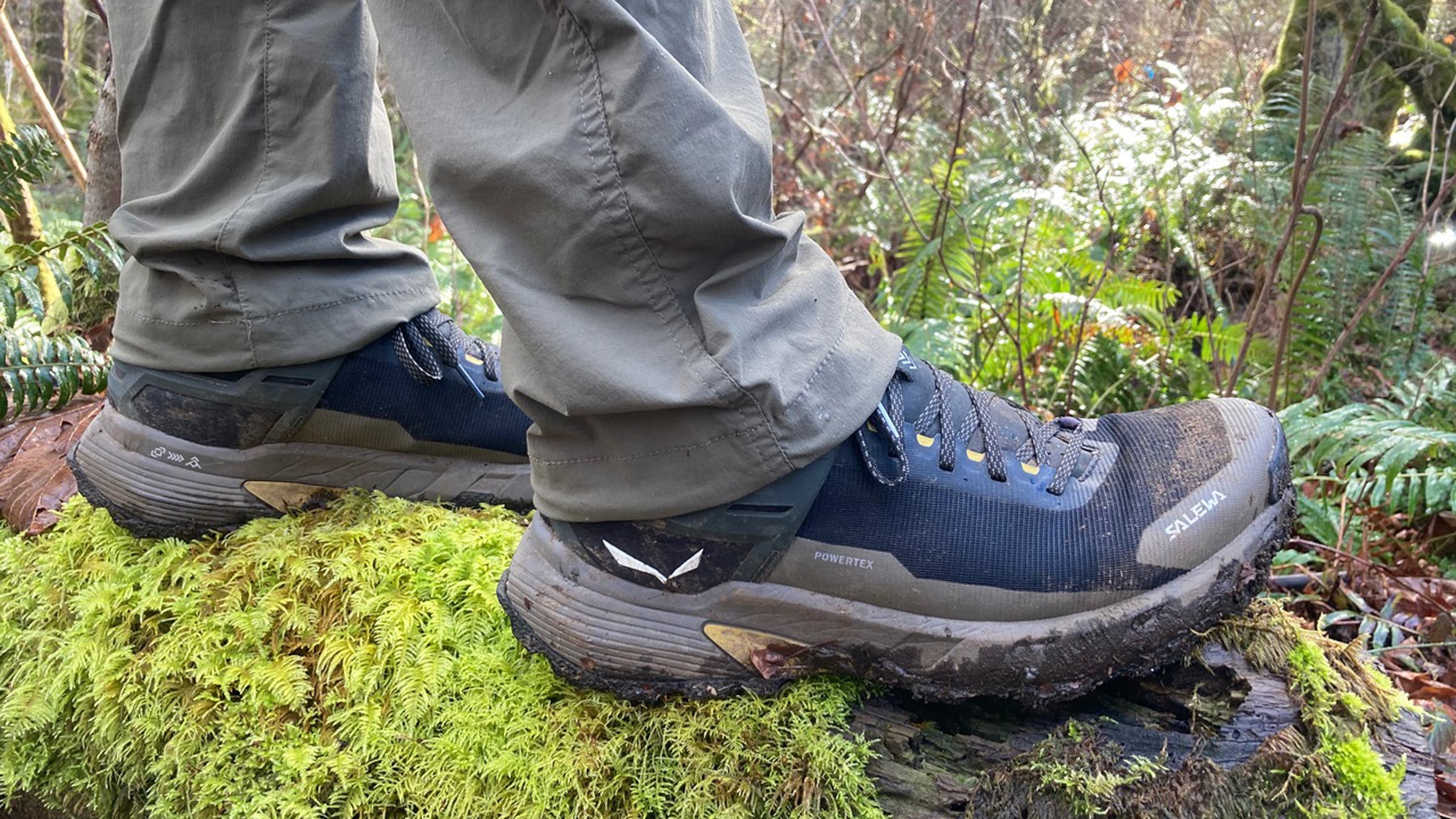
- Best for Fast Day Hikes: Salewa Pedroc 2 Mid PTX (13.9 oz) — Flexible non-expanded EVA layer paired with aggressive V-shaped lugs for steep, technical ascents.
- Grippiest: Salomon X Ultra 5 Mid GTX (16 oz) — Features Contagrip All-Terrain rubber that inspires absolute confidence on wet logs and mossy rock.
- Best Cushion: Merrell SpeedArc Matis (10.6 oz) — Delivers a maximalist, gel-like ride that prevents foot fatigue on gravel paths, despite sacrificing ground-feel.
- Most Durable Dayhiker: AKU Flyrock GTX (13 oz) — An armadillo-like TPU-stripped upper that maintains a mint condition after 150+ miles of rugged trail use.
- Best for Scrambling: Zamberlan Salathe Trek GTX (1.1 lbs) — A 6-inch suede mid-cut built around an approach-shoe DNA, featuring exceptional smearing and edging capabilities.
Official Industry Responses and Material Shifts
Footwear manufacturers are increasingly navigating conflicting consumer demands: the desire for instantaneous comfort versus long-term durability.
In official statements accompanying the 2026 product releases, brands emphasize sustainability and chemical transparency. The widespread adoption of PFAS-free water-repellent (DWR) coatings—evident in models like the Keen Targhee IV and Astral Sensi HT—demonstrates compliance with tightening environmental regulations without sacrificing weather resistance. Furthermore, brands are investing heavily in supercritical foam innovations (seen in Adidas, Danner, and Merrell lineups) to deliver high-energy return without accelerating midsole packing-out.
Economic and Consumer Implications
For the everyday outdoor enthusiast, the 2026 market underscores a shift toward specialization. Consumers can no longer rely on a single "do-it-all" boot unless they are willing to accept compromises in weight or rigidity.
- The Cost of Durability: Premium, resoleable all-leather options like the Meindl Air Revolution and Zamberlan Salathe Trek demand a higher upfront investment (often exceeding $250–$300), but offer multi-year lifespans that ultimately reduce per-year footwear expenditures.
- Sizing Complexities: As brands merge athletic shoe geometries with traditional boot lasts, fit consistency has fractured. Testers repeatedly noted that modern low-tops and speed-hikers require careful in-person fitting to account for brand-specific narrow toe boxes or heel slippage.
- The Sustainability Factor: With consumer awareness shifting toward circular economy models—highlighted by Keen’s delamination guarantees and Zamberlan’s resoleable platforms—disposable, short-lifecycle mesh hikers are facing increased scrutiny from eco-conscious buyers.
Ultimately, choosing the right footwear in 2026 depends less on generalized brand loyalty and more on matching structural stiffness, pack weight capacity, and climate-specific breathability to the exact demands of the trail.
