


Walking into a commercial gym for the very first time can easily feel like stepping onto an alien landscape. Rows of heavy, gleaming metal plates, complex mechanisms of cables and pulleys, and seasoned regulars moving with quiet, intuitive confidence can trigger an immediate sense of imposter syndrome. Newcomers often find themselves quietly wondering where to place their water bottle, how to decode half the specialized equipment, and whether anyone is judging their completely uninitiated technique.
Yet, fitness experts emphasize a universal truth that often gets lost in the intimidation: everyone starts at square one.
No one walks into a weight room inherently knowing how to brace their core for a proper barbell squat, nor do they intuitively understand the exact weight increment to select on a chest press machine. Gym confidence is never a prerequisite for starting; rather, it is a byproduct built slowly over time, one intentional workout at a time.
Fortunately, beginning your fitness journey does not require a hyper-complex, professional-grade training regimen or years of prior athletic experience. By adopting a few foundational principles, beginners can navigate their initial months in the gym with clarity, efficiency, and safety.
The Main Facts: Overcoming the Fear of the Unknown
For decades, the fitness industry has projected an image of intense, hardcore training that can alienate everyday individuals seeking to improve their health. However, modern exercise science and coaching methodologies focus heavily on accessibility and long-term adherence.
The core reality of starting a fitness journey is that physiological adaptation responds best to consistency, simplicity, and progressive overload—not erratic, punishing workouts. Beginners are generally advised to commit to two to four sessions per week, focusing on fundamental movement patterns rather than isolating tiny muscle groups with exotic exercises.

By prioritizing structure, mastering warm-ups, and utilizing beginner-friendly machinery before graduating to free weights, novices can significantly reduce their risk of injury while accelerating their path to functional strength.
Chronology of a Beginner’s Journey: From Intimidation to Integration
Understanding how a fitness habit naturally evolves can help demystify the process and set realistic expectations for newcomers over their first six months.
Months 1 to 2: Establishing Familiarity and Logistics
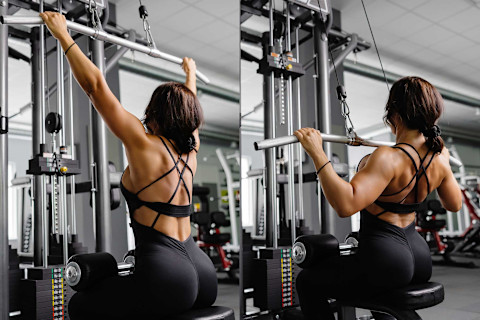
During the initial weeks, the primary goal is not breaking personal records; it is building logistical and psychological familiarity. This phase involves learning the layout of the facility, understanding peak hours, getting comfortable wearing appropriate athletic gear, and mastering the basic operational setup of staple machines like the leg press and lat pulldown. Workouts should feel controlled, and leaving the gym with energy in reserve is a sign of intelligent pacing.
Months 3 to 4: Refining Movement Patterns and Building Consistency
Once the physical environment feels less foreign, the focus shifts toward refining the four primary movement patterns: squats, hinges, pushes, and pulls. At this stage, neuromuscular pathways begin to strengthen, meaning the brain and muscles communicate more efficiently. Workouts become routine rather than sources of anxiety, and the habit loop of regular exercise firmly solidifies in the individual’s weekly schedule.
Months 5 to 6 and Beyond: Expanding the Toolkit
As confidence peaks, the intermediate beginner can safely begin experimenting with free weights—such as dumbbells and barbells—to challenge stability and engage stabilizing musculature. At this point, the gym no longer feels like a foreign planet; it becomes a familiar, welcoming space dedicated to personal empowerment and continuous self-improvement.
Supporting Data and Scientific Insights
Research into exercise psychology and long-term physical adherence consistently highlights the critical role of structured programming over random, ad-hoc physical activity.

According to studies tracking long-term exercise adherence, individuals who follow a structured, predictable routine are significantly more likely to maintain their training habits over years, rather than weeks. Randomly bouncing between machines or copying whatever exercise another gym-goer is performing creates high levels of "decision fatigue," ultimately leading to burnout or abandonment of the fitness routine.
Furthermore, sports science underlines the necessity of progressive overload—the gradual increase of stress placed upon the body during exercise. Without a structured baseline tracking repetitions, sets, or resistance levels, measuring progress becomes impossible.
Data also highlights the physiological necessity of warm-ups. Spending just 5 to 10 minutes on dynamic mobility work and light cardiovascular priming increases core body temperature, lubricates synovial joints (reducing friction), and primes the nervous system for efficient force production. Skipping this phase not only compromises immediate performance but also elevates the risk of acute muscle strains.
Expert Perspectives and Professional Guidance
Fitness coaches, physical therapists, and exercise physiologists overwhelmingly advocate for a patient, methodical approach to strength training.
"The biggest mistake we see among beginners is an eagerness to match the weights and complexity of advanced lifters right out of the gate," notes Dr. Elena Vance, a doctor of physical therapy specializing in sports rehabilitation. "Advanced lifters have spent years conditioning their tendons, ligaments, and central nervous systems. A beginner rushing into heavy, complex lifts is essentially inviting an overuse injury."
Coaches also emphasize the irreplaceable value of machines during the early developmental phases. While internet culture often frames weight machines as "inferior" to free weights, professionals view them as vital educational tools.
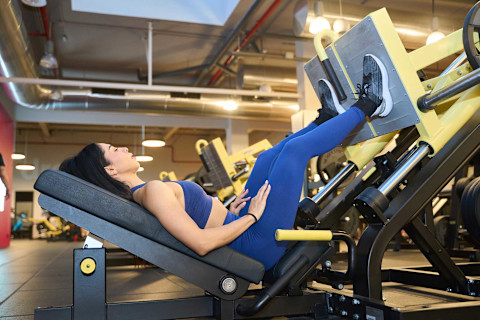
"Machines take stabilization out of the equation," explains strength and conditioning coach Marcus Thorne. "When a beginner uses a chest press or leg press machine, they don’t have to worry about balance or grip fatigue. They can put 100% of their mental focus into feeling the target muscle contract. That mind-muscle connection is invaluable."
Practical Implementation: The Blueprint for Your First Month
To bridge the gap between theory and practice, beginners should structure their workouts around core elements that promote safety, efficiency, and steady progress.
1. The Anatomy of a Simple Warm-Up
A proper warm-up does not need to be complicated or exhausting. It should gently elevate your heart rate and prepare your joints for the movements ahead. A reliable routine includes:
- Light Cardio: 3 to 5 minutes on a stationary bike, treadmill, or elliptical to increase systemic blood flow.
- Dynamic Mobility: Bodyweight movements such as arm circles, leg swings, torso twists, and gentle bodyweight squats to take joints through their full range of motion.
- Movement Rehearsal: Performing one or two very light practice sets of your first scheduled exercise before adding working weight.
2. Mastering the Four Fundamental Movement Patterns
Nearly every effective exercise in strength training can be categorized into one of four fundamental movement patterns:
- Squat: Knee-dominant lower-body movements (e.g., leg press, goblet squat).
- Hinge: Hip-dominant lower-body movements focusing on the glutes and hamstrings (e.g., Romanian deadlift, hip thrust).
- Push: Upper-body pressing movements targeting the chest, shoulders, and triceps (e.g., push-ups, chest press machine, overhead press).
- Pull: Upper-body pulling movements targeting the back and biceps (e.g., lat pulldown, seated cable row).
3. Essential Beginner Machines
When first navigating the gym floor, mastering three staple machines will build a strong foundation for your lower and upper body:
- The Leg Press: Targets quads, glutes, and hamstrings safely while protecting the lower back through guided stability.
- The Lat Pulldown: Builds upper-back and lat strength, laying the groundwork for future unassisted pull-ups.
- The Chest Press: Simulates a horizontal push pattern with adjustable resistance, letting you control the eccentric (negative) portion of the lift.
4. Repetitions, Sets, and Rest Intervals
Keep programming streamlined. A standard, highly effective template for beginners is:
- Sets: 2 to 3 working sets per exercise.
- Reps: 8 to 12 repetitions per set. This range strikes an optimal balance between technical practice and muscular stimulus.
- Rest: 60 to 90 seconds of rest between sets to allow your phosphagen energy system to recover.
Implications for Long-Term Health and Lifestyle
The decision to step into a gym and begin a resistance training routine carries profound implications that extend far beyond physical aesthetics.
From a public health perspective, consistent strength training in adults is directly correlated with improved bone mineral density (mitigating the risk of osteoporosis later in life), enhanced metabolic health, better insulin sensitivity, and improved mental health markers, including reduced symptoms of anxiety and depression.
Furthermore, mastering physical challenges in a structured gym environment often translates to psychological resilience outside the facility. Overcoming the initial intimidation of the weight room fosters self-efficacy—the internal belief in one’s ability to execute behaviors necessary to produce specific performance attainments. When an individual realizes they are capable of lifting heavier weights, performing difficult movements, and showing up consistently despite initial discomfort, that confidence inevitably bleeds into professional and personal spheres.
Ultimately, the ultimate takeaway for any newcomer is that the gym is not a theater of judgment, but a laboratory for personal growth. The awkwardness of the first week fades quickly, replaced by the profound satisfaction of physical capability, mental grit, and a sustainable, lifelong routine. You do not need to know everything on day one. You simply need to take the first step.
