

October 3, 2026 — For decades, the standard nutritional playbook for cardiovascular health has relied on broad, familiar guidance: load up on green vegetables, opt for healthy plant-based fats, and keep a watchful eye on saturated fats. While these time-tested pillars remain foundational, the conversation surrounding cardiology and nutrition is shifting from general categories to granular chemistry.
A landmark review recently published in Frontiers in Nutrition is helping to accelerate that shift. By looking past subjective food questionnaires and examining direct biomarkers in the bloodstream, researchers have mapped out how specific circulating nutrients correlate with coronary heart disease (CHD)—the leading cause of cardiovascular mortality worldwide, characterized by the narrowing or blockage of the arteries supplying blood to the heart.
1. Main Facts: The Blood Biomarker Breakthrough
At its core, the new analysis breaks away from traditional dietary tracking methods. Instead of asking participants to recall what they ate over the past year—a method notoriously vulnerable to human memory gaps and reporting errors—the study pooled data from 27 distinct observational trials that actually measured physical nutrient levels circulating inside human blood.
By analyzing the bloodstream directly, researchers gained an objective snapshot of the vitamins, minerals, and metabolites present in the body. Out of numerous compounds evaluated, five distinct nutrients stood out with strong statistical ties to coronary heart disease risk. Three of these blood markers were associated with a reduced likelihood of developing CHD, while two were linked to an elevated risk.
This distinction between dietary intake and blood concentration is critical. How the human body absorbs, processes, and utilizes nutrients varies significantly from person to person based on genetics, gut microbiome health, metabolism, and lifestyle factors. Consequently, tracking what circulates in the plasma offers a much clearer window into actual physiological risk than simply tallying up grocery receipts.
2. Chronology: How Nutritional Epidemiology Evolved
To understand why this latest 2026 analysis represents a major milestone, it helps to look at the timeline of nutritional cardiology:
- The Mid-20th Century (The Diet-Heart Hypothesis): Early researchers like Ancel Keys began linking dietary saturated fats and serum cholesterol to rising rates of heart attacks, establishing the early frameworks of modern cardiovascular dietary advice.
- The Late 20th Century (Epidemiological Questionnaires): Large-scale cohorts, such as the Nurses’ Health Study and the Framingham Heart Study, began utilizing Food Frequency Questionnaires (FFQs). While immensely valuable, these surveys relied heavily on participants remembering and accurately reporting complex daily diets.
- The Rise of Biomarker Science (2010s): Nutritional science recognized the limitations of self-reported data. Researchers increasingly turned to metabolomics and blood plasma assays to measure biological samples directly, bypassing the inaccuracies of human memory.
- The Current Synthesis (2026): By compiling 27 independent biomarker-based studies, the new Frontiers in Nutrition meta-analysis bridges the gap between raw biochemical presence and long-term cardiovascular outcomes, offering a sharper, more objective lens on heart health than ever before.
3. Supporting Data and Methodology
The analytical framework behind the October 2026 publication relied on rigorous meta-analytic techniques. Observational studies tracking individuals over extended periods were selected only if they met strict criteria: they had to measure baseline nutrient biomarkers in the blood and clinically track the subsequent development of coronary heart disease.
Understanding the Mechanism
When scientists measure blood nutrient levels, they are looking at the net result of multiple biological processes:
- Ingestion: What enters the digestive tract via food or supplementation.
- Absorption: How efficiently the gut lining transfers those molecules into circulation.
- Metabolism: How the liver and other organs process, utilize, or store those compounds.
- Excretion: How the body eliminates excesses.
Because of this complex pipeline, elevated or depressed blood levels do not always translate linearly to eating more or less of a specific food. However, they do indicate which chemical environments within the cardiovascular system are hospitable to arterial health—and which ones correlate with inflammation, plaque buildup, and vascular stress.
4. Official Responses and Expert Perspectives
The release of the analysis has sparked considerable dialogue among cardiologists, registered dietitians, and nutritional epidemiologists. While experts generally praise the shift toward objective biomarker research, they urge caution against reductionist interpretations.
"Measuring nutrients in the bloodstream gives us a high-definition photograph of what is happening inside a patient at a given moment," notes Dr. Elena Vance, a clinical lipidologist who was not involved in the study. "However, a photograph is not a movie. It shows us associations, but it doesn’t automatically prove causation."
Other health professionals emphasize that individual variability remains the ultimate hurdle in nutritional science. For instance, micronutrients like vitamin D and certain trace minerals are heavily influenced by non-dietary variables, such as sun exposure, genetics, and underlying inflammatory states.
"We must avoid the trap of nutrient isolation," warns Marcus Thorne, a registered dietitian specializing in preventive cardiology. "People often read about a specific nutrient and immediately run out to buy high-dose supplements. But the human body evolved to process these compounds within the complex matrix of whole foods, surrounded by fiber, antioxidants, and co-factors that supplements simply cannot replicate."
5. Practical Implications for Your Daily Plate
While the 2026 analysis shines a sophisticated scientific spotlight on individual molecules, it does not rewrite the fundamentals of how humans should eat. Instead, it reinforces why traditional, wholesome dietary patterns work so effectively.
Because observational research cannot definitively prove that artificially altering a single blood nutrient will prevent a heart attack, the safest and most effective approach is to focus on sustainable, whole-food patterns that naturally foster a healthy internal biochemistry.
Heart-Conscious Dietary Strategies
You do not need to schedule a battery of expensive blood panels or track your daily micronutrient intake to support your cardiovascular system. Incorporating these everyday habits aligns seamlessly with modern clinical findings:
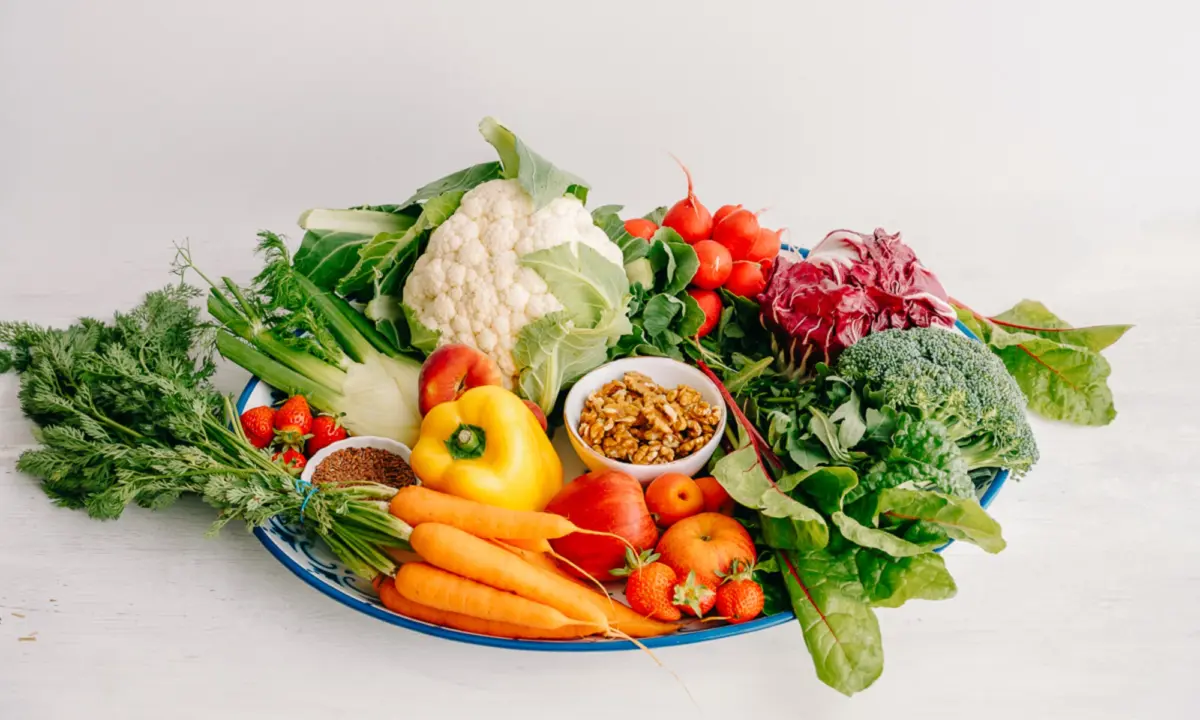
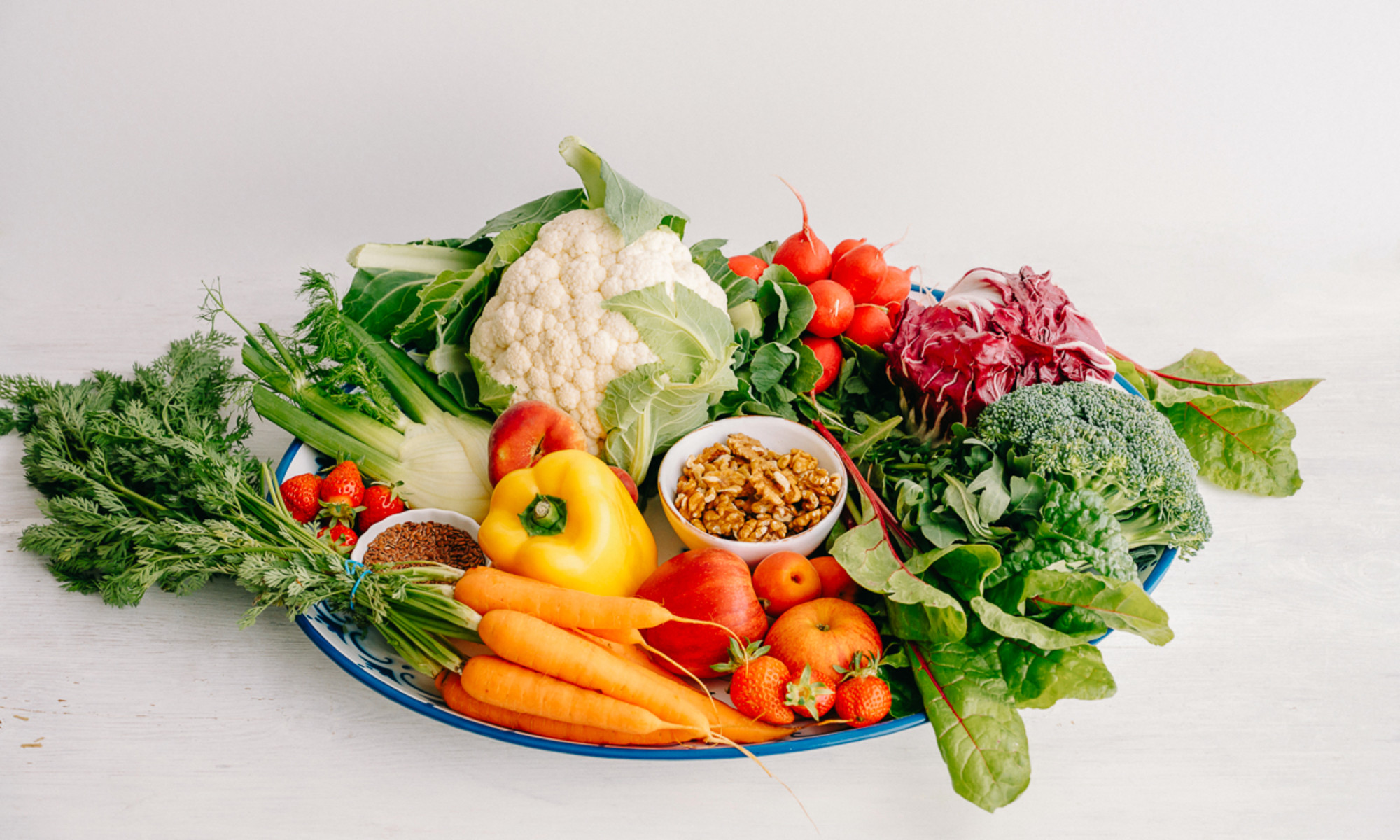
- Prioritize a Colorful Produce Rotation: Fill your plate with deeply pigmented fruits and vegetables—such as leafy greens, berries, bell peppers, and root vegetables. These foods deliver a rich array of antioxidants and phytonutrients that protect vascular tissues.
- Embrace Healthy Unsaturated Fats: Incorporate sources of omega-3 fatty acids and monounsaturated fats, such as wild-caught fatty fish (salmon, sardines, mackerel), extra virgin olive oil, avocados, raw nuts, and seeds.
- Minimize Processed and Saturated Fats: Reduce your reliance on heavy animal fats, butter, palm oil, and heavily processed convenience foods, which can negatively alter circulating lipid and nutrient profiles over time.
- Consult Health Professionals Before Supplementing: Because individual needs for specific vitamins and minerals vary dramatically based on genetics and lifestyle, always work with a physician or registered dietitian before introducing high-dose supplements into your routine.
The Takeaway
The latest 2026 review in Frontiers in Nutrition represents an important evolution in how we study the intersection of food and the human heart. By moving beyond vague food categories and examining circulating blood biomarkers, researchers are bringing unprecedented precision to cardiovascular science.
Yet, the ultimate prescription remains refreshingly straightforward. While science continues to decode the complex dance of molecules within our bloodstream, the most reliable path to protecting your arteries is a consistent, balanced lifestyle: one rich in vibrant plant foods, healthy fats, and whole, minimally processed ingredients, backed by professional medical guidance tailored to your unique biochemistry.
