

By The Wellness & Biomechanics Desk
Published October 7, 2026
Main Facts: The Anatomy of an Overlooked Foundation
When it comes to fitness, physical therapy, and aesthetic goals, human anatomy tends to be evaluated from the ankles upward. Society invests an extraordinary amount of mental real estate—and physical effort—into targeting major muscle groups: the biceps, quads, hamstrings, glutes, and abs. People track them, obsess over them, and build intricate training blocks designed to sculpt or strengthen them.
Yet, an entire anatomical command center is routinely ignored: the foot.
Contained within each human foot are 29 distinct muscles, 26 bones, 33 joints, and thousands of sensory mechanoreceptors. These complex structures work continuously beneath the surface to distribute load, absorb shock, and maintain upright posture. Despite their critical role, modern daily habits treat the feet as an afterthought. People routinely ice sore hamstrings, foam roll tight IT bands, and dedicate entire gym sessions to shoulder mobility, only to slide their feet into narrow, highly cushioned sneakers and call it a day.
According to leading biomechanics and longevity experts, this disconnect is a glaring blind spot in modern wellness. The foot serves as the primary contact point between the human body and the physical world. Every step taken is part of an ongoing neurological and muscular feedback loop. When this foundation is neglected or artificially restricted by footwear, the consequences ripple far beyond the toes.
Chronology: A Month-Long Personal Experiment in Foot Re-Education
Recognizing a potential blind spot in her own physical routine, one wellness writer decided to run a self-directed experiment. The goal: abandon passive foot care and intentionally integrate foot awareness, targeted strength work, and minimalist footwear into daily life for 30 days.
Week 1: Introducing Toe Spacers and Confronting Stiffness
The first step of the experiment involved introducing toe spacers, typically worn in the evenings while relaxing on the couch. For someone accustomed to years of sports and long-distance running, the initial sensation was not painful, but deeply unfamiliar and slightly uncomfortable.

Around the same time, exposure to high-resolution imagery of elite athletes’ feet revealed a sobering reality: years of high-impact training inside narrow, structured footwear had visibly compressed and crowded their toes. Motivated to avoid long-term structural degradation, the writer leaned into using toe spacers consistently, particularly after high-lateral-movement activities like pickleball. Within a couple of weeks, the discomfort faded, replaced by an unexpected feeling of relief.
Week 2: Targeted Strength Work and Isolation
Next came the implementation of foot-specific strength protocols. This did not require heavy gym equipment. Instead, the routine focused on:
- Eccentric calf raises: Slow, controlled descents that target the lower leg and foot structures.
- Short-foot exercises: Actively engaging the arches without curling the toes.
- Barefoot balance drills: Practicing single-leg stability on firm surfaces.
- Toe isolation trials: Attempting to move individual toes independently—an exercise described as both humbling and revealing.
Because these exercises could be performed while standing at a desk during work hours, barriers to entry were virtually nonexistent. The primary takeaway was just how weak and uncoordinated these neglected muscles truly were.
Week 3: Eliminating House Slippers and Auditing Footwear
To increase natural ground stimulation, the writer made a reluctant sacrifice: giving up cozy indoor slippers in favor of walking barefoot or in socks around the home. Additionally, a comprehensive footwear audit was conducted.
Daily-wear shoes—such as walking sneakers and training shoes—were inspected for toe box width, sole flexibility, and cushioning depth. Recognizing that standard running shoes often dampen sensory input, the experiment shifted toward functional, minimalist alternatives.
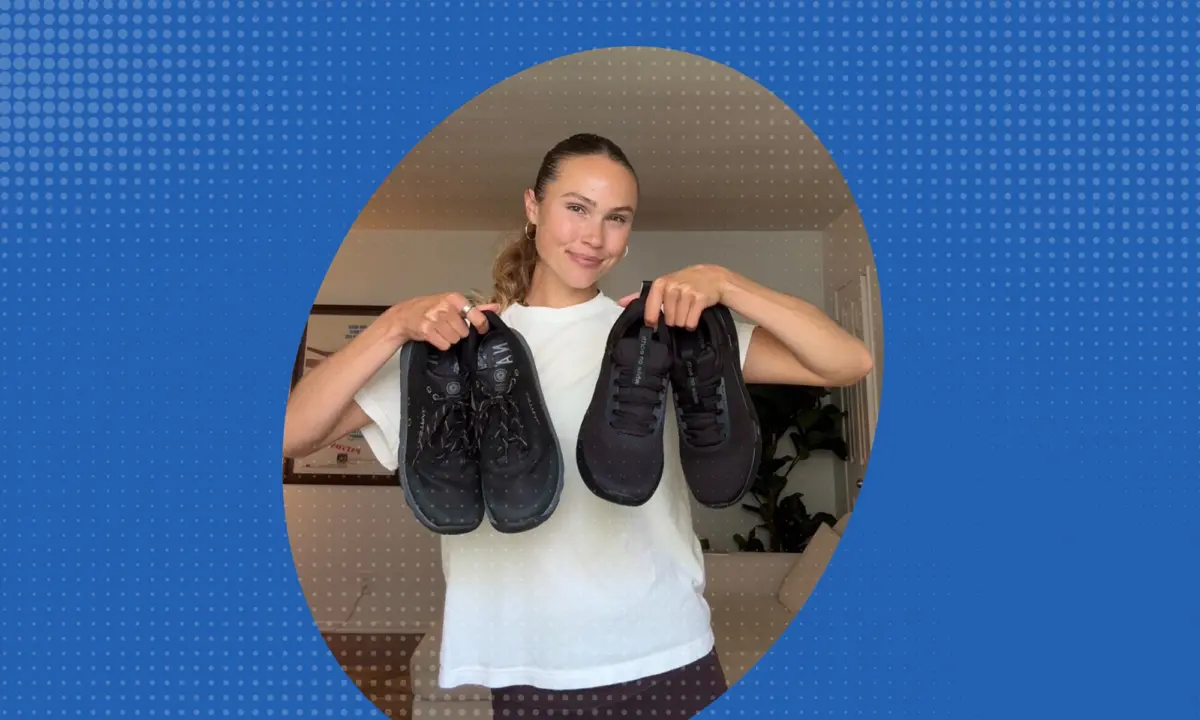
The writer introduced two specific pairs of shoes into the rotation:
- Astral TR1 Sensi HT: A zero-drop shoe featuring a wide toe box and natural fibers, utilized for lower-impact walks, errands, and light training days. Transitioning to zero-drop footwear was done gradually to allow the calves and Achilles tendons to adapt safely.
- While on Earth’s Move Trainer: A shoe featuring a wider toe box and a minimal 6mm heel-to-toe drop, providing slightly more cushion for high-impact workout days and longer walks.
Week 4: Integration and Sensory Awakening
By the final week of the experiment, returning to traditional, narrow-toed footwear felt noticeably restrictive. The increased sensory feedback and improved toe splay created a permanent shift in daily awareness. Standing posture, weight distribution, and balance during complex movements had fundamentally changed.
Supporting Data and Expert Insights: The Biomechanics of Aging
The anecdotal findings of a 30-day foot health experiment are strongly backed by clinical research and orthopedic science.
Dr. Courtney Conley, a prominent chiropractic physician and expert in foot and gait mechanics, emphasizes that foot function is a direct predictor of long-term healthspan and physical independence. According to clinical observations, declining foot strength directly correlates with:
- Reduced gait speed: Slower walking speeds in older adults are consistently linked to increased frailty and higher mortality rates.
- Increased fall risk: Loss of proprioceptive feedback from the soles of the feet impairs balance and spatial awareness.
- Loss of independence: Decreased mobility heavily restricts an aging individual’s quality of life.
The Problem with Modern Cushioning
Modern footwear is engineered for immediate comfort, but this comfort often comes at the expense of biomechanical function. Heavily cushioned running shoes and athletic trainers act as a physical buffer, dampening the sensory signals sent by mechanoreceptors on the soles of the feet.
When the brain receives reduced positional information, it creates micro-instabilities under heavy loads—such as during a barbell squat, a lunge, or a lateral cut on a tennis court. These micro-instabilities do not remain localized in the foot. Instead, they travel upward through the kinetic chain, creating compensation patterns that manifest as ankle instability, chronic knee pain, hip dysfunction, and lower back tightness.
Official Responses and Industry Shifts
The wellness industry is beginning to catch up to the science of foot health. In recent years, the market has seen a surge in "functional footwear," minimalist running shoes, and toe-splay accessories.
Athletic trainers, physical therapists, and podiatrists are increasingly advocating for "foot core" training. Just as core stability training transformed how fitness enthusiasts approach spinal health, foot core training focuses on activating the intrinsic muscles of the foot to establish a stable base of support.
Footwear manufacturers are responding by redesigning training shoes to feature wider, anatomically shaped toe boxes that allow the toes to splay naturally under load. This represents a stark departure from the tapered, narrow-toe designs that dominated athletic shoe manufacturing for decades.

Implications: Building a Lifetime of Mobility
The implications of ignoring foot health extend far beyond athletic performance—they touch every aspect of physical longevity.
When individuals focus exclusively on visible aesthetic muscles while ignoring the 29 small muscles and 26 bones of the feet, they build a structure on a compromised foundation. Whether the goal is completing a marathon, hiking a rugged mountain trail, playing a recreational sport, or simply maintaining balance well into later life, the body’s mechanical integrity relies entirely on what is happening underfoot.
Practical Recommendations for Better Foot Health
For those looking to improve their foot mechanics without overhauling their entire lifestyle, experts recommend the following simple starting points:
- Introduce gradual barefoot time: Spend more time walking barefoot or in socks on safe indoor surfaces.
- Investigate your footwear: Check your daily shoes. Can your toes splay comfortably inside the toe box, or are they visibly compressed?
- Incorporate micro-movements: Practice toe spreads, towel scuffs, and slow, eccentric calf raises while brushing your teeth or working at a standing desk.
- Transition slowly: If experimenting with zero-drop or minimalist shoes, do so gradually to allow tendons and ligaments time to adapt safely.
Ultimately, taking care of your feet is not just a passing wellness trend—it is an investment in fundamental human mobility. The foundation of a long, active life is, quite literally, underfoot.
