

When fitness enthusiasts discuss building a resilient, high-performing body, the conversation almost invariably circles back to the major, mirror-friendly muscle groups. We track the development of our biceps, quads, abdominals, and glutes—investing substantial mental energy and structuring entire training blocks around their optimization.
Yet, beneath these prime movers lies an intricate, densely packed architectural marvel that rarely enters the conversation: the human foot. Comprising 29 distinct muscles, 26 bones, and thousands of sensory mechanoreceptors, the foot operates as a relentless, silent foundation for every movement we make. While athletes eagerly ice sore hamstrings, foam roll tight IT bands, and dedicate entire sessions to shoulder mobility, they routinely slide their feet into narrow-toed, heavily cushioned sneakers and completely check out.
According to leading biomechanics and longevity experts, this widespread neglect represents a glaring blind spot in modern health and fitness paradigms—one that can quietly sabotage athletic performance and compromise physical independence later in life.
Main Facts: The Anatomy and Mechanics of Foot Dysfunction
To understand why foot health matters, one must first look at the sheer complexity of the foot. The foot is not a passive block of bone and tissue; it is a dynamic, highly responsive sensory organ. Every step taken serves as a continuous neurological and muscular feedback loop. The brain communicates constantly with mechanoreceptors on the soles of the feet, processing spatial orientation, load distribution, and postural stability in the blink of an eye—all entirely automated.
However, when this system breaks down, the consequences rarely remain localized. Foot dysfunction acts like a falling domino through the kinetic chain. A tight, underused arch or restricted toe movement forces the body to adopt compensation patterns. These imbalances travel upward through the ankle joint, manifest as knee pain, destabilize the hips, and ultimately contribute to chronic lower back tightness.

Compounding this mechanical issue is the design of modern footwear. Standard athletic shoes, characterized by narrow toe boxes and excessive cushioning, can inadvertently diminish foot function. Highly cushioned running shoes dampen sensory input from plantar mechanoreceptors, reducing proprioception and creating a less stable platform. Under heavy loads—such as during a barbell squat, a dynamic lunge, or a lateral cut on a tennis or pickleball court—this lack of sensory clarity creates micro-instabilities that ripple upward through the entire skeletal system.
Chronology: A Personal 30-Day Foot Health Experiment
Recognizing the potential long-term risks of chronic foot neglect, fitness journalist and researcher decided to run a self-directed experiment. Rather than adopting an extreme, highly regimented overhaul, the goal was simple: integrate deliberate foot awareness and functional mechanics into daily life for one month to observe the physiological and sensory impacts.
Week 1: Introducing Toe Spacers and Confronting Stiff Muscles
The experiment began with the introduction of toe spacers during evening relaxation. Initially, the sensation was foreign and mildly uncomfortable—a stark contrast to decades of high-impact running and sports participation. Around the same time, viewing imagery of elite athletes’ feet with severely compressed and crowded toes from years of narrow footwear served as a sobering wake-up call. By the end of the first week, particularly after high-lateral-movement activities like pickleball, utilizing toe spacers transitioned from an awkward chore to a welcomed relief.
Week 2: Implementing Foot-Specific Strength Training
Next came targeted, low-barrier foot strengthening. This involved slow, eccentrically focused calf raises (where the lowering phase demands the most muscular control), short-foot exercises, barefoot balance drills, and humbling attempts at independent toe isolation. Performed primarily at a standing desk during work hours, these exercises exposed a glaring deficit: these were intrinsic muscles that had never been systematically trained before.
Week 3: Eliminating House Slippers and Auditing Footwear
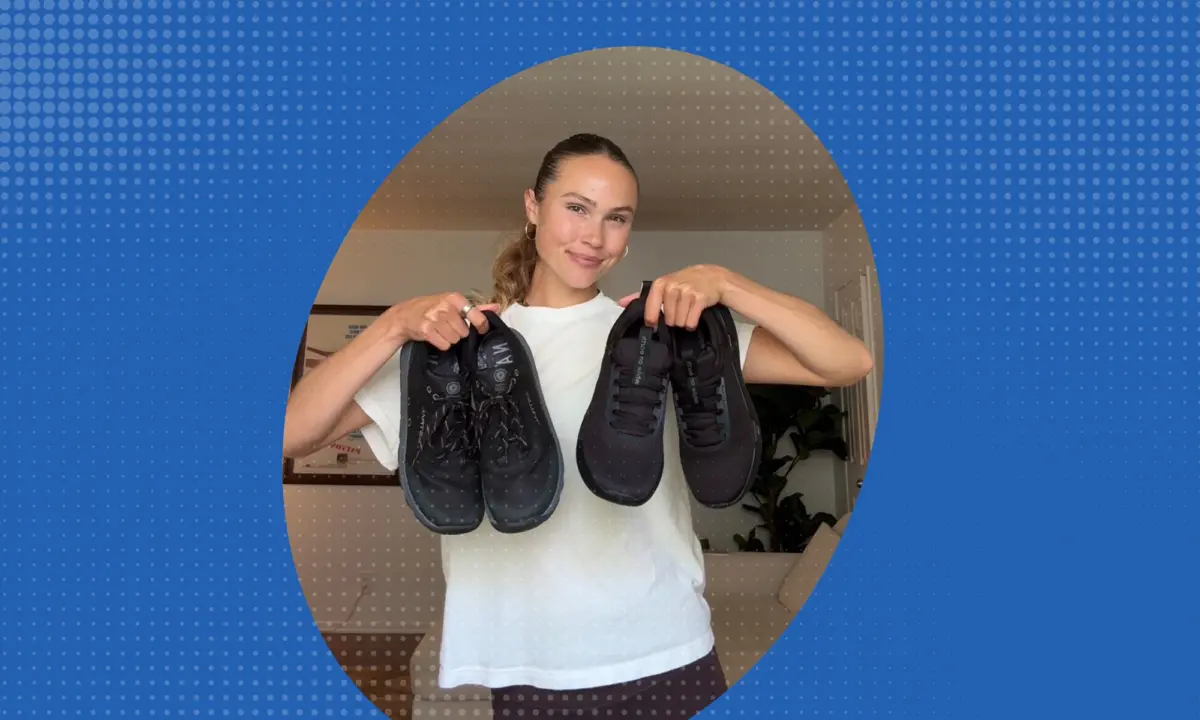
To increase tactile ground interaction, the participant consciously gave up comfortable cushioned house slippers and increased barefoot time at home. Furthermore, a comprehensive footwear audit was conducted. Everyday walking and training shoes were scrutinized for toe box width, drop, and flexibility. This led to the adoption of minimal, functional footwear:
- Astral TR1 Sensi HT: A zero-drop shoe featuring a wide toe box and natural fibers, utilized for low-impact days, walks, and errands to allow the toes to naturally splay.
- While on Earth’s Move Trainer: A transitional shoe with a wide toe box and a minimal 6mm heel-to-toe drop, offering slightly more structure and cushion for high-activity gym days and longer walks.
Week 4: Integration and Adaptation
By the final week, returning to traditional, narrow-toed cushioned shoes felt distinctly restrictive. The participant noted a profound awakening in sensory feedback, proving that even a short-term intervention can recalibrate how the brain and feet interact with the ground.
Supporting Data and Expert Perspectives
The anecdotal findings of this personal experiment align directly with clinical consensus. Dr. Courtney Conley, a prominent chiropractic physician and leading expert in foot and gait mechanics, emphasizes that declining foot strength is not merely an isolated orthopedic issue.
Instead, weak feet correlate directly with:
- Reduced gait speed: A primary clinical indicator of overall physiological aging.
- Increased fall risk: A leading cause of injury and morbidity in older adults.
- Loss of independence: The ultimate consequence of compromised functional mobility over a lifespan.
According to longevity science, foot function serves as a highly reliable predictor of healthspan—how well an individual moves through life as the decades accumulate. Experts stress that these outcomes do not appear overnight; they are the cumulative result of decades of footwear habits and physical inactivity regarding the lower extremities.
Official Responses and Industry Shifts
The wellness and athletic footwear industries are beginning to respond to this growing body of biomechanical research. Over the past few years, the market has seen a notable surge in minimalist, functional, and "foot-shaped" footwear brands. Consumers are increasingly pushing back against traditional aesthetics that prioritize narrow, tapered toe boxes in favor of designs that respect human anatomy.

Furthermore, strength coaches and physical therapists are integrating barefoot training protocols and intrinsic foot-strengthening movements into rehabilitation and athletic conditioning programs. Weightlifting shoes and cross-trainers featuring wider bases and flatter profiles are rapidly gaining market share as athletes recognize that a stable, sensory-rich foundation translates directly to greater force production and injury prevention under heavy loads.
Implications: Building a Better Foundation for Longevity
The implications of prioritizing foot health extend far beyond avoiding acute foot pain like plantar fasciitis. When viewed through the lens of longevity, the feet are the literal and figurative bedrock of physical vitality.
Every athletic aspiration—whether it is setting a personal record on a heavy squat, hiking a rugged mountain trail, or simply maintaining the agility and balance required to play safely with grandchildren—relies on the integrity of the structures beneath our ankles.
Ultimately, chasing visible aesthetic fitness goals is a natural part of physical culture, but ignoring the 29 small muscles and 26 bones that support those pursuits is a precarious gamble. True longevity begins from the ground up. By reintroducing sensory awareness, expanding our footwear horizons, and actively training our feet, we secure the most fundamental asset we have for a long, mobile life.
