

When fitness enthusiasts discuss muscle architecture, the conversation almost invariably gravitates toward the familiar headliners: the biceps, quads, hamstrings, abs, and glutes—with an extra, persistent emphasis on the glutes. We obsess over their hypertrophy, track their growth, and construct entire training blocks around their optimization.
Yet, beneath our skin lies a remarkably complex, intricately engineered network of structures that we almost universally ignore: the flexor digitorum brevis, the quadratus plantae, the plantar interossei, and the intrinsic arch-supporting muscles.
There are 29 distinct muscles housed within each human foot, working in a coordinated symphony of micro-adjustments constantly beneath us. For the vast majority of modern society, however, these foundational structures are a complete afterthought. We faithfully ice our hamstrings, meticulously foam roll our IT bands, and dedicate entire gym sessions to thoracic mobility, only to trap our feet in rigid, narrow-toed sneakers and call it a day.
For many wellness-minded individuals, this glaring oversight has sparked a quiet revolution. As the fitness industry pivots toward longevity, functional movement, and root-cause biomechanics, experts are sounding the alarm: we have been building our physical houses on a neglected foundation.
Main Facts: The Anatomy and Vulnerability of the Human Foot
To understand why foot health is suddenly taking center stage, one must first look at the sheer complexity of the foot’s engineering. A single human foot contains:
- 26 bones (representing roughly a quarter of all the bones in the human body)
- 33 joints
- More than 100 muscles, tendons, and ligaments
- Thousands of mechanoreceptors packed into the sole
Your feet serve as the primary point of contact between your biological machinery and the external world. Every single step is a continuous, lightning-fast neurological and muscular feedback loop. The brain is constantly communicating with the mechanoreceptors on the soles of the feet, processing spatial orientation, managing load distribution, and executing micro-corrections to keep the body upright and balanced.

This process occurs automatically, millions of times over a lifetime, making it easy to take for granted. However, when that system begins to degrade, the consequences are rarely localized.
Foot dysfunction acts like a structural ripple effect. A tight, underused, or collapsed arch rarely stays confined to the foot. Instead, compensatory movement patterns travel upward through the ankle joint, disrupt the biomechanics of the knee, destabilize the hips, and eventually manifest as chronic lower back tension or spinal misalignment.
Furthermore, modern footwear has inadvertently declared war on foot morphology. Decades of high-impact training conducted inside narrow, heavily cushioned shoes have resulted in structural compression—a reality evidenced by the alarmingly pinched, narrowed foot shapes seen even among elite, highly trained athletes.
Chronology: From Ignored Extremity to the 2026 Longevity Movement
The shift in how we perceive foot health did not happen overnight; it is the culmination of a decade-long evolution in movement science, physical therapy, and athletic footwear design.
- Early 2010s: The initial "minimalist shoe" wave hit the mainstream market, primarily driven by long-distance runners seeking a more natural gait. However, the movement suffered from high injury rates because practitioners transitioned too quickly without building underlying foot strength, causing the trend to temporarily recede into a niche subculture.
- The Early 2020s: As the global wellness industry shifted its focus from mere aesthetics to healthspan—the number of years a person lives free from chronic disease and disability—researchers began looking closer at biomechanical predictors of longevity. Functional movement specialists and chiropractors popularized the concept of "foot core" training.
- 2024–2025: Minimalist and functional footwear brands began moving from fringe markets into mainstream retail. The market saw an unprecedented surge in wide-toe-box training shoes, zero-drop lifestyle sneakers, and specialized toe-splay devices, signaling a broader consumer awareness.
- Present Day (2026): Foot health is officially recognized as a core pillar of functional longevity. Experts are no longer just treating plantar fasciitis or acute injuries; they are proactively prescribing foot-strengthening regimens to prevent systemic decline, transforming how everyday athletes train, walk, and dress their feet.
Supporting Data and Expert Insights: The Longevity Connection
The crusade for foot health is backed by compelling clinical perspectives. Dr. Courtney Conley, a prominent chiropractic physician and a leading global authority in foot and gait mechanics, emphasizes that declining foot strength is far more than a localized orthopedic inconvenience—it is a vital systemic indicator.
According to clinical observations and biomechanical research, declining foot strength correlates directly with:
- Reduced Gait Speed: A universally recognized clinical metric for overall biological aging and vitality.
- Increased Fall Risk: As proprioceptive feedback from the soles of the feet diminishes, the brain receives delayed spatial data, drastically raising the likelihood of slips and falls in older adults.
- Loss of Independence: Mobility is the ultimate currency of aging. When the foot’s structural integrity fails, the radius of physical activity shrinks, accelerating functional decline.
The Cushioning Paradox
A major contributor to this decline is the very feature designed to protect our feet: modern, ultra-cushioned athletic shoes. While thick foam midsoles provide immediate comfort, they simultaneously dampen the sensory input traveling from the ground up.
Dr. Conley explains that when mechanoreceptors are heavily insulated by dense foam, proprioception drops. The brain receives impoverished data regarding where the body is in space. Under high-load environments—such as heavy squats, lateral cuts on a tennis court, or dynamic lunges—this lack of sensory clarity creates micro-instabilities. These minute disruptions ripple upward through the kinematic chain, wearing down joints over decades of repetitive movement.
Official Responses and Industry Shifts
The fitness and footwear industries have been forced to respond to the growing demand for functional biomechanics. Traditional athletic brands, long dominated by narrow toe boxes and elevated heels (high drop), are facing stiff competition from emerging companies prioritizing foot freedom.
- Footwear Redesign: Brands are rapidly expanding lines featuring "zero-drop" platforms (where the heel and forefoot are equidistant from the ground) and anatomical toe boxes that allow the toes to splay naturally.
- Gym Culture Evolution: Commercial and boutique gyms are observing a massive uptick in members training barefoot, in socks, or transitioning to minimalist cross-trainers for lower-body compound movements.
- Rehab Integration: Physical therapy clinics are increasingly incorporating intrinsic foot muscle (IFM) training—such as "short-foot" exercises and toe isolation drills—into standard rehabilitation protocols for knee and hip pathologies.
Implications: A Personal Experiment in Foot Transformation
To understand what happens when an average person shifts their focus downward, wellness writers and biohackers alike have begun running personal immersion experiments.
Dropping traditional habits for a month-long foot-health protocol—involving evening toe-spacers, daily barefoot time indoors, dedicated foot-strengthening movements, and a complete footwear audit—reveals profound shifts in physical awareness.
1. The Reality of Toe Spacers
Introducing toe separators after years of wearing conventional footwear can be shockingly uncomfortable. The initial sensation highlights just how cramped and misaligned modern toes have become. However, after a brief adaptation period, utilizing spacers post-workout or after high-impact sports dramatically relieves tension and encourages natural structural recovery.

2. Intrinsic Foot Strength is Humbling
Attempting isolated toe movements (such as lifting the big toe while keeping the lesser toes flat, or vice versa) exposes a profound neuromuscular disconnect. Because these 29 muscles have spent decades idling inside restrictive enclosures, waking them up requires patience and deliberate, low-intensity drilling—much like training any neglected muscle group from scratch.
3. Transitioning Footwear
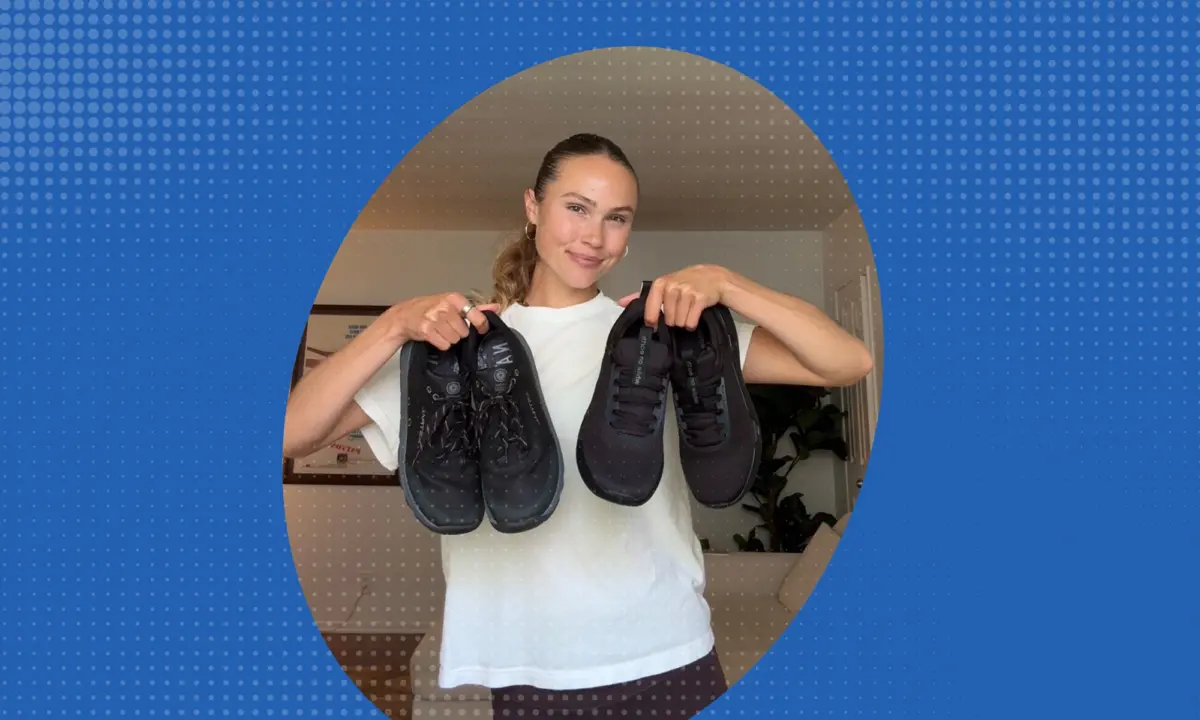
Switching to functional footwear requires a measured, gradual approach. Jumping straight into zero-drop, minimalist shoes for high-mileage running or heavy lifting without an adaptation period invites injury. However, easing into brands like the Astral TR1 Sensi HT for low-impact recovery days or While on Earth’s Move Trainer for dynamic gym sessions yields a striking realization: once your toes experience natural splay and ground feedback, returning to narrow, heavily cushioned shoes feels restrictive and disconnected.
Conclusion: Building From the Ground Up
Human beings spend an extraordinary amount of energy chasing visible fitness metrics—the muscles reflected in the mirror, the aesthetics of lean mass, and the numbers piled onto a barbell. While these goals have merit, they overlook the biological anchor holding the entire system together: 29 small muscles, 26 intricate bones, and a sophisticated neurological feedback network.
Every athletic aspiration, every longevity milestone, and every physical adventure—whether hiking a rugged mountain trail or simply maintaining autonomous mobility well into old age—relies entirely on what is happening beneath your ankles.
The ultimate takeaway is simple yet revolutionary: if you want to future-proof your body, you must start from the foundation. Because when it comes to human movement, the foundation is, quite literally, underfoot.
