

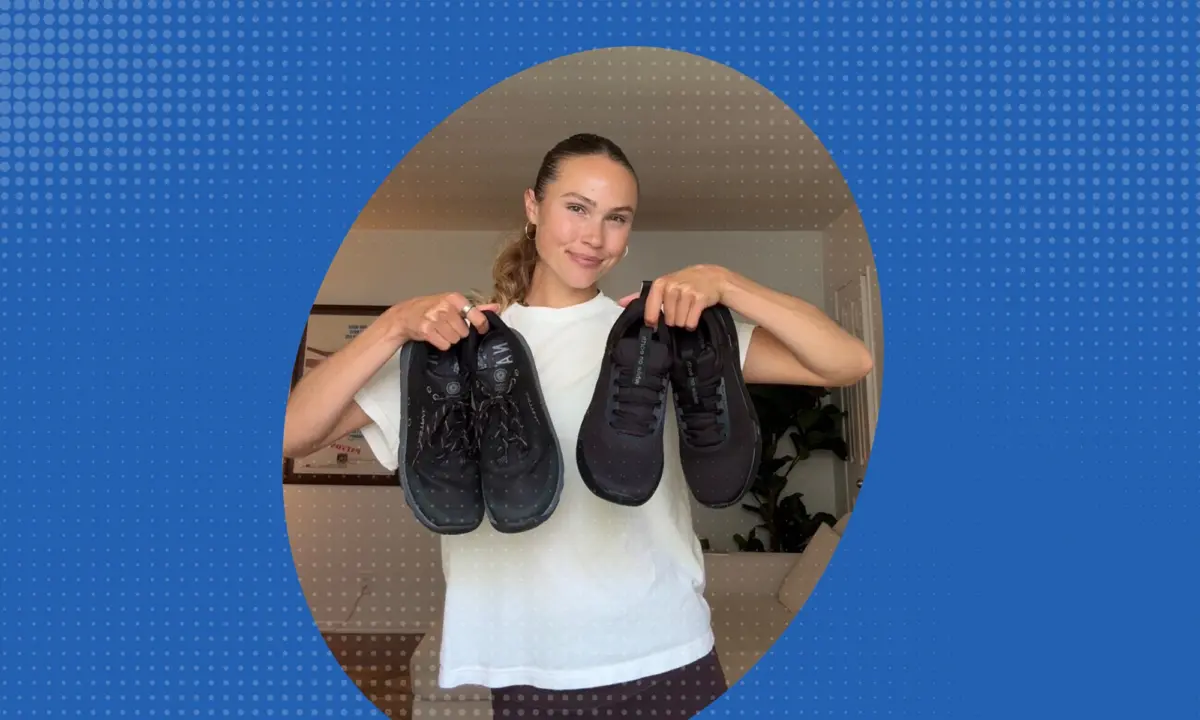
In the modern fitness landscape, physical culture is largely dictated by what can be seen in a mirror. Athletes and wellness enthusiasts alike obsess over the hypertrophy of the pectorals, the definition of the abdominal wall, the circumference of the quadriceps, and the aesthetic profile of the glutes. Entire training blocks, meticulously planned macronutrient splits, and expensive memberships are dedicated to sculpting these primary mirror muscles.
Yet, concealed inside conventional footwear are 29 intricate muscles, 26 bones, and thousands of sensory mechanoreceptors that carry the entire weight of the human body through space and time. These foundational structures—such as the flexor digitorum brevis, the quadratus plantae, and the plantar interossei—remain nearly universally neglected. While fitness culture champions rigorous protocols for hamstring flexibility, foam rolling for IT band syndrome, and dedicated shoulder mobility routines, the literal foundation of human locomotion is routinely ignored, compressed, and restricted inside narrow-toed, heavily cushioned sneakers.
This growing paradox in physical wellness has prompted a shifting paradigm among podiatric specialists, biomechanists, and longevity researchers. The consensus is clear: the current cultural blind spot regarding foot health is not merely an orthopedic oversight; it is a critical vulnerability affecting whole-body stability, kinetic efficiency, and long-term vitality.
Main Facts: The Anatomy of the Foot and the Cost of Neglect
To understand the scope of foot neglect, one must examine the sheer architectural complexity of the human foot. Each foot contains a quarter of all the bones in the human body (26 bones), alongside 33 joints, over 100 ligaments, and 29 intrinsic and extrinsic muscles.
Every time a human takes a step, the foot acts as a sophisticated neurological and mechanical interface. The soles of the feet are densely populated with mechanoreceptors that constantly communicate with the central nervous system, providing immediate feedback regarding spatial orientation, ground texture, weight distribution, and balance.
However, modern lifestyle habits—particularly the widespread adoption of highly structured, cushioned, and narrow footwear—disrupt this feedback loop. Over decades, this habitual restriction leads to:

- Intrinsic Muscle Atrophy: Without the requirement to dynamically stabilize the foot, the small intrinsic muscles weaken and degenerate.
- Proprioceptive Damping: Thick, foam-laden midsoles insulate the sole from the ground, muting the sensory signals sent to the brain and increasing micro-instabilities.
- Structural Deformity: Narrow toe boxes compress the toes, inhibiting the natural splay required for efficient load distribution and pushing off.
Crucially, biomechanical dysfunction in the foot rarely stays localized. Kinetic energy and compensation patterns travel upward through the ankle joint, up the tibia, into the knee, through the pelvis and hip complex, and ultimately manifest as chronic lower back tightness or spinal misalignment.
Chronology: A 30-Day Personal Experiment in Functional Foot Health
Recognizing the potential long-term consequences of chronic foot neglect, fitness and wellness journalist and researcher embarked on a structured, 30-day self-experiment. Rather than adopting an extreme, highly regimented physical therapy program, the objective was to reintegrate fundamental foot awareness and functional mechanics into daily life.
Phase 1: Introducing Toe Spacers and Confronting Atrophy
The experiment began with the integration of toe spacers during evening recovery periods, such as while resting on the couch. Initially described as remarkably uncomfortable—though not painful—the sensation highlighted how profoundly accustomed the feet had become to restriction from years of athletic training and standard footwear.
A pivotal visual catalyst occurred when viewing elite athletes’ feet on social media, revealing severe structural compression and toe crowding caused by decades of high-impact training inside narrow shoes. Motivated by a desire to avoid degenerative foot morphology in later life, the subject steadily increased toe-spacer usage, particularly following high-lateral-stress activities like pickleball.
Phase 2: Targeted Foot Strength and Isolation Work
The second phase incorporated specific foot-strengthening movements integrated seamlessly into a standing desk workday. Protocols included:
- Eccentric Calf Raises: Focusing heavily on the lowering phase to maximize structural load on the lower leg and foot complex.
- Short-Foot Exercises: Actively drawing the ball of the foot toward the heel to engage the longitudinal arch.
- Toe Isolation and Barefoot Balance Drills: Challenging the nervous system to control individual digits—an endeavor that proved surprisingly difficult due to long-dormant neural pathways.
Phase 3: Eradicating House Slippers and Increasing Barefoot Exposure
To encourage intrinsic muscle activation, the subject abandoned cushioned indoor slippers, replacing them with barefoot movement indoors. Given the urban environment, where outdoor barefoot time is limited, maximizing barefoot exposure at home and training in socks at the gym during single-leg and squat movements became standard practice.
Phase 4: The Footwear Audit and Transition
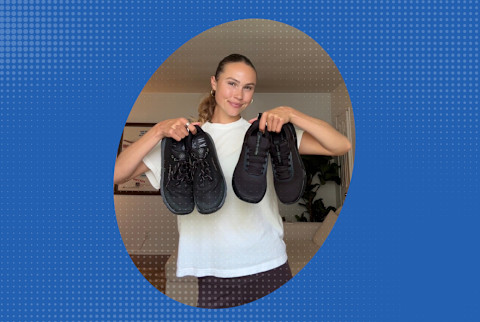
The final phase involved a comprehensive audit of daily footwear. Recognizing that traditional athletic and casual shoes prioritize immediate, plush comfort at the expense of active foot function, the subject transitioned to minimalist and functional footwear alternatives:
- Astral TR1 Sensi HT: Adopted for low-impact days, errands, and light walking. Featuring a wide toe box, zero-drop platform, and natural fibers, it restored natural toe splay and ground feedback, though requiring a gradual transition period to prevent acute strain.
- While on Earth’s Move Trainer: Chosen for high-activity days and gym workouts. Featuring a wide toe box and a minimal 6mm heel-to-toe drop, it offered a slight buffer of cushioning for high-impact training while preserving functional foot mechanics.
Supporting Data and Expert Perspectives
The anecdotal findings of this 30-day experiment are deeply aligned with institutional research and clinical insights from leading biomechanics authorities.
Dr. Courtney Conley, a prominent chiropractic physician and expert in foot and gait mechanics, emphasizes that declining foot strength has direct, measurable correlations with human aging. According to clinical data, foot weakness is closely tied to:
- Reduced Gait Speed: A primary clinical indicator of overall physiological vitality in older adults.
- Increased Fall Risk: Loss of proprioceptive acuity directly impairs postural stability, elevating the incidence of debilitating falls among aging populations.
- Loss of Independence: The compounding effect of orthopedic instability cascades upward, ultimately limiting mobility and autonomy.
Furthermore, biomechanical studies on cushioned running shoes reveal a paradox: while maximal cushioning aims to reduce acute impact forces, it simultaneously dampens sensory input. Without clear tactile feedback from the mechanoreceptors, the central nervous system struggles to accurately gauge joint angles and surface compliance. Under heavy external loads—such as barbell squats, lunges, or athletic cuts—this sensory deficit translates into micro-adjustments and instability that travel up the kinetic chain, wearing down knee joints and lumbar vertebrae over decades of use.
Official Responses and Industry Shifts
The wellness and athletic footwear industries have begun registering this paradigm shift. For years, the market was dominated by maximalist cushioning systems designed to absorb shock entirely at the shoe level. However, data from market analytics and fitness trends heading into late 2026 show a dramatic surge in the popularity of functional footwear, minimalist training shoes, and foot-health accessories.
Athletic brands are increasingly releasing models featuring anatomical, wide toe boxes and zero-drop or low-drop platforms that cater to consumers seeking to restore natural foot mechanics. Regulatory and clinical bodies, including sports medicine associations and physical therapy networks, have increasingly endorsed preventative foot conditioning, advising practitioners to screen for intrinsic foot weakness as part of standard musculoskeletal assessments.

Rather than viewing footwear purely as a fashion statement or a shock-absorption device, forward-thinking manufacturers and medical professionals are reframing shoes as tools designed to protect the foot while allowing its natural musculature to operate without interference.
Implications: Rebuilding the Physical Foundation
The implications of prioritizing foot health extend far beyond the immediate relief of localized issues like foot fatigue or mild arch discomfort. When approached from a longevity and performance perspective, the foot serves as the ultimate diagnostic and functional anchor for the entire human frame.
1. Enhanced Athletic Performance
Athletes who transition toward functional footwear and incorporate intrinsic foot training consistently report:
- Improved stability during unilateral movements (e.g., split squats, Romanian deadlifts).
- Increased force transmission during explosive lifts.
- Reduced post-exercise localized muscle fatigue.
2. Lifelong Mobility and Autonomy
By viewing physical vitality through the lens of foundational mechanics, individuals can proactively mitigate the cascading joint degradation that frequently limits activity in later life. Ensuring that the feet remain strong, flexible, and sensitive to environmental feedback preserves balance, gait velocity, and overall movement confidence.
Summary Takeaway
Modern fitness culture continually invests massive amounts of energy into chasing visible physical metrics—aesthetic muscle hypertrophy, maximal lifting numbers, and outward transformations. While these goals hold value, they are built upon an ignored foundation of 29 small muscles, 26 complex bones, and an intricate neurological feedback loop.
Every athletic aspiration, every longevity milestone, and every physical pursuit—whether hiking a rugged mountain trail or maintaining independent mobility late in life—begins at the point of contact between the body and the earth. The ultimate truth of human biomechanics remains absolute: physical longevity, quite literally, is built underfoot.
