

October 5, 2026 — When undertaking ambitious mountain objectives—such as a punishing 30-mile thru-hike, a technical alpine summit push, or a deep-country ski tour far beyond the boundaries of resort lines—gear choice can mean the difference between a successful expedition and a miserable retreat. Outdoor enthusiasts have long sought the elusive holy grail of midlayers: a garment that offers uncompromising thermal regulation, dynamic mobility, and weather resistance without sacrificing breathability.
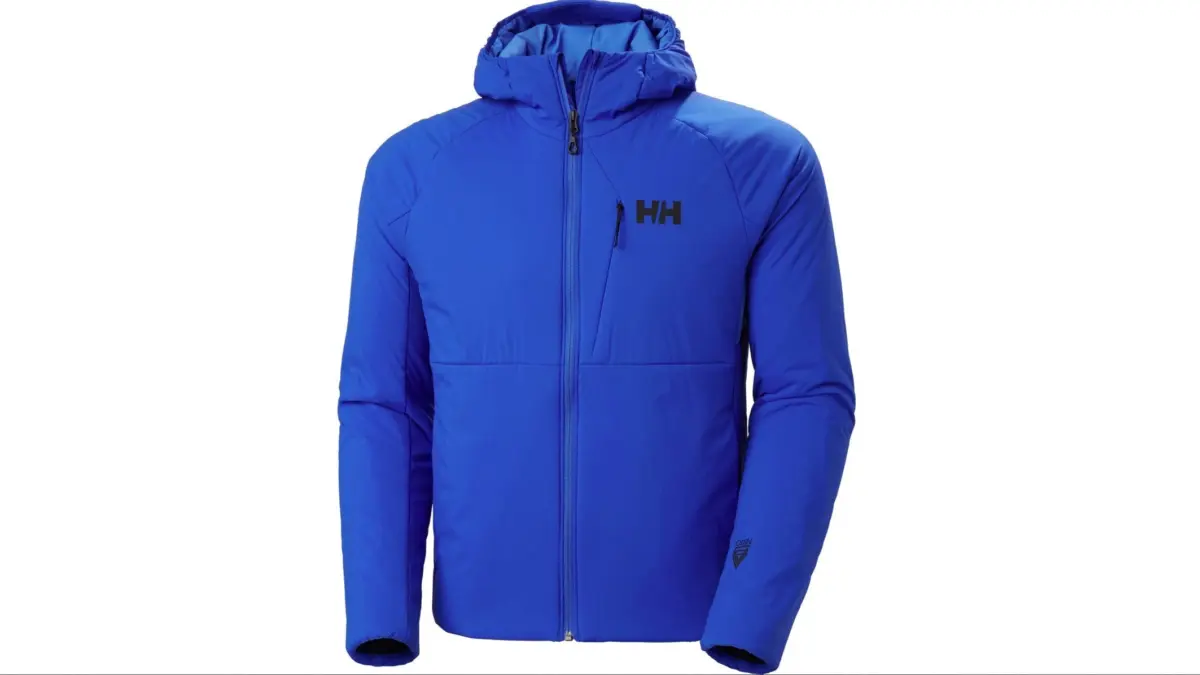
Enter the Helly Hansen Odin Stretch Hood Insulator 2.0, a technical jacket engineered specifically for high-output mountain athletes. Currently making waves in the outdoor retail market—with significant promotional pricing at major outfitters like REI ($140 for the men’s version and $165 for the women’s model)—this iteration builds heavily on the successes of its predecessor.
This comprehensive review explores the design, performance metrics, real-world testing environments, and broader implications of the Odin Stretch Hood Insulator 2.0 within the contemporary outdoor apparel market.
Main Facts
The Helly Hansen Odin Stretch Hood Insulator 2.0 is a specialized technical midlayer designed for cold-weather alpine pursuits. Positioned at the intersection of active insulation and weather-resistant softshells, it addresses the traditional compromises of mountain layering systems.
- Primary Insulation: PrimaLoft® GOLD Active+ synthetic insulation, renowned for its high warmth-to-weight ratio and ability to retain thermal efficiency even when wet.
- Face Fabric: Recycled ripstop face fabric treated with a Durable Water Repellent (DWR) finish, capable of shedding light precipitation and blocking wind.
- Mobility Engineering: Raglan sleeves, articulated elbows, and strategically integrated elastane side panels to ensure zero restriction during dynamic movements like scrambling, poling, or climbing.
- Ventilation: Underarm fleece patches designed to dump excess heat and manage moisture accumulation during high-output aerobic activities.
- Fit Profile: A sleek, low-profile athletic cut engineered to layer comfortably underneath a hard-shell jacket without bunching or restricting movement.
- Market Pricing: Currently featured at major outdoor retailers, including discounted rates at REI where the men’s model is marked down to $140 (50% off) and the women’s model is available for $165 (41% off).
Chronology of Development and Field Testing
The evolution of the Odin line reflects Helly Hansen’s ongoing collaboration with mountain guides, search-and-rescue professionals, and elite alpinists.
The Evolution from Version 1.0 to 2.0
When the original Odin Stretch Hood Insulator hit the market, it received widespread acclaim for its comfort and movement-oriented design. However, consumer and professional feedback highlighted areas for refinement—specifically regarding breathability during high-output stop-and-go activities and durability in abrasive rock environments.
For the 2.0 iteration, Helly Hansen’s design team focused heavily on material upgrades. They integrated the recycled ripstop face fabric to enhance tear resistance without adding bulk, and they re-engineered the underarm zones using specialized fleece patches. This targeted ventilation solution directly addressed the common issue of overheating under the arms while wearing a backpack or a weather shell.
Rigorous Field Testing: From Midnight Summits to Midwinter Passes
To truly understand the capabilities of the Odin Stretch Hood Insulator 2.0, testers subjected the jacket to demanding real-world conditions across varying elevations, temperatures, and activity levels.
-
Colorado’s Uneva Peak (12,522 feet):
Tested during a midnight trail run under cold, biting alpine winds. The PrimaLoft GOLD Active+ insulation provided immediate thermal containment, effectively staving off windchill without causing the wearer to overheat during the steep, lung-busting ascent. -
Jones Pass Midwinter Ski Tour:
Evaluated during a physically demanding backcountry ski mission. Touring uphill typically turns standard insulated jackets into mobile saunas, but the combination of the breathable ripstop weave, underarm fleece panels, and the dynamic stretch of the elastane side panels allowed body heat and moisture to escape efficiently. -
Precipitation Resistance Testing:
Caught in transitional weather featuring wet flurries and light mist, the garment’s DWR-treated face fabric successfully beaded and shed moisture. While not billed as a standalone waterproof rain jacket, it proved robust enough to handle unexpected mountain weather transitions without wetting out immediately.
Supporting Data and Technical Performance Metrics
To evaluate how the Odin 2.0 performs relative to industry standards for active insulation, we look at several core performance pillars: thermal efficiency, breathability, mobility, and sustainability.
1. Thermal Regulation and Insulation Dynamics
Active insulation differs from traditional static down or heavy synthetic fill by allowing air to pass through the fibers while trapping body heat. The use of PrimaLoft® GOLD Active+ in the Odin 2.0 is a critical design choice.
- Data Point: PrimaLoft GOLD Active+ offers four-way stretch characteristics alongside high thermal retention. Unlike down, which collapses and loses insulating properties when exposed to sweat or rain, synthetic active insulation maintains its loft and warmth even when damp.
- Field Observation: Testers noted an absence of the "clammy" feeling often associated with synthetic midlayers during strenuous transitions from climbing to resting.
2. Breathability and Moisture Management
Sweat management is the holy grail of cold-weather layering. If a jacket traps too much moisture, the wearer eventually chills the moment they stop moving.
- Design Integration: The incorporation of fleece patches under the arms acts as a natural exhaust port. Heat naturally concentrates in the core and underarm regions; by utilizing a more permeable fleece material in these high-sweat zones, Helly Hansen successfully lowered the thermal ceiling just enough to prevent overheating.
- Fabric Permeability: The recycled ripstop face fabric strikes a deliberate balance: tightly woven enough to block biting winds, yet porous enough to allow metabolic heat to escape when paired with the internal insulation matrix.
3. Ergonomics and Range of Motion
Standard boxy jackets often ride up when a user raises their arms over their head during a rock scramble or ski pole plant.
- Tailoring Metrics: The inclusion of raglan sleeves eliminates top-of-shoulder seams that can chafe under heavy backpack straps. Combined with articulated elbows and high-stretch elastane panels along the torso sides, the jacket mirrors the body’s natural kinetics.
- Layering Compatibility: With a slim, minimalist profile, the Odin 2.0 slides effortlessly beneath a three-layer hardshell jacket, avoiding the bulky Michelin-man effect that compromises dexterity in technical terrain.
4. Sustainability Metrics
With consumers increasingly demanding environmentally responsible outdoor gear, Helly Hansen’s incorporation of recycled ripstop face fabric represents a notable step forward. Utilizing recycled synthetics helps reduce reliance on virgin petroleum products while maintaining the high tear-strength and durability required for rugged backcountry environments.
Official Responses and Industry Perspectives
Helly Hansen has long positioned its "Odin" collection as the pinnacle of professional-grade outdoor gear. According to the brand’s product development team, the philosophy behind the Stretch Hood Insulator 2.0 was rooted in listening to the demands of mountain guides who require gear that transitions seamlessly between high-aerobic ascents and cold, static belays or descents.
Industry analysts and gear reviewers have echoed these sentiments, noting that the shift toward active insulation represents a broader evolution in the outdoor apparel market. Consumers are moving away from single-purpose garments—such as heavy winter parkas or purely windproof shells—in favor of hybrid pieces that can serve multiple roles across a wide temperature spectrum.
Retailers have also reported strong consumer interest, particularly given the competitive price points currently available through seasonal promotions. Outdoor enthusiasts who might have hesitated to purchase high-end technical midlayers at full MSRP find the current sub-$170 price points at REI an accessible entry into professional-grade alpine gear.
Implications for the Outdoor Apparel Market and Consumers
The release and reception of the Helly Hansen Odin Stretch Hood Insulator 2.0 carry several significant implications for both the outdoor apparel industry and the everyday adventurer.
1. The Death of the Traditional Midlayer?
For decades, the standard cold-weather layering formula consisted of a base layer, a fleece midlayer, a puffy synthetic or down jacket for warmth, and a hardshell for weather protection. Jackets like the Odin 2.0 blur the lines between fleece and puffy insulation. By offering wind resistance, light weather-shedding capabilities, stretch mobility, and active breathability in a single package, these garments allow hikers and skiers to streamline their pack contents and reduce the number of layer swaps required throughout a day in the mountains.
2. Value in Technical Outerwear
As technical apparel prices continue to climb across the industry—with some flagship jackets pushing well past the $300 to $400 mark—promotional pricing strategies at major co-ops like REI provide a vital access point for budget-conscious consumers. At prices ranging from $140 to $165, the Odin 2.0 competes aggressively against offerings from brands like Arc’teryx, Patagonia, and Mountain Hardwear, delivering high-end alpine performance without an entirely prohibitive price tag.
3. Environmental Responsibility as a Baseline
The inclusion of recycled materials in the Odin 2.0 underscores a shifting consumer expectation. Using recycled ripstop fabric is no longer viewed merely as a marketing bonus, but as an industry baseline requirement. Brands that fail to integrate sustainable manufacturing practices while maintaining technical durability risk losing market share to eco-conscious consumers who refuse to compromise performance for sustainability.
Final Verdict
The Helly Hansen Odin Stretch Hood Insulator 2.0 successfully bridges the gap between active performance wear and dependable alpine insulation. Whether you are tackling a midnight summit push on an exposed peak, navigating a technical backcountry ski tour, or simply looking for a sleek, comfortable everyday jacket for chilly morning commutes, its thoughtful blend of PrimaLoft GOLD Active+ insulation, targeted ventilation, and ergonomic stretch makes it a standout contender in the crowded technical midlayer market.
For those looking to upgrade their cold-weather kit, taking advantage of current retail pricing at outfitters like REI offers an exceptional opportunity to secure professional-grade alpine protection.
