

October 1, 2026 — For any outdoor enthusiast, few pieces of equipment are as intensely personal as footwear. A well-fitting pair of hiking boots can make grueling miles disappear beneath your feet, turning an arduous mountain ascent into a rhythmic, joyful experience. Conversely, the wrong shoe transforms every step into an exercise in endurance and pain, marked by blisters, pinched toes, and rolling ankles.

To help outdoor adventurers navigate an increasingly crowded market, our dedicated team of field testers spent the past year putting dozens of women’s hiking shoes, boots, and sandals through their paces. Traversing environments as disparate as Kentucky’s root-strewn hills, the rugged Alaskan tundra, the rocky shores of Cape Cod, and the swampy woodlands of Wisconsin, our testers logged hundreds of miles.
After months of rigorous evaluation focusing on fit, out-of-box comfort, weatherproofing, weight, traction, and durability, ten standout models have risen to the top of the pile for the 2026 season.
At a Glance: The 2026 Category Winners
- Best All-Around Hiking Boot: La Sportiva Aequilibrium Hike GTX
- Best for Backpacking: The North Face Offtrail Hike LT Mid GTX
- Most Comfortable: Hoka Mafate Hike
- Most Supportive: Arc’teryx Konseal Trek
- Fastest / Most Propulsive: Norda 055
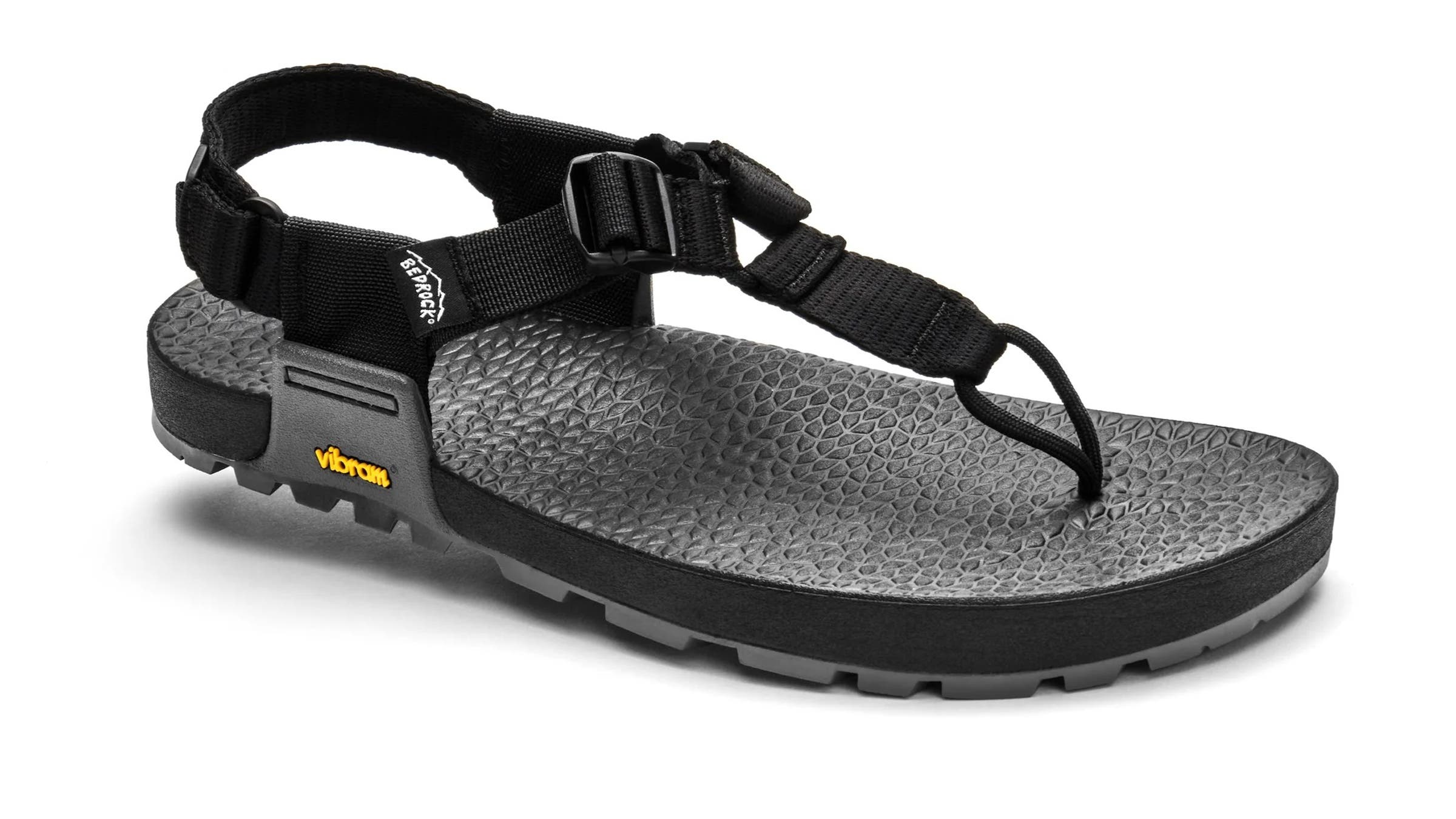
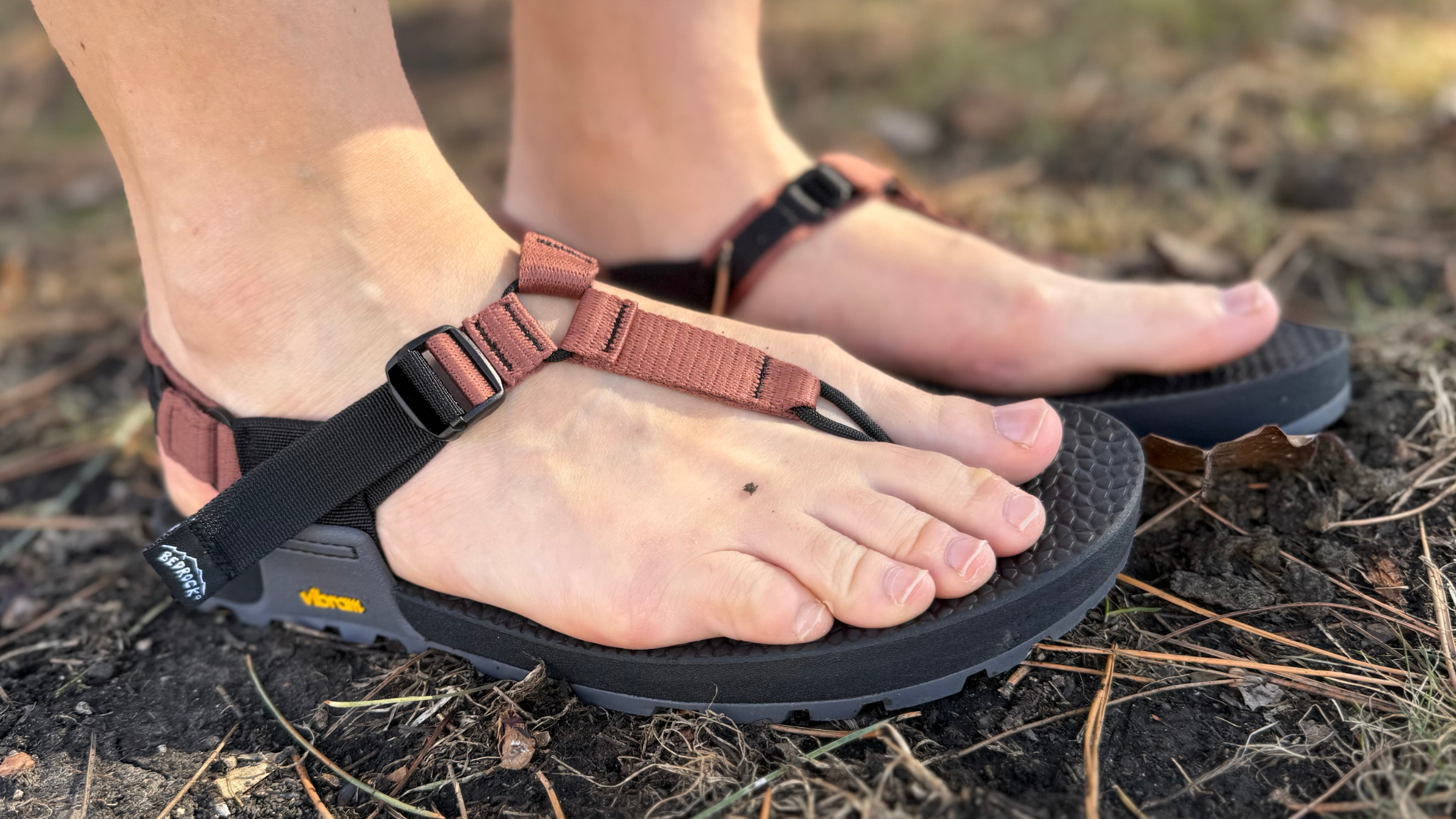
- Best Hiking Sandal: Bedrock Cairn EVO C Pro
- Best for Stability: Scarpa Ribelle Cross 2 GTX
- Best Traction: Danner Crag Rat Evo
- Most Agile: Salomon Cross Hike Tracker GTX
- Best for Wet Terrain: Astral TR1 Mesh 2.0
Main Facts: The Elite Performers in Detail
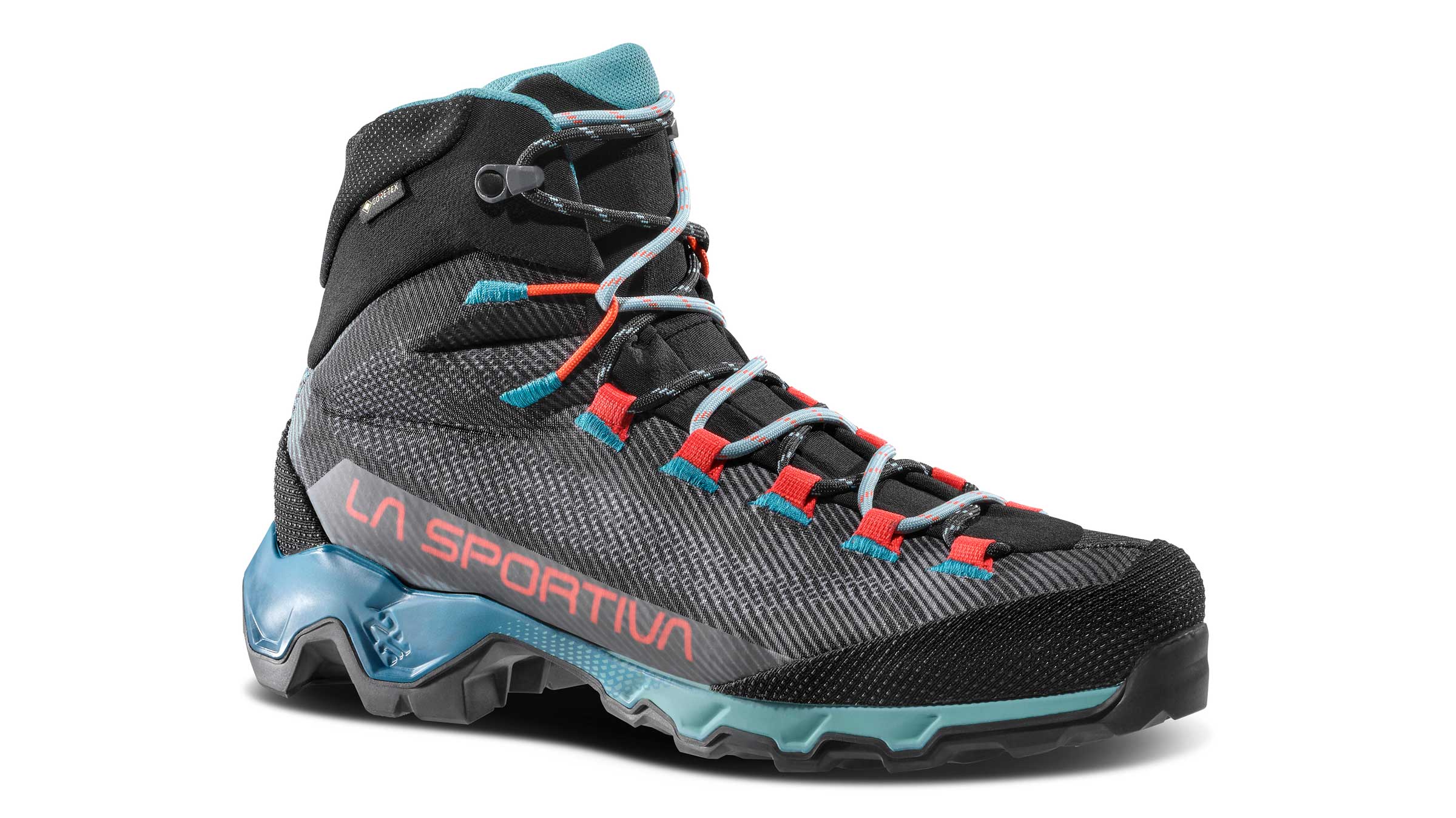
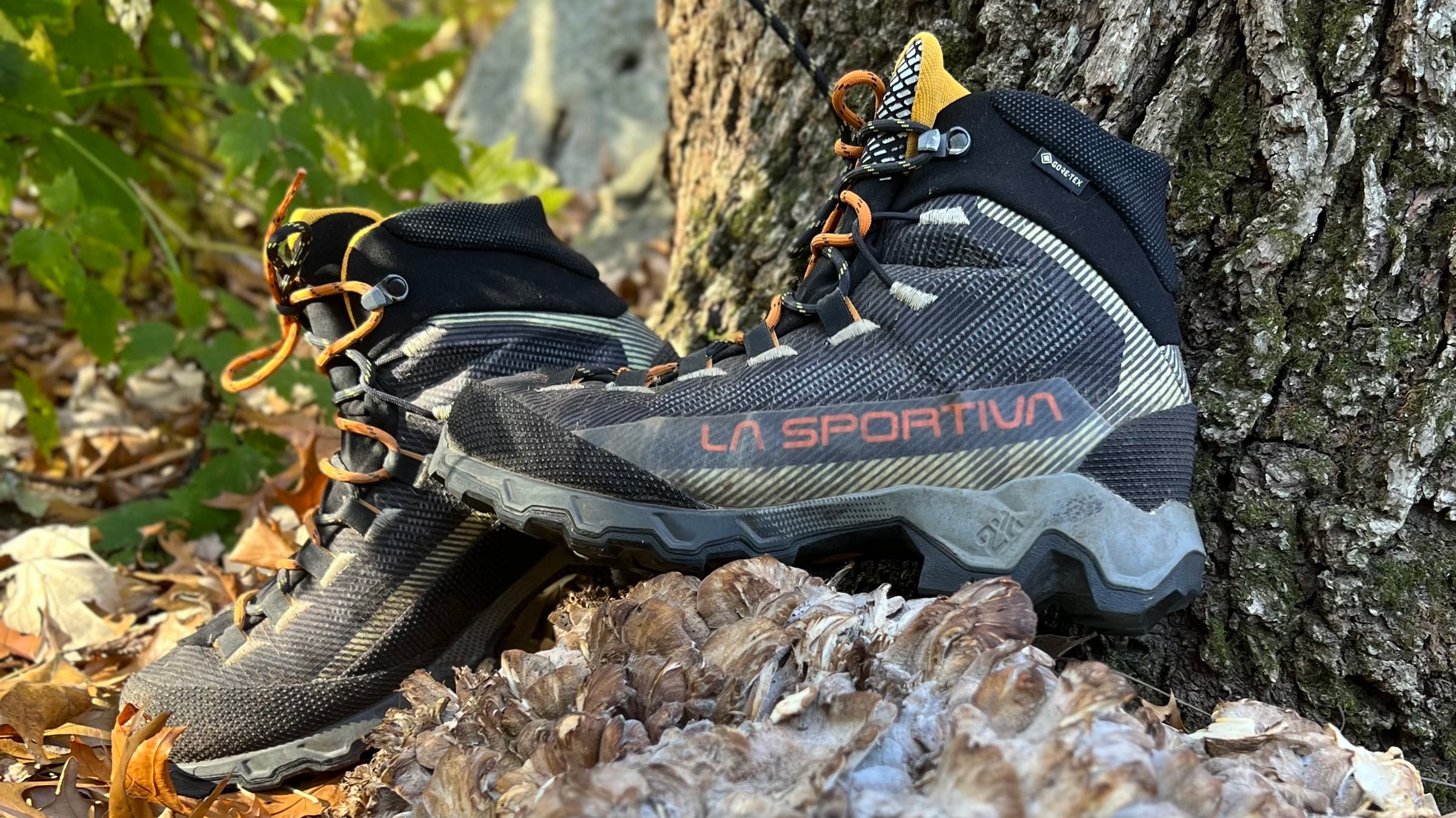
Best Women’s Hiking Boots All-Around: La Sportiva Aequilibrium Hike GTX
- Weight: 13.4 oz per shoe
- Sizes: 36–42
- Key Pros: Instant out-of-box comfort, exceptional versatility, robust alpine support.
- Key Cons: On the expensive side.
Since its introduction, the La Sportiva Aequilibrium Hike GTX has maintained a near-mythical status among our testing pool. Designed primarily for three-season alpine expeditions and hauling packs weighing up to 40 pounds, it punches well above its weight class. Testers repeatedly praised its instant, glove-like comfort, which eliminates the traditional break-in period associated with sturdy alpine footwear.
Constructed with a PU foam midsole and a supportive polypropylene stiffener, the Aequilibrium protects the sole far better than standard EVA foam over long distances. The upper features a breathable, water-repellent fabric backed by a Gore-Tex membrane and a stretchy, high-altitude neoprene collar that seals out dirt and debris. If you somehow manage to grind down the multi-directional, grippy lugs, the entire boot is resoleable, making it a long-term investment in your outdoor pursuits.
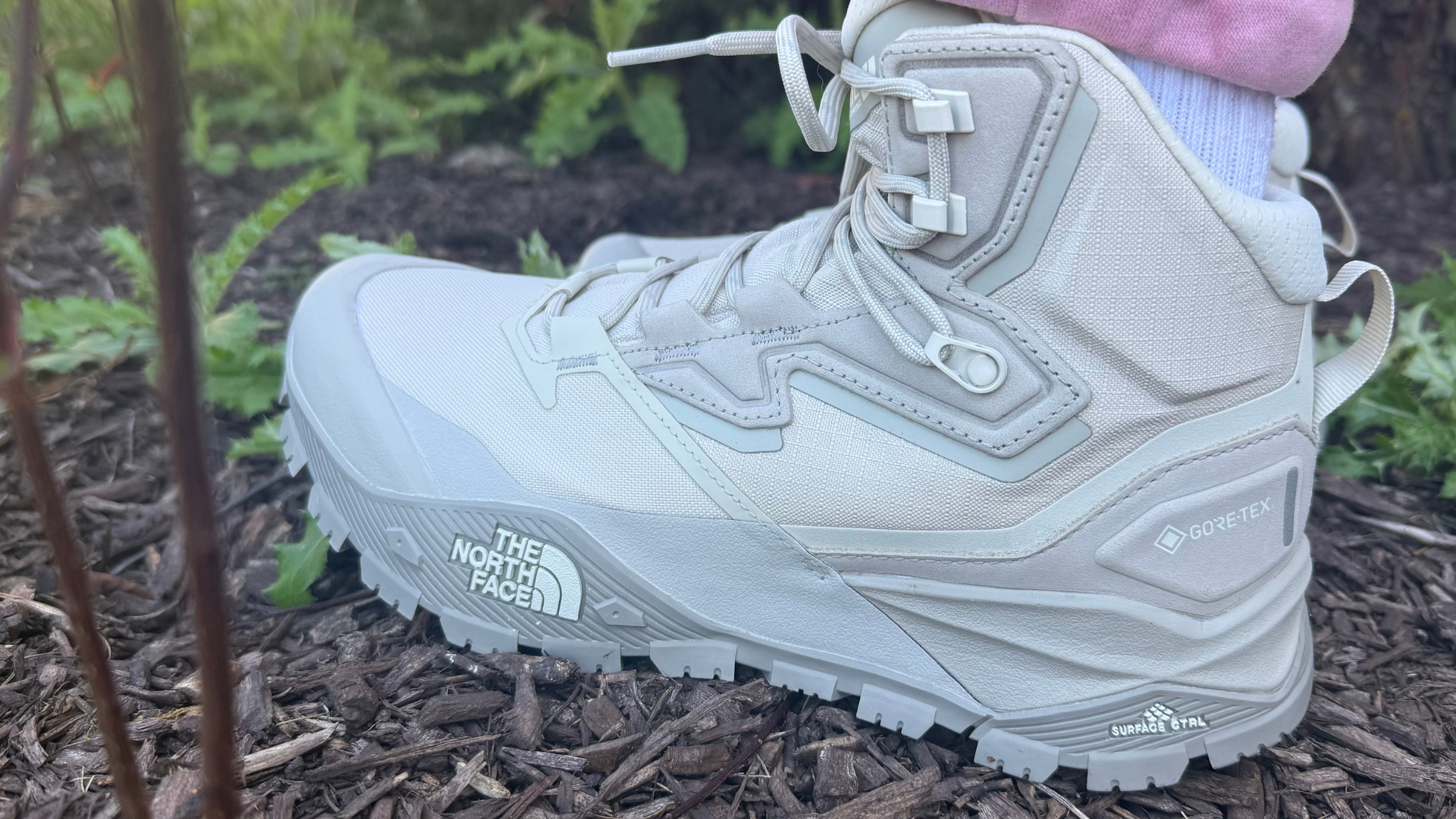
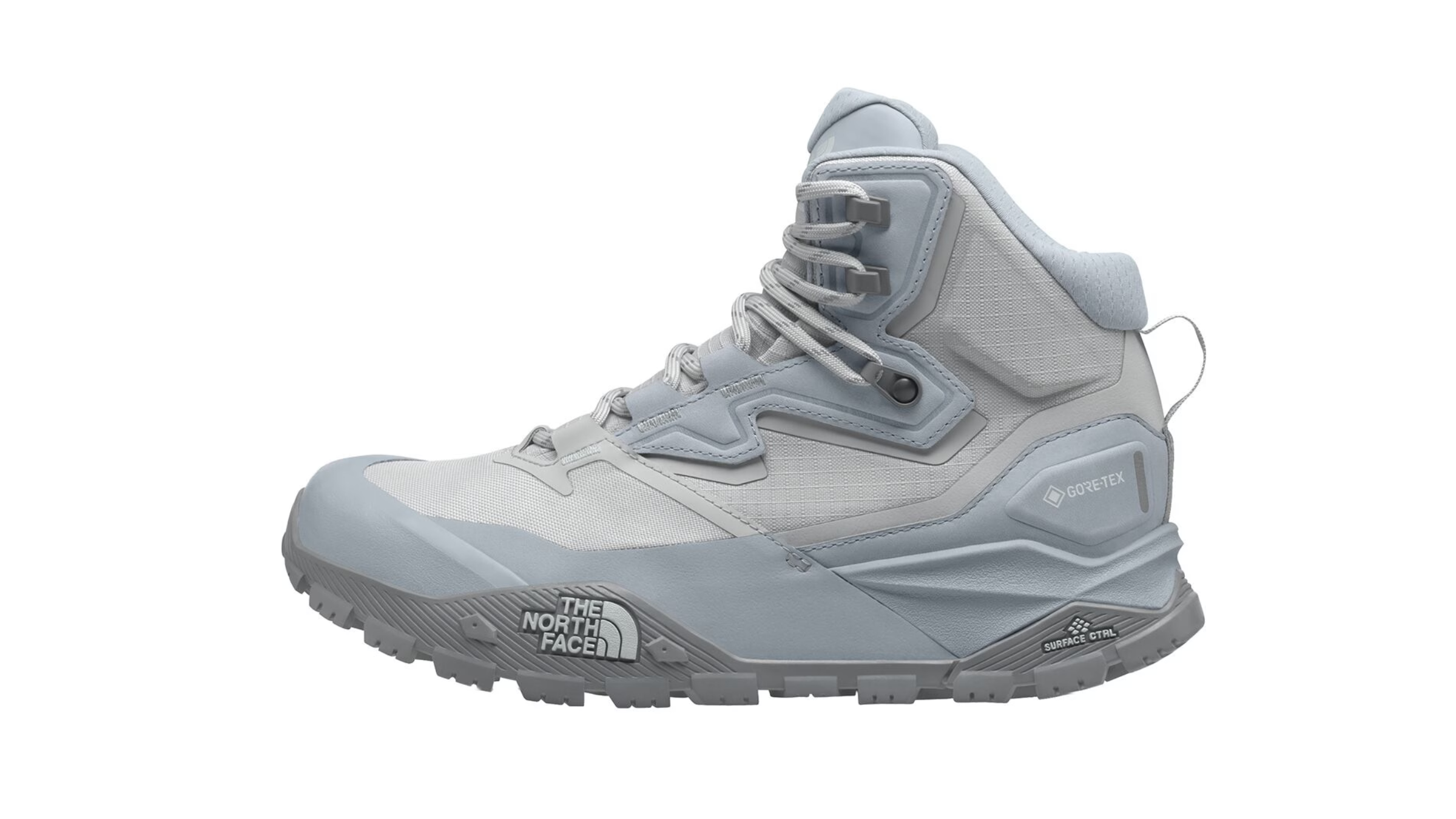
Best for Backpacking: The North Face Women’s Offtrail Hike LT Mid GTX
- Weight: 16 oz per shoe
- Sizes: 5–11
- Key Pros: Zero break-in time, plush and secure ankle support.
- Key Cons: Can run warm and clammy in high summer temperatures.
While many modern boots focus exclusively on underfoot cushioning, The North Face Offtrail focuses on upper comfort. Wrapped in TPU-reinforced Cordura ripstop nylon, the upper locks the foot and ankle in place like a firm, supportive hug. Equipped with 5-millimeter flared lugs and a flexible proprietary rockguard embedded in the midsole, these boots excel on spring and autumn treks when navigating mud, slush, and residual snowpack.
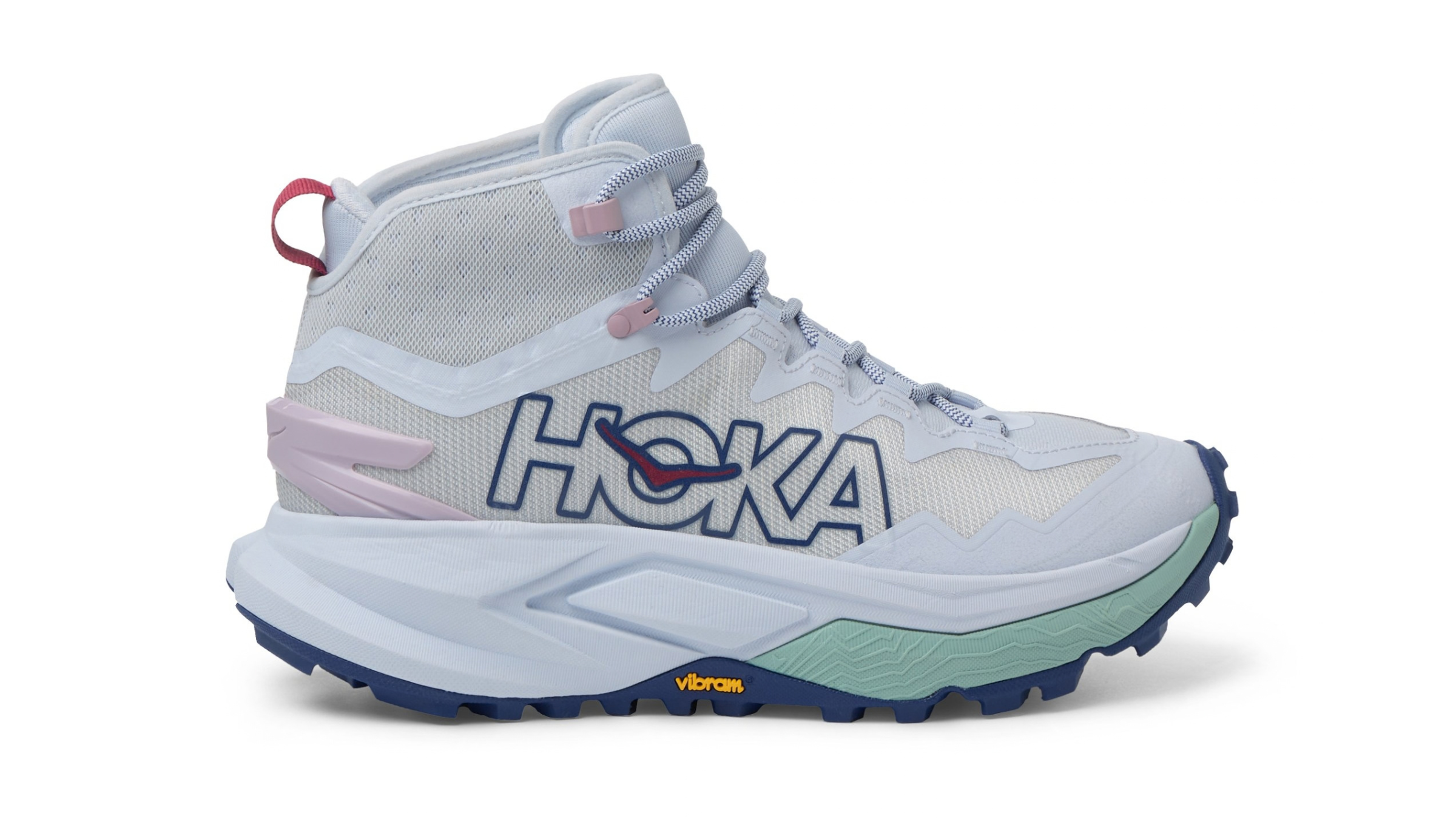
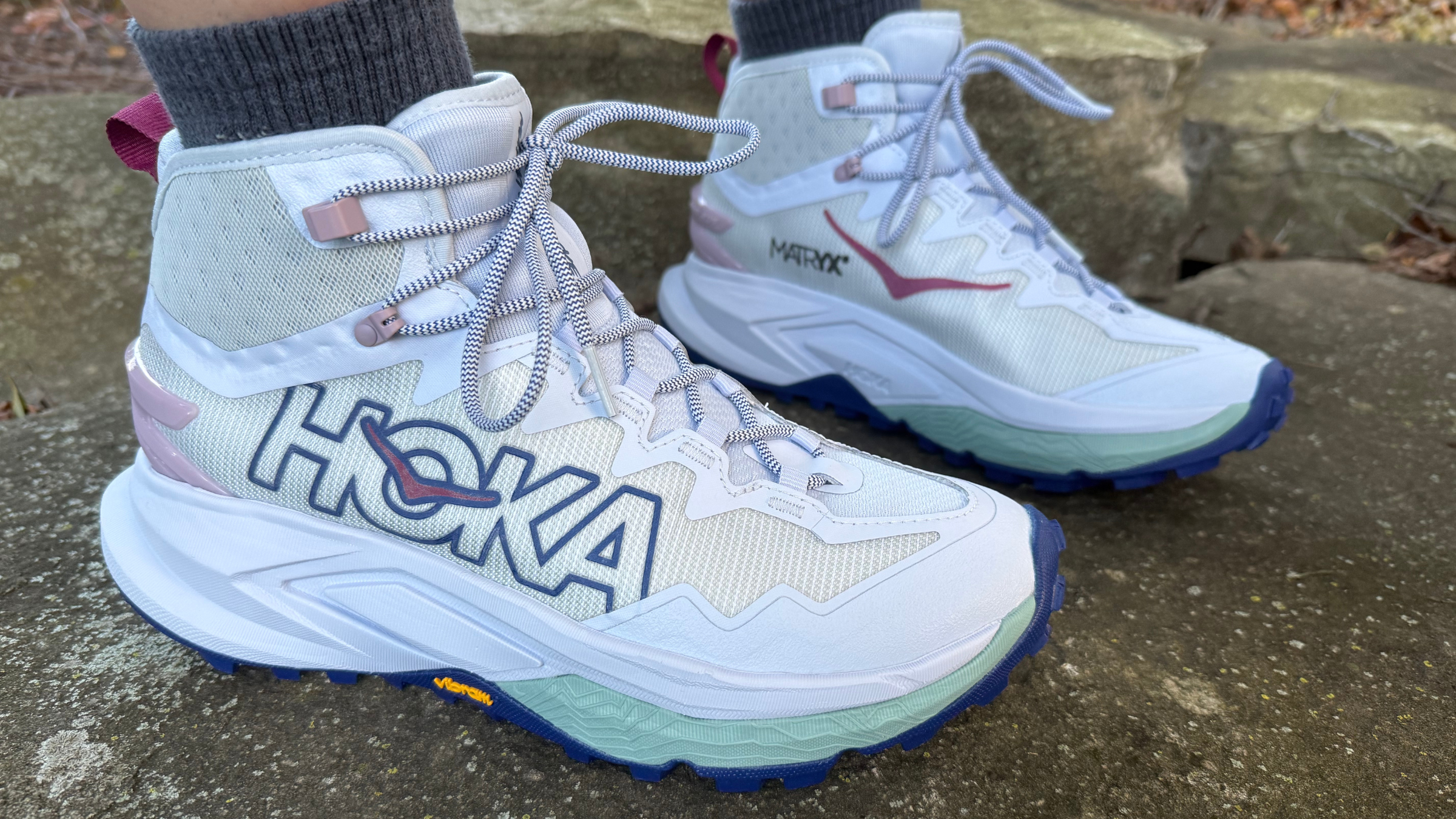
Most Comfortable: Hoka Mafate Hike
- Weight: 11.3 oz per shoe
- Sizes: 5–11
- Key Pros: Max-cushion floatation, secure fit, excellent breathability.
- Key Cons: Lower ankle support compared to traditional high-tops.
For hikers prioritizing cloud-like comfort, the Hoka Mafate Hike delivers next-level cushioning via a dual-density EVA midsole that is softer in the heel and firmer in the toe. Utilizing a Vibram Megagrip outsole with 5mm lugs, these high-cut running-shoe hybrids feel effortless on long day hikes, though they lack the rigid structure required for heavy multi-day backpacking loads.
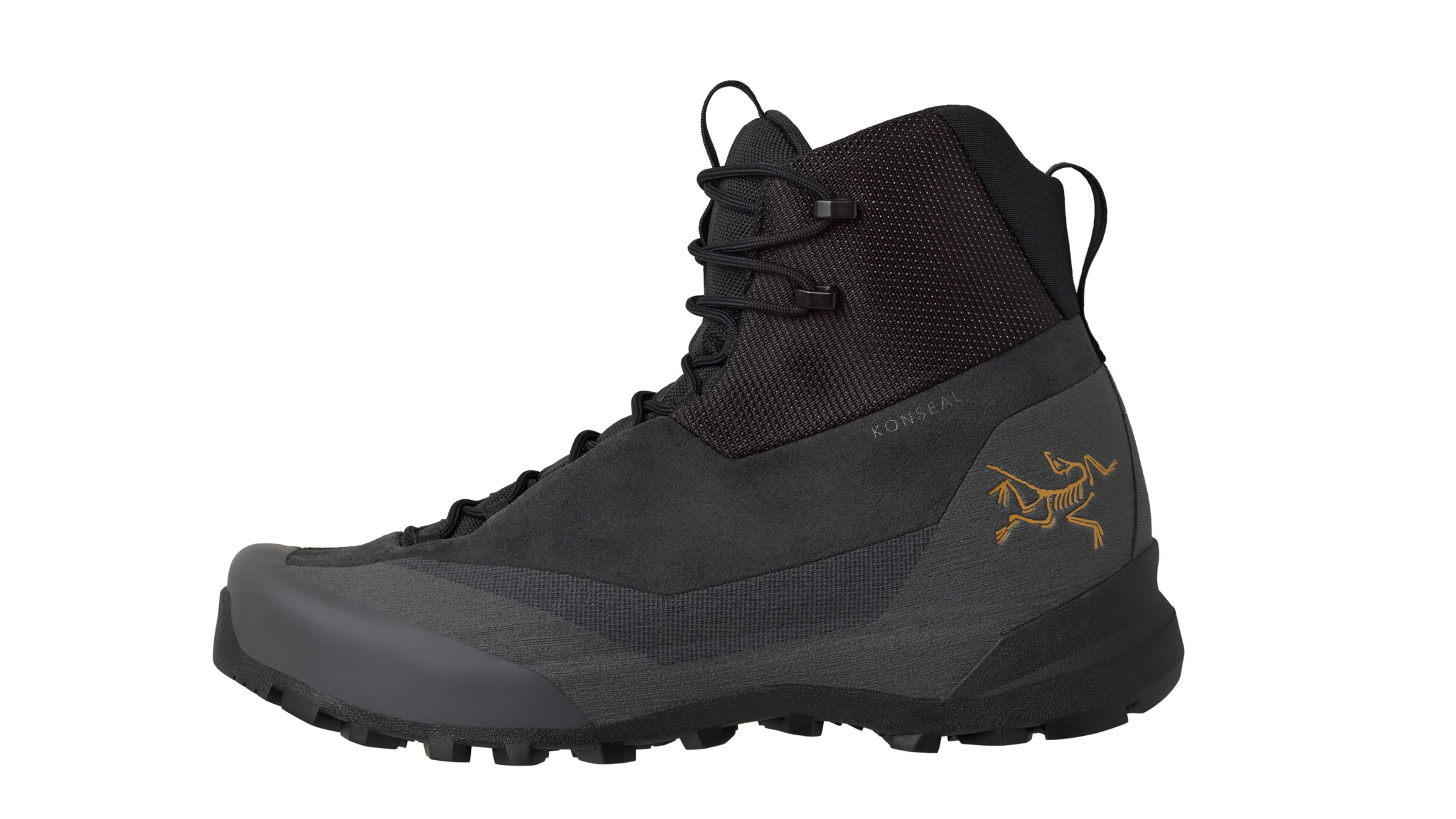
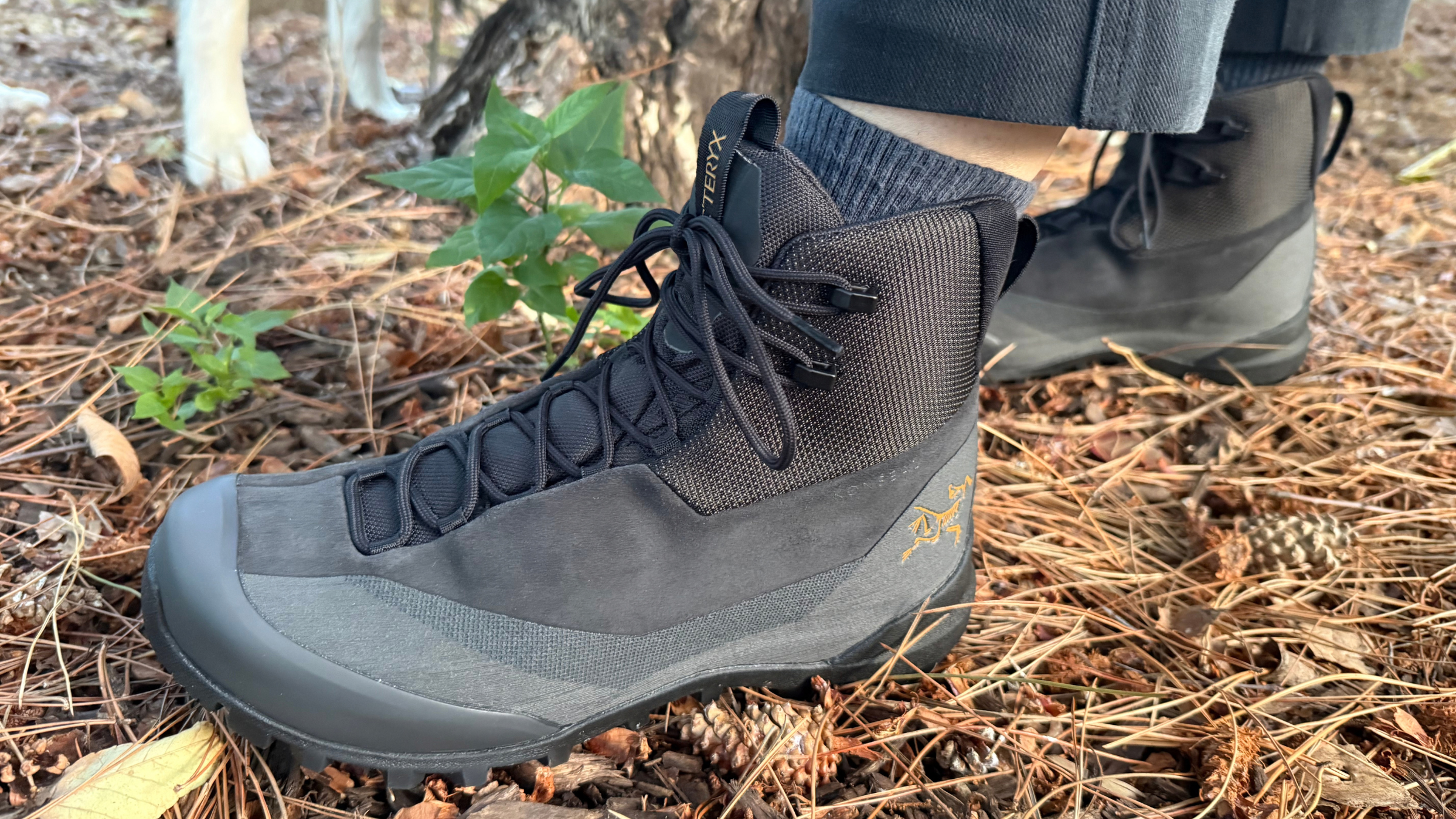
Most Supportive: Arc’teryx Konseal Trek
- Weight: 17.6 oz per shoe
- Sizes: 5–10
- Key Pros: Outstanding durability, premium aesthetic, reliable ankle support for heavy loads.
- Key Cons: Lacing system can be tedious to adjust.
The Arc’teryx Konseal Trek bridges the gap between a technical approach shoe and a traditional backpacking boot. Featuring a Nubuck leather upper reinforced with woven Kevlar and a bonded Gore-Tex membrane, it offers unmatched protection on scree and slanted riverbeds. Its sticky Vibram MegaGrip outsole features aggressive multi-length lugs designed to maximize friction on steep terrain.
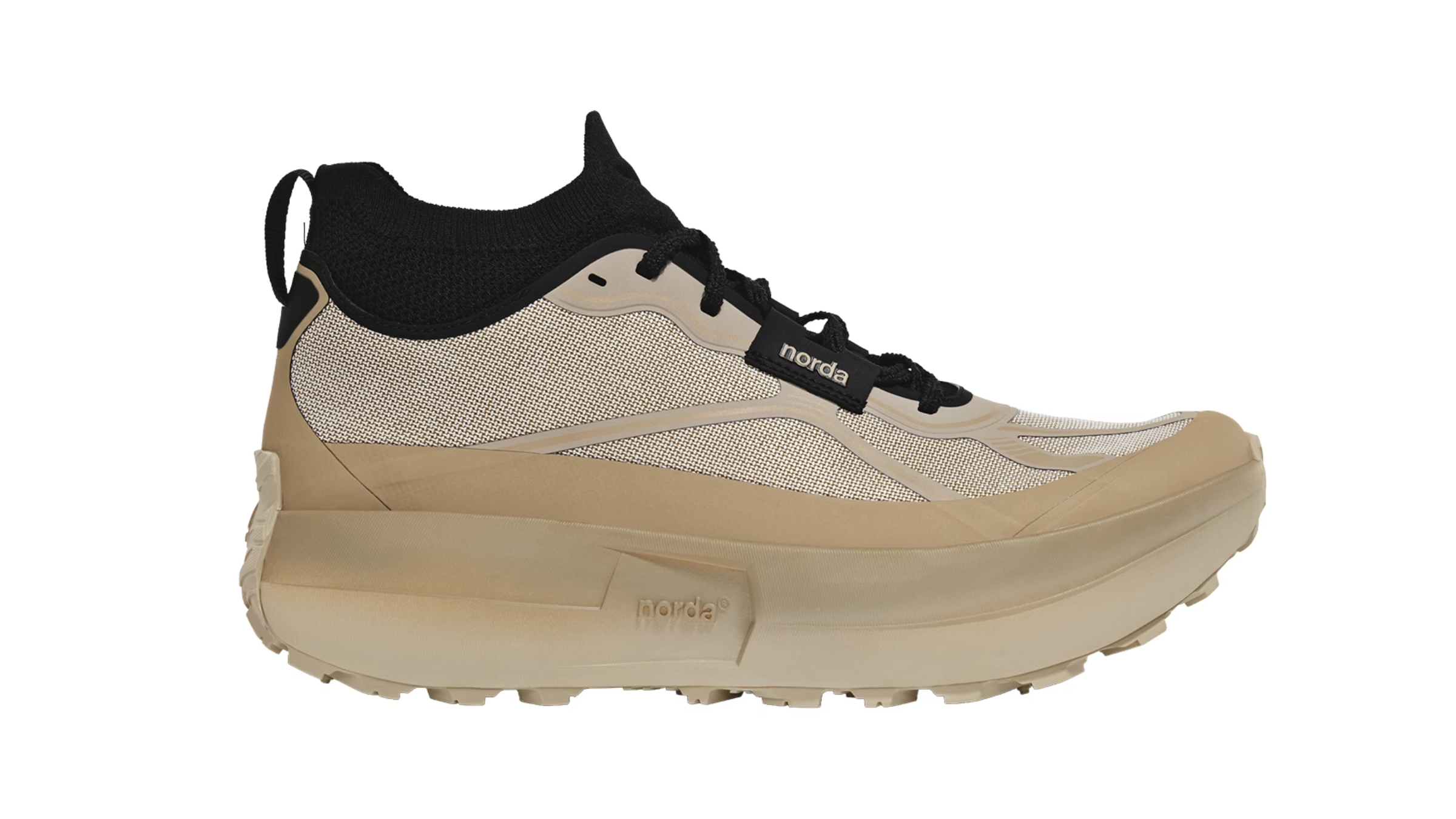
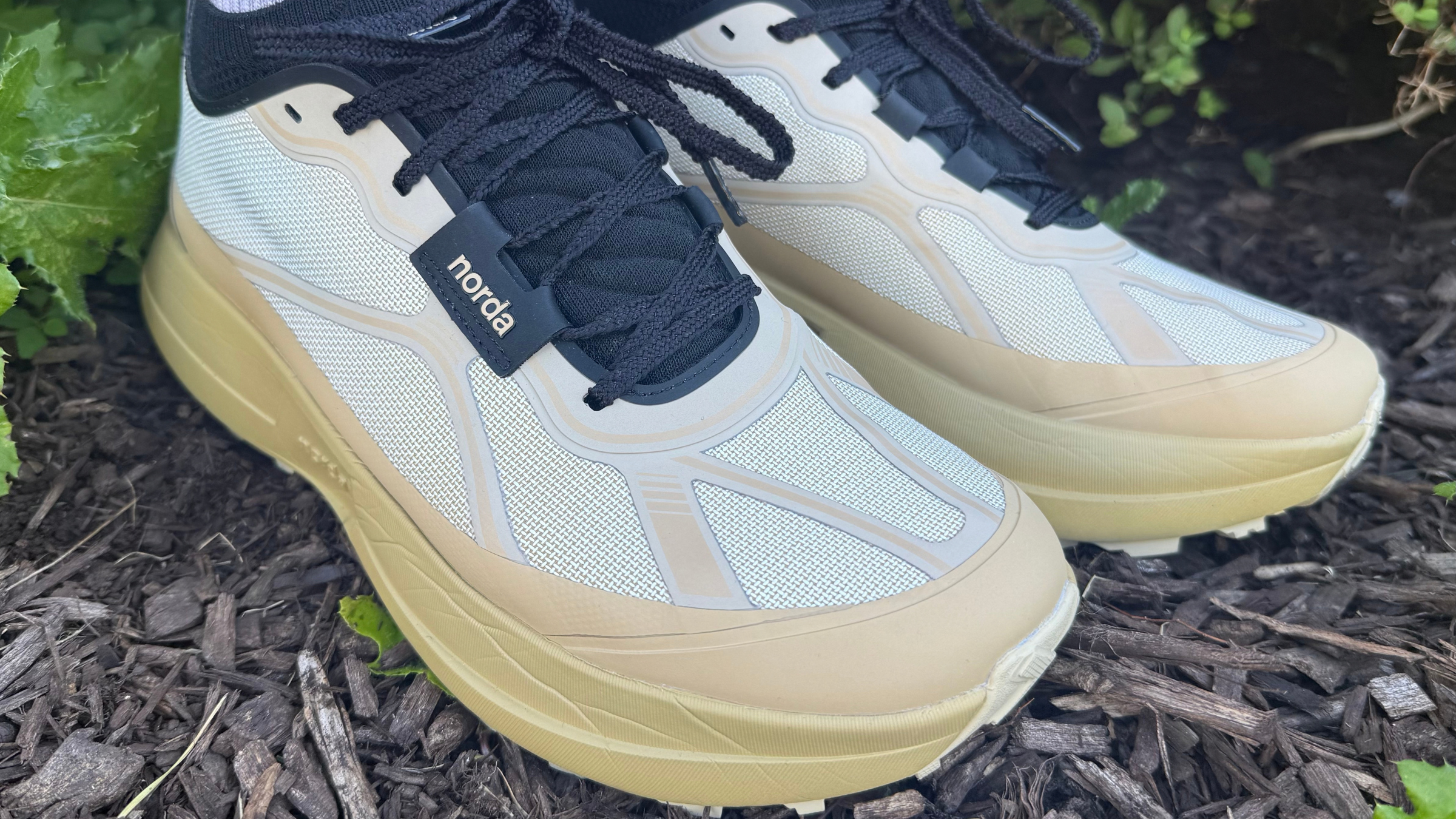
Fastest: Norda 055
- Weight: 9.2 oz
- Sizes: 6–10
- Key Pros: High-rebound propulsive midsole, exceptionally durable Bio-Dyneema upper.
- Key Cons: Can feel tippy on uneven sidehills; high price tag.
Technically a trail runner, the Norda 055 won over our testers for rapid-pace hiking on smoother terrain. Its thick TPEE midsole offers an unprecedented energy return, creating a trampoline-like bounce that actively reduces foot fatigue over long, flat stretches.
Chronology and Testing Evolution: How the 2026 Lineup Was Evaluated
The selection process for the 2026 gear guide was an ongoing, year-round operation. Field testing began in the early spring thaws of the Midwest and continued through the humid summer months of the East Coast, the alpine altitudes of Montana, and the rocky coastal trails of the Great Lakes.
- Phase 1: Initial Sourcing & Intake (January–March): Manufacturers submitted their flagship and newly updated women’s footwear models. Editorial teams categorized them based on intended use—ranging from technical mountaineering to lightweight day-hiking and water-crossing specialists.
- Phase 2: Field Deployment (April–August): At least two independent testers put each boot through a standardized battery of use-cases. Testers deliberately sought out harsh conditions: standing in buckets of water, wading through streams, scrambling over talus, and logging double-digit mileage runs.
- Phase 3: Data Compilation & Surveying (September): Following field trials, testers completed granular qualitative and quantitative surveys assessing comfort, slip-resistance, waterproofing integrity, and wear-and-tear.
- Phase 4: Final Selection (October): The consensus results were tallied, leading to the designation of the ten category winners featured in this report.
Supporting Data: Specifications at a Glance
| Model | Category | Weight (Per Shoe) | Waterproofing | Outsole |
|---|---|---|---|---|
| La Sportiva Aequilibrium Hike GTX | All-Around | 13.4 oz | Gore-Tex | Vibram w/ Impact Brake System |
| The North Face Offtrail Hike LT Mid | Backpacking | 16.0 oz | Gore-Tex | Proprietary Rubber w/ 5mm Lugs |
| Hoka Mafate Hike | Comfort | 11.3 oz | Breathable Mesh | Vibram Megagrip |
| Arc’teryx Konseal Trek | Supportive | 17.6 oz | Gore-Tex | Vibram MegaGrip |
| Norda 055 | Speed | 9.2 oz | Non-Waterproof | Vibram Exclusive Design |
| Bedrock Cairn EVO C Pro | Sandal | 8.0 oz | N/A (Open) | Vibram Megagrip |
| Scarpa Ribelle Cross 2 GTX | Stability | 14.8 oz | Gore-Tex | Aggressive 6mm Lugged Rubber |
| Danner Crag Rat Evo | Traction | 34.0 oz (2.1 lbs) | Gore-Tex | Vibram Mulaz |
| Salomon Cross Hike Tracker GTX | Agility | 14.5 oz | Gore-Tex/Synthetic | Mud Contagrip |
| Astral TR1 Mesh 2.0 | Water/Mesh | 10.7 oz | Quick-Drain Mesh | Steptrap Rubber |
Official Industry Responses & Market Trends
The 2026 outdoor footwear market highlights a clear bifurcation: manufacturers are simultaneously engineering hyper-specialized alpine rescue tools (such as the Danner Crag Rat Evo, inspired directly by Hood River search-and-rescue teams) and leaning into maximalist, running-inspired geometry (such as the Hoka Mafate and Norda 055).
A Word of Caution on Fashion Hybrids
Industry experts and testing staff have issued a unified warning regarding the rising trend of lifestyle and fashion brands releasing "alpine-inspired" footwear. Companies historically known for urban apparel—including J. Crew, Dr. Martens, and luxury houses like Hermès—have introduced heritage-styled hiking boots that lack the technical membranes, shanks, and slip-resistant outsoles necessary for backcountry safety.
"Hiking aesthetics are having a major fashion moment, but wearing lifestyle boots on technical terrain is a recipe for rolled ankles and slips," notes our editorial advisory. For hikers seeking a classic, old-school leather aesthetic backed by legitimate mountain performance, industry veterans recommend sticking to time-tested technical heritage pieces, such as the Danner Mountain Light ($430).
Implications for Consumers: How to Choose Your Next Pair
When shopping for women’s hiking footwear, consumers are advised to weigh four critical variables:
- Terrain and Load: Match your boot’s stiffness to your pack weight. Day hikes with a light daypack favor flexible trail runners or nimble mid-cuts like the Salomon Cross Hike Tracker. Multi-day backpacking trips with heavy loads demand rigid shanks and structured ankle support, such as the Arc’teryx Konseal Trek or La Sportiva Aequilibrium.
- Climate Management: Waterproof membranes (like Gore-Tex) are essential for wet, cold, or slushy environments, but they can trap heat in desert or high-summer conditions. For hot-weather backpacking or aquatic trekking, breathable mesh models like the Astral TR1 Mesh 2.0 or open sandals like the Bedrock Cairn EVO C Pro are vastly superior.
- Foot Shape and Sizing: Feet swell significantly over the course of a long day on the trail. Always shop for boots in the afternoon or evening, ensuring there is ample thumb-width space in the toe box to prevent black toenails on steep descents.
