

Published October 2, 2026
Whatever draws you into the wilderness—be it the sweeping alpine vistas, the rhythmic pounding of cardiovascular exercise, the camaraderie of a shared summit, or the restorative silence of a deep forest—ultimately boils down to a single, fundamental truth. Hiking is, at its core, an exercise in connection. It bridges the gap between the civilized self and the raw, untamed natural world, fostering a profound dialogue between human anatomy and the earth.
For decades, the standard prescription for tackling rugged terrain has involved heavy, rigid hiking boots packed with dense midsols, stiff shanks, and restrictive toe boxes. However, a growing movement within the outdoor community suggests that these modern marvels of engineering may actually be acting as a barrier between us and the environments we seek to experience. Enter minimalist footwear: a design philosophy aimed at stripping away the layers, enhancing sensory feedback, and allowing the human foot to function precisely as nature intended.
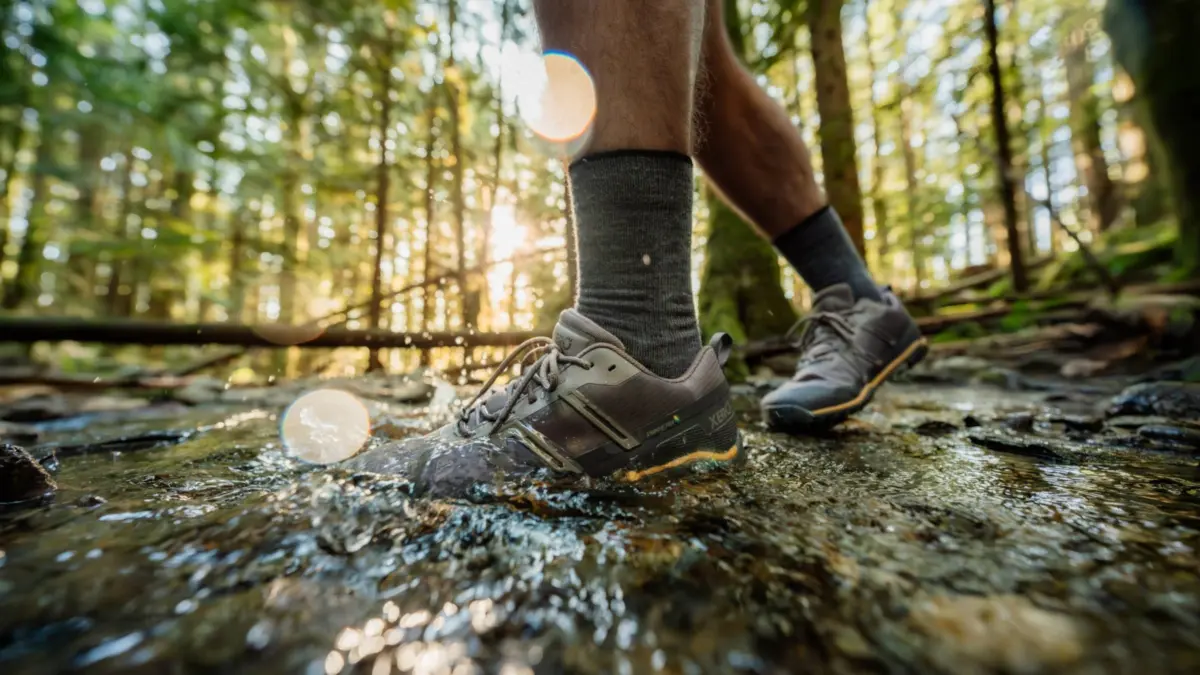
To bridge the gap between radical barefoot freedom and the harsh realities of jagged rocks, scree fields, and unpredictable weather, Xero Shoes has expanded its innovative lineup. The Scrambler collection is engineered to deliver all the physiological and sensory benefits of minimalist footwear while incorporating the trail-ready traction, protection, and durability required for serious backcountry pursuits.
Main Facts: The Anatomy of the Scrambler Collection
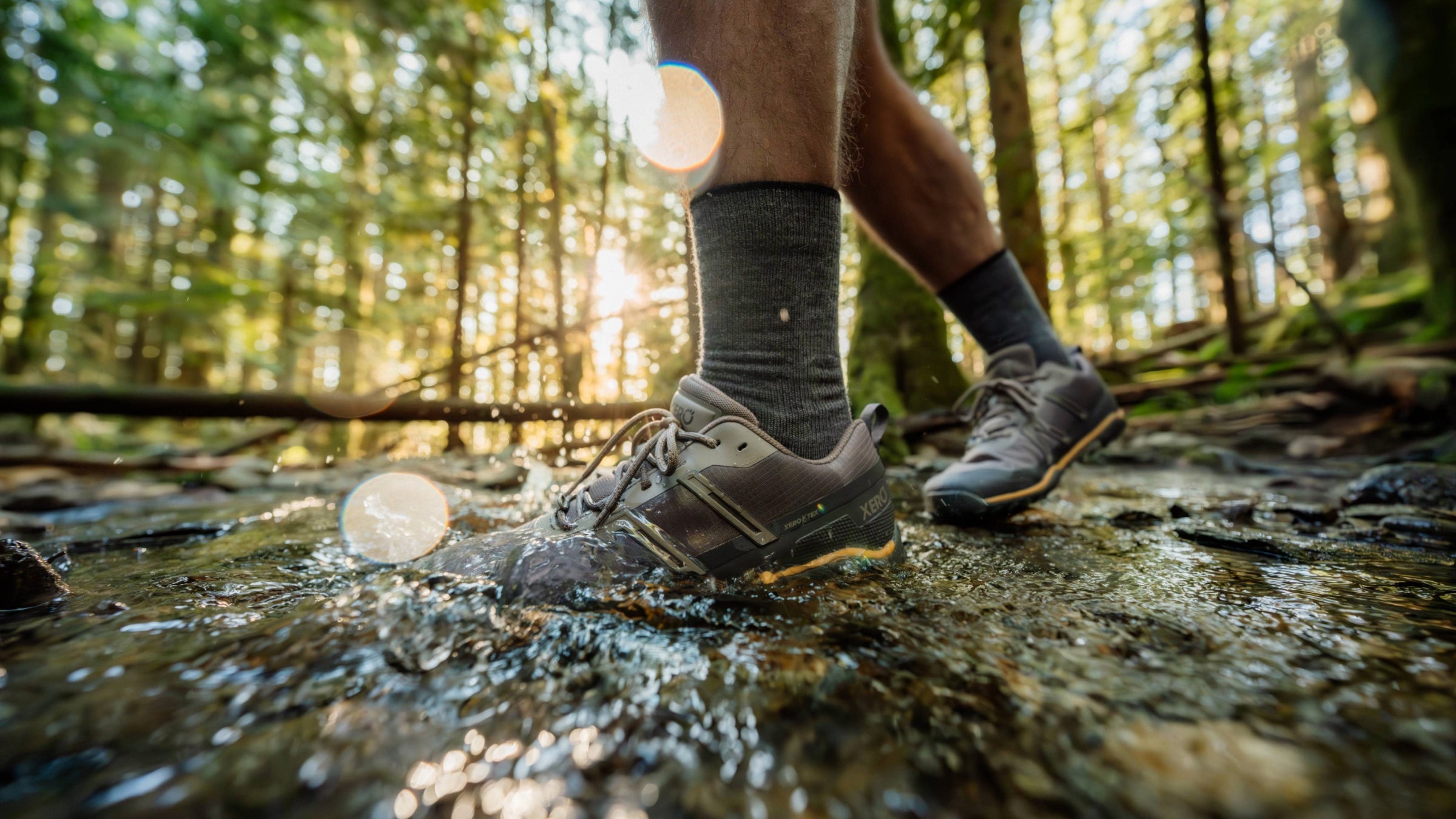
At the heart of the Xero Shoes Scrambler collection is a commitment to natural movement principles. Traditional hiking footwear often features elevated heels (known as heel-toe drop), narrow toe boxes that cramp the digits, and stiff soles that prevent the foot from bending. In contrast, the Scrambler series is built on three core pillars:
- Zero-Drop Platform: By keeping the heel and forefoot at the same distance from the ground, these shoes encourage a natural posture, alignment, and gait, reducing strain on the lower back and knees.
- Wide Toe Box: This allows the toes to splay naturally with every step, enhancing balance and stability on uneven surfaces.
- Flexible Outsoles: Designed to bend and flex with the contours of the terrain, enabling the foot muscles to actively engage rather than remaining dormant inside a rigid shell.
The entire collection utilizes advanced construction methods, such as abrasion-resistant mesh uppers paired with welded overlays. This design choice provides structural integrity and foot protection without the added weight and rigidity of traditional stitching. Furthermore, the line is divided into two distinct categories—the Scrambler Trail Series and the Scrambler Michelin Series—catering to everything from casual day hikes to technical alpine fastpacking and multi-day thru-hiking.
Chronology: The Evolution of Footwear and the Minimalist Shift
The trajectory of outdoor footwear over the last century has been marked by a constant push-and-pull between protection and sensation.
- The Mid-20th Century: Early mountaineering and hiking relied heavily on leather boots outfitted with stiff soles and heavy steel shanks. While durable, these boots essentially immobilized the foot, transferring the work of stabilization entirely away from the intrinsic foot muscles and up into the calves and knees.
- The Late 1990s to 2010s: The advent of synthetic materials brought lighter, waterproof membranes (such as early GORE-TEX iterations) to the mainstream market. While footwear became lighter, the core philosophy remained largely unchanged: cushion and support the foot to protect it from the ground.
- The Barefoot Revolution (2010s–Present): Sparked by evolutionary biology and cultural shifts toward natural health, the minimalist footwear movement gained traction in running circles before bleeding over into hiking and backpacking. Researchers and brands began examining the long-term impacts of overly structured shoes, discovering that weakened foot muscles often led to instability and common injuries like plantar fasciitis.
- October 2026: Xero Shoes debuts its most comprehensive technical offering to date with the refined Scrambler collection. By integrating specialized weatherproofing (including PFAS-free eVent VIO technologies) and high-traction rubber outsoles from Michelin, the brand addresses the historical hesitation hikers have had regarding minimalist shoes on wet, technical, or long-distance routes.
Supporting Data: What the Science and Experts Say
Transitioning to minimalist footwear is not merely a stylistic choice; it is backed by growing biomechanical research and expert consensus.
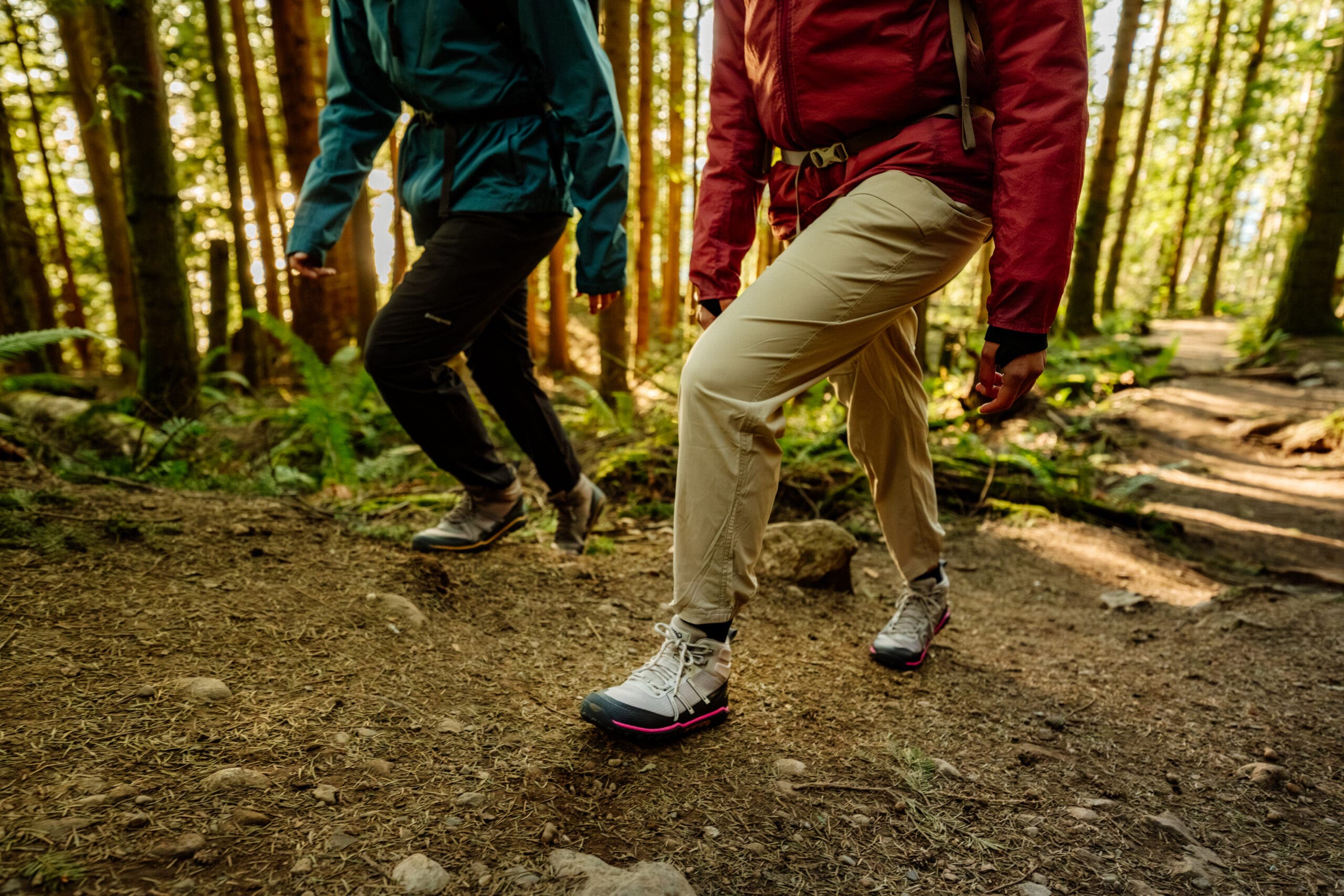
According to Mikey Bell, a NASM-certified trainer and professional mountain guide, wearing traditional, highly structured shoes allows the intrinsic muscles of the feet to atrophy.
"When you switch to minimalist shoes, the tendons, joints, and ligaments in your feet have to actively articulate and stabilize to move over uneven terrain," Bell explains. "Minimalist shoes’ flexibility and groundfeel increase proprioception—your body’s awareness of its position in space—so you’re better able to move agilely on trails."
This functional awakening is further supported by clinical research. A landmark study led by Dr. Sarah Ridge investigated the impacts of minimalist footwear on foot strength over time. Dr. Ridge’s research suggested that simply walking in minimalist shoes for a period of six weeks is just as effective at building strength as a dedicated, clinical foot-strengthening exercise program.
When applied to the trail, this increased muscular engagement translates to better balance, reduced ankle sprains over time (once the stabilizing muscles are conditioned), and a more harmonious relationship with the ground underfoot.
Official Responses and First-Hand Field Testing
To understand how these scientific principles translate to the dirt, gear reviewers and outdoor professionals have begun putting the Scrambler line through its paces.
In a recent field test of the Scrambler Trail Low WP, a seasoned trail runner and long-distance backpacker noted an immediate shift in sensory awareness:
"I wore the shoes for a couple of short hikes and enjoyed feeling, well, more grounded. I also noticed my foot and lower leg muscles activating, which seemed to send a chain of positivity up through my hips and maybe even my back. As a longtime trail runner and hiker who has used a variety of footwear, I’m looking forward to integrating a minimalist design into my shoe rotation."
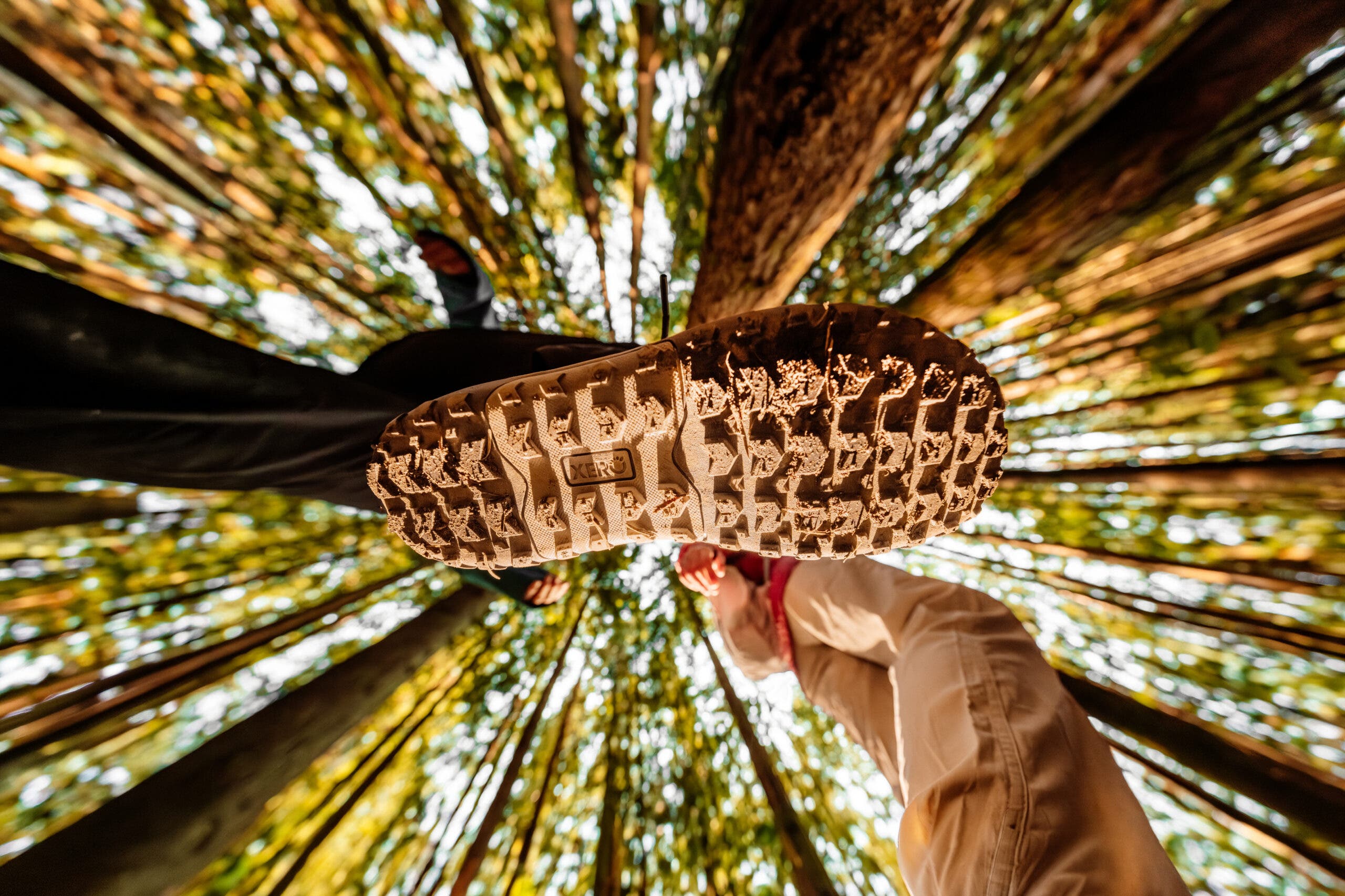
Industry response has similarly focused on the delicate balance Xero Shoes has struck. By combining toothy, high-traction lugs with ground-hugging flexibility, the brand has managed to eliminate the intimidation factor that typically stops traditional backpackers from exploring minimalist gear. Hikers no longer have to choose between protecting their feet from sharp granite and feeling the terrain; the Scrambler series aims to deliver both.
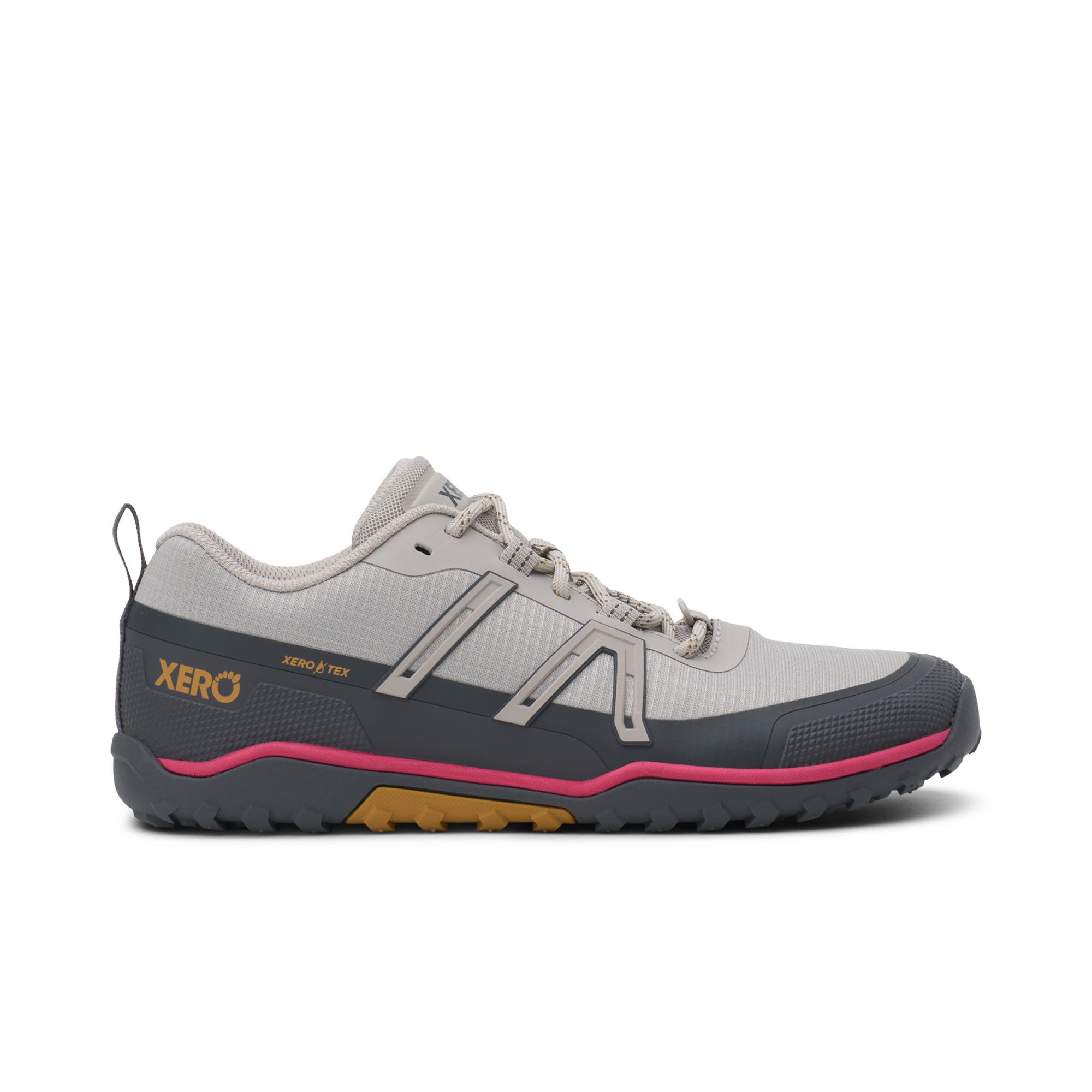
The Lineup: Breaking Down the Scrambler Collection
The collection features four distinct models, each tailored for specific environmental conditions, distances, and pacing styles:
The Scrambler Trail Series
Designed for minimalist flexibility combined with dedicated waterproofing for day hikes and extended backpacking trips.
- Day Hiker: Scrambler Trail Low WP
- Features: Proprietary waterproof/breathable membrane, gusseted tongue to lock out water and trail debris, low-cut profile for agility, and a lugged outsole for multi-terrain grip.
- Weight: 9.8 oz. (men’s), 8.4 oz. (women’s)
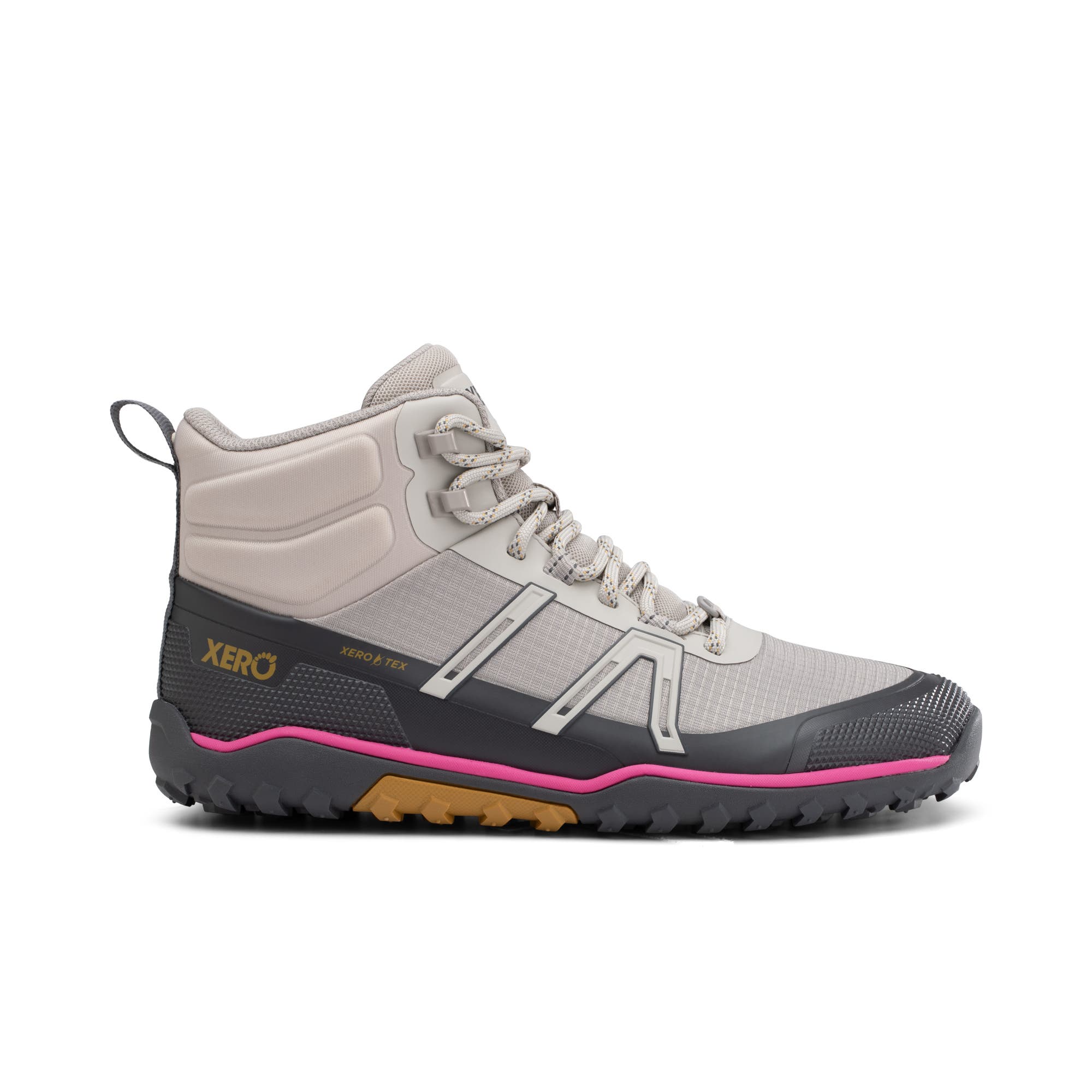
- Thru-Hiker: Scrambler Trail Mid WP
- Features: Higher ankle cut for added support and protection, XeroTex waterproof membrane, gusseted tongue. Built specifically for long-distance thru-hiking, sloppy mud, and snow-covered terrain while retaining a barefoot feel.
- Weight: 11.6 oz. (men’s), 9.7 oz. (women’s)
The Scrambler Michelin Series
Engineered for technical terrain, these models incorporate high-performance Michelin rubber outsoles for unmatched traction, alongside enhanced underfoot durability.
- Day Hiker/Backpacker: Scrambler Mid II WP
- Features: Premium eVent VIO PFAS-free waterproofing technology for superior breathability in wet conditions. Includes a moisture-wicking liner, air-permeable mesh upper, and a tightly woven textile overlay for extreme abrasion resistance.
- Weight: 12.2 oz. (men’s), 10 oz. (women’s)
- Fastpacker: Scrambler Low EV
- Features: The ultimate trail runner of the series. Combines a natural, responsive ride with a Michelin rubber outsole for lightning-fast movement over roots and rocks, protected by a flexible, highly durable mesh upper.
- Weight: 9.2 oz. (men’s), 7.4 oz. (women’s)
Implications: How to Transition Safely
While the benefits of minimalist hiking footwear—ranging from improved proprioception to enhanced foot strength—are compelling, experts issue one vital caveat: Do not rush the transition.
For years, modern footwear has cushioned and immobilized our feet. Jumping straight into a 15-mile alpine trek in a pair of minimalist shoes without proper conditioning can lead to excessive strain on the calves, Achilles tendons, and intrinsic foot muscles.
"With any new footwear, but especially with minimalist footwear, it’s wise to ease into usage and allow your body to adjust," advises Mikey Bell. "Your calves are going to work harder, so start with a gradual approach to focus on strengthening feet and ankles. Hiking is one of the best ways to do that."
Bell and other podiatric experts recommend a progressive acclimatization schedule:
- Phase 1 (The Living Room Test): Wear the shoes around the house for daily chores to let your feet adjust to the zero-drop platform.
- Phase 2 (Neighborhood Walks): Take short walks on flat, paved surfaces to build baseline muscle adaptation in the lower legs.
- Phase 3 (Short Trail Excursions): Venture onto easy, low-mileage dirt trails, paying attention to how your muscles respond.
- Phase 4 (Full Integration): Gradually scale up to longer outings, technical terrain, and multi-day backpacking trips, fully unlocking the natural strength and sensory connection that minimalist footwear is designed to provide.
As outdoor enthusiasts continue to seek deeper, more authentic ways to experience the natural world, innovations like the Xero Shoes Scrambler collection prove that sometimes, the best way forward is to strip away the excess and return to the ground we walk on.
