

Published October 2, 2026
There is a distinct, visceral magic to an autumn hike. As the days grow crisper and the forest canopy transitions into a brilliant mosaic of amber, crimson, and gold, every sense is awakened. You see the vibrant foliage shifting in the breeze; you hear and feel the satisfying crunch of frost-kissed leaves beneath your boots; you breathe in the rich, earthy aroma of damp forest duff and pine needles.
Yet, for the truly dedicated outdoor enthusiast, the ultimate expression of the season is found at the intersection of wilderness exploration and culinary craft. For decades, traditional backpacking cuisine has been synonymous with efficiency over flavor—dehydrated chili packets, instant oatmeal, and calorie-dense energy bars meant strictly to fuel the miles rather than feed the soul. But as a growing movement of outdoor chefs proves, fall is the ideal season to up your backcountry game.

The signature flavors of the harvest—ranging from spiced pumpkin and rich maple to earthy squash, sweet potatoes, and hot apple cider—translate remarkably well from the Thanksgiving dining table to the open campfire. Diving deep into the culinary archives, outdoor experts have curated 14 standout autumn recipes designed to elevate camp cooking. Whether you aim to be a morning hero with spiced carrot cake pancakes, warm your hands around a bowl of savory pumpkin-peanut soup, or cap off a brisk night under the stars with a boozy ginger apple cider, transforming your fall wilderness experience starts in the camp kitchen.
The Main Facts: Elevating Fall Backcountry Gastronomy
The shift toward gourmet trail cooking is not merely a passing social media trend; it reflects a broader evolution in outdoor recreation. Modern backpackers are increasingly unwilling to sacrifice culinary quality for the sake of lighter packs, thanks in large part to advancements in lightweight camp cookware, compact canister stoves, and clever pre-trip food preparation techniques.
Autumn presents unique opportunities and challenges for outdoor cooking. While cooler ambient temperatures make it easier to pack fresh produce—such as apples, squash, and root vegetables—without fear of rapid spoilage, shorter daylight hours mean camp chefs must execute their meals efficiently before nightfall plunges the woods into darkness.
The curated collection of 14 autumn recipes bridges this gap by utilizing a hybrid approach: pre-portioning or pre-chopping delicate ingredients at home, while relying on shelf-stable staples like instant coffee, powdered milk, and canned purees in the backcountry. From comforting gourds to spiced spirits, these recipes prove that gourmet eating has a definitive place on the trail.
Chronology: The Evolution of Campfire Cuisine
To understand how backcountry cooking reached a point where backpackers are crafting pumpkin spice lattes and baking sweet potato pizza pies over open coals, it helps to look at the historical trajectory of wilderness nutrition.
Phase 1: The Era of Survival Rations (Mid-20th Century)
In the early days of recreational backpacking, gear was heavy, and food was viewed strictly as fuel. Heavy cast-iron skillets, bulk flour, salted meats, and canned goods dominated early trail menus. Meals were heavy to carry and time-consuming to prepare, often resulting in simple stews or bland porridges designed solely to replenish burned calories.
Phase 2: The Freeze-Dried Revolution (Late 20th Century)
The advent of freeze-dried technology revolutionized lightweight backpacking. Campers could suddenly slide an entire meal into a compact, foil pouch, add boiling water, and consume a high-calorie dinner within minutes. While this innovation allowed hikers to push deeper into the backcountry with lighter packs, it often came at the expense of taste, texture, and cultural culinary satisfaction.
Phase 3: The Trail-Chef Renaissance (Present Day)
Over the past decade, a new wave of outdoor adventurers has rejected the false dichotomy between lightweight packing and gourmet dining. Inspired by culinary innovators and trail chefs, modern backpackers are utilizing dehydrators at home, vacuum-sealing fresh ingredients, and adapting baking techniques to lightweight camp stoves. The integration of seasonal harvest flavors into backcountry menus represents the pinnacle of this movement, turning camp cooking from a nightly chore into an experiential highlight of the trip.
Supporting Data: The Harvest Menu Breakdown
The 14 featured fall recipes are categorized into four distinct flavor profiles, each designed to maximize seasonal comfort while respecting the practical limitations of wilderness cooking.

1. Pumpkin: The Undisputed King of Autumn
No fall menu is complete without pumpkin, a versatile ingredient that lends itself equally well to sweet and savory applications.
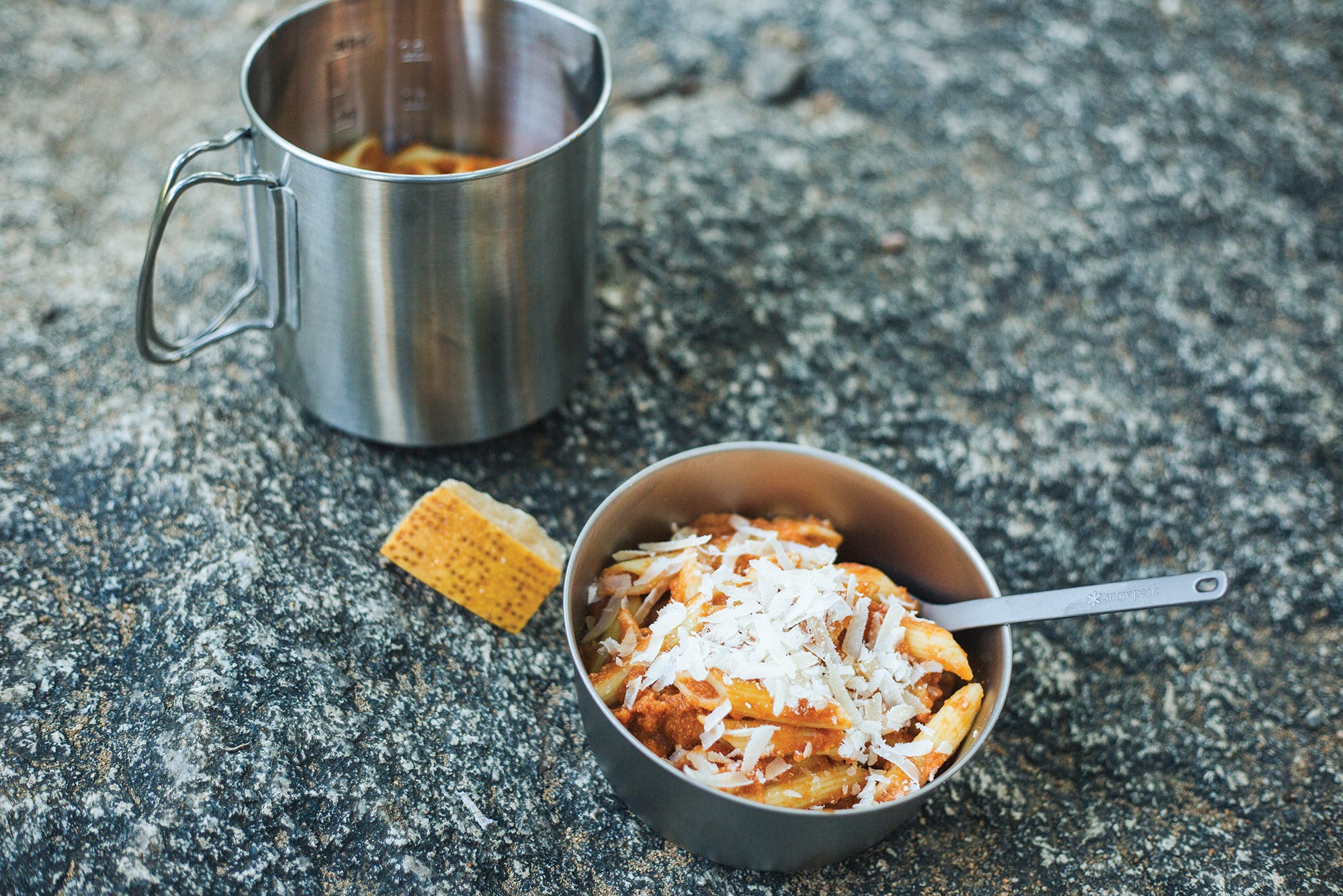
- 3 Pumpkin Trail Recipes: A comprehensive primer that incorporates the quintessential fall gourd into pasta dishes, morning pancakes, and more.
- Pumpkin Peanut Soup: A masterclass in flavor fusion, combining creamy peanut butter, canned pumpkin puree, and shredded cheese for a rich, high-calorie dinner that warms you from the inside out.
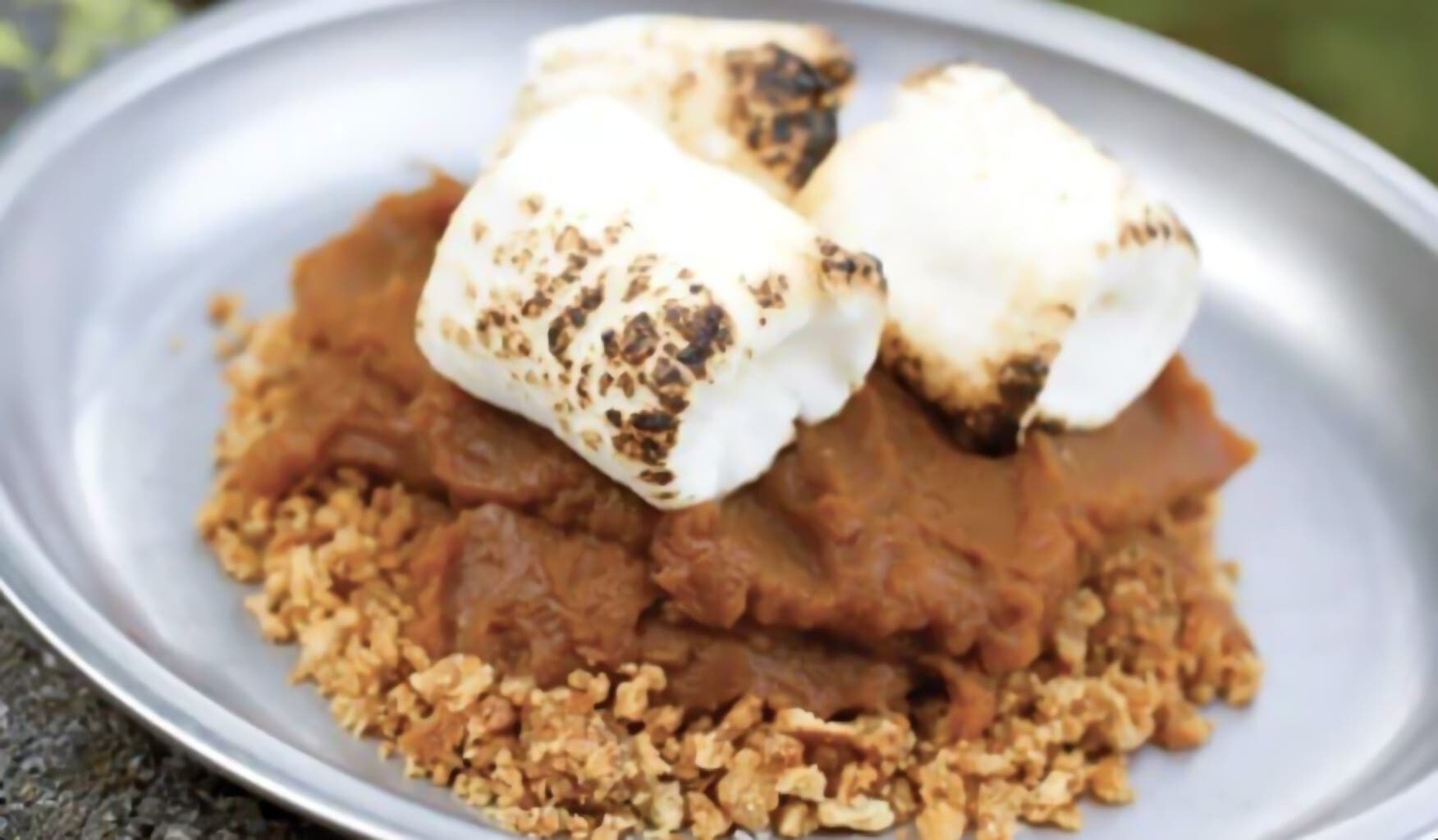
- Instant Pumpkin Pie: Eliminates the need to haul fragile pie pans into the wilderness. By layering pumpkin puree, crushed graham crackers, and toasted marshmallows, hikers can achieve an authentic pie experience in minutes.
- Backpacker’s Pumpkin Spice Latte: A backcountry adaptation of the ubiquitous coffee-shop favorite, utilizing instant coffee, powdered milk, warm spices, and powdered pumpkin puree.
- Pumpkin Spice Toddy: A sophisticated campfire cocktail requiring a bit of extra pack weight—including cream, hazelnut syrup, and aged (añejo) tequila—that yields high rewards on a freezing night.
2. Apple: Crisp, Sweet, and Smoky
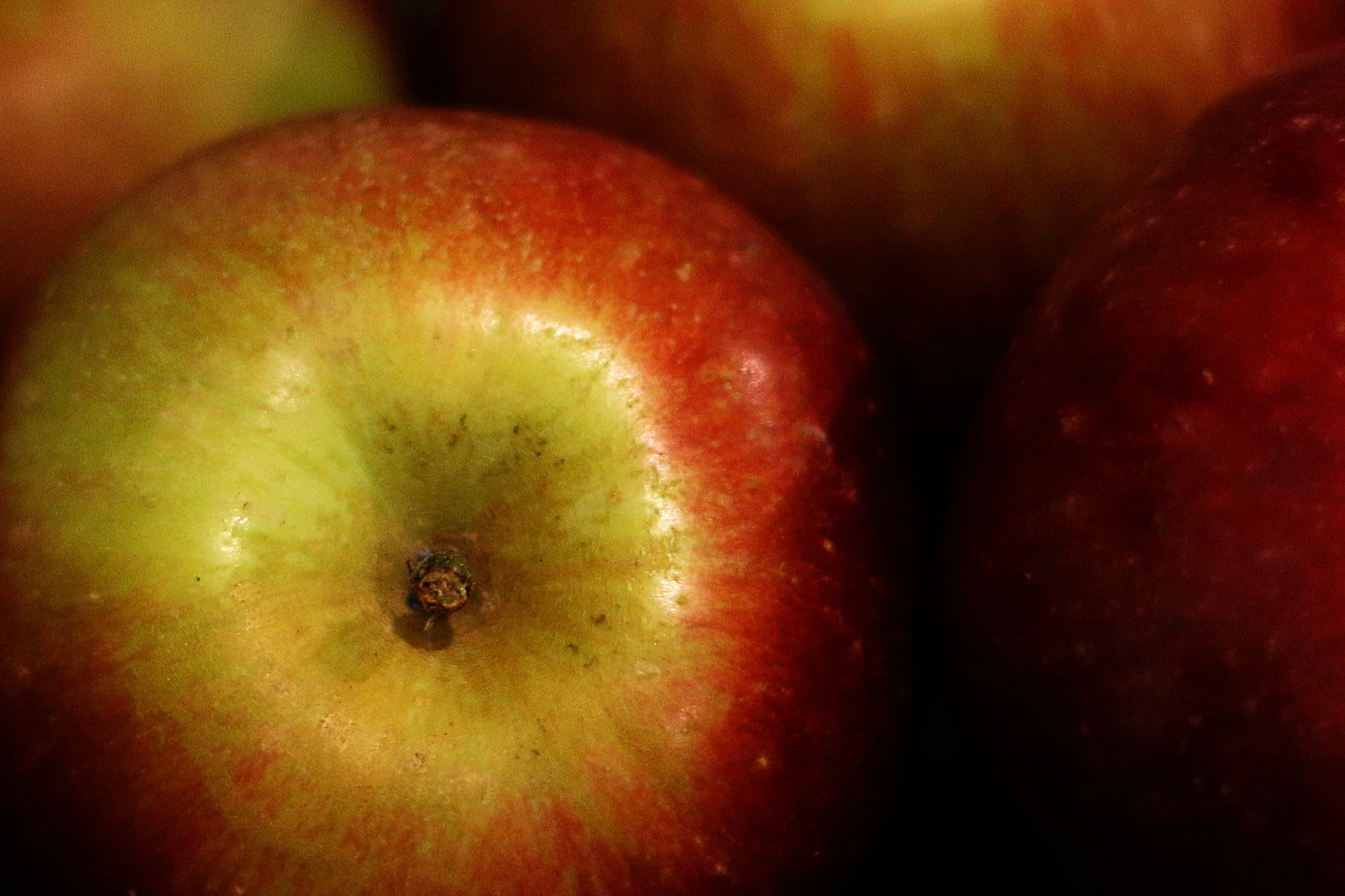
Apples are among the most resilient fresh fruits for early autumn backpacking trips, holding up well in a pack and lending themselves to both stovetop and open-fire cooking.
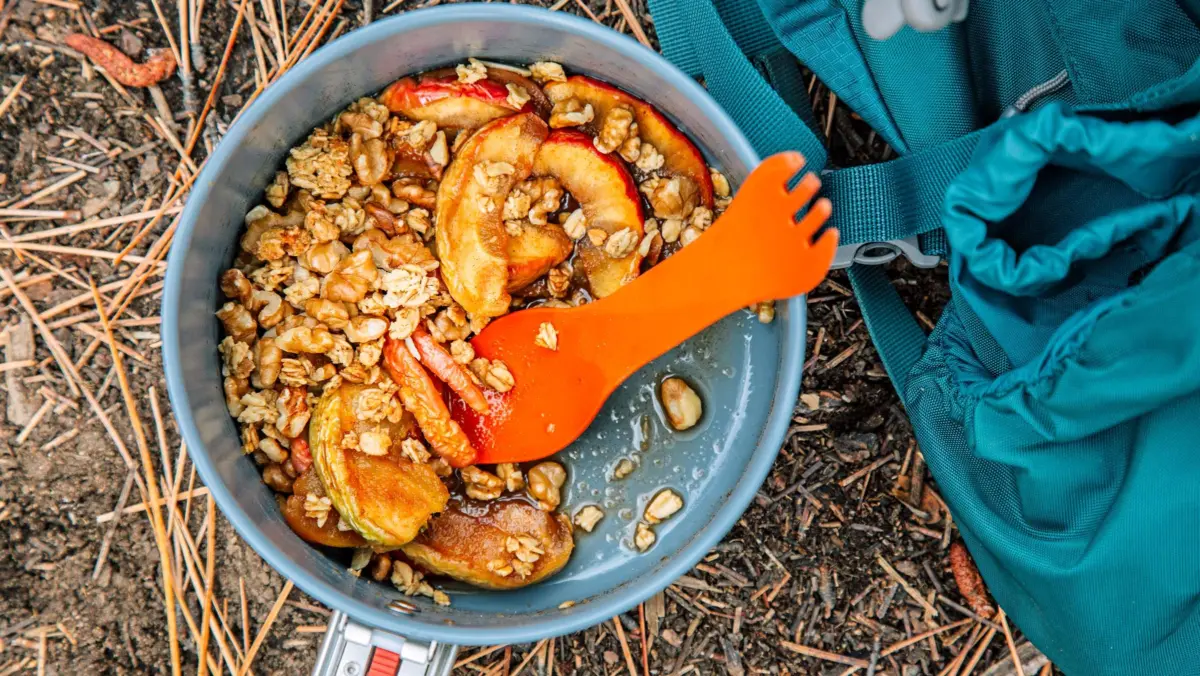
- Spiced Apple Crisp: By pre-chopping apples at home, campers can whip up this dessert using a standard canister stove and a medium-size cookpot.
- Apple Pie on a Stick: An interactive campfire recipe combining granola, fresh apples, brown sugar, and spices threaded onto a stick and roasted over glowing coals.
- Campfire Baked Apples: An underappreciated classic where whole apples are cored, filled with sweeteners and spices, and wrapped in foil to bake directly on campfire coals until tender and syrupy.
- Warm Apple Crescents: A clever, reader-submitted shortcut utilizing store-bought crescent roll dough and canned apple pie filling to replicate fresh-from-the-oven pastries.
- Ginger Spiced Apple Cider: A seasonal tipple combining apple cider, mulling spices, vanilla vodka, and ginger liqueur, which can also be streamlined using powdered cider mixes.
3. Maple and Spice: Warmth in Every Bite
- Maple Sweet Grits: A savory-sweet breakfast alternative to standard oatmeal, dressing up instant grits with crumbled bacon and pure maple syrup.
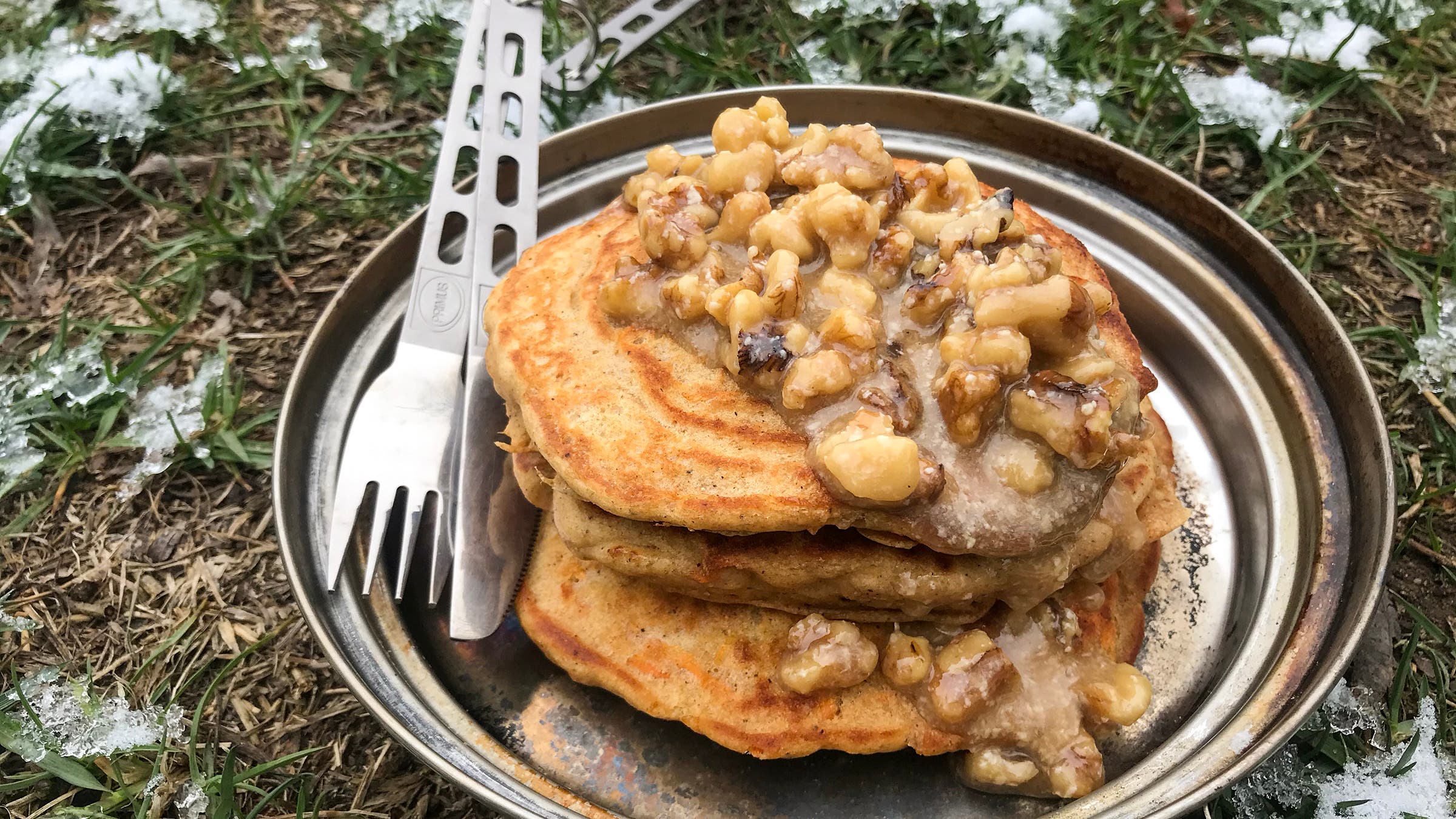
- Carrot Cake Pancakes: A pastry-inspired breakfast requiring pre-prep at home and refined camp-griddle skills, guaranteed to earn the cook universal praise from hiking partners.
4. Squash and Sweet Potato: Earthy Comforts
- Butternut Squash and Honey Apple Cakes: Fresh produce is a luxury on extended trips; these vegetable-forward cakes celebrate the start of a journey or a fresh resupply point with rich, complex flavors suited for breakfast or dinner.
- Sweet Potato Pizza Pie: A backcountry flatbread baked on a hot stone over campfire coals, delivering a crispy-chewy crust topped with sweet potato puree and seasonal fixings.
Official Perspectives: The Psychology of Trail Cooking
Outdoor educators and backcountry chefs emphasize that food plays a crucial psychological role in wilderness expeditions, particularly as weather conditions deteriorate during the shoulder seasons.
"When the temperature drops and the sun sets by 6:00 PM, morale around the campfire can plummet if dinner is just another lukewarm, bland pouch of freeze-dried mush," notes backcountry culinary instructor Marcus Vance. "Investing an extra ten minutes into cooking a real meal—like baking apples over coals or whisking together a warm cider—changes the entire dynamic of the expedition. It transforms a freezing night in the woods into a memorable shared experience."
Furthermore, nutritionists point out that cooler weather demands an increase in caloric intake to maintain core body temperature. Ingredients like maple syrup, peanut butter, cheese, and root vegetables provide the dense macronutrients necessary to keep hikers energized and warm throughout crisp autumn nights.
Implications: The Future of Sustainable and Gourmet Backcountry Travel
The growing popularity of gourmet autumn camp cooking carries several important implications for the outdoor community and environmental stewardship:
- Leave No Trace Challenges: Transporting fresh produce, baking ingredients, and glass liquor bottles into the backcountry requires heightened diligence regarding waste management. Campers must ensure that all organic scraps (such as apple cores and squash rinds) are properly packed out rather than improperly disposed of, protecting local wildlife from habituation.
- Equipment Innovation: The demand for multi-functional, lightweight camp cookware—such as portable folding ovens, lightweight bakeware stones, and durable titanium pots capable of simmering thick soups—continues to drive outdoor gear manufacturing trends.
- Extended Recreation Seasons: By proving that comfortable, delicious dining is achievable in colder weather, these culinary trends encourage outdoor enthusiasts to extend their hiking and camping seasons well beyond the traditional summer window, reducing overcrowding during peak months and fostering a deeper, year-round appreciation for public lands.
Whether you are seeking solace on a crowd-free autumn foliage hike or looking to impress your peers around the fire pit, upgrading your menu with these harvest-inspired recipes guarantees that your palate will experience the absolute best of the season.
