

Published: August 19, 2026
By: Backpacker Field Editors
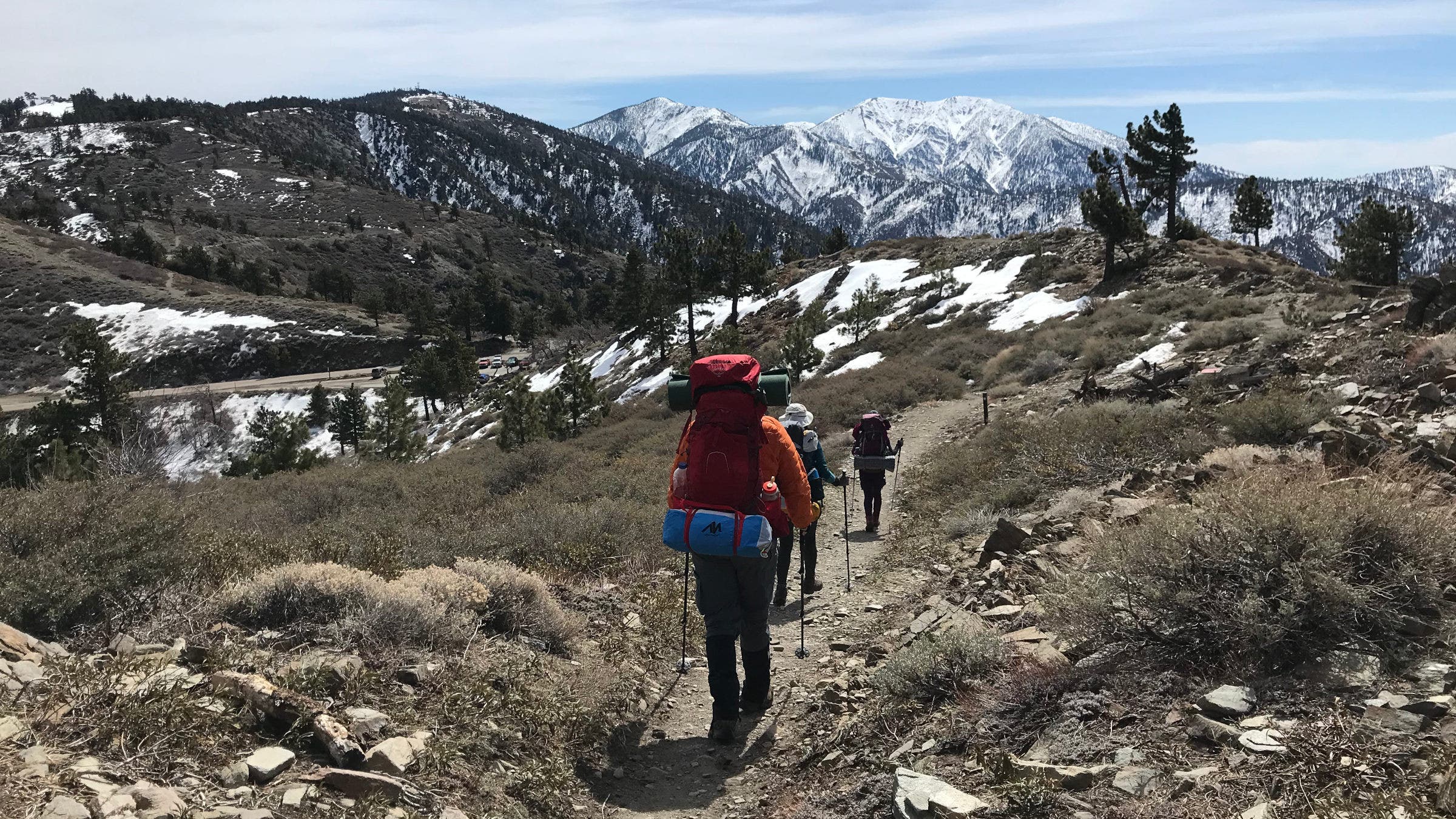
Living the “hiker trash” life is a masterclass in minimalism. It is about trading the rigid schedules of modern civilization for weeks or even months of uninterrupted immersion in the wilderness. It means sleeping beneath a blanket of stars, waking up at first light to break camp, and measuring your days in miles rather than hours. It is about forging deep bonds with a tramily—a trail family of like-minded souls brought together by shared suffering and spectacular vistas.
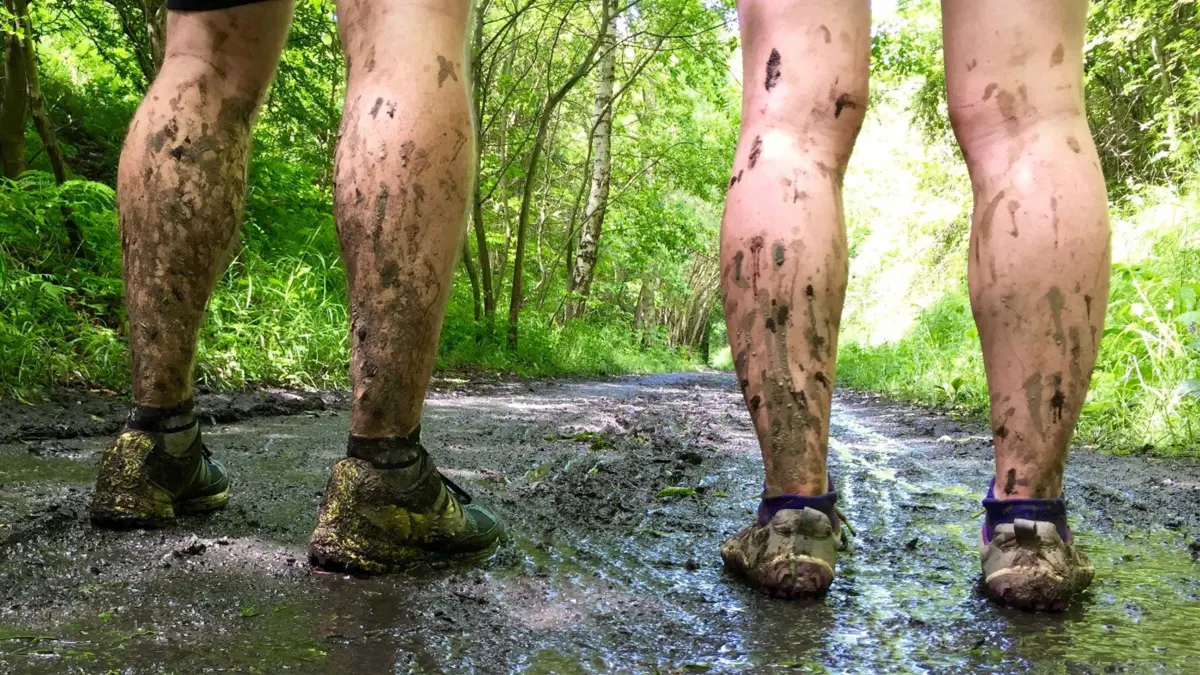
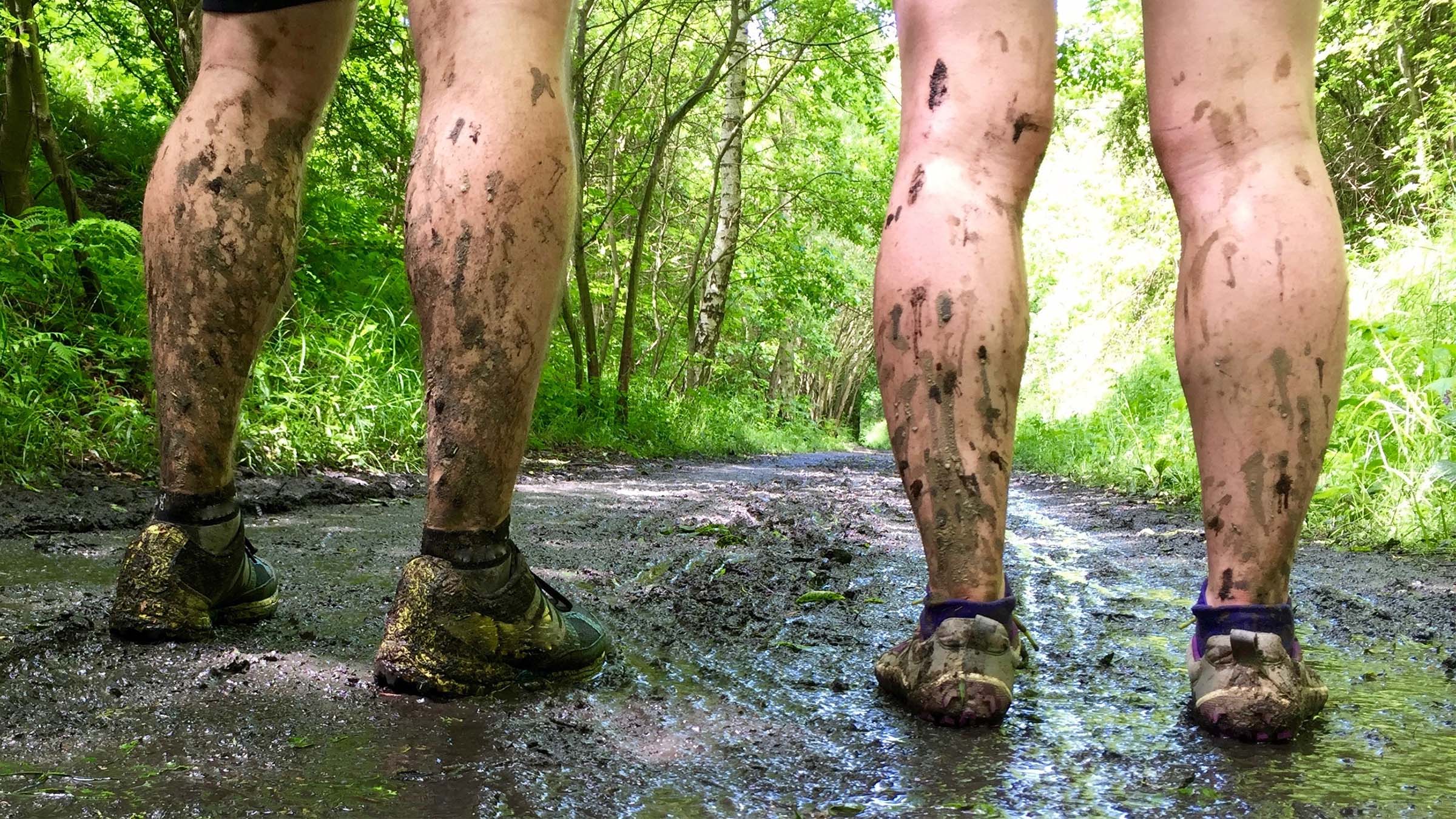
Yet, this romantic lifestyle comes with a distinct, pungent caveat: backpacking is inherently dirty and stinky. When days stretch into weeks between running water and flush toilets, personal hygiene easily falls by the wayside. While a certain level of grime is accepted as a rite of passage, letting personal care slip entirely can erect an invisible wall between you and the very community you set out to find.
Maintaining hygiene on a long-distance thru-hike or a weekend backpacking trip isn’t just about vanity; it is a matter of health, comfort, and trail etiquette. Mastering the delicate balance of staying fresh in the backcountry requires strategy, discipline, and the right gear.
Main Facts: The Reality of Backcountry Microbiology
The human body sweats roughly 0.8 to 1.4 liters per hour during vigorous exercise, and significantly more in high-altitude sun or humid valley floors. When mixed with the natural microflora living on human skin, this perspiration breeds odor-causing bacteria. In an urban environment, a daily shower washes away these microbial colonies before they can multiply. On the trail, however, sweat, dead skin cells, and accumulated oils form a thick, resilient layer.
Synthetic clothing materials, such as polyester and nylon, act as sponges for these body oils, trapping bacteria within their fibers and intensifying body odor over time. Conversely, natural performance fibers like merino wool possess inherent antimicrobial properties that naturally resist odor buildup.
Furthermore, trail hygiene intersects directly with backcountry safety. Fragrant deodorants, scented soaps, and unwashed residue left on skin or clothing can attract wildlife—a critical hazard in bear country. Consequently, trail hygiene must be approached not as an aesthetic routine, but as an ecological and physiological management system.
Chronology: A Day in the Life of a Hygiene-Minded Backpacker
Navigating personal care on the trail requires a structured daily rhythm. From dawn wake-ups to evening wind-downs, proactive hygiene management keeps the worst of the stench at bay.
The Morning Routine: Setting the Tone
The day begins before the first step on the trail. Smart backpackers take advantage of the morning chill to establish a clean baseline.
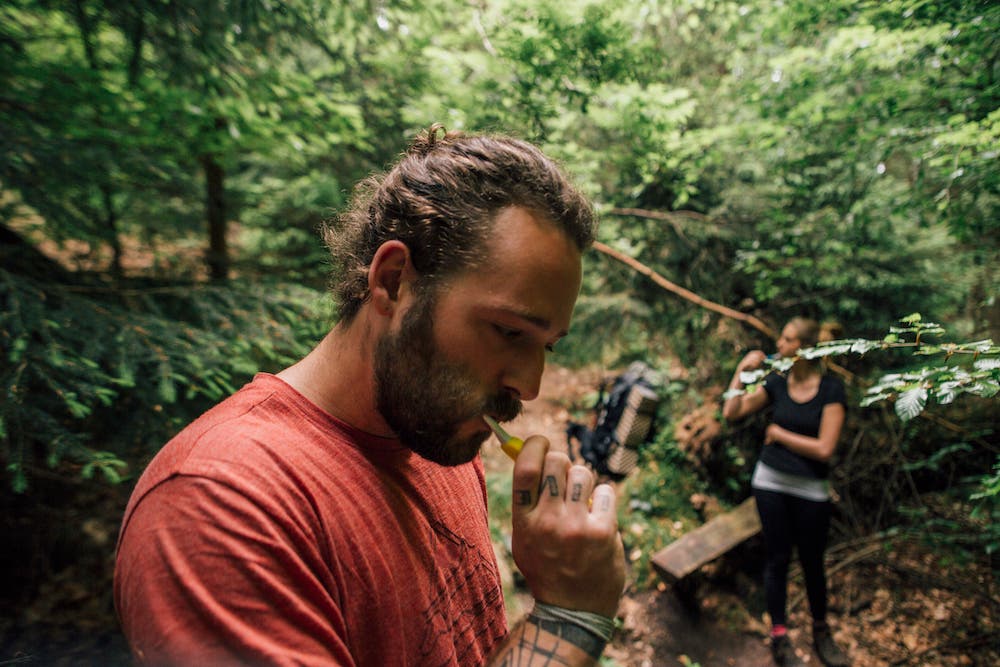
- Oral Hygiene: Cavities do not take a vacation just because you are in the backcountry. Neglecting dental health on a long trek invites painful infections far from a dentist’s chair, and fresh breath remains a prerequisite for harmonious group dynamics.
- Layering Up: Change out of your damp sleeping clothes and pull on merino wool or other natural-fiber hiking apparel. These fabrics manage moisture effectively without letting odor-causing bacteria run rampant.
- The Deodorant Dilemma: While packing a stick of deodorant may seem like a good idea, seasoned thru-hikers generally leave it behind. After multiple days on the trail, standard deodorant is rendered ineffective against layers of accumulated sweat and bacteria. More importantly, heavily scented products run counter to Leave No Trace principles in bear country.
- Pro Tip: Dusting a small amount of baby powder into your socks and shoes reduces friction to stave off blisters while leaving behind a fresher scent.
Midday Precautions: Managing Sweat on the Move
Once hiking is underway, the primary objective is sweat management. Natural water sources and strategic rest stops are your best tactical allies.
- Hydration and Cooling: Whenever you cross a reliable, clean water source, splash your face to wash away accumulated salt and grime. Wetting a performance cooling towel and draping it around your neck regulates core body temperature during heat waves.
- Air Out the Extremities: During extended lunch or snack breaks, peel off your boots, remove the insoles, and take off your damp socks. Giving your feet and footwear a chance to dry prevents fungal infections like athlete’s foot.
- Pro Tip: Carry a spare pair of moisture-wicking trail socks in an accessible exterior pocket, allowing you to swap into fresh footwear halfway through the day.
Nighttime Wind Down: Camp Cleanliness
Arriving at camp at the end of a high-mileage day is when a backpacker is at their dirtiest—and when a modest cleanup feels most rewarding.
- Rinsing Off: A quick dip of the feet or legs in a rushing creek can feel sublime. Always perform any washing at least 200 feet downstream or away from water sources where other hikers collect drinking water.
- The Camp Laundry: Evening is the ideal time to wash garments. Using ultraconcentrated, biodegradable soaps like Dr. Bronner’s Pure-Castile Soap—applied well away from natural water sources—allows you to scrub away salt and grime.
- The "Wipe Bath": A pack towel, wet bandana, or dedicated biodegradable wipe can serve as a makeshift sponge bath for your torso and legs. All used wipes must be packed out.
- Dedicated Sleep Gear: Maintaining a distinct set of clothes exclusively for sleeping prevents the transfer of trail sweat and grime into your sleeping bag, drastically extending the cleanliness and thermal efficiency of your sleep system.
- Pro Tip: Rotate base layers such as underwear and sports bras daily. Hang the resting set on the outside of your pack to dry and air out while you hike.
Supporting Data: Essential Gear for the Trail Hygiene Arsenal
Equipping yourself with specialized backcountry hygiene tools transforms an impossible chore into a manageable routine. Industry innovations have made staying clean lighter and more efficient than ever:
| Hygiene Item | Primary Function | Environmental / Safety Benefit |
|---|---|---|
| Backcountry Bidet | Thorough posterior cleansing | Eliminates toilet paper waste entirely; highly hygienic. |
| Kula Cloth | Reusable antimicrobial pee cloth for squatting | Replaces disposable wipes; snaps onto packs to UV-sanitize in the sun. |
| Silver-Infused Apparel | Socks and underwear woven with silver threads | Silver ions naturally inhibit bacterial proliferation and chronic odor. |
| Biodegradable Soap | Multi-purpose washing for body, hair, and gear | Safe for greywater disposal when used 200+ feet from natural sources. |
| Hand Sanitizer | Rapid microbial reduction before meals and after latrine use | Vital defense against contagious pathogens like norovirus. |
Official Responses and Public Health Advisory
Public health agencies and trail management organizations have increasingly emphasized backcountry hygiene due to recurring health risks on popular routes.
According to public health updates monitored across major long-distance corridors, such as the Appalachian Trail, outbreaks of gastrointestinal illnesses like norovirus present a persistent threat to thru-hikers. Because hikers frequently share water sources, privies, shelters, and hostel facilities, localized outbreaks can spread with alarming speed.
Trail associations and wilderness medical societies officially advise the following protocols to curb contamination:
- Rigorous Hand Sanitization: Hikers must wash or sanitize their hands thoroughly before touching communal food, water filters, or sharing gear, and immediately after utilizing backcountry privies.
- Water Treatment Discipline: Never assume a pristine mountain stream is safe to drink untreated. Giardia, cryptosporidium, and viral pathogens thrive in high-traffic watersheds. Always filter or chemically treat water, regardless of how clear it appears.
- Proper Waste Disposal: Cat holes must be dug a minimum of 6 to 8 inches deep and at least 200 feet away from lakes, streams, and trails to prevent runoff contamination of water tables.
Implications: The Town Stop and Cultural Integration
Inevitably, the trail intersects with civilization during "town days," offering a crucial inflection point for deep cleaning and social reintegration.
The Town Day Protocol
Reaching a town stop is a psychological and physical reset. Hostels, motels, and local recreation centers often provide drop-in shower and laundry facilities designed specifically for dusty travelers.
- Gear Laundering: When washing clothes in communal laundromats where your standard hiking gear is entirely inside the washing machine, wearing a rain suit (rain jacket and rain pants) provides a functional, modest way to move about while your clothes cycle.
- Deep Cleaning Gear: A true thru-hike requires at least one or two "zero days" dedicated to a deep-dive wash of complex gear like backpacks and sleeping bags. Stripping accumulated body oils from down insulation restores its loft and thermal performance, while washing a pack extends the lifespan of load-bearing seams and fabrics.
- Social Courtesy: Hitchhiking remains a time-honored tradition for accessing resupply towns. If you are acutely aware of your trail odor, offering a polite advance apology—and rolling down the vehicle windows—demonstrates essential trail courtesy to local drivers.
Final Thoughts: Striking the Right Balance
While maintaining disciplined trail hygiene is an act of respect for your tramily, your gear, and your own physical health, it is entirely possible to care too much.
The backcountry is not designed to mirror the sterile environment of a modern home. Every backpacker will eventually get dirty, and every long-distance trek produces an unmistakable aroma. That patina of dust, sweat, and woodsmoke is not a failure of hygiene—it is the tangible signature of the wilderness experience. Embrace the primitive, authentic nature of the journey, keep your gear functional, and remember that out on the trail, a little bit of dirt is simply part of the uniform.
