

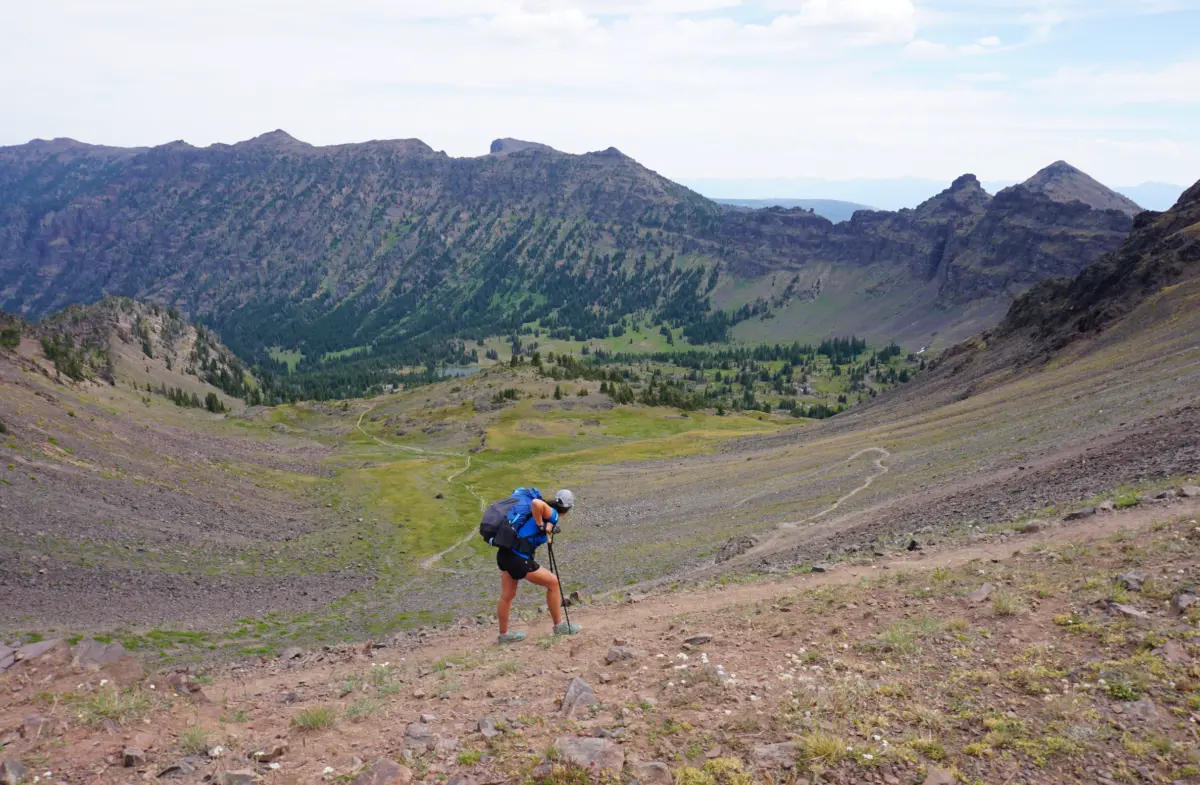
BOULDER, Colorado — For decades, the philosophy of backpacking has been defined by a singular, relentless pursuit: shedding weight. From the heavy canvas rucksacks and external metal-frame monstrosities of the mid-20th century to the space-age materials and minimalist ethos of the modern era, the goal has always been to make the journey from point A to point B feel as effortless as possible.
Reducing pack weight is undeniably smart. A lighter load means less strain on the knees, lower energy expenditure, and greater daily mileage. But like any optimization metric pursued to its absolute extreme, ultralight backpacking has birthed a subculture where the pursuit of the lowest possible base weight frequently eclipses common sense, comfort, and physical safety.
According to seasoned thru-hikers and industry experts, the line between an efficient, enjoyable setup and outright self-inflicted misery has become dangerously blurred. While cutting down a 35-pound pack to a manageable 20 pounds is a life-changing milestone for most backpackers, pushing that base weight down to a Spartan 10 pounds often introduces a harsh law of diminishing returns—one where every ounce saved on the trail is paid back tenfold with interest in camp.
The Evolution of the Lightweight Movement: A Chronology
To understand how modern backpackers reached a point where they are sleeping on fractions of foam pads and navigating boulder fields with splintering tent poles, it helps to examine how the gear landscape has shifted over the last thirty years.
- The Heavy Metal Era (Pre-2000s): For generations, standard backpacking gear was heavy by default. Campers routinely hoisted packs weighing between 45 and 60 pounds. External frames, heavy canvas or thick nylon tents, cast-iron camp gear, and bulky sleeping bags meant that simply surviving in the backcountry required a grueling physical toll.
- The Ultralight Revolution (Early 2000s–2010s): Pioneered by legendary hikers and authors like Ray Jardine, the ultralight movement challenged the status quo. Hikers began adopting the "Base Weight" concept—the weight of everything in the pack minus consumable food, water, and fuel—and driving it under 10 pounds. This era popularized the use of homemade gear, frameless packs, and simple tarps.
- The Commercialization of Ultralight (2015–2020): Cottage industries exploded. High-end materials like Cuben Fiber (now known as Dyneema Composite Fabric or DCF), ultra-fine carbon fiber, and technical high-tenacity nylon moved from garage operations to mainstream markets. Suddenly, anyone with a credit card could buy an ultralight setup, blurring the line between hardcore backpackers and casual weekend warriors.
- The Backlash and Realism Era (2020–Present): As more casual and intermediate backpackers adopted extreme ultralight gear without the specialized skills required to manage it, a cultural course-correction began. Veterans started speaking out about the hidden costs of extreme minimalism. Today, the discourse centers on finding a sustainable "middle ground"—a hybrid philosophy often dubbed "lightweight" rather than "ultralight," which prioritizes on-trail efficiency without sacrificing basic camp comfort and safety.
Supporting Data: The Anatomy of a Pack Weight Breakdown
To visualize where weight can—and cannot—be safely shaved, consider the standard "Big Three" categories of backpacking gear (Shelter, Sleep System, and Pack). Industry data and gear logs from long-distance trails like the Appalachian Trail (AT) and Pacific Crest Trail (PCT) illustrate the typical weight distribution shifts:
| Gear Category | Traditional Weight | Lightweight Setup | Extreme Ultralight Setup | Recommended Balance |
|---|---|---|---|---|
| Shelter | 4–7 lbs (Double-wall tent) | 1.5–2.5 lbs (Trekking-pole tent) | 8–14 oz (Floorless flat tarp) | 1.5–2.5 lbs (With bug net/bathtub floor) |
| Sleep System | 4–6 lbs (Bag + pad) | 2–3 lbs (Quilt + inflatable pad) | 10–16 oz (Minimal foam pad + quilt) | 2–3 lbs (Balanced insulation & comfort) |
| Pack | 4–6 lbs (Internal frame) | 1.5–2.5 lbs (Light framed pack) | 10–20 oz (Frameless vest pack) | 2–3 lbs (Minimal frame + load lifters) |
| Total Base Weight | 12–19+ lbs | 5–8 lbs | Under 5 lbs | 8–12 lbs |
While dropping into the "Under 5 lbs" category is a point of immense pride for speed demons and Fastest Known Time (FKT) record holders, data from trail medical logs indicates that hikers running extreme setups suffer higher rates of sleep deprivation, hypothermia scares due to compromised shelters, and overuse injuries stemming from poor load distribution.
Official Perspectives: The Voices of Experience
Experienced thru-hikers who have run the gamut from heavy-duty traditionalists to radical ultralighters offer a sobering perspective on gear selection.
Maggie Slepian, an accomplished long-distance backpacker and outdoor journalist who famously slashed her pack weight in half over successive thru-hikes, notes that the pursuit of the absolute minimum weight can easily turn toxic to the wilderness experience.
"My pack weighed around 35 pounds when I started my first thru-hike. By the time I finished that hike, I had cut that weight in half," Slepian recalls. "This could have been good enough, but like many other hikers, I wasn’t immune to the allure of seeing how far I could take ounce-counting. But I was never meant to be a true ultralighter: By the time I slashed my gear down to 10 pounds, I was absolutely miserable at camp every night."
According to Slepian and other industry voices, gear choices must be filtered through a lens of pragmatic realism. While elite athletes chasing FKTs can afford to sacrifice sleep quality and safety margins for raw speed, the average backpacker requires a balanced equation.
Five Semi-Ridiculous Ultralight Choices to Avoid
Drawing from years of field testing and trail observations, experts point to five specific gear choices driven by extreme ultralight philosophy that yield negligible weight savings at an exorbitant cost to comfort and safety.
1. Cutting a Closed-Cell Foam Pad in Half (or Thirds)
The debate between closed-cell foam (CCF) pads and modern inflatables is ancient. Yet, while sleeping on a foam pad is a valid choice for some, carrying a truncated piece of foam—sometimes no longer than a torso length, or chopped into disjointed segments—defies logic.
The popular Therm-a-Rest Z-Lite Sol folds into 14 sections and weighs a meager 14 ounces. Shaving off a few ounces by cutting the pad down leaves feet, legs, or hips directly exposed to the cold, hard ground. The warmth and physical recovery lost by sleeping on the bare dirt vastly outweigh the 5 to 7 ounces saved in the pack.
2. Flimsy, Ultralight Tent Stakes
It is a rite of passage for many backpackers to purchase wire-thin, titanium needle stakes in an effort to shave fractions of an ounce. In reality, these stakes are notoriously fragile.
Whacking a wire stake into rocky alpine soil often results in a 30-degree bend. Hammering it straight again only weakens the metal until it finally snaps mid-pitch in a high-wind storm. Opting for slightly more robust, rock-penetrating options—such as the classic 7.5-inch MSR Groundhog, which weighs a mere 14 grams per stake—provides absolute peace of mind without breaking the scale.
3. Flaccid, Frameless Packs
While modern, vest-style frameless packs have found a legitimate home among hyper-dedicated ultralighters with sub-8-pound base weights, they are fundamentally unsuited for general backpacking.
Internal-frame systems have evolved to become astonishingly light, with many structural frames weighing a mere 3 to 4.5 ounces. Trading away that structural support for a floppy, frameless sack invites disaster the moment trail conditions demand a heavy resupply or a massive dry-camp water carry. Shoving six liters of water into a frameless 30-liter pack with no hip belt will wrench shoulders clear off the torso and ruin a trek.
4. Floorless Tarps in Bug and Rain Country
Shelter is the single heaviest item most backpackers carry, making it the prime target for weight-reduction surgery. While transitioning from a bulky 4-pound double-wall tent to an 18-ounce trekking-pole shelter is a smart move, diving further into minimalist floorless flat tarps introduces severe compromises.
Unless operating in arid, bug-free environments where cowboy camping is viable, abandoning a full-length mesh inner net and a waterproof bathtub floor leaves the hiker entirely vulnerable to crawling insects, biting vectors, and splashing groundwater during torrential downpours.
5. Carbon Fiber Trekking Poles
Carbon fiber poles are feather-light and offer exceptional high-frequency vibration damping on smooth terrain. However, they possess a fatal structural flaw: a complete lack of lateral strength.
Unlike aluminum, which bends under sideways stress and can often be straightened, carbon fiber shatters catastrophically when loaded laterally. For hikers tackling rough, off-trail terrain, boulder hopping, or steep scree fields, a clumsy step can easily turn a high-end carbon pole into two useless shards. Keeping a reliable, slightly heavier aluminum set on hand for rugged routes is a far safer strategy.
Implications for the Modern Backpacker
The overarching takeaway for the contemporary outdoor community is simple: Gear is a tool, not a religion.
As manufacturing technologies continue to advance, the baseline weight of all outdoor gear will inevitably drop. Consumers will have more options than ever to build light, efficient kits without resorting to fringe compromises. However, the cultural pressure within online forums and social media to achieve a "sub-10 base weight" at all costs creates a dangerous psychological trap for novices.
Backpackers should evaluate their kits based on personal comfort thresholds, environmental realities, and physical safety rather than arbitrary internet metrics. After all, the ultimate metric of a successful backpacking trip isn’t how little your pack weighed when you started—it’s how glad you are to be out there when you finally reach camp.
