

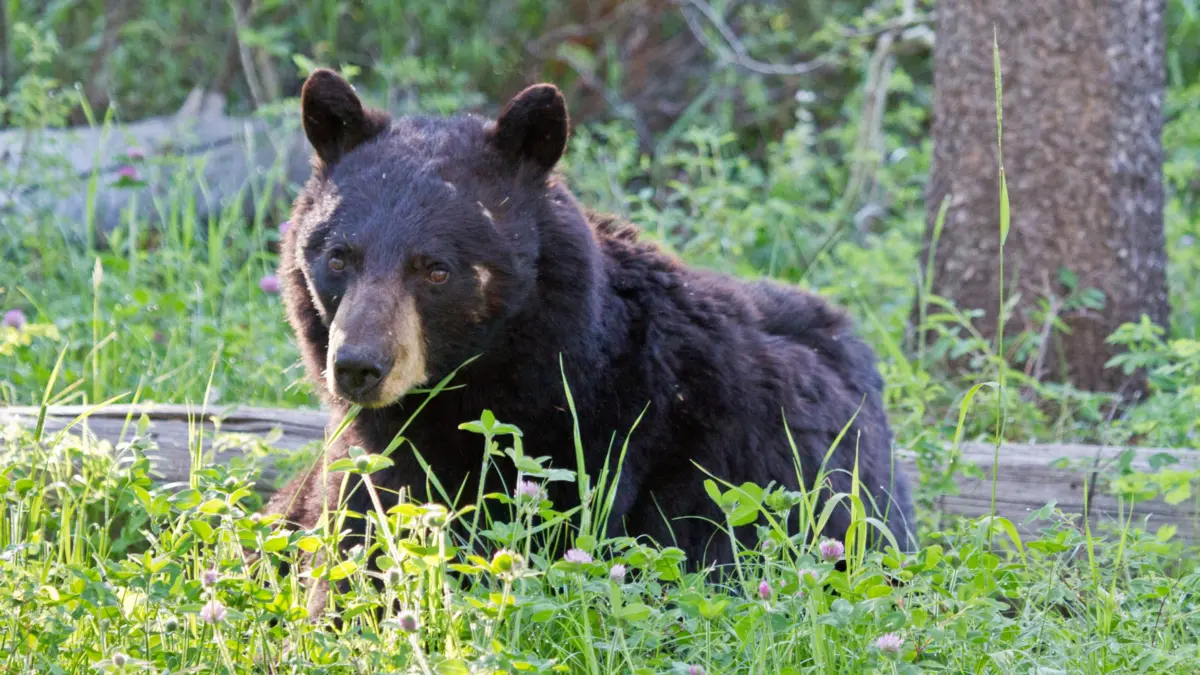
JACKSON, Wyoming — On a brisk afternoon in mid-August, a routine hike along a popular mountain corridor in Wyoming turned into a harrowing battle for survival. A local woman, out enjoying the trails with her dogs, suffered a sudden and violent encounter with a bear. While her quick thinking and preparedness ultimately prevented a tragedy, the incident has reignited a fierce debate among wildlife biologists, conservationists, and pet owners about a hidden risk of the great outdoors: bringing dogs into bear country.
The attack, which occurred on August 10, 2026, serves as a stark reminder of the unpredictable nature of North America’s apex predators. More importantly, it highlights a growing body of scientific research suggesting that the very companions we bring to keep us safe on the trail may actually be doubling our chances of a dangerous wildlife confrontation.
Main Facts
The confrontation took place on the History Trail, a densely vegetated and heavily trafficked route located on Teton Pass, just outside of Jackson, Wyoming. According to reports released by the Wyoming Game & Fish Department, a female hiker was navigating the overgrown path when she was startled by a bear—presumed by wildlife officials to be a black bear (Ursus americanus), likely a sow accompanied by at least one cub.
What could have easily spiraled into a fatal mauling was cut short by the hiker’s proactive measures. Carrying a canister of bear spray, she successfully deployed the deterrent directly at the charging animal, neutralizing the threat. Following the attack, she managed to hike back under her own power to the nearest trailhead. She was subsequently transported to a local hospital, where medical personnel treated her for non-life-threatening injuries.
In response to the incident, the Wyoming Game & Fish Department swiftly closed the History Trail to the public. Wildlife officers searched the surrounding area to locate the bear, but their efforts yielded no sightings. Because the encounter was categorized as a "surprise defensive encounter" rather than a predatory hunt, and because the animal could not be located, state officials announced they would take no further management or removal actions against the bear. To this day, authorities have not confirmed whether the hiker’s dogs were restrained on leashes or running freely at the time of the incident.
Chronology of Events
To understand how a peaceful afternoon walk morphed into a life-or-death struggle, wildlife authorities and researchers reconstruct the timeline of events on Teton Pass:
- Pre-Encounter: The hiker, accompanied by her dogs, sets out on the History Trail. The path is characterized by dense vegetation, which naturally limits visibility for both humans and wildlife. It remains unverified whether the dogs were secured on leashes, a critical variable in how the subsequent moments unfolded.
- The Surprise: Around a bend or through a thicket, the party stumbles into a mother bear and her cub(s). In wildlife biology, this is classified as a "surprise encounter," where neither party is aware of the other until they are in close proximity—the most dangerous scenario for a human-bear interaction.
- The Escalation: The bear, reacting defensively to protect her cubs and feeling cornered by the presence of humans and dogs, launches an attack.
- The Intervention: Relying on her preparedness, the hiker manages to draw her bear spray during the chaos and discharges it accurately, halting the animal’s advance.
- The Escape and Recovery: Recognizing the danger has temporarily cleared, the injured hiker gathers herself and her dogs, retreating down the trail to the trailhead. Emergency services are contacted, and she receives prompt medical treatment for her injuries at a regional hospital.
- The Aftermath: Wildlife officials close the trail, sweep the area, and issue public safety warnings while urging hikers to remain vigilant as autumn approaches.
Supporting Data: The Science of Dogs and Bear Conflicts
While the Wyoming hiker walked away with her life—largely thanks to bear spray—her encounter underscores a startling statistical reality. Far from acting as protectors or deterrents, pet dogs in bear country frequently act as catalysts for conflict.
Dr. Tom Smith, a prominent wildlife biologist with Brigham Young University who has studied bears since the early 1990s, led a landmark 2026 study published in The Journal of Wildlife Management. The research analyzed 326 documented human-bear conflicts involving domestic dogs and North American bear species, including black bears, grizzly bears (Ursus arctos), and polar bears (Ursus maritimus).
The findings are sobering for pet owners:
- Doubled Risk: The odds of a human experiencing a bear conflict more than double when a pet dog is present compared to hiking without one.
- The Off-Leash Hazard: The danger spikes exponentially when dogs are allowed to run off-leash. In encounters involving off-leash pets, human owners suffered an alarming 70% injury rate.
- Who Started It?: The study revealed that dogs actually initiated 54% of the analyzed conflict incidents, ultimately resulting in injuries to 170 people.
- The Toll on Pets: Dogs paid a devastating price for their instincts. They suffered more than 10 times as many fatalities as their human owners. Out of 176 dog-initiated incidents, 56 dogs lost their lives, compared to just 5 human fatalities.
- Failure as Watchdogs: Popular belief holds that dogs serve as an early-warning system against predators. However, the study found that dogs only warned their owners of a bear’s presence in 9.2% of the cases. Furthermore, they rarely attempted to defend or assist their owners once an attack began.
"The numbers back up the common sense," Dr. Smith explained. "Think about what a dog does. In wild places, their instinct is to chase birds, deer, squirrels, elk—it’s just what they do." When a dog chases wildlife, it frequently startles a bear, triggers its chase-or-defend response, and then—terrified by the massive predator it has just provoked—runs directly back to its owner, bringing an enraged bear right along with it.
Official Responses and Expert Perspectives
Wildlife managers and predator experts across North America have long grappled with the complex dynamics of recreational land use. Following the Teton Pass incident, regional authorities weighed in on the importance of preparation and situational awareness.
"Our thoughts are with the individual who was injured, and we wish her a full and speedy recovery," said Brad Hovinga, Jackson Regional Wildlife Supervisor for the Wyoming Game & Fish Department. "We are grateful she was well-prepared and carried bear spray, which can make all the difference in these unpredictable situations."
Wes Larson, a grizzly and black bear biologist and co-host of the Tooth & Claw podcast, has spent 15 years studying human-wildlife interactions across the globe. He notes that while bears are remarkably predictable in their general behaviors, the introduction of a domestic dog introduces an entirely erratic variable into the equation.
"If you watch enough videos of these incidents, you’ll start to notice the bears reacting very differently than you would expect when there’s a dog present," Larson observed. "They show an increased level of defensiveness—a kind of willingness to engage that they often don’t exhibit with a human alone." Larson compares this aggressive posture to how bears react when defending a fresh kill or a high-calorie food cache from rival predators like wolves.
Despite these risks, experts do not necessarily tell people to leave their dogs at home. Instead, they advocate for strict risk management. Larson, a resident of Missoula, Montana, regularly hikes with his own dogs in known bear territory, but adheres to strict protocols: "People hiking in bear country should have a deterrent regardless," he advises. "Bear spray is highly effective. It’s not going to kill the bear, and it’s not going to kill your dog."
Implications: Emotion, Biology, and Best Practices
Beyond the physical mechanics of a bear attack lies a profound psychological challenge: emotional attachment.
Dr. Smith points out that standard bear safety protocols dictate a calm, methodical response—grouping together with companions, keeping deterrents ready, and slowly backing away from the area. However, that textbook advice shatters when a beloved pet is involved.
"When you’ve got a dog antagonizing the bear, and an owner who might see that dog as a family member, they are not going to walk away," Smith said. "In some of these cases, they would race in there, armed with nothing more than their fists." This protective instinct frequently transforms a localized animal squabble into a severe human-injury event.
Compounding these behavioral risks is the shifting landscape of seasonal biology. As summer fades into autumn, bears enter a physiological state known as hyperphagia. During this window, bears consume staggering amounts of calories—often up to 20,000 calories a day—to build up fat reserves necessary for winter hibernation. This frantic search for food makes them more active, more widespread, and occasionally more assertive, increasing the statistical likelihood of overlapping with humans and their pets.
"It’s not like people are going out there trying to get hurt," Dr. Smith reflected. "Pero bears also go to extremes to avoid people. They very much avoid situations they’re uncertain of. What we need to do is be aware of them, and make concessions."
Summary of Trail Safety Takeaways for Pet Owners:
- Always Leash Your Dog: Keeping pets restrained prevents them from bolting into brush, harassing wildlife, and inadvertently leading aggressive predators back to you. Data shows off-leash incidents outnumber leashed encounters six to one.
- Carry Bear Spray (and Know How to Use It): Accessible, EPA-approved bear deterrent should be strapped to your hip or chest—never buried deep inside a backpack.
- Respect Seasonal Realities: Exercise heightened vigilance during early morning and evening hours, as well as during the fall hyperphagia season when bears are actively foraging.
- Recognize Your Limits: Never attempt to physically engage a predator to save an unleashed pet; doing so frequently results in severe human trauma.
As the History Trail on Teton Pass remains temporarily quiet while the Wyoming wilderness heals, the survival of the hiker serves as both a testament to the life-saving power of bear spray and a sobering wake-up call for outdoor enthusiasts across the country.
