

By Outdoor Gear and First-Aid Desk
Published August 14, 2026
Main Facts
For endurance athletes, backpackers, and casual hikers alike, the dreaded foot blister is an all-too-familiar rite of passage. Whether it manifests as a minor, burning hot spot after a three-mile day hike or a silver-dollar-sized fluid-filled monstrosity after conquering a steep alpine peak, friction injuries can derail even the most meticulously planned outdoor excursions.
Recently, a viral social media trend captured the attention of the outdoor and athletic communities. The hack proposes a novel, albeit unorthodox, method for managing trail-side foot pain: applying dentist-grade numbing ointment—or over-the-counter alternatives like Orajel—directly to blisters to instantly deaden the discomfort. While the technique has reportedly gained traction among dancers, gymnasts, and select endurance athletes, it has simultaneously ignited a fierce debate within medical and backpacking circles.
Is rubbing a topical anesthetic over a raw, friction-damaged patch of skin a brilliant backcountry innovation, or is it a dangerous shortcut that invites severe infection and further tissue degradation? To find out, we consulted veteran adventure race medical director Dr. Jeremy Joslin to separate internet lore from sound wilderness medicine.
Chronology
To understand how modern hikers manage friction injuries—and how questionable hacks manage to go viral—it helps to look at the evolution of trail-side foot care.
- Pre-Trail Era: Historically, hikers relied on basic adhesive bandages, raw cotton socks, and crude moleskin applications to combat foot friction. Blisters were often treated as an inevitable consequence of breaking in stiff leather boots.
- The Technical Gear Revolution: Over the past few decades, advancements in synthetic textiles, moisture-wicking sock technology, and advanced medical adhesives—most notably Leukotape—transformed how backpackers prevent and manage hot spots before they escalate into true blisters.
- The Rise of Social Media Hacks: As outdoor recreation surged in popularity across digital platforms, niche survival and comfort hacks began circulating rapidly. Recently, a viral Instagram reel popularized the use of prescription-strength dental anesthetics to freeze blister pain. Subsequent internet sleuthing revealed that some backpackers and performers have long experimented with over-the-counter dental gels like Orajel for similar purposes.
- The Present Day: With the viral hack circulating widely among communities prone to high-impact foot stress, outdoor medical professionals are speaking out to correct potential misconceptions before peak hiking season yields a wave of avoidable foot injuries.
Supporting Data and Context
Blisters are fundamentally mechanical injuries caused by repetitive friction, heat, and moisture. When layers of skin shear apart, the body rushes fluid into the pocket to cushion the deeper tissue, creating a painful blister.
While the psychological relief of instantly muting pain via a topical anesthetic sounds appealing on paper, data from wilderness first-aid frameworks emphasizes that pain is a vital biological feedback loop.
- The Feedback Loop: Pain and localized sensitivity alert the brain to tissue overload, signaling the hiker to stop, adjust their gear, or treat the hot spot. Removing that sensation with a local anesthetic eliminates the body’s primary warning system.
- Commonality of Trail Blisters: Surveys among long-distance backpackers consistently show that foot issues—predominantly blisters—rank as the number-one reason hikers are forced off long trails prematurely.
- Established Relief Methods: Traditional preventative and treatment modalities—such as moisture-wicking synthetic and wool socks, toe socks to prevent interdigital rubbing, skin-fortifying glues, and breathable footwear—boast decades of empirical success in high-output environments.
Official Responses and Expert Analysis
To evaluate the safety and efficacy of the viral dental-gel hack, we turned to Dr. Jeremy Joslin, an emergency medicine physician and former director of the Wilderness and Expedition Medicine program at Upstate Medical University in Syracuse, New York.
Dr. Joslin brings a wealth of high-stakes perspective to the discussion. In addition to his academic background, he has served as the medical director for numerous grueling ultramarathons and global adventure races—spanning the scorching, abrasive deserts of the American Southwest to the humid, challenging terrain of the Amazon jungle.
According to Dr. Joslin, the temptation to numb a painful blister is entirely understandable, but the medical reality makes it a hazardous gamble.
"It may help with the pain, but at the risk of further injury," Dr. Joslin states unequivocally.
While he notes that over-the-counter anesthetics like benzocaine (the active ingredient in many dental gels) are generally safe from a systemic toxicity standpoint—barring individual allergic reactions—masking the pain creates a cascade of secondary risks. By numbing the affected nerve endings, a hiker loses the protective discomfort that forces them to alter their gait or address the underlying friction point.
"Of course, it’s possible it could cause further irritation and skin breakdown," Joslin warns. When a runner or backpacker continues pounding miles on an anesthetized, damaged heel, the underlying skin layers can shear further, transforming a superficial blister into an open, weeping wound vulnerable to bacteria.
Furthermore, Dr. Joslin notes that in his extensive experience directing medical tents for multi-day endurance races, he has never utilized topical numbing agents for friction injuries. Instead, successful race medics rely on methods that mechanically reduce friction, stabilize the skin layers, or fortify the epidermis using specialized medical glues.
Implications for Hikers and Backpackers
The debate over viral dental-gel hacks highlights a broader truth about modern outdoor culture: the democratization of information on social media has made it easier than ever to share creative survival tips, but it has also accelerated the spread of unverified, potentially counterproductive advice.
What You Should Do Instead
If you find yourself facing a blister on the trail, relying on proven wilderness first-aid protocols remains the gold standard.
- Prioritize Prevention: The best blister is the one you never get. Invest in well-fitting, breathable footwear that does not trap excessive heat or moisture. Pair your shoes with high-quality synthetic or wool socks. For hikers prone to friction between their toes, specialized toe socks can eliminate skin-on-skin rubbing entirely.
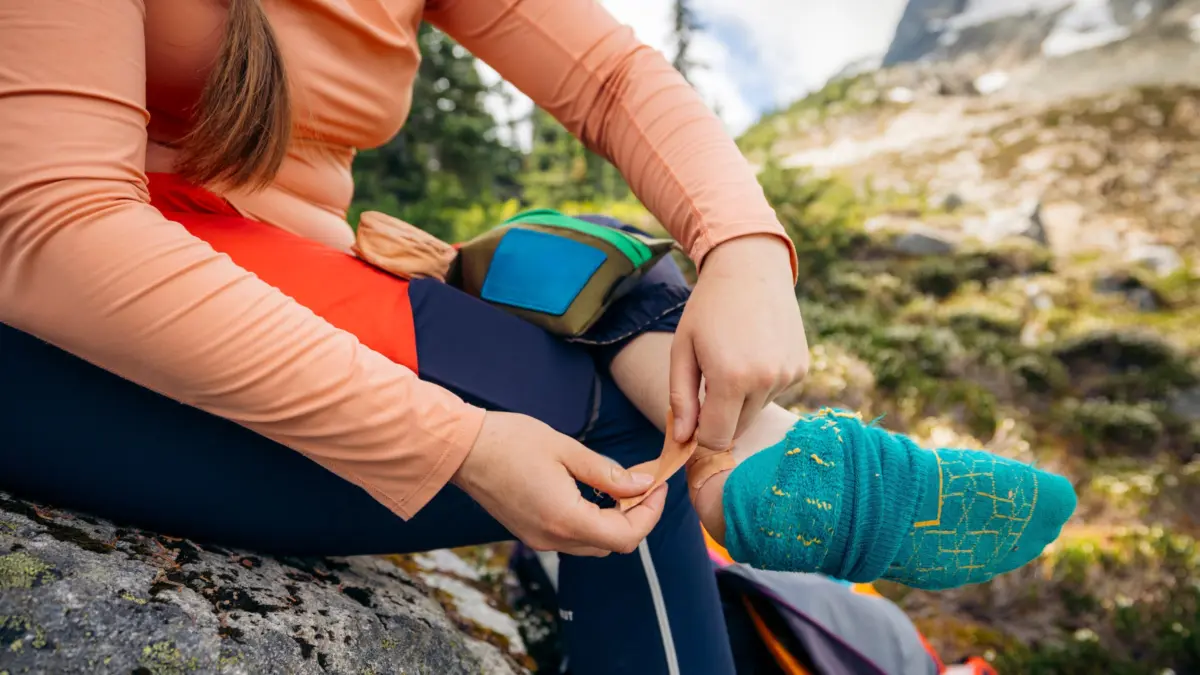
- Listen to Hot Spots Early: The moment you feel a slight rubbing sensation or warmth on your heel, ball of the foot, or toes, stop immediately. Apply friction-reducing tape—such as Leukotape or moleskin—before the skin shears and a fluid-filled pocket forms.
- Treat Blisters Correctly: If a blister does form, maintain cleanliness. Medical professionals generally recommend cleaning the area, carefully draining large blisters if necessary while leaving the overlying skin intact to serve as a natural sterile bandage, and covering the site with a protective, cushioned dressing to absorb shear forces.
The Bottom Line
While viral internet hacks can provide quick entertainment and spark clever out-of-the-box thinking, the trail is an unforgiving laboratory. As Dr. Joslin’s expert analysis underscores, trading short-term pain relief for long-term tissue protection is a losing gamble. When miles away from the nearest trailhead, listening to your body’s natural warning signals—and sticking to time-tested backcountry foot care—remains your safest path to the summit and back.
