

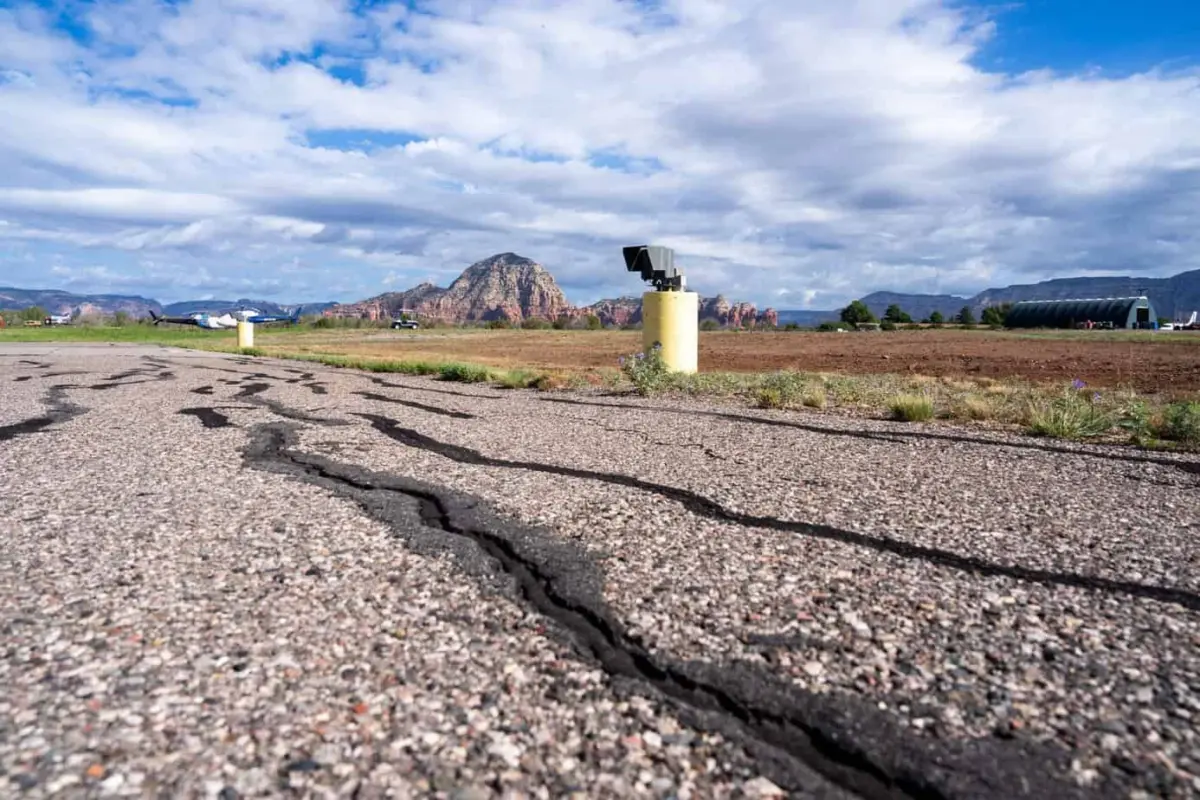
COTTONWOOD, Arizona — In a far-reaching legislative session, the Yavapai County Board of Supervisors has unanimously approved a series of major financial allocations, infrastructure contracts, and community grants designed to bolster local transportation, support vulnerable populations, and provide critical assistance to victims of crime.
During its meeting in Cottonwood, the Board greenlit a major repair project for the Sedona Airport’s helicopter facilities, authorized hundreds of thousands of dollars in community service agreements for regional non-profits, and accepted a state grant to fund victim advocacy and financial compensation.
1. Main Facts: The Core Decisions of the Board
The Yavapai County Board of Supervisors’ session resulted in three primary areas of investment and policy implementation:
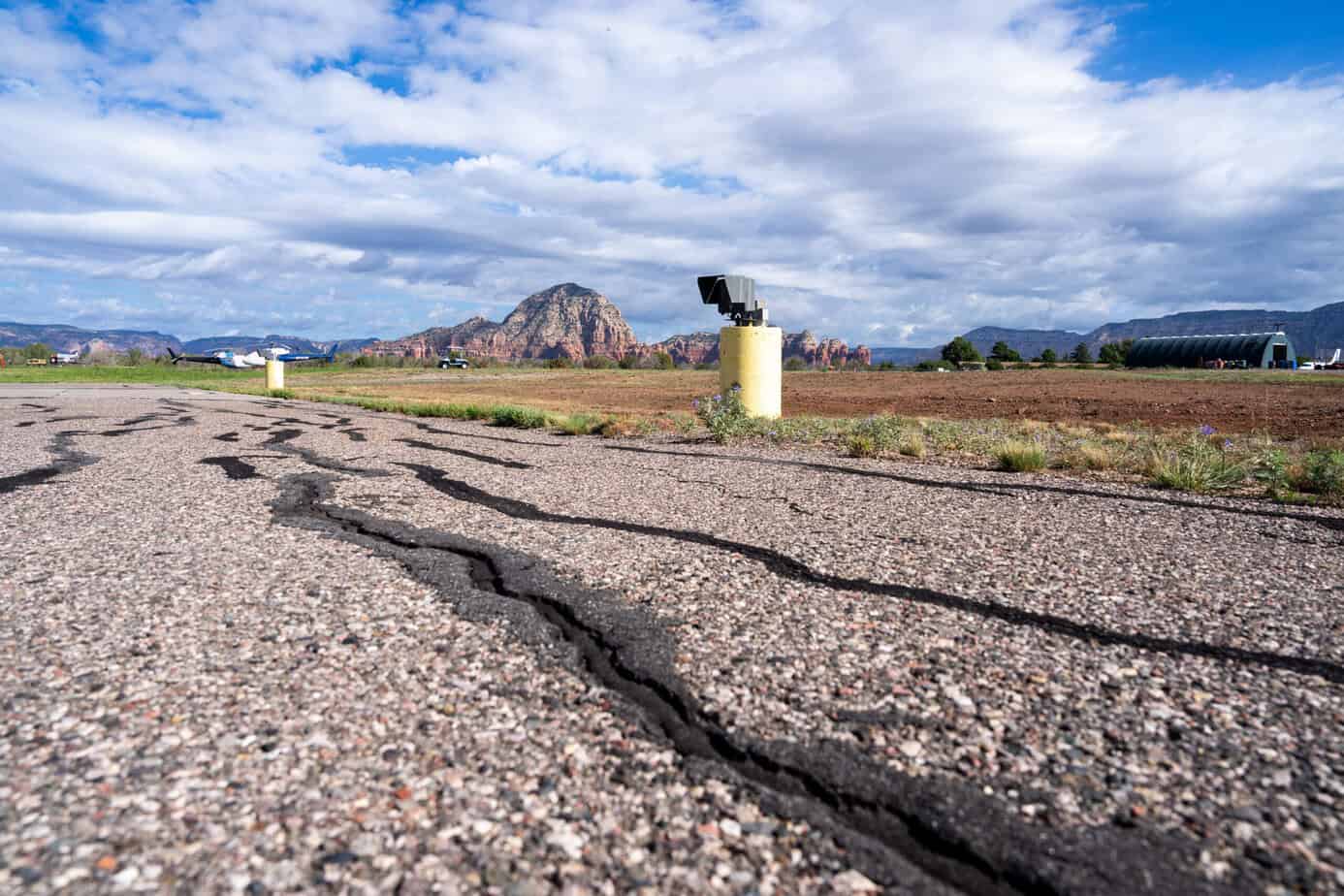
- Aviation Infrastructure Upgrades: The Board finalized contracts to repair the Sedona Airport’s "Helicopter Six-Pack"—a specialized apron and parking area for rotorcraft—awarding a $489,091 construction contract to J. Banicki Construction and a companion $99,623.58 engineering agreement to Dibble and Associates Consulting Engineers. Additionally, the Board approved a $71,746 state matching grant for a separate, large-scale $2.86 million infield drainage repair project at the airport.
- Community Service Agreements: A total of $280,390 was distributed among 11 community organizations across Yavapai County. Key recipients in Sedona and the Verde Valley include environmental preservation groups, regional economic development entities, and critical senior nutrition programs.
- Victim Advocacy and Support: The Board accepted a $285,032 Victim Compensation Grant from the Arizona Criminal Justice Commission (ACJC). This funding will sustain a county victim advocate position and provide direct financial restitution to individuals and families suffering from the immediate aftermath of violent crimes.
2. Chronology of Legislative Action and Project Timelines
The decisions finalized during the Board’s meeting represent the culmination of multi-month planning cycles, grant applications, and competitive bidding processes.
[August 19] ────────────────> [September 16] ───────────────> [Fall/Winter]
Board approves Helicopter     Board awards contracts to       Night-time construction
Six-Pack project concept      Banicki & Dibble; approves      begins to prevent local
                              grants & victim services        traffic disruptions
August 19: Initial Project Authorization
The structural issues facing the Sedona Airport’s Helicopter Six-Pack were officially recognized and the project concept approved during the Board of Supervisors’ meeting. This initial authorization allowed the county and airport management to solicit competitive bids and finalize funding structures with state and federal partners.
September 16: Final Approvals and Contract Awards
During the meeting in Cottonwood, the Board formally accepted the bid from J. Banicki Construction and approved the design and engineering oversight contract with Dibble and Associates. On the same day, the Board authorized the distribution of the $280,390 in community service grants and accepted the state-level victim compensation funds.
Project Execution and Construction Phase
With funding secured and contractors selected, work on the Sedona Airport’s Helicopter Six-Pack is scheduled to begin shortly. To prevent disruptions to the heavily touristed Airport Mesa area, construction will occur overnight. Simultaneously, the community grants will be disbursed to the 11 designated non-profit organizations, and the County Attorney’s Office will deploy the victim compensation funds for the current fiscal cycle.
3. Financial Breakdown and Supporting Data
The financial architecture of these approvals relies on a mix of federal, state, and local partnership funding, designed to minimize the direct burden on Yavapai County taxpayers.
SEDONA AIRPORT HELICOPTER SIX-PACK REPAIR ($489,091 Total Construction Cost)
┌───────────────────────────────────────────────────────────┐
│ ██████████████████████████████████████████████████  95.0% │ FAA IIJA Grant
│ █                                                    2.5% │ ADOT State Match
│ █                                                    2.5% │ Airport Sponsor Match
└───────────────────────────────────────────────────────────┘
Sedona Airport Infrastructure Financing
The Helicopter Six-Pack repair project, totaling $489,091 for construction and $99,623.58 for engineering, is funded through a tripartite agreement:
- Federal Share (95%): Funded via the Infrastructure Investment and Jobs Act (IIJA) Airport Improvement Program Grant, administered by the Federal Aviation Administration (FAA).
- State Share (2.5%): Funded by an Arizona Department of Transportation (ADOT) Aeronautics state grant match.
- Sponsor Share (2.5%): Reimbursed to Yavapai County by the Sedona Oak-Creek Airport Authority (SOCAA).
The separate Infield Drainage Project features a total estimated cost of $2,869,848. The Board approved a state match grant of $71,746 from ADOT Aeronautics to support this safety and erosion-control initiative.
Community Service Agreement Allocations
Out of the $280,390 total pool distributed to 11 organizations, the primary allocations for Sedona and the Verde Valley include:
| Recipient Organization | Funding Amount | Primary Purpose |
|---|---|---|
| Friends of the Verde River | $28,500 | River conservation and Verde Front ad hoc public lands coordination ($3,000 allocation) |
| Verde Valley Regional Economic Organization (VVREO) | $25,000 | Regional economic development, small business support, and job creation |
| Sedona Community Center | $15,000 | Meals on Wheels program for homebound seniors |
| The Station on 6th | $15,000 | Meals on Wheels senior nutrition distribution |
Victim Compensation Grant Distribution
The $285,032 grant awarded by the Arizona Criminal Justice Commission is strictly partitioned to ensure both professional advocacy and direct financial relief:
- Personnel & Advocacy (Approx. 25%): Funds the salary and benefits of a dedicated, full-time victim advocate within the Yavapai County Attorney’s Office.
- Direct Victim Restitution (Approx. 75%): Distributed directly to crime victims to cover emergency costs, including medical bills, mental health counseling, loss of wages, and funeral expenses.
4. Official Responses and Stakeholder Perspectives
Local leaders and administrators emphasized partnership, public safety, and minimal community disruption when discussing the approved measures.
Yavapai County Board of Supervisors
Vice Chairwoman and District 3 Supervisor Nikki Check highlighted the collaborative spirit behind the community service agreements:
"Our communities should know that Yavapai County is a good partner in solving problems and embracing opportunities. The organizations really represent that sentiment because they’re solving problems and embracing opportunities, and we’re there to partner with them."
Check also noted the strategic expansion of county support for rural nutritional networks: "Last year was our first year funding Meals on Wheels providers, and we’re continuing that trend to try to make a positive contribution for those who are served in unincorporated areas."
Sedona Airport Management
Sedona Airport General Manager Ed Rose reassured residents living near the airport that the upcoming pavement and concrete rehabilitation would not disrupt their daily commutes or quality of life:
"The Six-Pack repairs are not anticipated to cause traffic woes to residents around the Airport Mesa area because work will be done at night."
Yavapai County Attorney’s Office
Chief Deputy County Attorney Bill Hughes underscored the longevity and critical nature of the victim support funding:
"The County Attorney’s Office has received this grant in one form or another for about 10 years. It’s an important part of the funding for the services that the county provides to victims of crime. About a little less than a fourth of the grant goes for a victim services employee who’s a victim advocate. The rest of the grant, the vast majority of it, goes to provide for compensation to members of the public who have been victims of crime and are in desperate need of some quick compensation."
Hughes provided concrete examples of the fund’s impact, noting that "if someone is killed in a crime, the fund can help the next-of-kin pay for funeral expenses."
5. Implications and Long-Term Outlook
The decisions approved by the Board of Supervisors carry significant, long-term benefits for the economic, environmental, and social landscape of Yavapai County.
                           ┌──► Infrastructure: Safe, modern helicopter & drainage systems
                           │
YAVAPAI COUNTY APPROVALS ──┼──► Environmental: Preserved watersheds & managed public lands
                           │
                           └──► Social Safety Net: Meals on Wheels & immediate crime victim relief
Boosting Aviation Safety and Regional Tourism
The Sedona Airport (KSEZ), often referred to as the "USS Sedona" due to its striking location atop a high mesa, is a major economic engine for the region. It serves as a base for scenic aerial tours, private aviation, and emergency medical evacuation helicopters.
Rehabilitating the "Helicopter Six-Pack" ensures that heavy rotorcraft can park and operate safely without damaging the apron’s structural integrity. Simultaneously, the $2.86 million infield drainage project will mitigate erosion risks, preventing runway damage from monsoon rains and protecting the mesa’s steep slopes from runoff-induced instability.
Strengthening the Rural Social Safety Net
By directing funds to organizations like the Sedona Community Center and The Station on 6th, Yavapai County is addressing nutritional insecurity among homebound seniors living in unincorporated areas. These residents often fall outside municipal service boundaries and rely entirely on county-supported programs.
On the environmental front, the allocation to the Friends of the Verde River and the Verde Front public lands group ensures that the Verde River watershed—a crucial ecological and recreational asset—remains protected amid growing tourism and regional development.
Maintaining Compassionate and Responsive Justice
The renewal of the Victim Compensation Grant ensures that the Yavapai County Attorney’s Office can maintain its trauma-informed approach to criminal justice. By keeping a dedicated advocate on staff, the county ensures that victims have professional guidance while navigating complex legal proceedings.
Furthermore, the rapid availability of compensation funds prevents crime victims from falling into severe financial distress due to unexpected medical bills or emergency costs, reinforcing the county’s safety net during moments of acute personal crisis.
