CLARKDALE, Ariz. — Addressing a critical regional housing shortage that threatens both academic access and workforce recruitment, Yavapai College has officially opened a diverse new housing community at its Verde Valley Campus in Clarkdale. The initiative, which combines traditional dormitories, student-built tiny homes, and recreational vehicle (RV) hookups, represents an innovative, multi-pronged strategy to provide affordable living arrangements for students and staff alike.
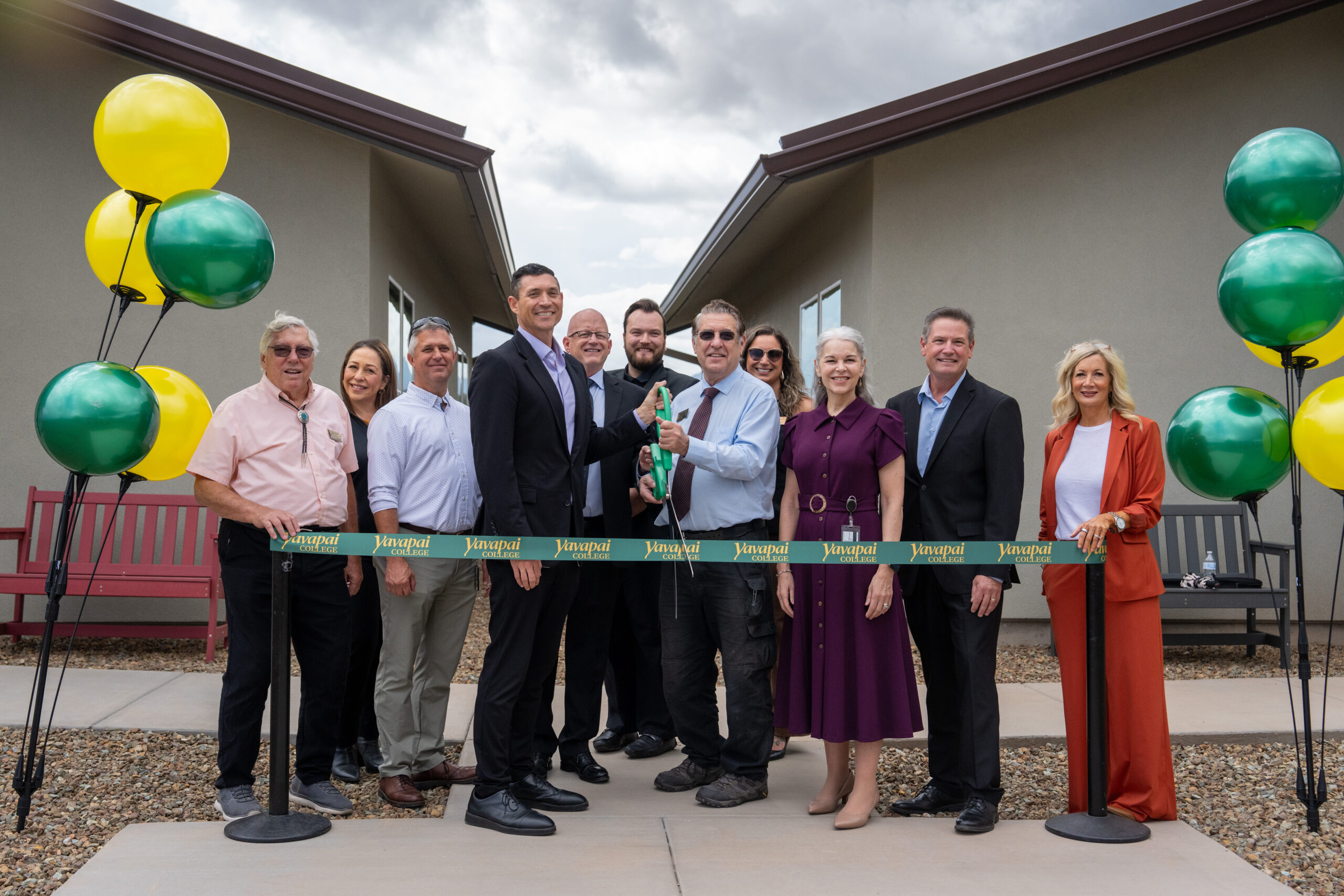
On Wednesday, Sept. 16, college administrators, governing board members, and local stakeholders gathered at the Clarkdale campus for a formal ribbon-cutting ceremony. The event marked the completion of a project designed to serve as a scalable model for rural community colleges grappling with skyrocketing local real estate prices.
Main Facts of the Initiative
The newly inaugurated housing development is located on the south side of the Verde Valley Campus and features three distinct residential formats designed to accommodate up to 24 students, alongside staff and faculty members:
Student Dormitories: Two newly constructed, modern dormitory buildings. Each building contains six dual-occupancy rooms, allowing for a total capacity of 24 student residents.
Tiny Homes: Five 300-square-foot tiny homes constructed directly on campus by Yavapai College’s own Career and Technical Education (CTE) students.
Recreational Vehicle (RV) Pads: Five fully equipped RV pads with utility hookups, offering a low-cost, flexible housing alternative.
The development is aimed at lowering the financial barriers to higher education and career development in Yavapai County. By providing housing directly on campus, the college hopes to assist students who might otherwise be priced out of the academic market, as well as recruit essential personnel who struggle to find affordable rentals in the Verde Valley region.
Chronology of the Housing Project
The opening of the Verde Valley housing community is the culmination of a multi-year effort by the Yavapai College District Governing Board and facilities planning divisions to address regional housing insecurity:
May 2023: The RV Pad Pilot Program
The college initially experimented with alternative housing solutions by installing ten RV pads at its Verde Valley campus. The success of this pilot program, alongside a similar installation at the college’s Pines campus, proved that non-traditional housing options were highly sought after by both students and seasonal staff.
February 2026: Expansion of the Tiny Home Concept
Building on the success of the RV initiative, Yavapai College officially integrated its academic construction programs into its housing strategy. The college announced that students enrolled in carpentry, plumbing, and electrical courses would collaborate to build 300-square-foot tiny homes. The strategic plan called for the first ten student-built homes to be deployed during the spring semester—five at the Verde Valley Campus in Clarkdale and five at the Chino Valley Center.
Spring & Summer 2026: Site Reconfiguration and Construction
To accommodate the incoming tiny homes at the Verde Valley Campus, facilities management reconfigured the existing residential zone. Five of the original ten RV pads were converted into permanent foundations with utility connections for the newly completed tiny homes, leaving five operational RV pads remaining. Concurrently, contractors broke ground on the two new $808,000 dormitory buildings.
September 16, 2026: Ribbon-Cutting Ceremony
Approximately 60 attendees, primarily college faculty, staff, and administrators, gathered at the Clarkdale campus to celebrate the official opening of the complex. Yavapai College Interim President Doug Berry, Ph.D., alongside District 1 Governing Board member William "Bill" Kiel and District 3 Governing Board member Toby Payne, cut the ceremonial ribbon to declare the housing community open for occupancy.
Future Milestones (2027 and Beyond)
Looking ahead, Yavapai College is exploring further expansions. While there are no current plans to introduce housing at the Sedona Center campus, the college is planning to launch integrated health programming classes—such as massage therapy and reflexology—at the Sedona site, slated for the fall of 2027 at the earliest. Additionally, the Clarkdale dormitory site has been pre-designed to support future physical expansion, pending Governing Board approval and integration into the college’s master facilities plan.
Supporting Data and Financial Breakdown
The project’s funding and execution reflect a highly calculated budget strategy aimed at maximizing return on investment through institutional synergy.
Project Component
Financial / Capacity Metric
Detail / Source
Total Board Allocation
$3,000,000 – $3,500,000
Total district-wide housing development fund
Dormitory Construction Contract
$808,000
Total cost for the two 6-room buildings
Tiny Home Build Cost
$30,000 per unit
Materials only (labor provided by CTE students)
Tiny Home Infrastructure Cost
$20,000 per unit
Site prep, utility connections, and fencing
Total Cost Per Tiny Home
$50,000 per unit
Substantially lower than market-rate modular homes
Dormitory Capacity
24 students
2 buildings, 6 rooms per building, 2 beds per room
Estimated housing deficit in Yavapai County by 2040
To keep rental rates affordable for students, the design of the dormitories intentionally prioritizes shared infrastructure. High-cost construction elements—such as full kitchens, multi-stall bathrooms, and commercial-grade laundry facilities—are centralized as shared communal spaces. This architectural layout significantly lowered the initial construction contract cost to $808,000 and directly translates to lower monthly rental rates for occupants. Students are given the choice of a double-occupancy layout to minimize costs, or they can opt to pay a premium for a private bedroom.
Official Responses and Administrative Perspectives
During the ribbon-cutting ceremony, college leaders emphasized that the project represents far more than just brick-and-mortar development; it is a direct intervention in a systemic socioeconomic crisis.
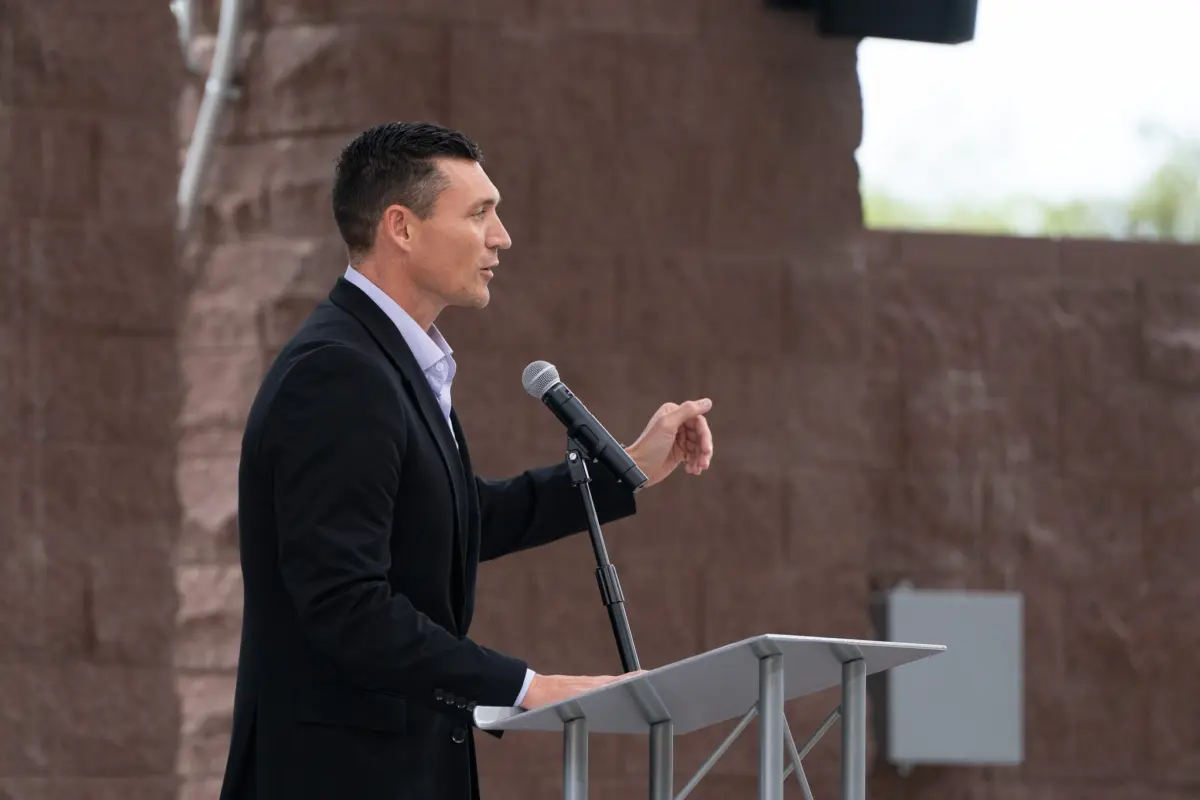
"Today we begin a new chapter, opening this housing community across Yavapai County. Housing has become a defining challenge facing our communities. The county’s most recent housing assessment estimates that roughly 21,500 additional homes will be needed by 2040. But housing is more than numbers. For students, having affordable housing, a place to live, can be the difference between determining whether or not college is even possible. For employees, it can determine whether they can accept a job and build a life here in our community."
— Doug Berry, Ph.D., Yavapai College Interim President
Administrators highlighted how the physical layout of the dormitory buildings directly supports the college’s fiscal sustainability and student equity goals:
"Students can choose to have a roommate, or for a little bit more money, they can choose to have a private bedroom. Because of the way we constructed those, by having all the more expensive things being shared—the kitchens, the bathrooms, the laundry rooms—we’re able to keep the cost of construction and the price of rent a bit lower."
— Clint Ewell, Ph.D., Vice President of Finance & Administrative Services
James Crockett, General Executive Director of Facilities Management, provided clarification on the financial efficiency of the student-built structures, noting that building the 300-square-foot tiny homes utilizing student labor under professional supervision kept the production cost to an incredibly low $30,000 per unit. An additional $20,000 per unit was spent on essential site facilities, including specialized fencing and utility tie-ins, bringing the total cost of each fully operational tiny home to $50,000.
Implications for Education and the Regional Economy
The unveiling of the Verde Valley housing complex carries significant implications for the educational landscape of Northern Arizona and the broader regional economy.
1. Mitigating the Rural Housing Crisis
Yavapai County’s projected deficit of 21,500 homes by 2040 has created a hyper-competitive, high-cost real estate market. Rural community colleges are uniquely vulnerable to these shifts, as students and lower-wage campus staff are easily priced out of the local rental market. By providing dedicated student and workforce housing, Yavapai College is insulating its campus community from the volatile local market, ensuring that teaching and learning can continue uninterrupted.
2. Supporting a Surging Student Population
The project arrives at a critical juncture for Yavapai College. While many community colleges nationwide are experiencing historic enrollment declines, Yavapai College has bucked the trend, posting a 3.5% enrollment increase across the district. The growth is particularly explosive at the Verde Valley Campus, which has seen enrollment surge by over 14.5%. This rapid growth has exacerbated the need for immediate housing solutions, making the completion of the dormitories and tiny homes a vital component of the campus’s expansion.
3. Vocational Education as a Self-Sustaining Loop
The tiny home initiative demonstrates a highly successful, circular model of vocational education. Students enrolled in the college’s carpentry, plumbing, and electrical programs receive hands-on, real-world training by constructing actual, code-compliant residential structures. This pedagogical approach not only prepares students for high-demand careers in the construction trades but also directly benefits the college by providing low-cost workforce and student housing. The model has proven so successful that the college has expanded it to other regional campuses, including the Chino Valley Center, which now features 16 RV pads and 5 tiny homes.
4. Strategic Re-evaluation of Regional Assets
The successful deployment of housing at Clarkdale highlights a shifting institutional focus. While the college has historically faced criticism from some local groups regarding its allocation of resources—such as the controversial closure of the Sedona Culinary School at the Sedona Center campus—the strategic focus on workforce housing and practical CTE programs represents a shift toward high-impact, high-utility campus infrastructure.
By prioritizing scalable housing at Clarkdale and planning for high-demand healthcare programs in Sedona by 2027, Yavapai College is aligning its physical facilities with the practical economic needs of the Verde Valley region.