

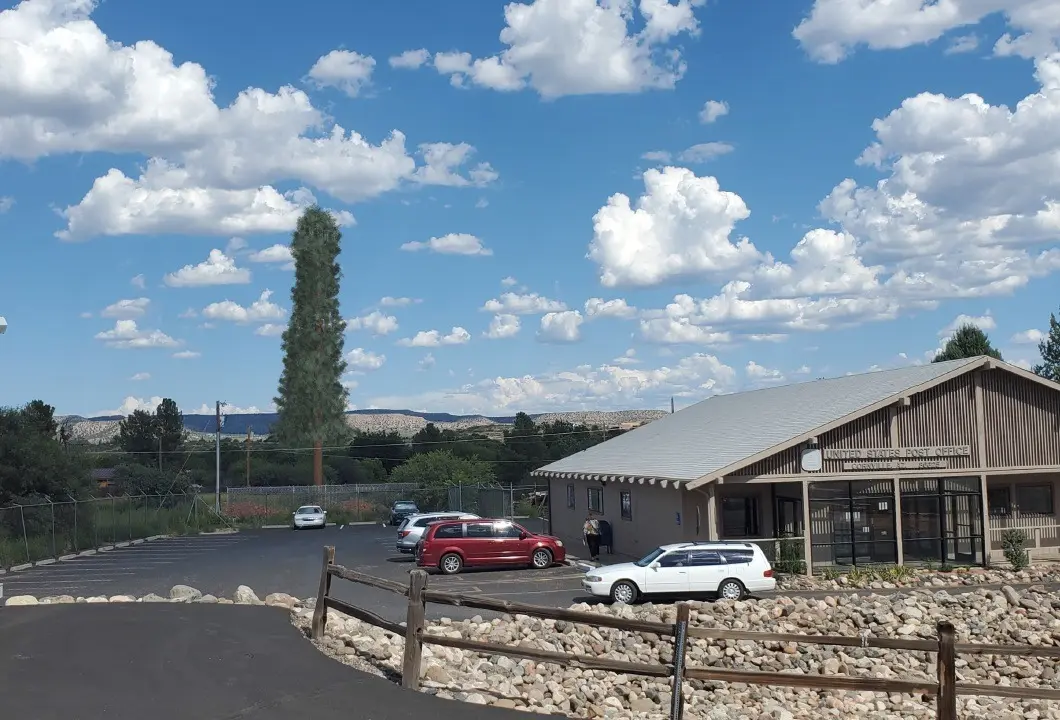
CORNVILLE, AZ — The Federal Communications Commission (FCC) has cleared the final federal regulatory hurdles for a controversial 100-foot stealth cell tower in the unincorporated community of Cornville, Arizona. In a decisive ruling, the federal agency rejected a series of coordinated environmental and cultural challenges mounted by local residents, conservationists, and tribal representatives.
The decision, issued by the FCC’s Wireless Telecommunications Bureau, dismisses petitions calling for an in-depth Environmental Assessment (EA) of the project. The ruling effectively greenlights the construction of the telecommunications facility at 9420 Cornville Road, concluding a multi-year administrative battle over the rural community’s skyline, ecological integrity, and historical heritage.
1. Main Facts of the Dispute
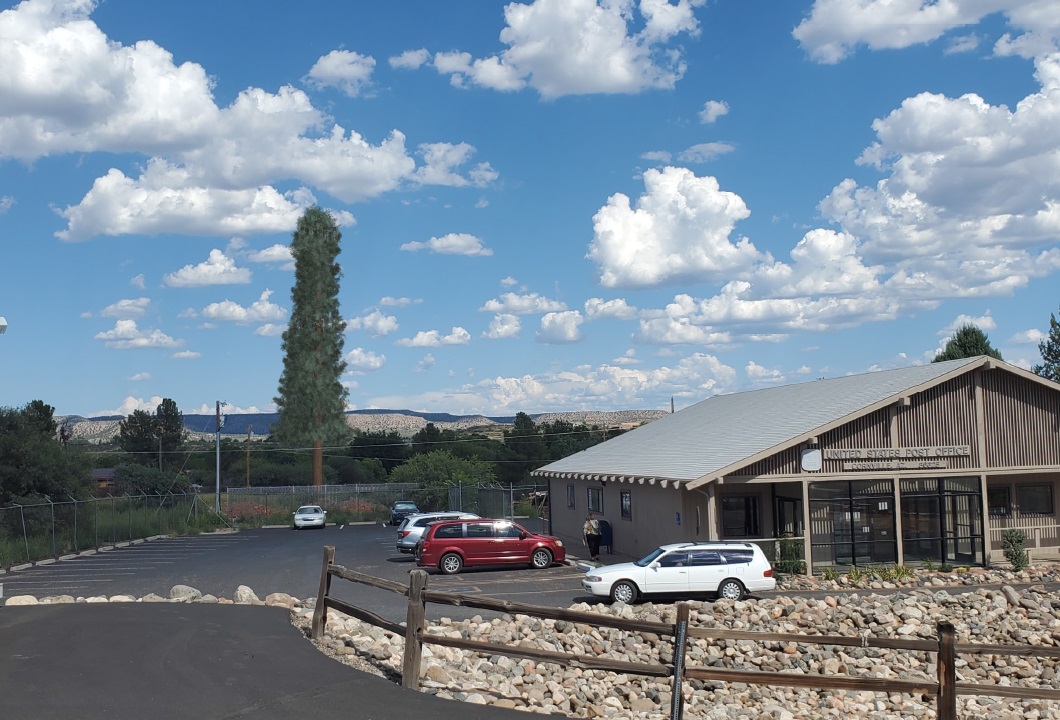
At the heart of the conflict is a proposed 100-foot "monoelm"—a stealth cell tower designed to mimic an elm tree—slated for construction on a commercially zoned parcel of land. The property, located at 9420 Cornville Road, is already home to a local gas station and a strip mall shopping plaza. The project was proposed by developer SQF LLC and filed by its contractor, Tilson Technology Management, in 2022.
The FCC’s Competition and Infrastructure Policy Division issued its final order on August 21, denying or dismissing challenges from several high-profile local figures and groups. The prominent challengers included:
- Gillian Goslinga, Ph.D., a local resident and academic who has led community opposition.
- Billy Harvey, the founder of the nearby Runnin’ W Wildlife Center, a prominent local animal rescue and rehabilitation facility.
- The Hopi Tribe, which historically claimed ancestral ties to the region and raised initial concerns regarding cultural preservation.
- The Stewards of Oak Creek, an ad hoc community coalition formed to oppose the commercialization of the rural corridor.
The opponents argued that the tower would cause irreparable harm to the local ecosystem, threaten migratory bird populations, disrupt historical and tribal cultural sites, emit harmful radiofrequency (RF) radiation, and degrade the aesthetic character of the Verde Valley.
However, the FCC systematically dismantled these arguments, ruling that the petitioners failed to present sufficient evidence to trigger a mandatory Environmental Assessment under the National Environmental Policy Act (NEPA).
2. Chronology of the Project (2022–2026)
The administrative and legal battle over the Cornville Road cell tower has unfolded over nearly four years, marked by local zoning disputes, regulatory infractions, and federal appeals:
2022: Initial Filing and Local Approvals
SQF LLC, represented by Tilson Technology Management, formally submits plans for the 100-foot monoelm tower. Because the site is zoned for commercial use, Yavapai County zoning officials review the design and grant local land-use approval, finding that the "stealth" tree design complies with local aesthetic guidelines.
2023–2024: Unauthorized Work and Stop-Work Orders
As preliminary site preparations begin, local residents observe grading and construction activity before final federal regulatory clearances are secured. Following formal complaints, regulators issue two separate stop-work orders to Tilson Technology Management. The company complies, halting all physical activity on the site while awaiting federal resolution.
2025–Early 2026: Tribal Consultation Efforts
The FCC initiates a formal consultation process with regional Native American tribes to evaluate potential impacts on cultural and archaeological resources. Between 2025 and 2026, federal regulators reach out to the Hopi Tribe three times to solicit formal comments on the project’s impact. The tribe, which had registered early interest, does not submit a formal response within the designated regulatory windows.
August 21, 2026: The FCC Issues Final Ruling
The FCC’s Wireless Telecommunications Bureau issues its official decision, denying all pending environmental and cultural challenges and declaring that a formal Environmental Assessment is not legally required.
September 21, 2026: Petition for Reconsideration Filed
Refusing to accept the federal decision as final, Gillian Goslinga and Billy Harvey, acting under the banner of the newly formed ad hoc group "Stewards of Oak Creek," file a formal Petition for Reconsideration with the FCC, attempting to pause construction and force a review of the decision.
3. Supporting Data and Site Context
The controversy surrounding the cell tower is deeply tied to the unique geography, ecology, and cultural history of the Verde Valley. Understanding the physical and historical context of the site explains why the project generated such fierce local resistance.
| Parameter | Project Specifications & Context |
|---|---|
| Location | 9420 Cornville Road, Cornville, Arizona (Yavapai County) |
| Tower Height & Type | 100-foot "monoelm" (stealth monopole disguised as an elm tree) |
| Developer / Applicant | SQF LLC (Filed by Tilson Technology Management) |
| Zoning Classification | Commercial (Existing gas station and retail strip mall) |
| Proximity to Critical Habitat | Located near the Oak Creek riparian corridor and native avian nesting zones |
| Historical/Cultural Context | Ancestral lands of the Sinagua culture (pre-1450 CE) |
Ecological and Wildlife Concerns
The Runnin’ W Wildlife Center, founded by petitioner Billy Harvey, operates in close proximity to the proposed site. The center rehabilitates injured wildlife, with a particular focus on birds of prey and migratory avian species.
Opponents argued that a 100-foot structure equipped with active wireless transmitters poses a collision hazard for migratory birds navigating the Oak Creek watershed. Furthermore, they raised concerns regarding the biological effects of continuous radiofrequency electromagnetic fields on nesting raptors and local insect populations.
Cultural Heritage of the Verde Valley
The Verde Valley is rich in archaeological significance. It was once home to the Sinagua people, a pre-Columbian cultural group that inhabited the region from approximately 500 CE until their sudden departure around 1450 CE. Contemporary Puebloan tribes, including the Hopi and the Zuni, claim direct ancestral and spiritual connections to the Sinagua and their sacred sites, petroglyphs, and burial grounds scattered throughout the valley.
4. Official Responses and FCC Findings
In its multi-page decision, the FCC addressed each category of local opposition, explaining why federal environmental laws did not support the residents’ claims.
                  ┌────────────────────────────────────────┐
                  │      FCC Administrative Decision       │
                  └───────────────────┬────────────────────┘
                                      │
         ┌────────────────────────────┼────────────────────────────┐
         ▼                            ▼                            ▼
┌─────────────────┐          ┌─────────────────┐          ┌─────────────────┐
│ Cultural Sites  │          │   Aesthetics    │          │  Out of Scope   │
│  Hopi Tribe     │          │  Local Zoning   │          │ Property Values │
│ Consultation    │          │    Approved     │          │    Fire Risk    │
│  Non-Response   │          │   Monoelm OK    │          │   Fall Zones    │
└─────────────────┘          └─────────────────┘          └─────────────────┘
Cultural and Tribal Heritage
The FCC rejected claims that the tower would desecrate ancestral Native American sites. Regulators documented that they reached out to the Hopi Tribe three times between 2025 and 2026 to gather evidence of potential cultural impacts. Because the tribe did not respond to these inquiries, and because no physical archaeological remains were identified on the heavily disturbed commercial lot, the FCC ruled that the project would have no adverse effect on historic properties.
Visual and Aesthetic Impact
Under federal guidelines, visual objections alone do not trigger a mandatory Environmental Assessment. The FCC emphasized that Yavapai County zoning officials had already vetted the tower’s design. The local government determined that the "monoelm" stealth disguise was an acceptable compromise for the commercial corridor, rendering further federal aesthetic intervention unnecessary.
Issues Outside Federal Jurisdiction
The FCC dismissed several community concerns as legally irrelevant to the federal environmental review process. These included:
- Property Values: Claims that the tower would depress local real estate prices.
- Safety and Fall Zones: Concerns regarding the structural integrity of the tower and its potential to collapse during extreme weather.
- Fire Hazards: Fears that the electrical components of the tower could spark wildfires in the arid Arizona landscape.
- Coverage Adequacy: Arguments that Cornville does not require additional wireless coverage.
The commission clarified that under the Telecommunications Act of 1996, these issues fall strictly under the purview of local municipal and county authorities, not federal environmental regulators.
Allegations of Corporate Bad Faith
Petitioners argued that Tilson Technology Management’s permit should be revoked because the company twice conducted unauthorized grading on the site. While the FCC acknowledged the violations and noted that Tilson had been ordered to halt work, it concluded that because the company fully complied with the stop-work orders and remediated the site, the infractions did not constitute "bad faith" sufficient to derail the project.
5. Implications and Community Outlook
The FCC’s ruling carries significant implications for both the local community of Cornville and the broader legal landscape surrounding telecommunications infrastructure deployment in rural America.
Local Mobilization and Legal Recourse
Despite the federal clearance, the community’s opposition remains organized. The filing of a Petition for Reconsideration on September 21, 2026, by the "Stewards of Oak Creek" represents the community’s final administrative option before taking the matter to federal court.
This ad hoc group comprises a diverse coalition of local stakeholders, including:
- Lila Wright
- Bonnie Hubbell
- Sharon Fried
- Tracey Campbell
- Corey Colvin
- Jennifer Richards
- A Cornville-based essential oils business representing local commercial interests.
While a petition for reconsideration rarely results in a reversal of an FCC bureau decision unless substantial new evidence is presented, it serves as a necessary step to exhaust all administrative remedies before filing a lawsuit in the U.S. Court of Appeals.
Connectivity vs. Preservation
The dispute in Cornville reflects a national tension between the federal push to bridge the "digital divide" in rural areas and local desires to preserve natural landscapes. As wireless carriers expand 5G networks, they increasingly rely on high-density infrastructure, placing towers in areas previously untouched by heavy commercial development.
The FCC’s decision reinforces the high legal threshold required to block telecommunications projects on environmental grounds, signaling to developers that compliance with local zoning and basic federal screening guidelines is generally sufficient to secure construction authority. For the residents of Cornville, the ruling represents a disappointing shift in the character of their rural landscape, while for proponents of expanded digital access, it marks a vital step forward in regional network reliability.
