

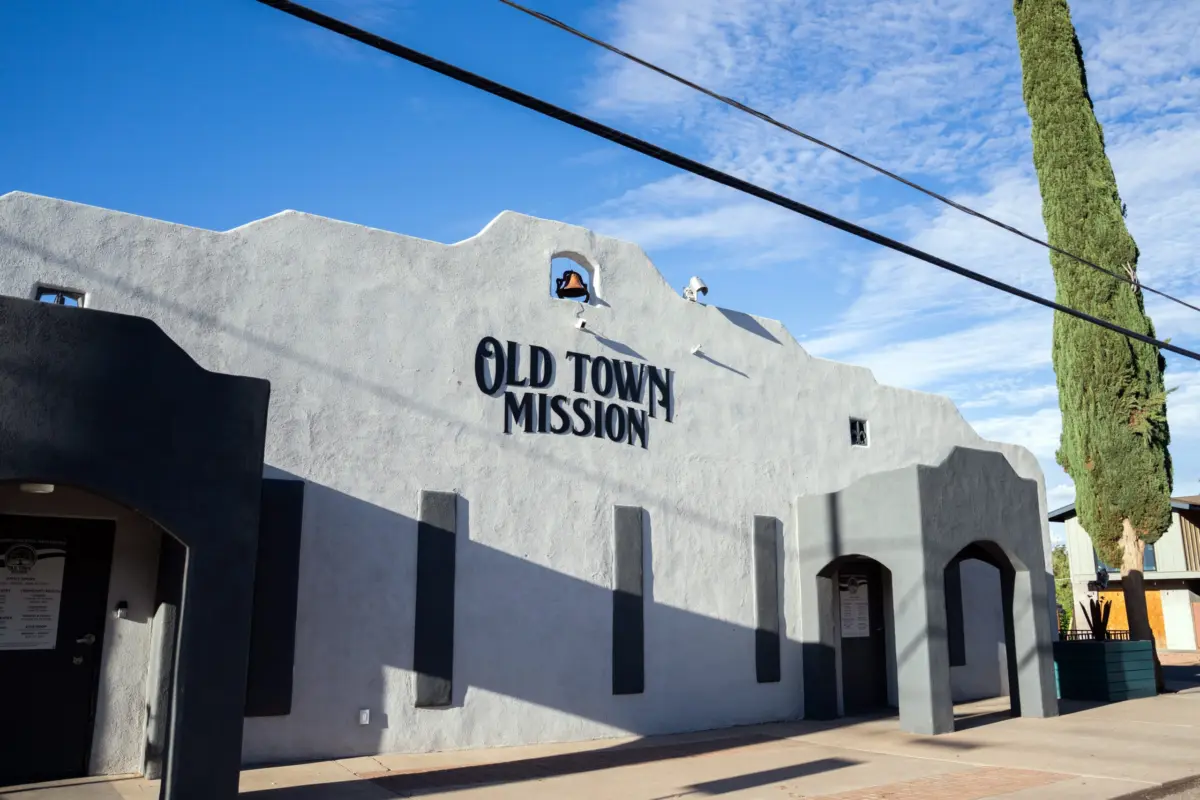
COTTONWOOD, AZ — In a move highlighting both the critical role of local safety nets and the fiscal constraints facing municipal budgets, the Cottonwood City Council has unanimously approved $125,000 in Community Impact Grants. The funding, greenlit during the council’s meeting on Tuesday, September 15, will be distributed among seven local nonprofit organizations.
While the funding brings vital relief to community organizations, the decision also underscores a stark reality: the local nonprofit sector is facing unprecedented demand. Seventeen organizations petitioned the city for a combined total of $288,369 in financial support, leaving more than $163,000 in requests unfunded. The council’s decisions required balancing immediate humanitarian needs, such as emergency shelter and food security, with youth development and educational enrichment.
Main Facts: The Approved Grant Allocations
The $125,000 pool was divided among seven local organizations following a competitive evaluation process. The approved funding amounts and their target initiatives are:
- Old Town Mission: Approved for $22,000 (requested $25,000) to support its "Foundations of Dignity" project, which provides hot meals, hygiene kits, and clean water to unhoused and vulnerable populations.
- Low-Income Student Aid (LISA): Approved for $22,000 (requested $25,000) to fund direct financial assistance for working-class families, covering essential needs ranging from dental care to extracurricular fees.
- Verde Valley Habitat for Humanity: Approved for $21,000 (requested $25,000) to bolster its critical home repair program, focusing on emergency HVAC replacements and structural accessibility needs.
- Verde Valley Sanctuary: Approved for $20,000 (requested $25,000) to fund urgent drainage and mold remediation at its domestic violence shelter.
- Wheel Fun: Approved for $17,000 (requested $20,000) to support free youth cycling and physical education programs across Cottonwood schools.
- House of Ruth: Approved for $16,000 (requested $18,000) to fund its "Baby Boutique Family Supply and Safety Project," providing critical infant care items to low-income parents.
- Science Vortex of Verde Valley: Approved for $7,000 (requested $7,500) to sustain free STEAM (Science, Technology, Engineering, Art, and Math) programming for young children and families.
+------------------------------------+-------------------+-------------------+
| Organization                       | Amount Requested  | Amount Approved   |
+------------------------------------+-------------------+-------------------+
| Old Town Mission                   | $25,000           | $22,000           |
| Low-Income Student Aid (LISA)      | $25,000           | $22,000           |
| Verde Valley Habitat for Humanity  | $25,000           | $21,000           |
| Verde Valley Sanctuary             | $25,000           | $20,000           |
| Wheel Fun                          | $20,000           | $17,000           |
| House of Ruth                      | $18,000           | $16,000           |
| Science Vortex of Verde Valley     | $7,500            | $7,000            |
+------------------------------------+-------------------+-------------------+
Ten applicant organizations received no funding from this specific grant cycle. These included Steps to Recovery Homes ($25,000 request), the Verde Valley Community Development Organization ($25,000 request), the Verde Valley Wine Consortium ($16,326 request), the Verde Valley Humane Society ($15,543 request), the Verde Valley Homeless Coalition ($15,000 request), the Verde Valley Baseball Club ($10,000 request), Friends of the Verde River ($6,000 request), Project Rising Hope ($5,000 request), and Geri-Fit Company LLC (request amount unspecified in the public agenda packet).
Chronology: The Road to the September 15 Vote
The path to the September 15 council vote involved a multi-month administrative and evaluative process designed to insulate funding decisions from political bias.
Phase 1: Application and Submission
Early in the fiscal year, the city of Cottonwood opened the application portal for the Community Impact Grant program. Nonprofits operating within the city limits and serving Cottonwood residents were invited to submit detailed project proposals, financial disclosures, and impact metrics. By the close of the application window, 17 organizations had submitted formal requests.
Phase 2: The Evaluation Rubric
To manage the high volume of applications, the city convened a five-member selection committee composed of municipal staff. The committee evaluated each proposal using a standardized, point-based rubric. Applications were graded on community alignment, project feasibility, financial transparency, and the measurable impact on Cottonwood’s most vulnerable populations.
Phase 3: The Senior Center Reallocation
During the evaluation process, the Verde Valley Senior Citizens Association emerged as one of the highest-scoring applicants for its $25,000 request. However, administrative staff identified an opportunity to streamline funding. Rather than drawing from the limited $125,000 Community Impact Grant pool, the city chose to pull the Senior Center from the grant list to transition them into a direct, long-term service contract with the city. This strategic move preserved the center’s funding security while freeing up grant dollars for other applicants.
Phase 4: Council Deliberation and Vote
On September 15, the Cottonwood City Council met to review the committee’s recommended allocations. Financial Services Manager Kirsten Lennon presented the finalized list, detailing how each dollar would be used. Following brief council discussion and public comment, the council voted unanimously to approve the $125,000 funding package.
Supporting Data: Community Demand and Program Metrics
The data submitted by the applicants paints a picture of a region experiencing significant socioeconomic pressure, characterized by rising food insecurity, housing instability, and high rates of childhood poverty.
Food Insecurity and Emergency Services
Old Town Mission’s application revealed a 26% increase in demand for its community meal programs over the course of 2026. The organization’s monthly average of to-go meals distributed jumped from 1,064 to 1,339.
With its $22,000 allocation, the Mission plans to distribute:
- 16,000 hot meals
- Thousands of personal hygiene kits
- Bottled water directly to the local unhoused population.
Public Education and Childhood Poverty
The data provided by Low-Income Student Aid (LISA) highlights the economic struggles of families in the local school system. LISA serves approximately 5,730 students across the Verde Valley. According to the Arizona Department of Education, over 4,400 of these students (roughly 77%) qualify for the federal free and reduced lunch program.
LISA’s $22,000 grant will bypass administrative overhead to directly fund urgent, individual student needs, including:
- Emergency dental and medical appointments.
- School supplies and clothing.
- Athletic and extracurricular fees that working-class families cannot afford.
Emergency Shelter and Infrastructure Crisis
The Verde Valley Sanctuary, which provides emergency housing and supportive services for victims of domestic and sexual violence, has operated under severe capacity constraints. Over the last five years, the shelter has housed an average of 159 individuals annually.

Since November, a critical on-site manufactured home has been completely unusable due to severe flood damage. The sanctuary will use its $20,000 grant to complete a vital drainage and mold remediation project. By securing the children’s playroom, laundry room, and intake area against future flooding, the sanctuary expects to restore its full operational capacity for the 2026–2027 fiscal year.
                               VERDE VALLEY SANCTUARY
                       Shelter Capacity & Operations Impact

  5-Year Historical Average: 159 Clients/Year
  ========================================================================
  [  Active Shelter Capacity  ] ---> [ Flooded Area: Unusable since Nov ]
                                     - Children's Playroom
                                     - Laundry Facilities
                                     - Intake Offices
  ========================================================================
  Municipal Grant Action: $20,000 Allocated for Mold & Drainage Repair
  Expected Outcome: Full restoration of services and increased capacity for FY 26-27.
Early Childhood Development and Youth Enrichment
Other approved programs focus on preventative care and education.
- Wheel Fun will use its $17,000 grant to provide free, structured physical activity to over 600 Cottonwood students at Mountain View Prep, Cottonwood Community School, and Dr. Daniel Bright Elementary. The program provides all bicycles, safety gear, and instructors free of charge to participants.
- House of Ruth will use its $16,000 allocation to purchase tangible infant safety equipment, including car seats, diapers, formula, and educational resources for local parents enrolled in its "Baby Boutique."
- Science Vortex will utilize its $7,000 to fund free, hands-on STEAM programming, including "Family Makerspace Nights" and "Little Learners STEAM Time," designed to introduce early mathematical and scientific concepts to preschool-aged children.
Official Responses: Municipal and Nonprofit Perspectives
The dialogue surrounding the grant allocations reflects the challenging balance between fiscal conservatism and social responsibility.
Councilman Christopher Dowell, who also serves as a board advisor for the unfunded Verde Valley Humane Society, voiced the council’s collective dilemma.
"I wish we could fund them all," Dowell stated during the meeting. "There’s a lot of ones on there that are near and dear to my heart, and I think it would be great. But with the way we are in this economy, I hope the money that we’re granting this year can go a long way."
Kirsten Lennon, Cottonwood’s Financial Services Manager, emphasized the strategic administrative adjustments that protected the city’s senior services without depleting the grant pool.
"We did remove the senior center," Lennon explained. "But they are currently in negotiations for a service contract with the city for the same services, so we felt that they should not be part of this group."
Lennon also highlighted the practical, high-impact nature of the approved projects, noting that Verde Valley Habitat for Humanity would use its $21,000 to sustain its critical care housing program. This initiative helps vulnerable seniors and low-income homeowners secure essential emergency home improvements, such as functioning air conditioning systems during peak summer temperatures.
Nonprofit leaders expressed gratitude for the city’s support. Eric Wyles, co-founder and Executive Director of LISA, noted the profound impact the funds would have on the area’s youth. "We just feel blessed to have the community support so that we can keep helping students," Wyles said.
Stephanie Richey, Executive Director of the House of Ruth, emphasized that the city’s money would go directly to families rather than administrative costs. "This is a project-based, non-operational use of funds that will translate directly into diapers, formula, car seats, and learning resources placed in the hands of local parents," Richey wrote in her program application.
Implications: The Social and Economic Outlook
The $163,369 funding gap highlights the growing strain on local safety nets. As municipal budgets face pressure from broader economic shifts, local governments are increasingly forced to prioritize immediate crisis response over long-term preventative care.
The decision to prioritize food security (Old Town Mission), domestic violence shelter repairs (Verde Valley Sanctuary), and low-income student aid (LISA) shows a clear focus on addressing immediate, basic human needs. However, leaving organizations like the Verde Valley Homeless Coalition and Steps to Recovery Homes unfunded in this cycle could place a heavier burden on other emergency public services, such as local law enforcement and emergency medical response.
Furthermore, the transition of the Verde Valley Senior Citizens Association from a grant applicant to a contracted service provider represents a shift in how the city manages critical social infrastructure. By integrating essential senior services directly into the municipal budget via service contracts, Cottonwood is establishing a more stable funding model for core community services, preserving the competitive grant pool for smaller, project-based initiatives.
Ultimately, while the $125,000 in Community Impact Grants will provide immediate relief to thousands of Cottonwood residents, the high number of applicants shows that the demand for social services in the Verde Valley continues to outpace available municipal funding. Local non-profits will likely need to rely more heavily on private donations, corporate sponsorships, and state-level grants to bridge the gap in the coming fiscal year.
