

Published: October 2, 2026
Author: Outdoor Life & Adventure Desk
Main Facts
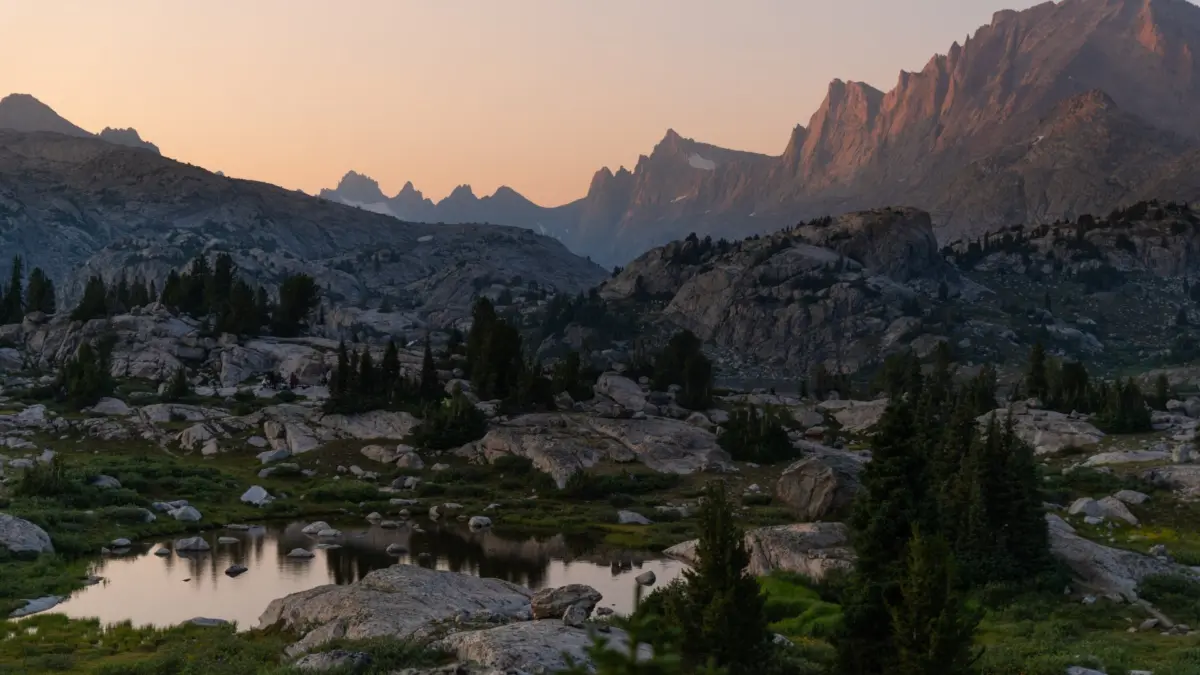
When outdoor enthusiasts speak of choice paralysis, they typically envision trivial dilemmas—selecting a flavor of ice cream or picking a movie for a Friday night. Rarely is the phenomenon applied to choosing between three world-class, bucket-list backpacking routes in the American West. Yet, faced with the legendary majesty of Wyoming’s Teton Crest Trail (TCT), the rugged amphitheater of the Cirque of the Towers, and the pristine alpine labyrinth of Titcomb Basin, making a single choice borders on the impossible.
Between 2025 and 2026, seasoned adventurer and writer Alex Moliski systematically tackled this geographic trinity, logging more than 100 miles across the Cowboy State’s most breathtaking and demanding wilderness areas. The endeavor resulted in a completed "Wyoming grand slam" of backpacking, but it also generated a perpetual query from fellow hikers: Which one is truly the best?
Each route presents a distinct ecosystem of challenges and rewards:
- The Teton Crest Trail (TCT): A 37-mile journey defined by relentless, high-alpine grandeur, dramatic geological reveals, and seamless connectivity through Grand Teton National Park.
- The Cirque of the Towers: A 27-mile masterclass in visual payoff, offering towering granite spires reminiscent of Patagonia, accessed via grueling mountain passes in the Wind River Range.
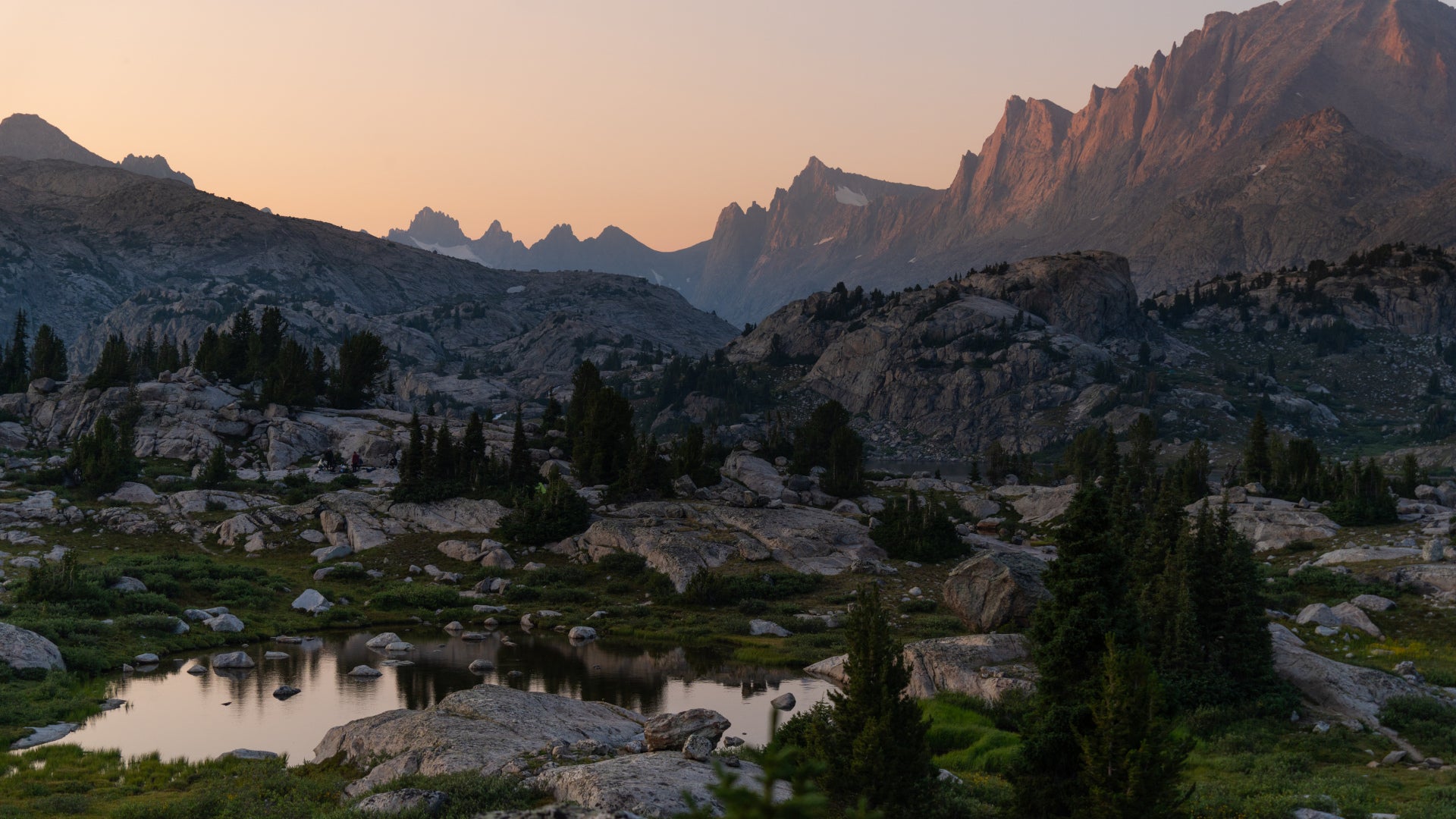
- Titcomb Basin: A sprawling 39-mile expedition (plus variable off-trail wandering) centered on pristine lakes, elusive golden trout, and absolute freedom from prescribed trail systems.
While all three routes rank among the finest multi-day excursions in North America, each offers a radically different backcountry experience. The ultimate verdict depends entirely on whether a hiker prioritizes scenic consistency, high-impact vistas in a compact mileage, or unbridled, off-trail exploration.
Chronology: The Two-Year Quest Across Wyoming’s High Country
Conquering these three routes required navigating volatile mountain weather, severe altitude adjustments, and logistical hurdles over two consecutive summer seasons.
Phase I: Mastering the Teton Crest Trail (2025)
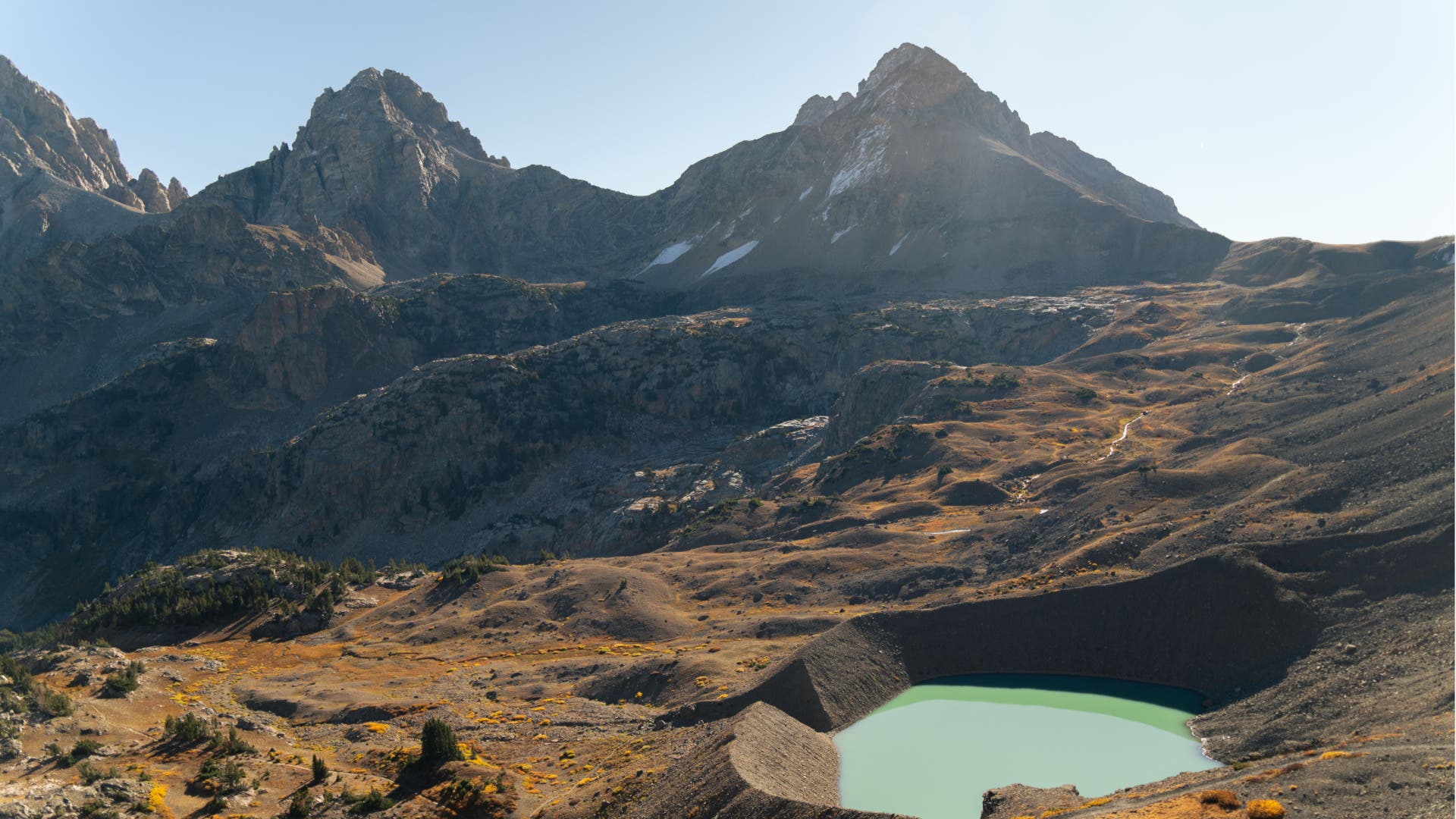
The journey began on the iconic Teton Crest Trail, a route celebrated for its non-stop visual stimulation. The definitive psychological turning point of the 37-mile trek occurred roughly 20 miles in, at the crest of Hurricane Pass. Emerging from the physical toll of altitude, steep ascents, and uninspired trail snacks, hikers are hit with a simultaneous triple-view: the imposing, unmasked backside of the Tetons, the startling turquoise expanse of Schoolroom Glacier’s meltwater, and the sweeping descent into Cascade Canyon.
The rhythm of the TCT is defined by continuous ecological evolution. Trekkers ascend Fox Creek Pass, traverse the exposed, high-altitude shale of Death Canyon Shelf, drop into the lush meadows of Alaska Basin, and finally tackle the brutal yet magnificent Paintbrush Divide. Despite the heavy foot traffic and rigorous permit systems inherent to a premier national park, the TCT delivers an uninterrupted procession of cinematic moments.
Phase II: The Third Time’s the Charm at the Cirque of the Towers (2025–2026)
If the TCT was a triumph of first-time execution, the Cirque of the Towers was an exercise in perseverance. Moliski’s successful 2026 trek was actually his third attempt at entering the famed Wind River Range amphitheater.
- Attempt One (Four Years Prior): Thwarted just miles from the destination when a companion suffered severe altitude sickness while ascending Jackass Pass, forcing an immediate retreat.
- Attempt Two (Three Years Prior): A July 4th excursion plagued by unpreparedness, where sub-freezing wind chills and inadequate sleeping bags forced a premature bail-out.
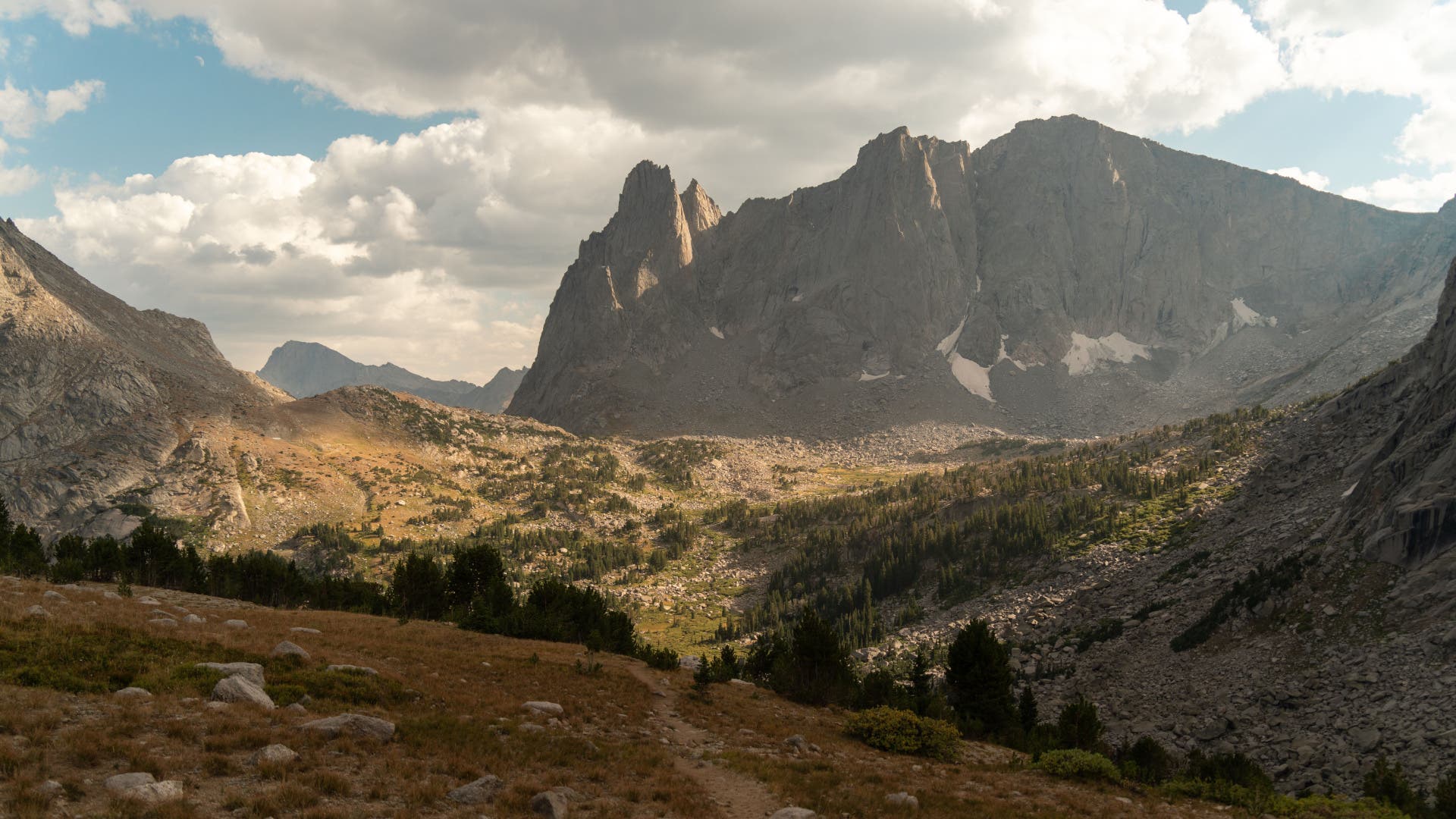
- Attempt Three (2026): Finally successful. Standing on the sandy shores of Lonesome Lake, watching distant rock climbers scale the formidable face of Pingora Peak amidst an endless horizon of jagged spires, the previous failures dissolved. The Cirque proved that extreme effort yields disproportionate rewards, offering a compressed 27-mile itinerary packed with alpine lakes and sheer granite faces.
Phase III: The Grand Finale in Titcomb Basin (2026)
The grand slam concluded in the heart of the Wind River Range with Titcomb Basin. Here, the mission shifted from pure trekking to a quixotic, highly personal fishing expedition. Wading deep into the icy waters of Island Lake, the objective was simple: catch an elusive, native golden trout.
While the fish proved remarkably uncooperative—resulting in hours of fruitless casting, a solitary brook trout, and a thoroughly soaked adventurer—the surrounding landscape offered profound consolation. Titcomb Basin provided a sprawling, unscripted wilderness experience. Without a rigid trail dictating every footstep, days were spent scrambling across boulder fields, discovering hidden gems like Mistake Lake, and navigating a tight valley of granite monoliths and glacial tarns.
Supporting Data & Technical Trail Profiles
For backpackers weighing their options, the empirical data highlights the distinct physical and logistical demands of each route.
1. The Teton Crest Trail (TCT)
- Trailhead: Jackson Hole Mountain Resort (access via the aerial tram to Rendezvous Mountain).
- Total Mileage: 37 miles.
- Elevation Gain: 6,700 feet.
- Primary Highlight: Summiting the breathtaking Paintbrush Divide.
- Crowd Factor: High. As a crown jewel within Grand Teton National Park, solitude is rare; permits require careful planning well in advance.
- Terrain Profile: Highly dynamic, moving from high-exposure shelves to forested canyons, alpine lakes, and rocky divides.
2. The Cirque of the Towers
- Trailhead: Big Sandy Trailhead (Wind River Range).
- Total Mileage: 27 miles.
- Elevation Gain: 4,318 feet.
- Primary Highlight: Scaling Texas Pass and viewing Lonesome Lake.
- Crowd Factor: Moderate to High. Word has spread regarding its world-class climbing and scenery, though its remote location weeds out casual day hikers.
- Terrain Profile: Compact and high-impact. Requires conquering major, physically demanding mountain passes (Texas and Jackass) within a relatively short distance.
3. Titcomb Basin
- Trailhead: Elkhart-Polecreek Trailhead (Wind River Range).
- Total Mileage: ~39 miles (highly variable depending on off-trail exploration).
- Elevation Gain: 5,366 feet.
- Primary Highlight: Island Lake and remote alpine wandering.
- Crowd Factor: Low to Moderate. Once past the initial approaches, crowds dissipate, leaving vast tracts of wilderness open to self-guided navigation.
- Terrain Profile: Rugged, technical, and frequently trail-less. Demands solid route-finding skills, boulder-hopping agility, and backcountry self-reliance.
Official Perspectives and Land Management Context
Managing visitation in Wyoming’s fragile alpine ecosystems has become a central focus for federal land agencies, including the U.S. Forest Service (Bridger-Teton and Shoshone National Forests) and the National Park Service (Grand Teton National Park).
Park officials note that routes like the TCT and the access paths to the Cirque of the Towers have seen exponential increases in permit applications over the past decade. Wilderness rangers consistently emphasize "Leave No Trace" principles, particularly in fragile high-elevation zones where growing seasons are short and human impact lingers for decades.
"The surge in popularity for Wyoming’s high country is a double-edged sword," notes regional wilderness management literature. "While it fosters a deep public appreciation for public lands, it places immense pressure on fragile alpine flora, water sources, and trail infrastructure. Backpackers must approach these routes with deep respect for the environment, strict adherence to permit regulations, and comprehensive emergency preparedness."
Furthermore, state wildlife and fisheries divisions closely monitor backcountry lakes in areas like Titcomb Basin, where stocking programs for species such as the golden trout coexist with strict catch-and-release conservation efforts aimed at protecting native aquatic biodiversity.
Implications for the Modern Backpacker
The completion of this Wyoming Triple Crown offers broader insights for the contemporary outdoor community. As hyper-curated social media feeds drive record numbers of travelers to specific geographic coordinates, the definition of a "wilderness experience" is rapidly evolving.
The Trade-off Between Infrastructure and Solitude
The Teton Crest Trail represents the pinnacle of engineered backcountry travel. Its infrastructure allows hikers to traverse spectacular terrain with navigational ease, but this convenience comes at the cost of shared experiences and rigid regulatory constraints. Conversely, Titcomb Basin and the broader Wind River Range represent a vanishing frontier of self-reliance—places where maps, compasses, and personal grit replace maintained pathways and crowded campsites.
The Evolution of Adventure Tourism in Wyoming
Economically, the popularity of these three routes underscores the vital role that outdoor recreation plays in gateway communities like Jackson, Pinedale, and Dubois. Outfitters, shuttle services, and gear shops rely heavily on the influx of national and international backpackers tackling these specific itineraries.
The Ultimate Verdict
When forced to make a definitive choice, Moliski’s ultimate selection leans toward the unscripted freedom of Titcomb Basin.
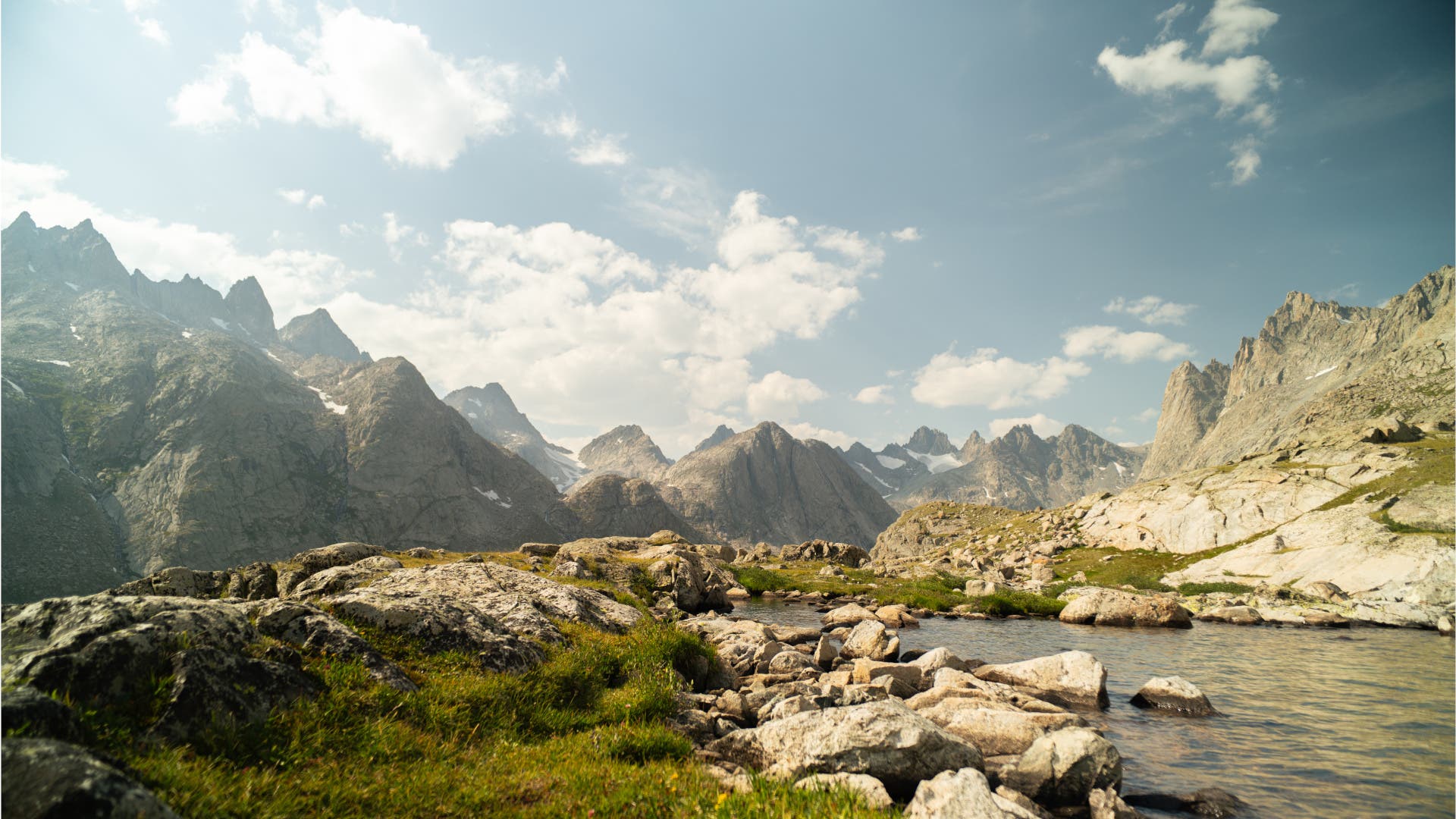
"If I had four days, a pack, and a ticket back to Wyoming, I’d choose Titcomb Basin," reflects the seasoned trekker. "Not because it’s objectively the best—there’s no such thing here. But the freedom of exploration, the challenge of navigation, and the rugged beauty of the alpine lakes made it a spectacularly unique hiking experience. And because I still need to catch that stinkin’ golden trout."
Ultimately, whether a traveler seeks the cinematic rhythm of the Teton Crest Trail, the jaw-dropping granite architecture of the Cirque of the Towers, or the pathless alpine wandering of Titcomb Basin, Wyoming’s backcountry proves that choice paralysis, in this rare instance, is a remarkably good problem to have.
