

By Global Health & Wellness Desk
Published: August 10, 2026
Main Facts: The Intersection of Audio Technology and Anxiety Relief
In an era defined by chronic overstimulation, digital fatigue, and rising mental health challenges, millions of people instinctively reach for soothing playlists when anxiety spikes. While turning on a favorite album or ambient soundscape has long felt intuitively helpful, modern science is now validating the practice with empirical precision.
However, recent clinical research suggests that the healing power of sound goes far beyond simply hitting shuffle on a relaxing playlist. According to breakthrough studies published in PLOS Mental Health and PLOS ONE, how long you listen and what is hidden beneath the melody matter profoundly.
The latest data indicates that music paired with a specialized auditory technology known as auditory beat stimulation (ABS) can meaningfully reduce both the mental loops of worry and the physical symptoms of anxiety. Even more striking, researchers have identified a precise "sweet spot" for relief: a 24-minute listening session delivers optimal therapeutic benefits, outperforming both shorter micro-sessions and longer, more tedious listening blocks.
Chronology: How Audio Therapy Evolved from Theory to Clinical Trial
The journey toward understanding how sound rewires our nervous system spans decades of neuroscience, acoustics, and clinical psychology, culminating in two major randomized controlled trials that have redefined the landscape of non-pharmacological anxiety treatments.
1. The Foundation of Brainwave Entrainment (Pre-2022)
For years, sound therapists and researchers explored "brainwave entrainment"—the concept that external auditory frequencies can influence the brain’s electrical activity. While historical practices utilized binaural beats and monaural tones via basic meditation apps, these tools lacked robust, large-scale clinical trials involving medicated psychiatric patients.
2. The 2022 PLOS ONE Breakthrough
Building on foundational acoustic theory, a major 2022 clinical trial investigated 163 participants who were actively taking medication for moderate trait anxiety. Researchers tested the efficacy of standard music versus music embedded with auditory beat stimulation in the theta-range (4–7 Hz)—frequencies traditionally associated with deep relaxation, dreaming, and drowsiness. The study proved that ABS-enhanced music significantly outperformed standard tracks in curbing somatic anxiety (such as a racing heart or muscle tension) and cognitive anxiety (intrusive worry loops).
3. The 2025 PLOS Mental Health "Dose-Response" Study
To answer lingering questions about timing and optimal duration, a subsequent 2025 study recruited 144 participants, also managing moderate trait anxiety with medication. This trial was designed to evaluate a "dose-response" relationship—testing whether duration changed the efficacy of the treatment. Participants were divided to receive either a control sound (pink noise) or music embedded with ABS for 12, 24, or 36 minutes.
The findings established a clear physiological threshold: while all music-plus-ABS groups experienced relief compared to the pink noise control group, the 24-minute session yielded the strongest reduction in anxiety symptoms, performing equally as well as the 36-minute session and decisively outperforming the 12-minute intervention.
Supporting Data: What the Clinical Numbers Show
To fully appreciate the impact of these findings, it is helpful to look closely at the methodology and metrics tracked during the clinical trials:
- Participant Profiles: Both major studies focused on individuals with diagnosed or reported moderate trait anxiety who were already utilizing pharmacological interventions (anxiety medications), demonstrating that audio therapy serves as an effective complementary layer rather than a standalone replacement.
- Frequency Ranges: The 2022 trial leveraged theta frequencies (4–7 Hz), while the 2025 trial utilized alpha frequencies (10 Hz), which are closely linked to calm, alert focus. The success of both ranges indicates that auditory beat stimulation is versatile and adaptable to different mental states.
- Control Comparisons: Pink noise—a steady, balanced sound often used for sleep masking—served as the baseline control. Music embedded with ABS consistently drove superior anxiety reduction scores compared to the pink noise baseline.
- The 24-Minute Sweet Spot: Statistical analysis of the 2025 trial revealed that while 12 minutes of therapy was insufficient for maximum biological settling, stretching the session to 36 minutes offered no statistically significant advantage over the 24-minute mark. Thus, 24 minutes represents the ideal balance between efficacy and time commitment for modern lifestyles.
Official Responses and Expert Perspectives
As non-pharmacological interventions gain traction within mainstream medicine, mental health professionals and acoustic researchers have weighed in on what these discoveries mean for everyday patient care.
Dr. Elena Vance, a clinical psychologist specializing in integrative therapies, notes that the integration of audio-based interventions provides patients with a tangible sense of agency. "When a patient experiences an anxiety flare-up, they often feel entirely powerless against their own nervous system," Dr. Vance explains. "Having a validated, evidence-based tool like a 24-minute ABS soundscape gives them an immediate, non-invasive mechanism to help down-regulate their fight-or-flight response."
Furthermore, auditory neuroscientists emphasize that auditory beat stimulation does not work through magic, but through well-documented neuro-electrical pathways. When two slightly offset frequencies are delivered to each ear, the brain processes the mathematical difference between them as a rhythmic pulse. Over the course of several minutes, cortical neurons begin to synchronize—or "entrain"—with that targeted frequency, effectively guiding an overactive brain out of high-beta stress waves and into calmer alpha or theta states.
Importantly, clinical researchers emphasize a vital caveat: auditory beat stimulation is a complementary practice, not a cure-all. Because trial participants were actively managed on anxiety medications, experts stress that patients should view sound technology as an addition to—rather than a substitute for—professional medical advice, psychotherapy, or pharmaceutical regimens.
Implications for Daily Life and Mental Health Care
The translation of these clinical findings from laboratory settings into everyday routines opens up exciting possibilities for self-care, clinical environments, and workplace wellness.
1. Re-Engineering the "Micro-Break"
Many digital wellness apps encourage quick, 2-to-5-minute breathing exercises or musical snippets. However, this new data suggests that brief interventions may barely scratch the surface of a hyper-aroused nervous system. Just as meditation requires an initial runway to quiet mental chatter, the brain needs roughly 10 to 15 minutes of acoustic immersion to fully lock onto a calming frequency. Allocating a dedicated 24-minute block for sound therapy represents a paradigm shift in how we structure mental health micro-breaks during the workday.
2. Accessibility and Low-Risk Integration
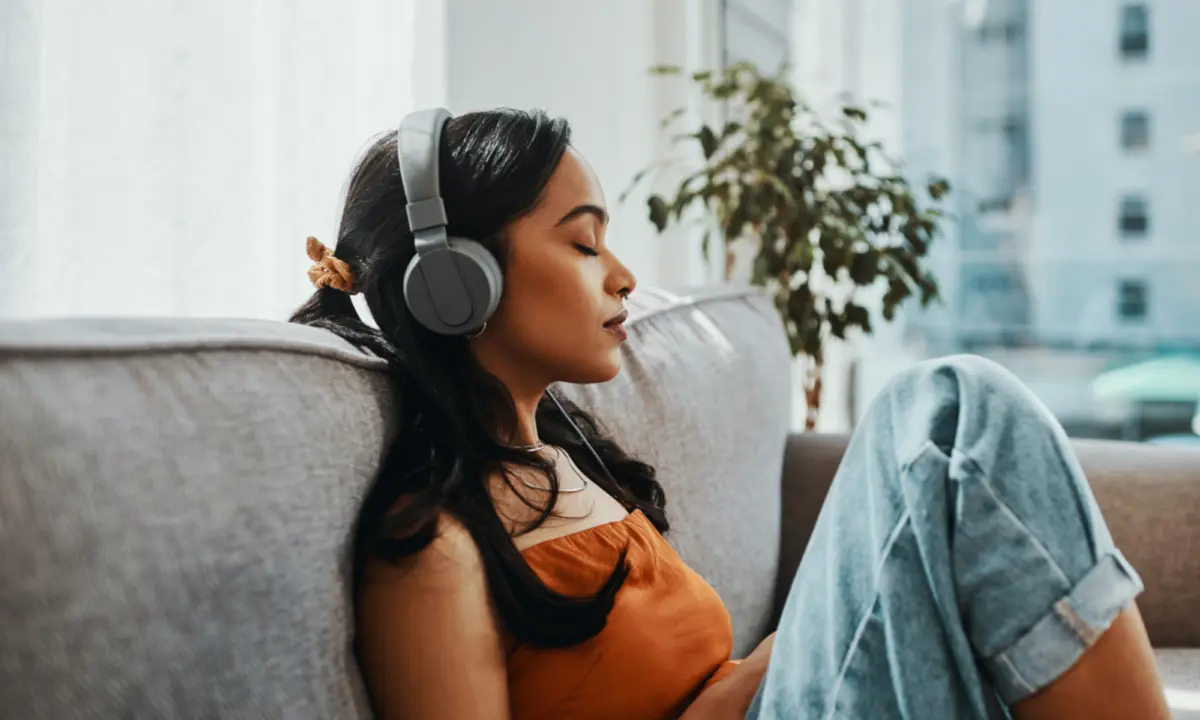
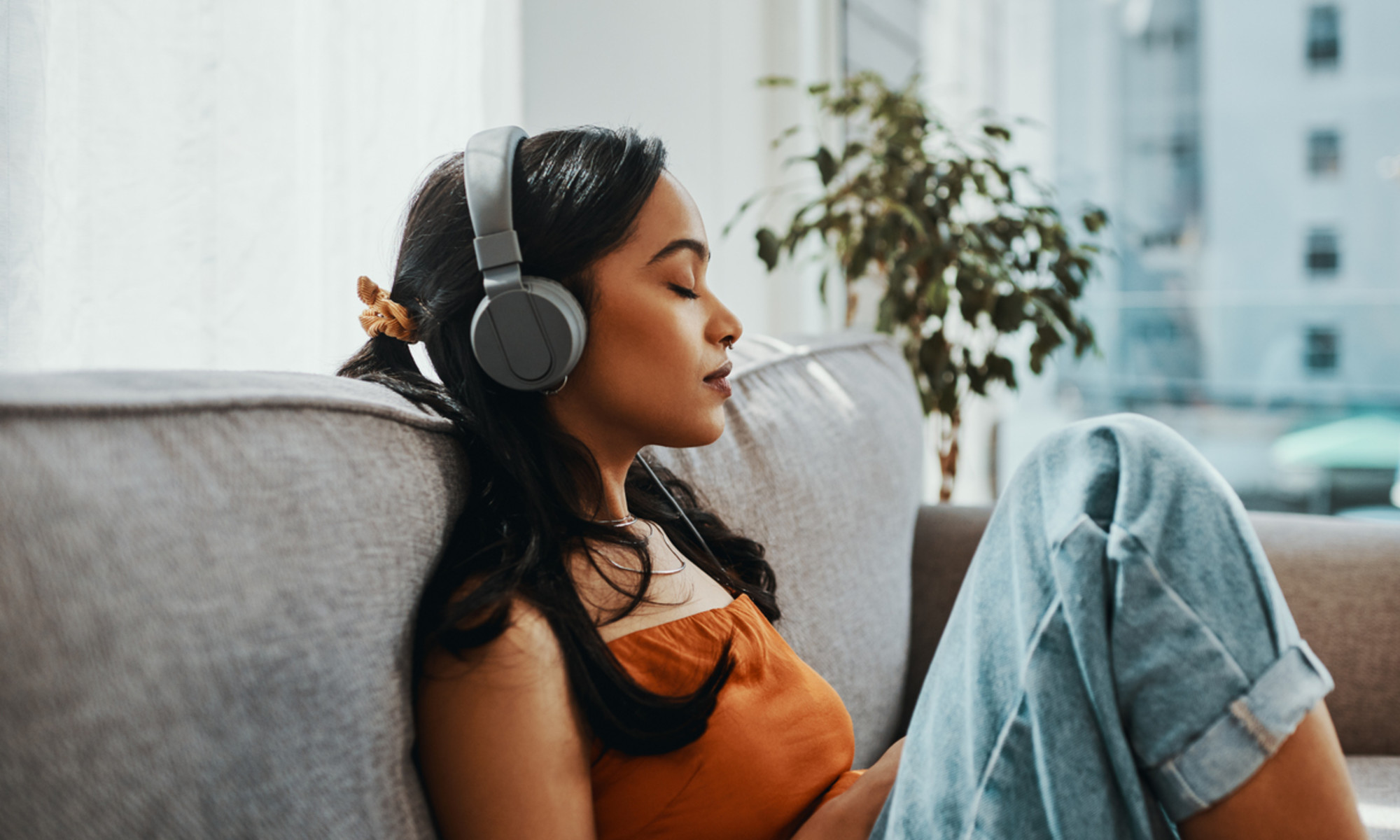
Unlike medical interventions that carry potential side effects, listening to curated audio tracks requires minimal resources—essentially a smartphone and a pair of stereo headphones. This low barrier to entry makes ABS-embedded music an exceptionally democratic tool that can be deployed by students studying for exams, professionals managing high-stress careers, or patients waiting for clinical appointments.
3. The Future of Digital Therapeutics
As digital therapeutics continue to merge with traditional psychiatry, the formal prescription of specific acoustic profiles could become commonplace. Health systems may soon incorporate validated auditory beat stimulation protocols into clinical waiting rooms, post-operative recovery wards, and chronic stress management programs.
How to Put the Research Into Practice
If you are looking to integrate these scientific insights into your personal wellness routine, consider the following evidence-based steps:
- Invest in Quality Headphones: Because auditory beat stimulation relies on delivering slightly different frequencies to each ear to generate the perceived "beat," stereo headphones or earbuds are mandatory. Playing these tracks out loud on a standard phone speaker will not trigger the desired brainwave entrainment.
- Carve Out Exactly 24 Minutes: Resist the urge to multi-task or cut the session short. Set a timer, close your eyes or engage in a low-focus activity (such as light stretching or journaling), and commit to the full 24-minute window to allow your brain to settle past initial resistance.
- Seek Out Validated Soundscapes: Look for audio tracks specifically engineered with auditory beat stimulation, noting whether you are seeking alpha frequencies (for calm, alert focus during the day) or theta frequencies (for deep relaxation and unwinding in the evening).
- Layer Your Care: Remember that sound therapy is designed to complement existing mental health strategies. If you work with a therapist or take medication, view 24-minute audio sessions as a supportive, enriching addition to your comprehensive wellness toolkit.
Ultimately, science is proving that the right sound, delivered for the right duration, can act as a powerful anchor for the mind—offering a quiet, harmonious refuge in an increasingly loud world.
