


August 26, 2026
By Staff Science & Wellness Correspondent
For generations, humans have relied on intuitive associations to guide their nutritional habits. Among the most striking visual metaphors in nature is the walnut—its wrinkled, folded, two-hemisphered shell and kernel bearing an uncanny resemblance to the human brain. Long dismissed as mere folklore or coincidence, this anatomical mimicry is increasingly validated by modern nutritional neuroscience. Emerging scientific research demonstrates that incorporating a modest daily portion of walnuts into your diet does more than just satisfy hunger; it actively optimizes brain function, sharpening cognitive performance throughout the day while building long-term neurological resilience.
As society places a growing emphasis on healthspan—the period of life spent in good health, free from chronic disease and cognitive decline—researchers are turning their attention to accessible, everyday dietary interventions. A landmark recent study has shed new light on the immediate physiological and cognitive effects of walnut consumption, proving that the humble tree nut is far more than a dietary staple: it is a potent neuro-enhancer.
1. Main Facts: The Immediate Cognitive Impact of Walnuts
Recent investigations into the acute effects of nut consumption have shifted the conversation from abstract lifelong benefits to real-time cognitive optimization. Published in scientific journals focusing on nutritional biochemistry, contemporary studies are breaking down how specific whole foods alter neurological function within hours of consumption.
In a pivotal clinical trial, researchers examined healthy young adults aged 18 to 30 to observe how their bodies and brains responded to a walnut-rich meal. Participants were divided to receive either a breakfast containing approximately 50 grams (about a standard handful) of walnuts or an iso-caloric control meal devoid of nuts. Over the subsequent six-hour window, scientists tracked a comprehensive suite of metrics, including real-time brain activity via neuroimaging, standardized cognitive performance tests, and systemic blood biomarkers.
The findings challenge the notion that food only affects us through long-term systemic accumulation. Within hours of consumption, participants who ate the walnut-rich breakfast exhibited distinct shifts in neurological performance. While the data revealed nuanced temporal patterns—such as a temporary, brief dip in short-term memory scores followed by a subsequent rebound and enhancement later in the testing window—the overarching cognitive output demonstrated superior processing efficiency and sustained mental clarity.
Key takeaways from the immediate physiological response include:
- Enhanced Blood Biomarkers: Participants showed favorable shifts in postprandial (post-meal) metabolic profiles, supporting steady-state energy delivery to the central nervous system.
- Modulated Brain Activity: Electroencephalogram (EEG) or related tracking indicated alterations in neural oscillations, pointing toward heightened alertness without the jittery side effects associated with stimulants like caffeine.
- Temporal Cognitive Shifts: The study highlighted that walnuts may influence the timing of cognitive rhythms, smoothing out the typical post-meal fatigue ("brain fog") often experienced after carbohydrate-heavy breakfasts.
2. Chronology: The Journey from Folklore to Clinical Validation
To understand the weight of these 2026 findings, it is helpful to examine how nutritional science has progressively unraveled the walnut’s biochemical profile over the past several decades.
- Ancient Observations: Historically, civilizations in ancient Persia, Greece, and traditional Chinese medicine recognized the walnut as a premier brain-boosting food. The Doctrine of Signatures—an ancient belief system holding that God marked objects with a sign indicating their purpose—cemented the walnut’s reputation as a cerebral tonic due to its shape.
- Late 20th Century Biochemical Breakthroughs: As analytical chemistry advanced in the 1980s and 1990s, researchers began isolating the specific macronutrient and micronutrient profiles of tree nuts. Walnuts uniquely emerged as a powerhouse of polyunsaturated fatty acids, fundamentally setting them apart from other nuts.
- Early 2000s Cardiovascular Focus: Initial modern clinical trials largely focused on the heart-health benefits of walnuts, establishing their role in lowering LDL cholesterol and improving endothelial function. However, because cardiovascular health is inextricably linked to cerebral blood flow, researchers quickly hypothesized that these vascular benefits would naturally extend to the brain.
- 2010s Epidemiological Milestones: Large-scale epidemiological studies, including data derived from cohorts like the Nurses’ Health Study and the Rush Memory and Aging Project, began tracking thousands of older adults over decades. These observational studies consistently linked regular walnut consumption to delayed cognitive aging and preserved memory retention.
- The 2025–2026 Acute Trials: The scientific narrative has now evolved from long-term retrospective observation to rigorous, acute intervention trials. Scientists are no longer just asking what walnuts do over a span of 30 years; they are measuring what they do over the course of a single work shift or study session.
3. Supporting Data: The Biochemical Architecture of the Walnut
What makes the walnut uniquely qualified to support both immediate cognitive agility and lifelong neurological health lies in its dense, synergistic nutritional matrix. Unlike processed supplements that isolate single compounds, a walnut delivers a complex biochemical package designed by nature for bioavailability.
Alpha-Linolenic Acid (ALA)
Walnuts are virtually unique among tree nuts in their exceptionally high content of alpha-linolenic acid (ALA), a plant-based omega-3 fatty acid. While the human body converts ALA into the longer-chain omega-3s EPA and DHA with limited efficiency, circulating ALA itself plays a vital structural role in maintaining neuronal cell membrane fluidity, supporting synaptic plasticity, and facilitating efficient neurotransmitter signaling.
Polyphenol and Antioxidant Powerhouses
Oxidative stress and neuroinflammation are primary drivers of both acute cognitive fatigue and long-term neurodegenerative disorders like Alzheimer’s disease. Walnuts are exceptionally rich in polyphenols—specifically ellagitannins—which are metabolized by the gut microbiome into urolithins. These metabolites cross the blood-brain barrier, exerting direct anti-inflammatory and antioxidant protective effects on neural tissue.
The Gut-Brain Axis Connection
Emerging data also underscores the role of walnuts in modulating the gut microbiome. Rich in both dietary fiber and bioactive phytochemicals, walnuts act as a prebiotic fuel source for beneficial gut bacteria. A diverse and robust microbiome communicates directly with the central nervous system via the vagus nerve and metabolic byproducts (such as short-chain fatty acids), reducing systemic inflammation and indirectly supporting optimal cognitive processing.
4. Official Responses and Expert Perspectives
The medical and nutritional communities have greeted the latest wave of cognitive-nutrition research with cautious optimism, emphasizing that whole-food interventions offer a sustainable, low-risk adjunct to modern wellness routines.
Dr. Elena Vance, a leading clinical neuro-nutritionist, notes the paradigm shift in how clinicians view breakfast composition:
"For years, nutritional guidelines focused almost exclusively on macronutrient ratios—carbs, proteins, and fats—for sustained physical energy. What these new acute studies show us is that specific whole foods like walnuts contain bioactive compounds that actively converse with our central nervous system. We are moving past the idea that food is mere fuel; it is literal information that programs real-time brain performance."
Dr. Marcus Chen, a geriatric neurologist specializing in cognitive preservation, highlights the preventative implications of integrating walnuts across all life stages:
"When we look at the trajectory of brain health, waiting until old age to protect your cognitive reserves is far too late. The structural integrity of the brain in your seventies is built upon decades of vascular health, reduced inflammation, and synaptic maintenance. Adding a handful of walnuts to a young adult’s morning routine isn’t just about acing a morning meeting today; it’s a down payment on a resilient, sharp mind forty years from now."
Public health bodies have similarly praised the simplicity of the intervention. Unlike complex pharmacological nootropics that can carry side effects or require strict medical supervision, incorporating nutrient-dense whole foods presents virtually no downside for the general population.
5. Practical Implications: How to Implement the "Walnut Protocol"
Translating clinical research into practical, daily lifestyle changes does not require an extreme dietary overhaul. Nutritional epidemiologists and dietitians suggest that the optimal "dose" to reap both acute and long-term cognitive benefits is remarkably modest: approximately one to two ounces (roughly 28 to 50 grams, or a single small handful) per day.
To integrate this brain-boosting habit seamlessly into your daily routine, consider the following evidence-based culinary applications:
- The Morning Cognitive Kickstart: Chop a handful of raw or lightly toasted walnuts and stir them directly into morning oatmeal, Greek yogurt, or a protein-rich smoothie to stabilize postprandial glucose and support morning focus.
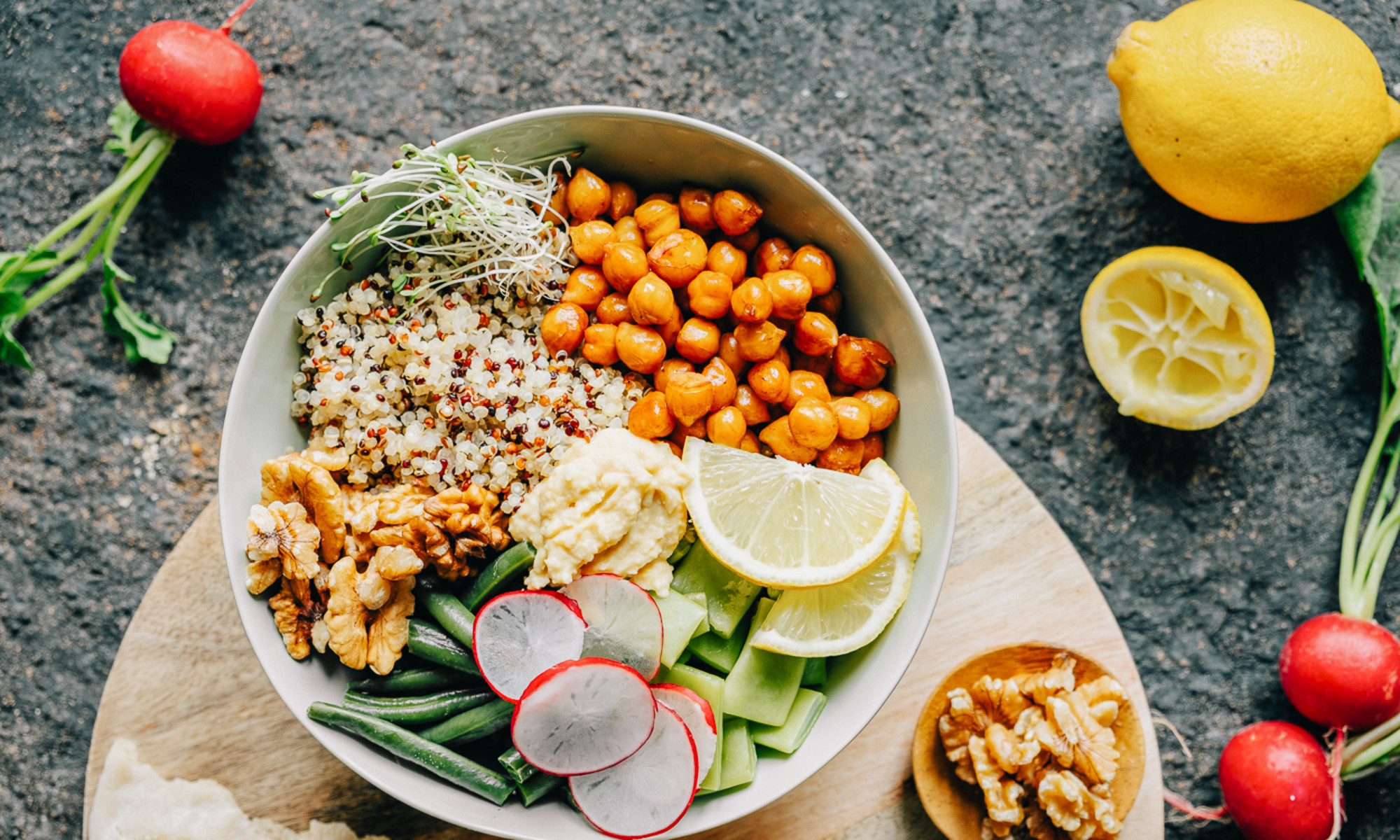
- Salad and Grain Enhancements: Toss toasted walnut halves into quinoa, grain bowls, or leafy green salads at lunch to provide a satisfying crunch while delivering a midday dose of plant-based omega-3s and polyphenols.
- Smart Afternoon Snacking: Replace ultra-processed, sugary afternoon office snacks with a palm-sized portion of raw walnuts paired with a piece of dark chocolate or fresh berries for an antioxidant-rich neuro-protective shield.
- Savory Crusts and Spreads: Use finely crushed walnuts as a nutrient-dense, heart-healthy crust for baked fish or chicken, or blend them into savory pestos and dips to elevate everyday cooking.
The Takeaway
Walnuts are not a magical panacea. They cannot undo the cognitive toll of chronic sleep deprivation, a sedentary lifestyle, or unmanaged chronic stress. However, as modern science continues to validate the deep intersections between diet, acute brain performance, and long-term neuro-longevity, the walnut stands out as an exceptional dietary ally.
From supporting quicker mental processing speeds and smoothing out morning cognitive rhythms today, to safeguarding neural tissue against age-related decline decades down the road, this everyday tree nut proves that nature’s blueprint often points us toward the smartest choices we can make for our health.
