


Published: September 10, 2026
By: Backpacker Field Reporting Desk
On America’s premier long-distance routes—from the wind-scoured ridges of the Continental Divide Trail (CDT) to the green tunnels of the Appalachian Trail (AT) and the sun-bleached switchbacks of the Pacific Crest Trail (PCT)—gear culture moves with the speed of a high-alpine weather system.
Long-distance backpacking has long functioned as a living laboratory for the outdoor industry. Thru-hikers are the ultimate stress-testers of outdoor equipment. They log upward of twenty miles a day, sleep on frozen ground, endure unrelenting UV exposure, and subject their gear to months of continuous abuse. If a piece of equipment has a flaw, a thru-hiker will find it within a week. If a piece of gear is genuinely revolutionary, it will spark a trend that inevitably trickles down to weekend warriors and casual campers within two seasons.
Yet, gear trends are rarely monolithic. Regional preferences heavily dictate what makes it into a hiker’s pack.
“Ultralight felt very ‘in’ out west in a way that it didn’t out east,” notes experienced thru-hiker Madelyn Dukart, reflecting on the divergent philosophies found across the country’s vast trail network. While eastern hikers often prioritize durability against abrasive granite and relentless humidity, western hikers tend to chase the holy grail of shaving every possible gram to conquer massive daily elevation gains.
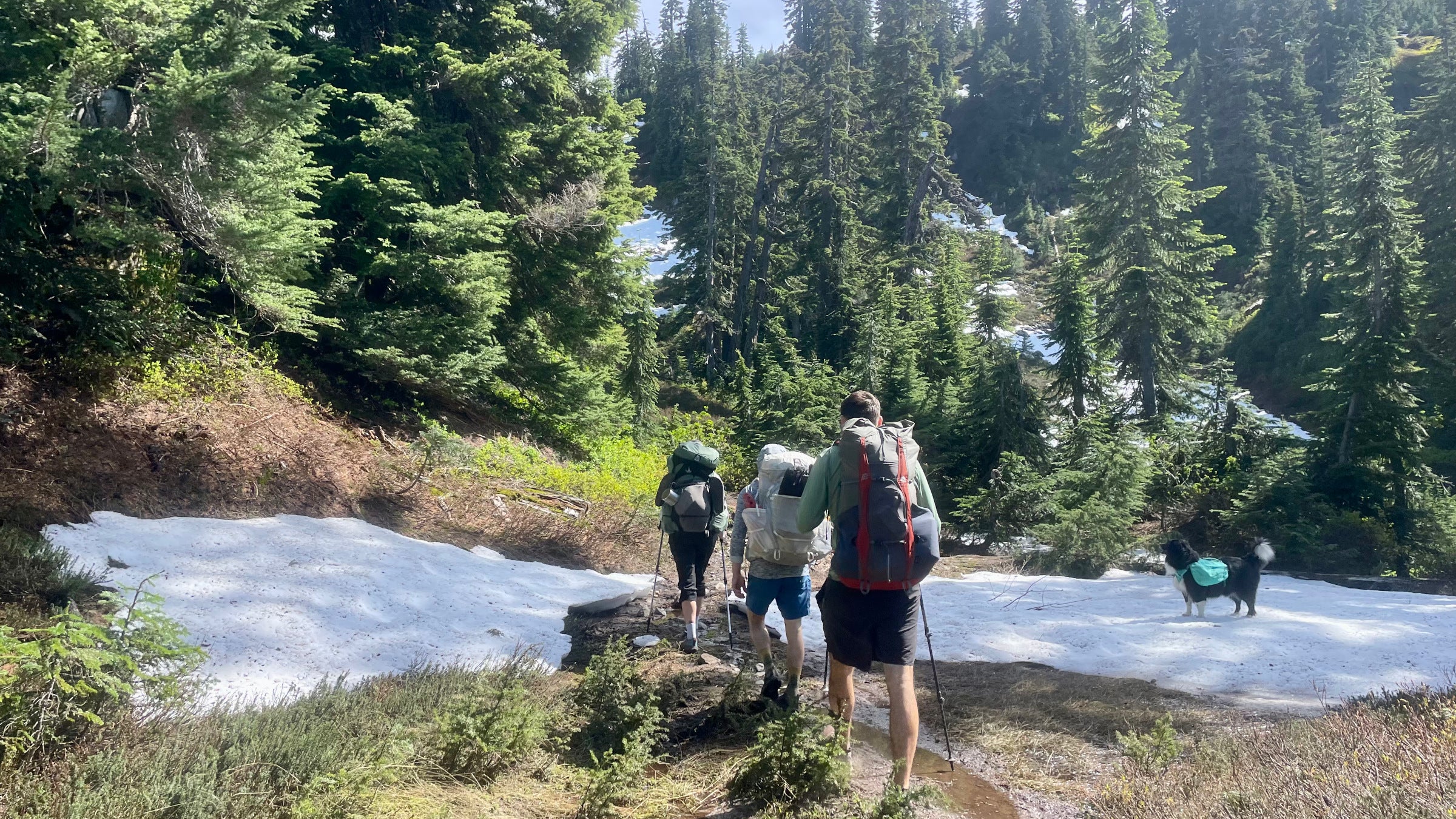
As the 2026 season winds down, we examine the gear innovations, technological leaps, and aesthetic shifts that dominated the long-distance trails this year.
Main Facts: The 2026 Thru-Hiking Landscape
The defining characteristic of the 2026 gear season is the maturation of the cottage industry, accelerated heavily by the mainstream adoption of 3D printing and advanced technical fabrics. Traditional heavy-duty gear brands are facing fierce competition from agile, direct-to-consumer garage manufacturers who can design, print, and distribute specialized ultralight accessories in a matter of weeks.
Key shifts this season include:
- Fabric evolution: Microgrid fleeces have officially been dethroned. Head-to-toe Polartec Alpha Direct apparel—ranging from hoodies to pants and accessories—is the undisputed thermal layer of choice.
- Consumable efficiency: 3D-printed fuel transfer devices have moved from novelty items to mandatory kit essentials, practically eradicating half-empty gas canisters from trail town hiker boxes.
- Sustainability and microplastics: For the first time in mainstream thru-hiking discourse, single-use plastics faced a serious cultural reckoning, leading to a surge in dedicated reusable trail bottles.
- Camp luxury at zero weight: Ultralight electric pad pumps have nearly eliminated manual lung power at campsites.
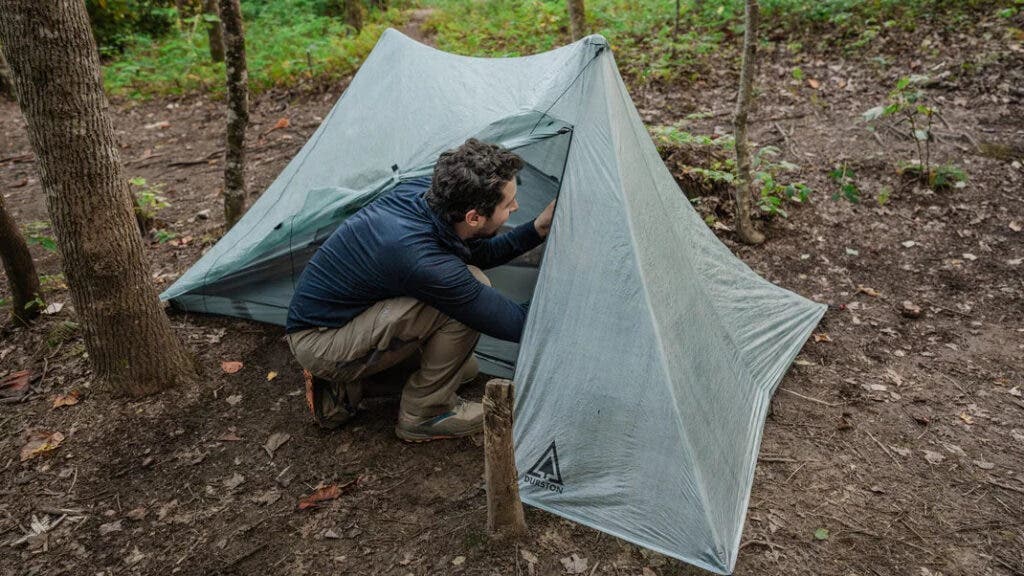
- Shelter dominance: Durston’s X-Mid series has achieved near-ubiquity, capturing unprecedented market share on major paths.
Chronology: How These Trends Took Over the Trail
The journey of a gear trend from concept to trail-wide adoption typically follows a predictable timeline. Understanding how this season’s dominant items broke into the mainstream highlights the speed of modern outdoor innovation.
Winter 2024–2025: The Prototyping Phase
Emerging items—such as early-generation 3D-printed fuel transfer valves and custom cottage-industry Alpha Direct garments—were heavily discussed on niche online forums like Reddit’s r/Ultralight and specialized Facebook groups. Early adopters and gear-makers tested prototypes on late-season desert routes or winter shakedown hikes.

Spring 2026: The Kickoff Surge
As northbound (NOBO) hikers converged on Campo, California, for the PCT, or Springer Mountain, Georgia, for the AT, gear shops near trailheads noticed an immediate visual shift. Mary Pillsbury, owner of 2 Foot Adventures outfitters in Julian and Kennedy Meadows along the PCT, noted an unprecedented demand for specific items. “Just a year or two ago, hikers were all about microgrid hoodies, but they’ve definitely moved on to Alphas,” Pillsbury observed.
Summer 2026: Peak Trail Penetration
By June and July, as the bubble of hikers hit the Sierra Nevada or the mid-Atlantic states, the trends cemented themselves. Campsites looked entirely different from previous years. Offset trekking-pole tents like the Durston X-Mid dominated clearings, while rechargeable mini-pumps whirred to life at dusk across every established shelter site.
Fall 2026: The Industry Ripple Effect
As the hiking season concludes, major outdoor brands are taking notes. The innovations validated by thousands of miles of footpath this summer are already influencing product lines slated for outdoor retail trade shows in the coming winter.
Supporting Data & Deep-Dive Gear Breakdown
To understand why these specific items captured the collective imagination of the long-distance community, we must examine their practical performance metrics.
1. Head-to-Toe Alpha Direct Fleece
Polartec Alpha Direct was originally engineered as a high-performance insulation layer for military applications, designed to keep soldiers warm during active movement while dumping excess heat. Thru-hikers quickly realized its unmatched warmth-to-weight ratio.

Unlike traditional fleece, which relies on a dense fabric weave, Alpha Direct features an open, fuzzy knit structure. When worn alone on cool mornings, it breathes exceptionally well. When paired underneath a wind-blocking shell (such as a 1-ounce windshirt), it creates a remarkably warm microclimate.
- The Shift: While hoodies made from the material gained traction over the past two seasons, 2026 marked the year hikers committed fully to the ecosystem. Pants, beanies, gloves, and even direct-contact socks made of Alpha Direct became ubiquitous among gram-conscious trekkers looking to maximize thermal efficiency.
2. The Rise of 3D-Printed Fuel Transfer Devices
Trail towns along major routes are legendary for their "hiker boxes"—wooden crates where departing backpackers leave behind surplus food, half-used toiletries, and partially filled IsoPro fuel canisters. Historically, carrying a quarter-full canister meant hauling dead weight until the next resupply, or illegally disposing of pressurized metal containers.
Metal fuel transfer valves have existed for years, but their heavy weight discouraged many ultralight backpackers from packing them. Enter ultra-lightweight, 3D-printed plastic alternatives, popularized by cottage brands like Alpenglow Gear.
- The Metrics: Weighing in at a scant 2.4 grams and costing very little, these pocket-sized valves allow hikers to safely pool fuel from multiple nearly empty canisters into a single, full container before leaving town. “Almost every hiker carries a fuel transfer device thanks to Alpenglow Gear. They are so light and inexpensive; 3D printing is truly changing the market,” says Pillsbury.
3. Reusable Water Bottles Challenge the Smartwater Monopoly
For decades, the standard 1-liter polyethylene terephthalate (PET) Smartwater bottle has reigned supreme across American trails, prized for its durability, lightweight build, and compatibility with popular squeeze filters like the Sawyer Squeeze. However, 2026 marked a notable cultural shift.
“This is the first year I’ve heard thru-hikers talk extensively about microplastics,” Pillsbury notes.

While reusing single-use plastic bottles is a rite of passage for backpackers, recent scientific studies highlighting the shedding of microplastics into stored drinking water have prompted a reassessment. A growing cohort of hikers has transitioned to purpose-built, reusable alternatives like the CNOC ThruBottle or Mazama Designs M!Go bottles.
- The Ecological Dissonance: Madelyn Dukart points out the psychological tension inherent in long-distance trekking: “Most people that get involved in outdoor recreation begin with their love for nature, and it can feel dissonant to preach respecting nature while relying on single-use plastics for such a crucial piece of gear. Seeing multiple brands with thru-hiker-friendly water bottles seems to alleviate some of that dissonance.”
4. Ultralight Pad Pumps
Blowing up an insulated inflatable sleeping pad at the end of a grueling 25-mile day used to mean hyperventilating inside a tent or introducing damaging moisture from breath condensation into the pad’s internal insulation.
The introduction of ultra-compact, rechargeable, and battery-powered pad pumps has rendered manual inflation largely obsolete. Devices such as the featherlight Alpenblow (which plugs directly into an existing power bank) and the self-powered Flextail Zero Pump have become standard equipment. Weighing mere ounces, these gadgets inflate sleeping mats in under a minute with zero physical exertion.
5. Durston Tents Achieve Critical Mass
Independent gear designer Dan Durston’s cult following has been steadily building for years, but the 2026 season represented a definitive tipping point.
- Design Innovation: The Durston X-Mid utilizes an offset geometry supported by dual trekking poles, maximizing interior usable floor space, eliminating complex setup angles, and offering superior storm stability at a remarkably low weight.
- Supply Chain Stability: Previously hampered by limited, highly competitive batch releases, increased manufacturing output allowed thousands of hikers to secure the shelters this season. As Amber Rae Hedman, a veteran triple-crown style hiker who completed the PCT in 2022 and 2025 observes: “It feels like you can hardly walk through a campsite without seeing an X-Mid.”
6. The Return of Standalone Cameras
In an era where modern smartphones boast multi-lens setups capable of breathtaking computational photography, a surprising analog trend has taken root: the return of dedicated standalone cameras.

More thru-hikers are choosing to carry compact digital, film, or even disposable cameras alongside their phones.
- The Rationale: Documenting the journey has evolved into an essential component of the modern thru-hiking identity. Dedicated cameras capture superior dynamic range, preserve phone battery life for crucial backcountry navigation apps (like Guthook/FarOut), and offer a tactile, distraction-free creative medium away from constant notifications. While adding weight to a base-weight ledger, many hikers have decided the psychological and aesthetic payoff is well worth the penalty.
Official Responses and Industry Perspectives
Retailers and veteran hikers occupy a unique vantage point, serving as the bridge between raw consumer demand and manufacturing capability.
Industry insiders emphasize that the relationship between thru-hikers and gear manufacturers is fundamentally symbiotic. Cottage brands actively monitor trail forums and sponsor elite hikers specifically to stress-test early designs. When a product survives a continuous five-month trek across the Appalachian Trail without failure, it receives an organic endorsement that traditional advertising budgets cannot purchase.
Furthermore, outfitters stationed directly along major trail arteries—such as 2 Foot Adventures in Southern California—act as real-time barometers for consumer habits. Store owners report that inventory requests shift dynamically based on what the first wave of northbound hikers carries into town. If a specific 3D-printed gadget or thermal layer gains traction in April at Campo, wholesale orders from cottage makers surge exponentially by May.
Implications: What This Means for the Broader Outdoor Market
The trends of the 2026 thru-hiking season carry significant implications for the wider outdoor recreation economy:
- The Maturation of 3D Printing in Outdoor Gear: The explosive popularity of items like fuel transfer valves and micro-inflators proves that decentralized, additive manufacturing is no longer a gimmick. Small-scale designers can rapidly prototype, iterate, and scale products without massive injection-molding overhead costs, threatening traditional manufacturing monopolies.
- Heightened Ecological Consciousness: The pivot away from single-use beverage containers toward certified reusable trail bottles signals a maturing consumer base. As environmental awareness deepens among outdoor enthusiasts, brands will face increasing pressure to eliminate disposable plastics from their supply chains entirely.
- The Normalization of "Camp Luxury": The widespread adoption of electric pad pumps and specialized thermal sleep layers illustrates that ultralight backpacking is no longer strictly about ascetic suffering. Hikers are increasingly willing to carry a few ounces of comfort technology if it drastically improves sleep quality and recovery on long trails.
As these trends migrate from the rugged backcountry paths into mainstream outdoor retail outlets next spring, one thing remains certain: the relentless pursuit of lighter, smarter, and more efficient gear shows no signs of slowing down.
