

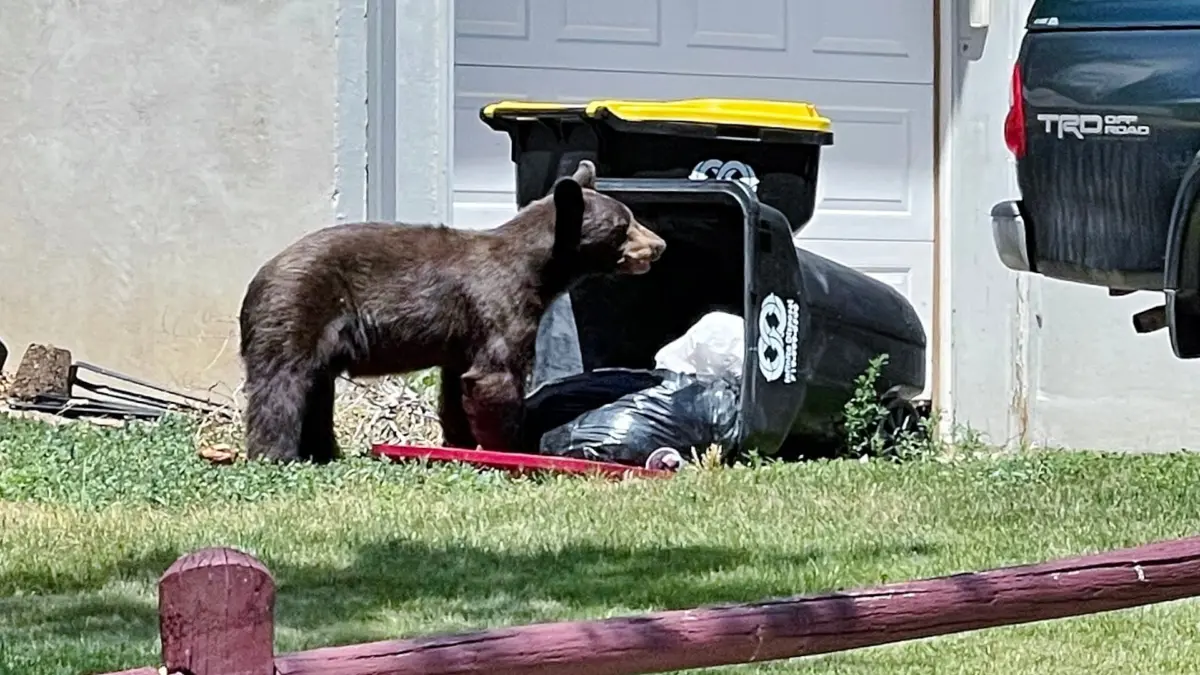
DURANGO, Colo. — On a quiet September afternoon in Durango, Colorado, a residential backyard became the final resting place for a starving, suffering black bear. Discovered on September 9, 2026, the animal had dug a shallow hole in the earth, burying itself while emitting low, agonizing moans. The homeowner, alarmed by the bear’s extreme lethargy and distress, immediately contacted Colorado Parks and Wildlife (CPW).
What wildlife officers uncovered upon their arrival, however, exposes a much darker and more systemic crisis unfolding across the Centennial State. As Colorado grapples with a historic surge in human-bear conflicts, this single tragic incident serves as a stark reminder of the fatal consequences when natural wilderness and urban sprawl collide.
Main Facts: The Tragic Discovery in Durango
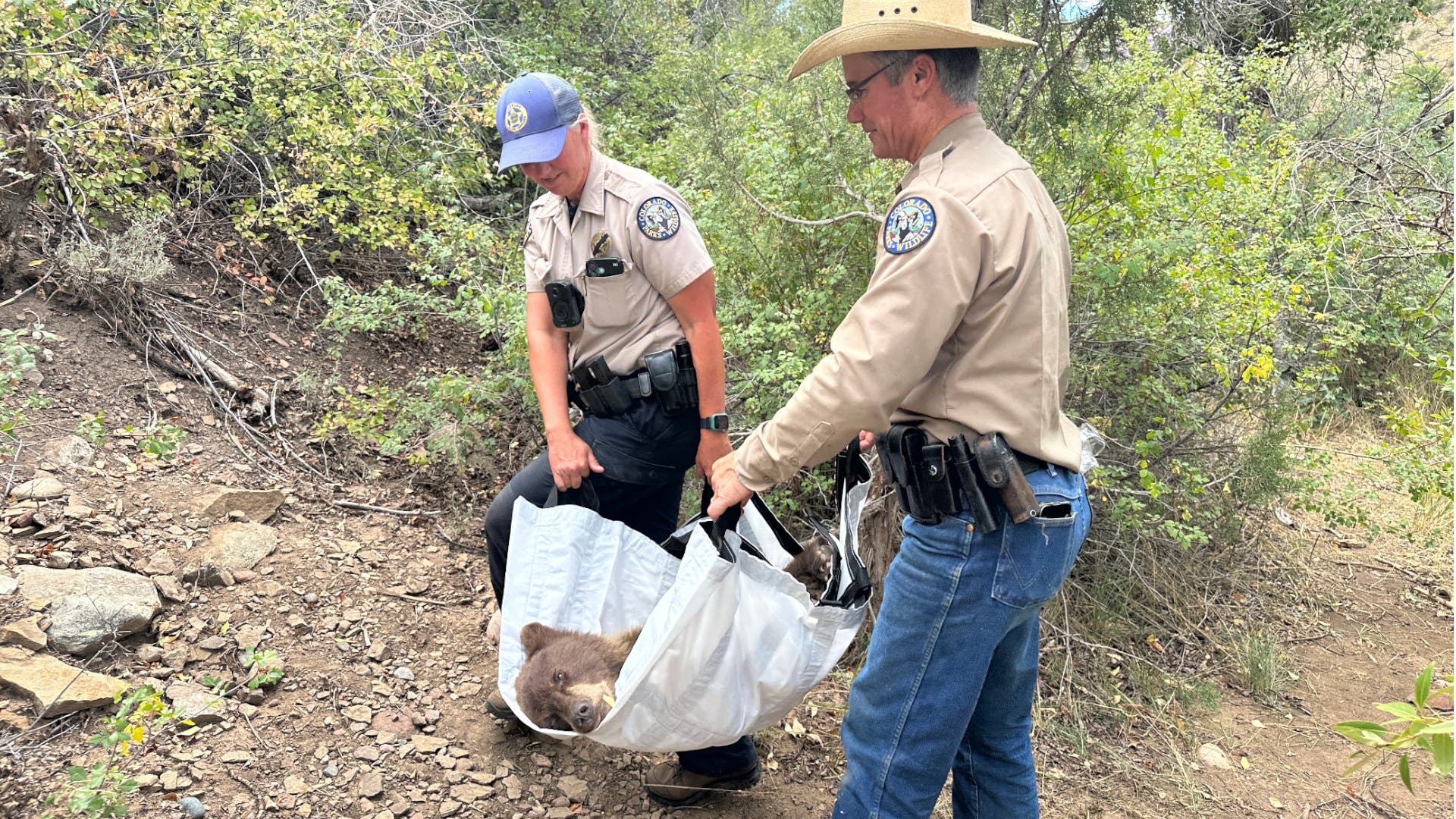
When CPW Officer John Livingston and his colleagues arrived at the Durango residence, they immediately recognized the severity of the situation. The bear’s abdomen was visibly distended and severely bloated. While the officers managed to coax the animal into a standing position, it lacked the strength or the will to move away from the property.
Recognizing that the bear was suffering beyond recovery, the team administered a tranquilizer. The moment Livingston and his fellow officers touched the animal’s rigid, swollen stomach, they knew something catastrophic had occurred inside its digestive tract. Faced with no humane alternative, they made the difficult decision to euthanize the animal and immediately performed a field necropsy.
The findings were harrowing.
"Immediately upon getting into the stomach, we just started pulling out cleaning wipes and full trash bags that still had the whole drawstring," Livingston said in an interview. "It was pretty rough stuff."
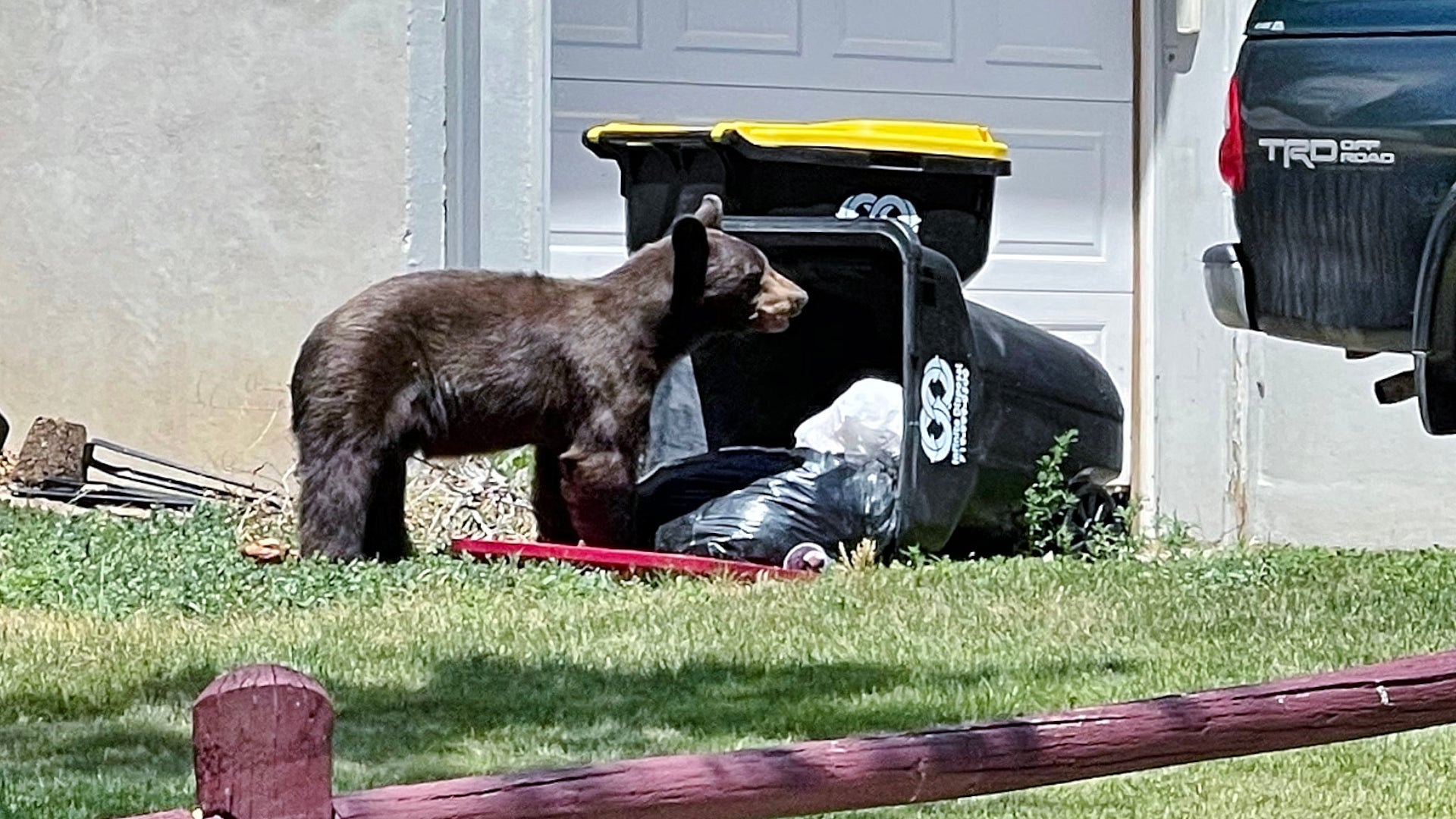
The bear’s stomach was entirely packed with non-digestible household waste, effectively starving it to death despite a stomach full of trash. The ingestion of synthetic materials, plastics, and caustic cleaning supplies causes agonizing blockages and systemic toxicity, sealing a slow and painful fate for urban-foraging wildlife.
Chronology of a Crisis: From Spring Frost to Autumn Desperation
To understand how a wild black bear was reduced to consuming garbage bags and cleaning wipes in a residential neighborhood, wildlife biologists point to a disastrous sequence of environmental events spanning the entire year.
- Winter 2025–2026: Colorado experienced a record-low snowpack, triggering severe drought conditions across vast portions of the state.
- May 2026: Just as the ecosystem was attempting to recover from the dry winter, a devastating late spring freeze struck southwest Colorado. This frost decimated natural food supplies—wiping out the critical mast crops, berries, and acorns that black bears typically rely on to build fat reserves.
- June 2026: Driven by extreme hunger and the absence of natural sustenance, bears began descending into mountain towns and residential valleys far earlier than usual. CPW officers began responding to emergency calls in droves, kicking off a marathon summer where officers frequently worked 18- to 20-hour shifts without a day off.
- September 9, 2026: The crisis culminated in Durango with the euthanasia of the garbage-impacted black bear, underscoring the lethal toll of habituation as autumn approaches.
Supporting Data: Breaking All the Wrong Records
The tragedy in Durango is far from an isolated incident. CPW data reveals that 2026 is shattering historical records for human-bear interactions across the state by staggering margins.
- 8,000+ Reports: As of September, CPW has logged over 8,000 bear-related reports statewide—the highest number ever recorded in the agency’s history.
- 294 Euthanasias: Wildlife officials have been forced to euthanize more than 294 bears so far this year. To put that into perspective, only 98 bears were euthanized throughout the entirety of 2025.
- Surge in Relocation and Removal: Statewide statistics show that bear relocation incidents are running at 3.5 times the five-year average, while total euthanizations have surged to 2.7 times historical norms.
"It’s definitely going to be a record year," Livingston emphasized. "Across the state, we’re seeing more bears getting into homes and crossing lines that maybe, in most years, they’d be too timid or not quite bold enough to cross."
Official Responses: Voices from the Front Lines
John Livingston serves as the CPW public information officer for southwest Colorado and leads the agency’s Statewide Bear Working Group. For months, Livingston and his colleagues have been living on the front lines of an exhausting wildlife management emergency.
"I was preparing to head out on another bear call even as we spoke on the phone," Livingston noted, illustrating the relentless pace officers have endured since the summer thaw.
According to CPW leadership, the root of the crisis is a dangerous cocktail of extreme food scarcity and animal habituation. Once bears discover rich, easy-calorie rewards in human environments—such as unsecured garbage cans, open commercial dumpsters, birdseed, and pet food left outdoors—their natural instincts are fundamentally altered.
"As long as they are getting trash and human-provided food… they don’t have the incentive to go back up and look for those natural foods," Livingston explained.
This reliance on human garbage creates a vicious cycle. Neighborhoods become a bear’s primary grocery store, increasing the frequency of high-risk behaviors such as breaking into residential homes, forcing entry into cars, and inadvertently consuming fatal items like plastic bags and cleaning agents.
Furthermore, access to unnatural food sources interferes with fundamental wildlife biology. Bears typically enter winter hibernation triggered by a seasonal scarcity of natural food, not by falling temperatures alone. However, animals hooked on urban garbage continue foraging late into the year, searching for calories endlessly.
"In some places, there have been instances of a few bears never denning because they continued to access food year-round," Livingston warned.
Implications: A Call for Heightened Public Caution
With autumn advancing and natural food supplies remaining critically low, CPW officials expect human-bear conflicts to escalate further before the winter snows finally force bears into dens. In response, the agency is issuing an urgent plea to mountain residents and suburban communities alike, urging a dramatic shift in human behavior to protect both human safety and bear survival.
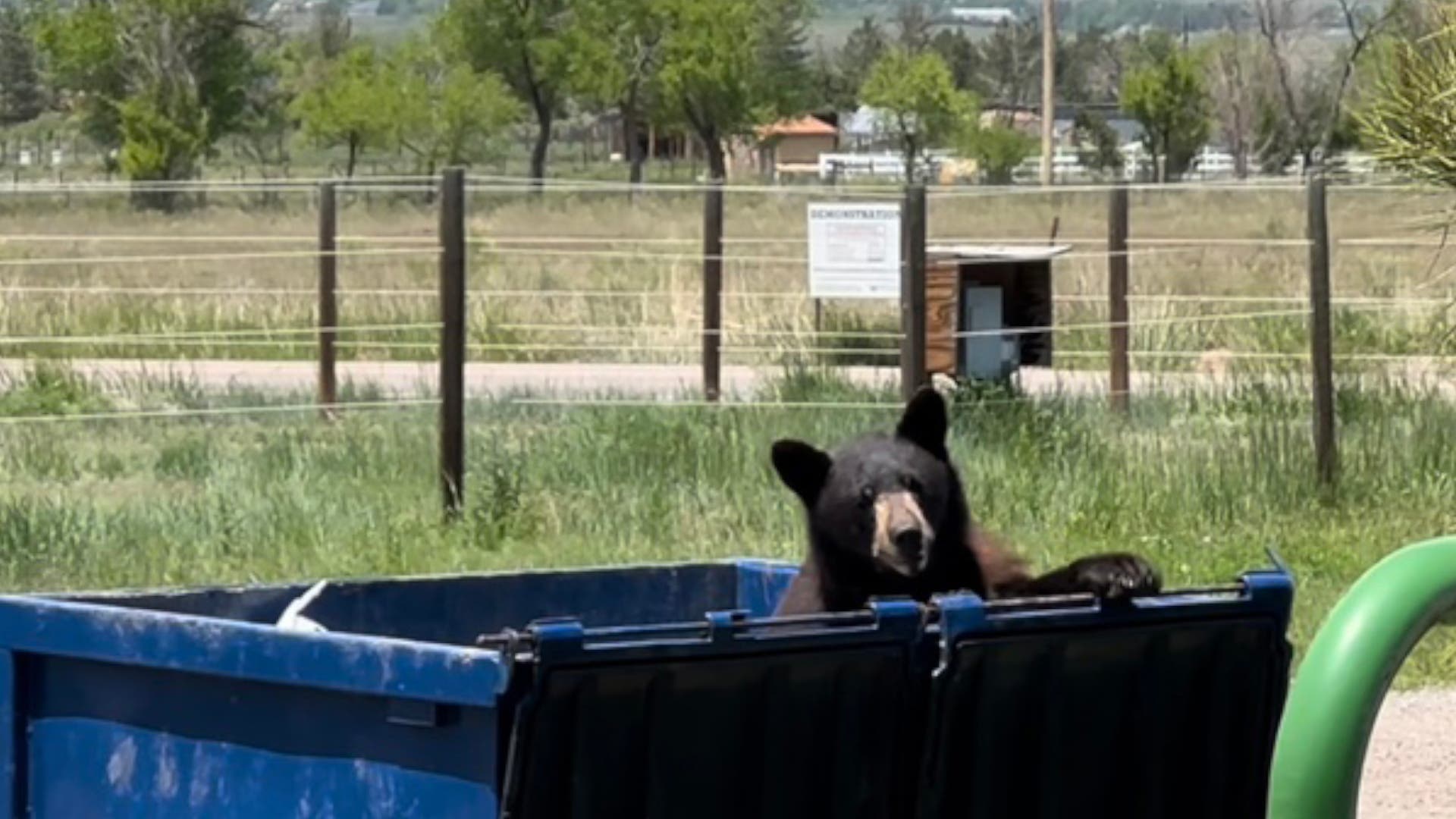
1. Rigorous Waste Management
While many Colorado municipalities mandate bear-resistant trash cans, CPW stresses that hardware alone is not enough. Containers must be meticulously cleaned to remove lingering food odors that attract bears from miles away. Damaged bins must be repaired immediately, and trash must be secured every single night. Failing to comply carries legal consequences, with fines set at $100 for a first offense and $200 for subsequent violations.
2. Securing Homes and Vehicles
Residents must remain vigilant about basic home infrastructure. Leaving windows and doors cracked open for a cool autumn breeze, or failing to lock vehicle doors overnight, frequently invites opportunistic bears indoors.
"It may not be a person you have to worry about coming into your house or trying to get into your car at night," Livingston warned. "It might be a bear."
3. Active Hazing
Wildlife officials are actively discouraging the passive filming of bears near homes. Instead of pulling out smartphones to record videos for social media, residents are urged to aggressively haze any bears that venture too close to human habitations. Effective hazing techniques include yelling loudly, sounding car alarms, banging pots and pans, or deploying airhorns.
"If you’re going to take the time to take out your phone and record the bear, help send the right message and record it while you’re yelling," Livingston said. "We shouldn’t want them being around our homes."
A Shared Responsibility
The death of the Durango bear is a tragic emblem of a stressed environment and a stressed wildlife population. As Colorado navigates this record-breaking year of conflict, CPW’s message is clear: mitigating the crisis is a shared community responsibility. By practicing strict coexistence protocols, residents can prevent future tragedies and give Colorado’s black bears a fighting chance to survive the wild.
