

For millions of women worldwide, the arrival of a menstrual cycle is synonymous with a familiar, unwelcome routine: a strategic inventory of heating pads, a reliance on over-the-counter anti-inflammatories, and days spent structuring life around pelvic pain. Severe period cramps—medically known as dysmenorrhea—can range from a dull, persistent ache to debilitating spasms that disrupt work, school, and daily life.
While modern medicine offers various treatments ranging from hormonal contraceptives to nonsteroidal anti-inflammatory drugs (NSAIDs), many individuals are increasingly turning to holistic and dietary interventions to manage their symptoms. Now, a fascinating new clinical study published in the journal Frontiers in Nutrition points toward a surprisingly simple, delicious addition to the monthly routine: fresh strawberries.
According to researchers, incorporating a daily cup-and-a-half of strawberries into a regular diet may significantly reduce the severity of menstrual pain. While experts urge caution and call for larger, more rigorous trials to confirm the findings, the pilot study opens up an exciting new avenue for food-as-medicine approaches to women’s health.
1. Main Facts: The Strawberry and Cramp Connection
The core takeaway of the recent research is straightforward: dietary interventions rich in specific plant compounds may offer tangible relief from dysmenorrhea.
- The Core Intervention: Researchers investigated whether consuming 250 grams (approximately 1.5 cups) of fresh strawberries daily could impact the severity of menstrual pain.
- The Results: Women who added fresh strawberries to their daily routine for one month reported a statistically and clinically significant decrease in menstrual pain compared to a control group.
- The Mechanism of Interest: Strawberries are rich in polyphenols—specifically anthocyanins—which are potent antioxidants known for their ability to combat oxidative stress and systemic inflammation.
- Current Status: While promising, researchers emphasize that strawberries should currently be viewed as a complementary component of an anti-inflammatory diet rather than a standalone medical cure for menstrual disorders.
2. Chronology of the Study: How the Trial Unfolded
To understand the weight of these findings, it is helpful to look at how the study was designed and executed by researchers at the University of Huelva in Spain.
Recruitment and Baseline Establishment
The research team recruited 64 female volunteers, ranging in age from 18 to 35 years old. A key inclusion criterion was that all participants had a documented history of regularly experiencing moderate to severe primary dysmenorrhea during their menstrual cycles.
At the onset of the trial, participants established a baseline by rating their average menstrual pain using standardized clinical pain scales.

The One-Month Intervention Phase
The cohort was randomly divided into two distinct groups:
- The Control Group: Participants maintained their normal, everyday diets without making any specific modifications.
- The Strawberry Group: Participants were instructed to incorporate 250 grams (about 1.5 cups) of fresh strawberries into their daily diet every single day for the duration of one month.
Follow-Up Assessments
Participants tracked and rated their pain levels at the conclusion of the one-month intervention period. Uniquely, the researchers also incorporated a secondary follow-up assessment two months after the intervention had concluded (three months from the study’s start) to monitor how the participants fared after stopping the daily strawberry regimen.
3. Supporting Data and Scientific Context
The study was structured around a strict statistical benchmark. The researchers established a priori (in advance) that for the results to be deemed clinically meaningful, the strawberry-consuming group had to report at least a one-point greater reduction on pain scales than the control group.
Meeting the Benchmark
At the end of the 30-day intervention, the data showed that the strawberry group not only surpassed this threshold but also experienced a uniform downward trend in pain severity. Interestingly, lower pain scores were still recorded by the strawberry group at the two-month post-intervention follow-up, even though the participants had ceased eating the prescribed daily amount of strawberries a month prior.
However, scientists caution against overinterpreting this lingering effect. It does not definitively prove that strawberries possess a long-term, structural pain-relieving "residual" effect; rather, it highlights the need for longer-term trials to map out how dietary interventions affect hormonal cycles over extended periods.
Why Strawberries? The Chemistry of Cramps
To understand why researchers chose strawberries, one must look at the physiological drivers of menstrual cramps. Dysmenorrhea is largely triggered by prostaglandins—hormone-like substances produced in the uterine lining. When progesterone levels drop prior to menstruation, the uterus produces higher levels of prostaglandins, causing the uterine muscle wall to contract sharply. These contractions constrict blood flow and oxygen to the uterus, resulting in cramping, pain, and systemic inflammatory symptoms like headaches and nausea.
Because prostaglandins are fundamentally tied to inflammatory pathways, researchers hypothesized that anti-inflammatory foods could help mitigate the severity of these contractions. Strawberries are packed with bioactive compounds, most notably:

- Anthocyanins: The flavonoids responsible for the bright red color of strawberries, which possess robust antioxidant properties.
- Ellagic Acid and Ellagitannins: Compounds that have been shown in various nutritional studies to modulate inflammatory responses in the human body.
4. Official Responses, Limitations, and Expert Cautions
While the headline—eat fruit to beat cramps—is bound to capture public attention, the scientific community approaches pilot studies with a healthy dose of methodological skepticism. Researchers and independent nutritionists have pointed out several important limitations that must be addressed before public health recommendations can change.
Funding and Bias Considerations
A crucial detail noted in the study’s disclosures is that the research received partial funding from a Spanish strawberry producers’ association. While industry-sponsored research is common in agricultural and nutritional science, it necessitates rigorous independent replication to ensure that commercial interests do not inadvertently skew study design, data interpretation, or reporting.
Methodological Constraints
- Unblinded Trial: The study was unblinded, meaning that the participants were fully aware that they were eating strawberries. This introduces the possibility of the placebo effect—if participants expected the strawberries to help, their subjective reporting of pain may have been subconsciously influenced.
- Lack of Biomarker Measurement: While researchers theorize that strawberries work by dampening inflammatory processes or altering prostaglandin production, the trial itself did not measure blood markers of inflammation or actual prostaglandin levels. Therefore, the exact biochemical pathway responsible for the reduction in pain remains unproven.
- Small Sample Size: With only 64 participants, the trial qualifies as a small pilot study. While sufficient for generating hypotheses and securing preliminary data, it is far too small to establish clinical guidelines for the general population.
5. Implications: Incorporating Strawberries into a Holistic Wellness Routine
Despite the need for broader replication, the study highlights a positive and practical dietary strategy. Even if the direct link to cramp reduction requires further validation, strawberries are undeniably a nutrient-dense food loaded with vitamin C, fiber, manganese, and antioxidants. Adding them to a daily routine carries virtually no health risks for the vast majority of people.
Practical Ways to Boost Your Intake
For those inspired by the study to integrate more berries into their monthly routine, nutritionists recommend focusing on whole, fresh foods:
- Morning Boost: Toss a cup of fresh sliced strawberries into morning oatmeal, Greek yogurt, or a protein-rich smoothie.
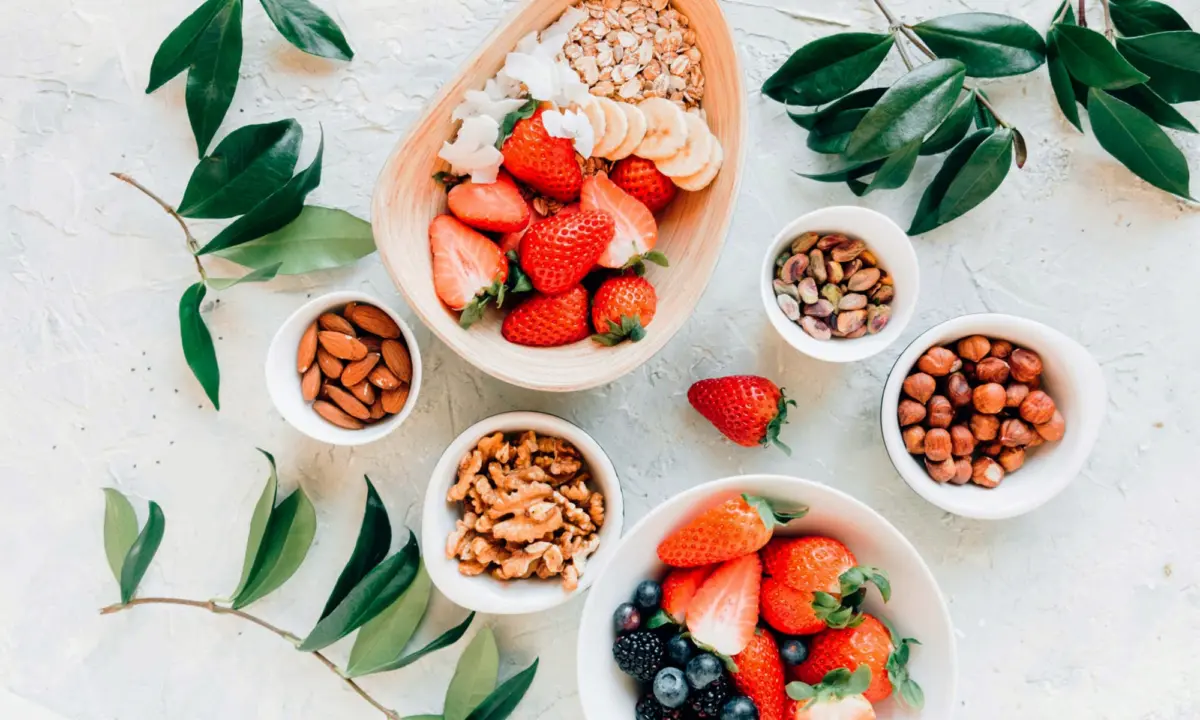
- Afternoon Snack: Pair fresh strawberries with a handful of nuts or seeds to combine polyphenols with healthy fats and fiber, which helps stabilize blood sugar levels—another crucial factor in managing hormonal fluctuations.
- Salad Toppers: Add sliced strawberries to green spinach salads with goat cheese and balsamic vinaigrette for a refreshing, anti-inflammatory meal.
A Holistic Approach to Menstrual Health
Healthcare providers emphasize that dietary modifications should be viewed as one piece of a much larger puzzle when it comes to managing dysmenorrhea. Strawberries are not a magical cure-all, nor should they replace prescribed medical treatments, heating pads, or consultations with gynecologists for severe underlying conditions like endometriosis or uterine fibroids.
Instead, viewing nutrition through an anti-inflammatory lens can empower individuals to take a more active, personalized role in managing their cycle. By combining smart dietary habits—such as increasing intake of antioxidant-rich fruits, staying well-hydrated, and consuming adequate omega-3 fatty acids—with conventional pain management strategies, those who suffer from monthly cramps can build a more comprehensive and compassionate self-care routine.
