

Published August 31, 2026
In an era defined by rapid global shifts, economic unpredictability, and collective burnout, the human psyche often mistakes hope for certainty. Society conditioned individuals to crave concrete timelines, predictable outcomes, and the comfort of knowing that careful planning will shield them from adversity. Yet, according to adaptive yoga instructors and ancient philosophical frameworks, true resilience does not stem from foreknowledge—it emerges from the willingness to embrace the unknown.
A growing movement in inclusive wellness is shifting the paradigm of traditional fitness. Spearheaded by adaptive yoga practitioners like Rodrigo Souza, this approach demonstrates that physical movement and mindfulness are accessible to all bodies, regardless of mobility limitations. More importantly, it offers a blueprint for navigating life’s ambiguities. By merging ancient yogic philosophy with adaptive physical postures, practitioners are discovering that hope is not a passive wish for a better tomorrow, but an active, embodied practice for the present moment.
Main Facts: The Philosophy of Accessible Optimism
At its core, the practice of adaptive yoga for optimism dismantles the traditional, rigid standards of what wellness "should" look like. Traditional fitness culture often prioritizes aesthetic perfection and hyper-flexible physiques. Conversely, adaptive yoga emphasizes internal sensation over external geometry.
The Intersection of Ancient Wisdom and Modern Accessibility
The framework of this practice is rooted in Patanjali’s Yoga Sutras, specifically the dual concepts of abhyasa (consistent practice) and vairagya (non-attachment).
- Abhyasa (Practice): Showing up consistently, participating in one’s life, and taking intentional action without demanding to know the ultimate outcome.
- Vairagya (Non-attachment): Loosening the grip on specific expectations, allowing life to unfold organically, and remaining curious about what might be possible.
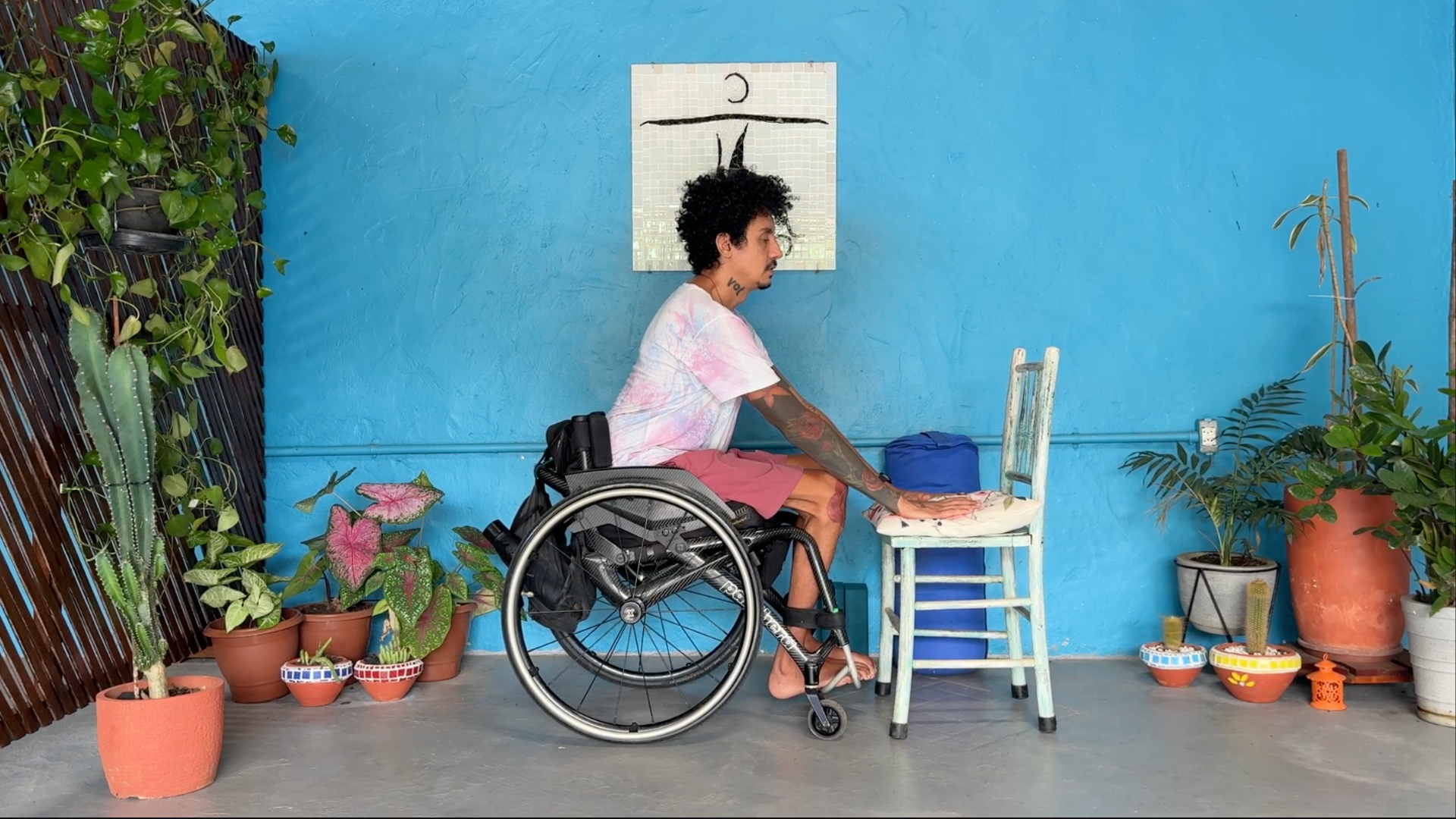
For adaptive athletes and individuals with physical disabilities—such as paraplegia—these philosophical tenets find profound physical expression. Standard yoga sequences often exclude wheelchair users or those with limited mobility. Adaptive chair yoga re-engineers these postures, utilizing everyday props like blocks, bolsters, and secondary chairs to make profound stretches, twists, and backbends universally attainable.
Chronology: A 20-Minute Guided Sequence for Optimism
Designed for practitioners of all mobility levels, a specialized 20-minute adaptive yoga sequence translates abstract philosophies of hope into concrete, physical sensations. Below is the chronological breakdown of the practice, demonstrating how movement can be tailored to any body.
Phase 1: Centering and Mental Visualization
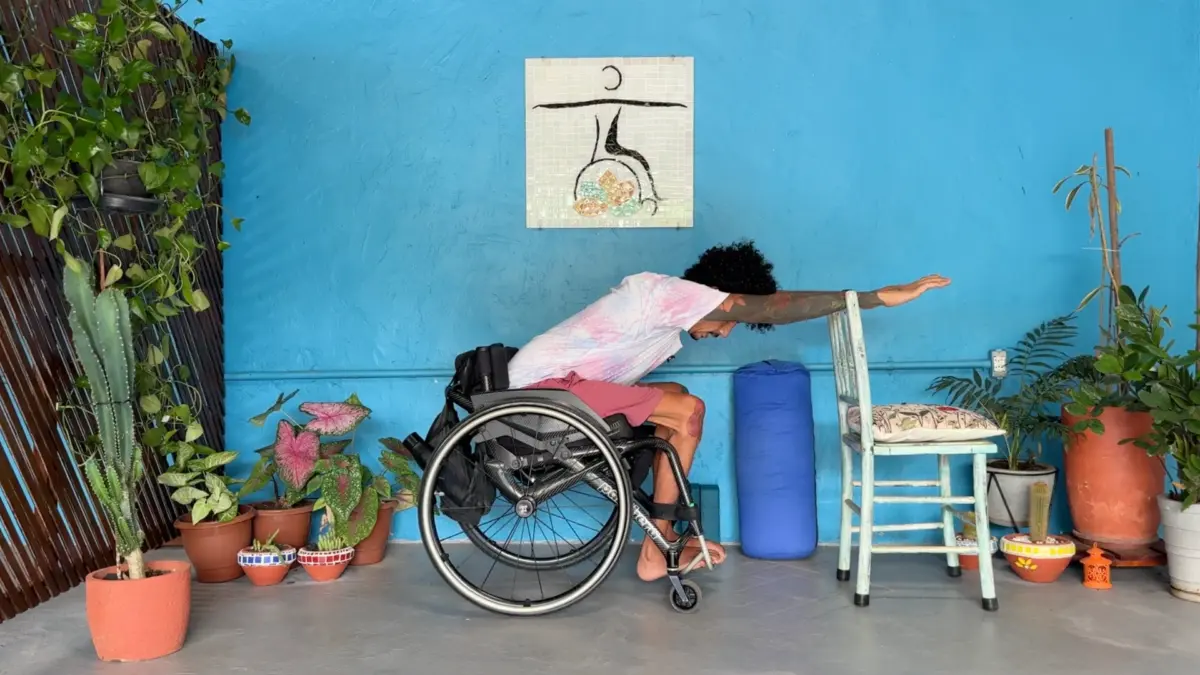
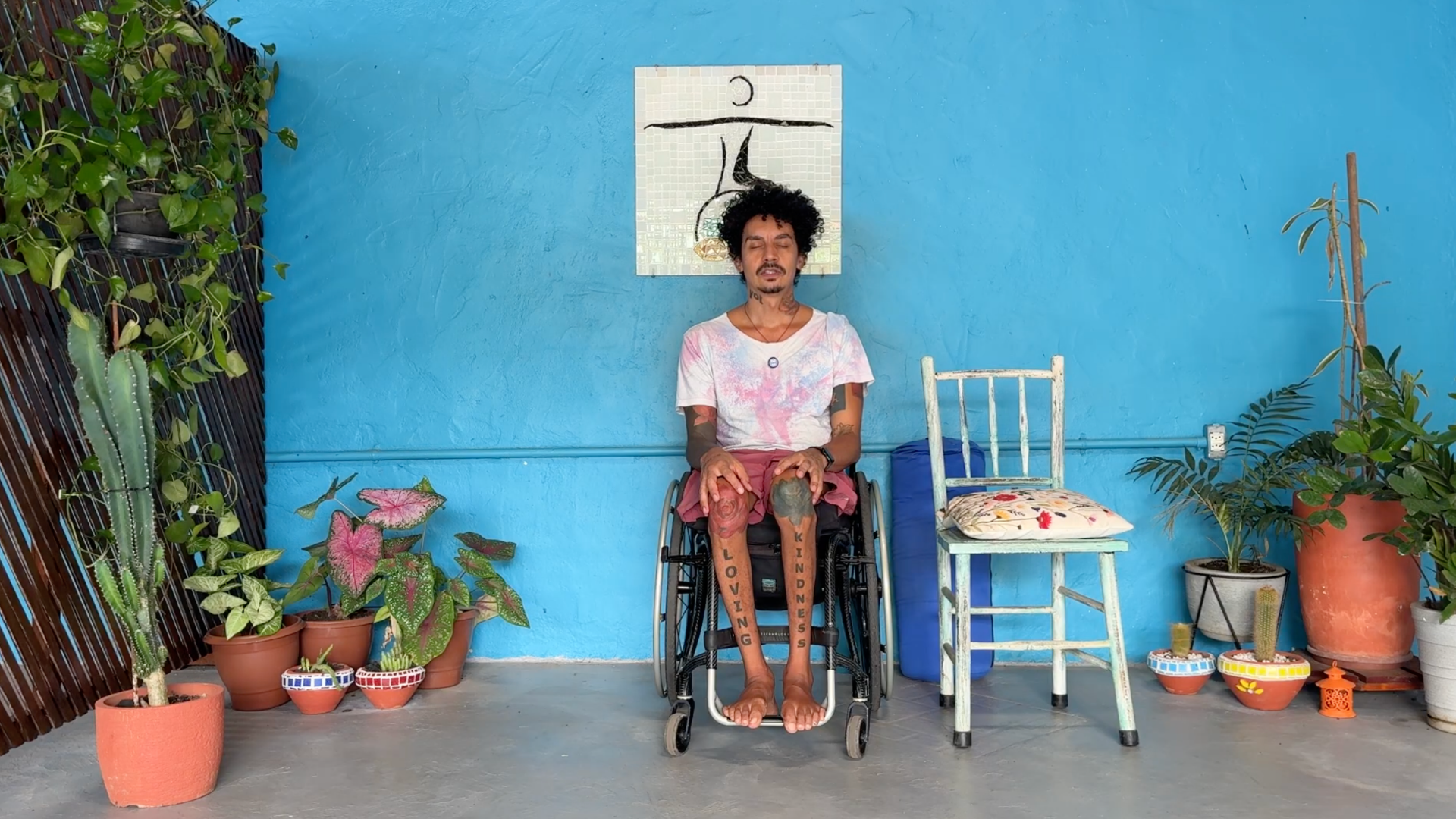
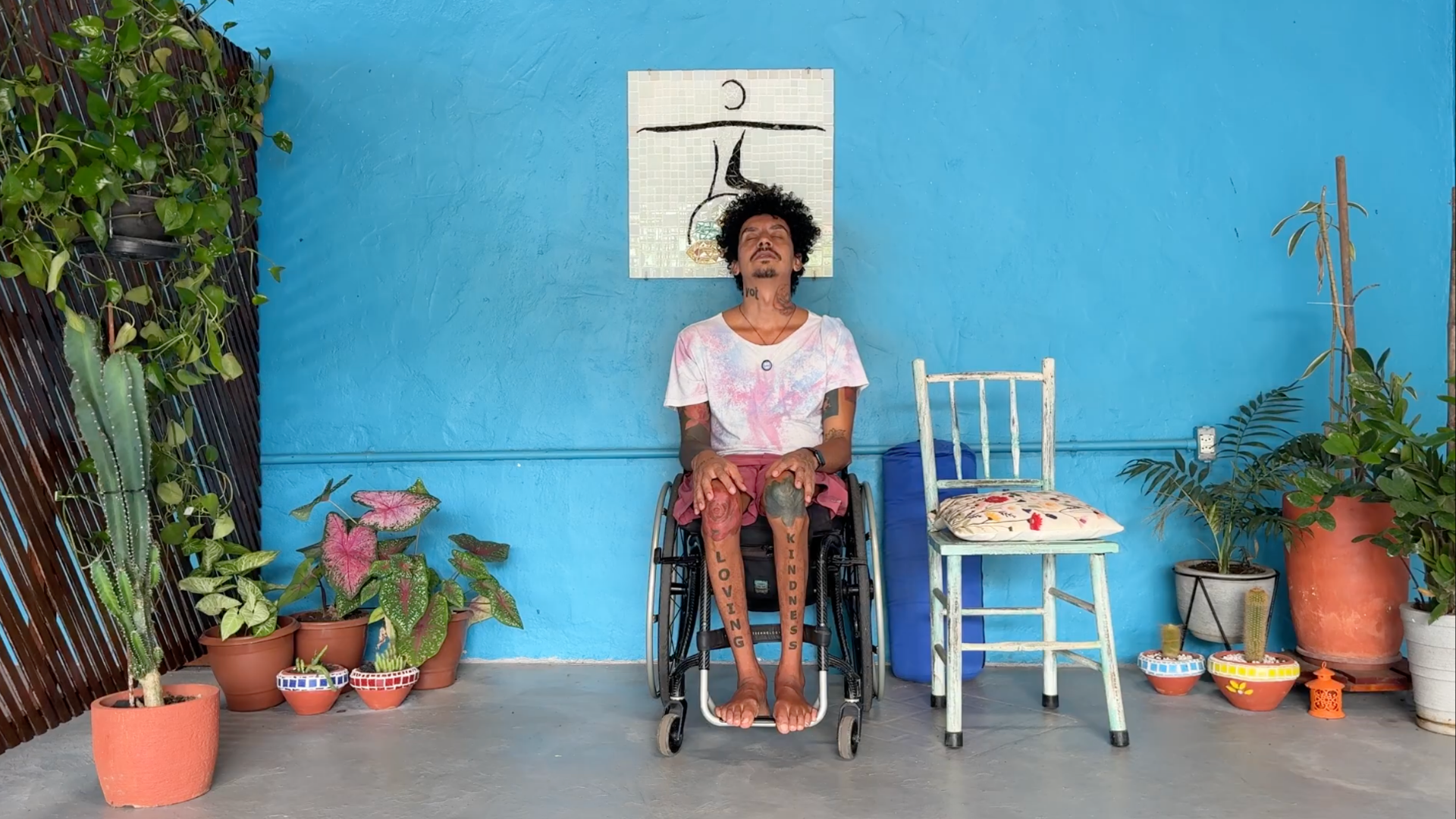
The practice begins in a seated Mountain Pose (Tadasana). Practitioners sit tall, elevate the sternum slightly, and soften the shoulders. Eyes are either closed or cast downward in a soft gaze.
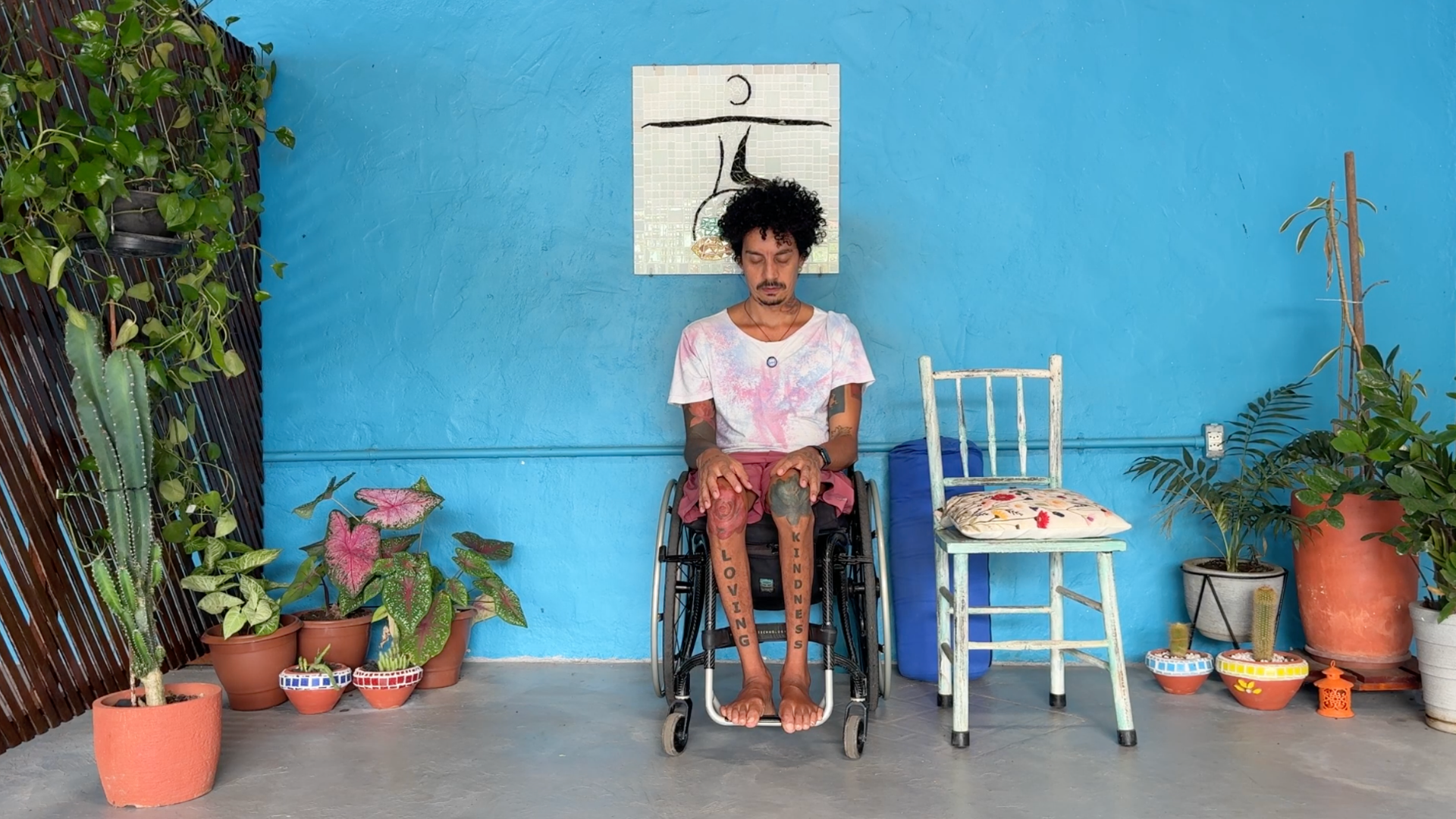
- The Action: Conscious breathing paired with a mental exercise. Practitioners recall a past moment of profound hope, visualizing a warming, glowing light.
- The Goal: To anchor the mind in the physical sensations of optimism, demonstrating that an internal state of peace remains accessible regardless of external circumstances.
Phase 2: Gentle Neck and Shoulder Mobility
Moving from stillness into gentle motion, the sequence introduces synchronized breathing.
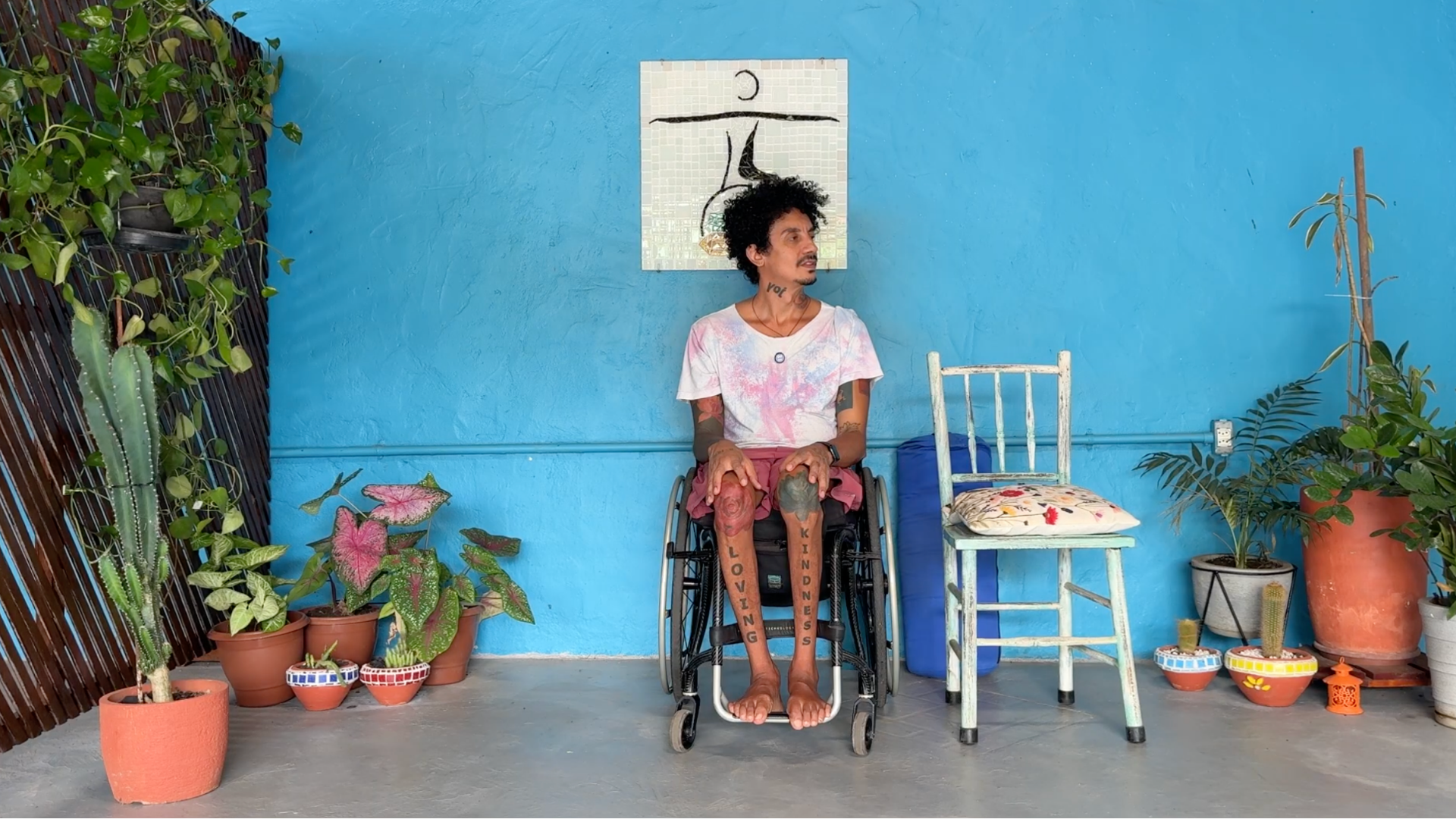
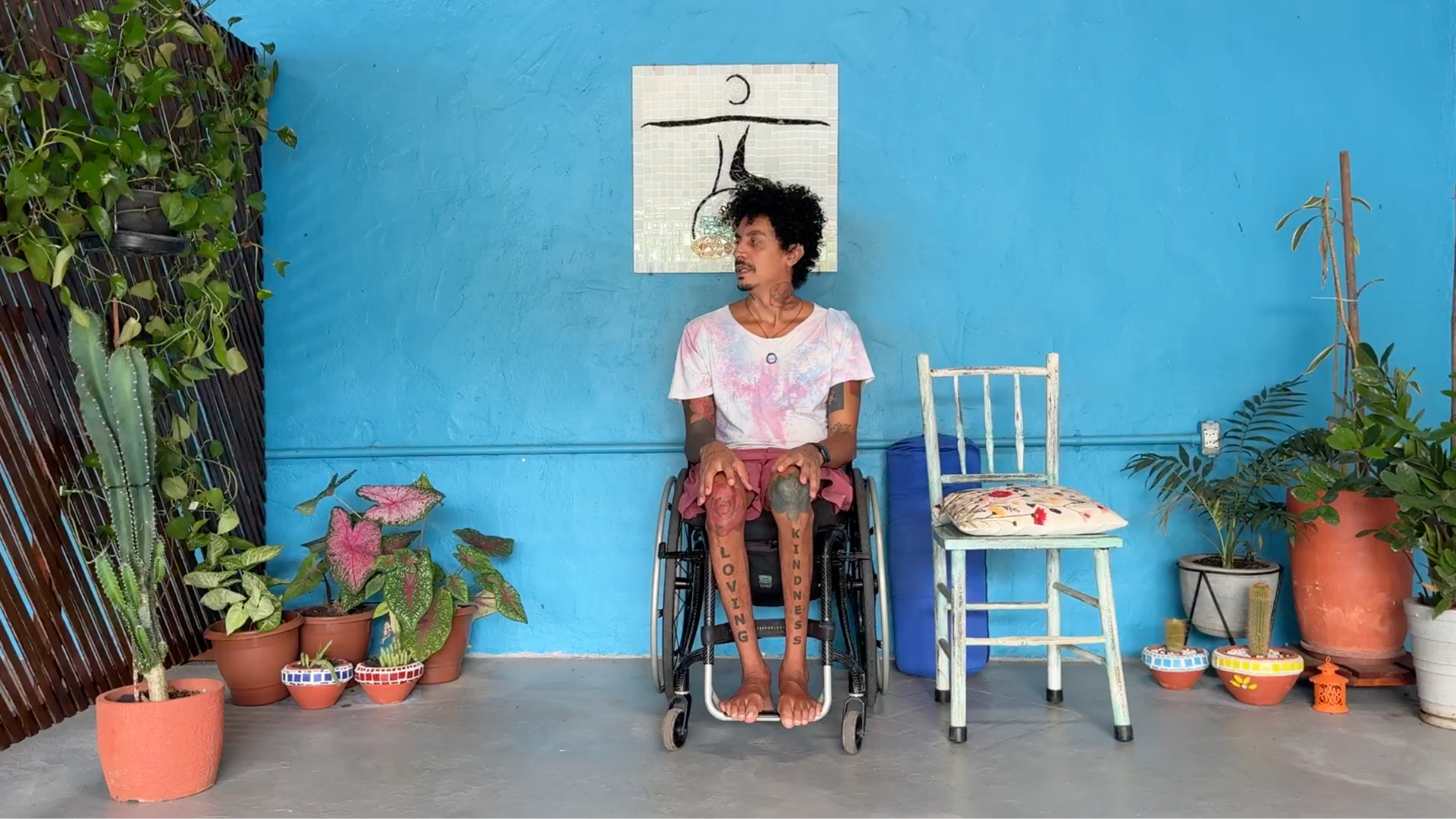
- Neck Stretches: Inhaling to gently tilt the chin toward the ceiling (without compromising the cervical spine), followed by a long, soft exhale as the chin drops toward the chest. This is repeated horizontally, gazing over the right and left shoulders.
- Shoulder Rotations: Three backward and three forward rotations to release tension, emphasizing individual adaptation (moving one shoulder at a time if necessary).
Phase 3: Accessible Downward-Facing Dog (Adho Mukha Svanasana)
Translating a foundational yoga posture into a seated or chair-supported format.
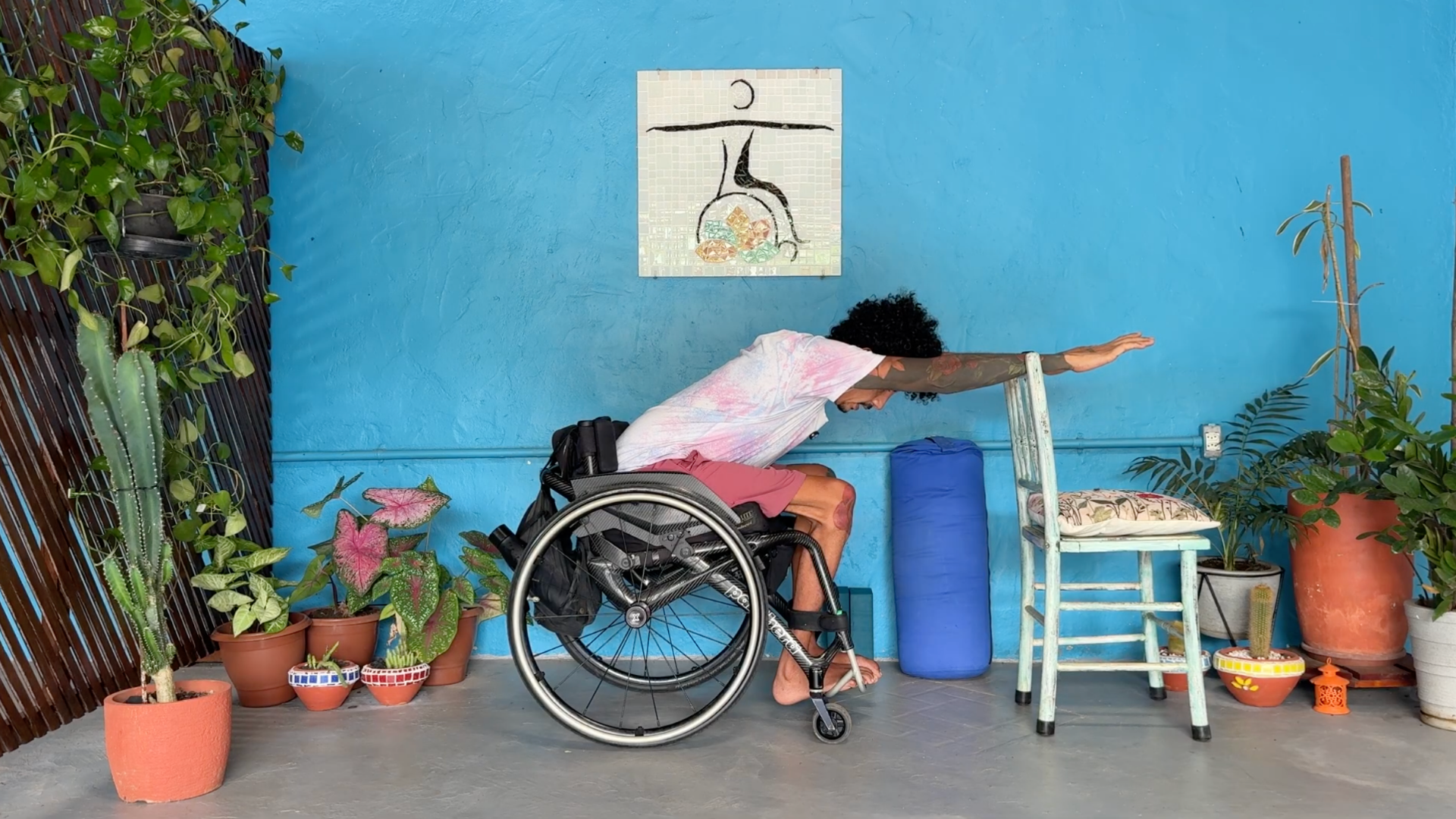
- The Setup: A second chair is placed in front of the practitioner. Hands rest shoulder-distance apart on the seat or backrest, fingers spread wide.
- The Execution: By walking the hands or leaning forward, the spine lengthens, and the practitioner presses their inner heels or footrests down while engaging the core. This creates a deep, safe spinal extension.
Phase 4: Seated Forward Fends and Twists (Janu Sirsasana & Paschimottanasana)
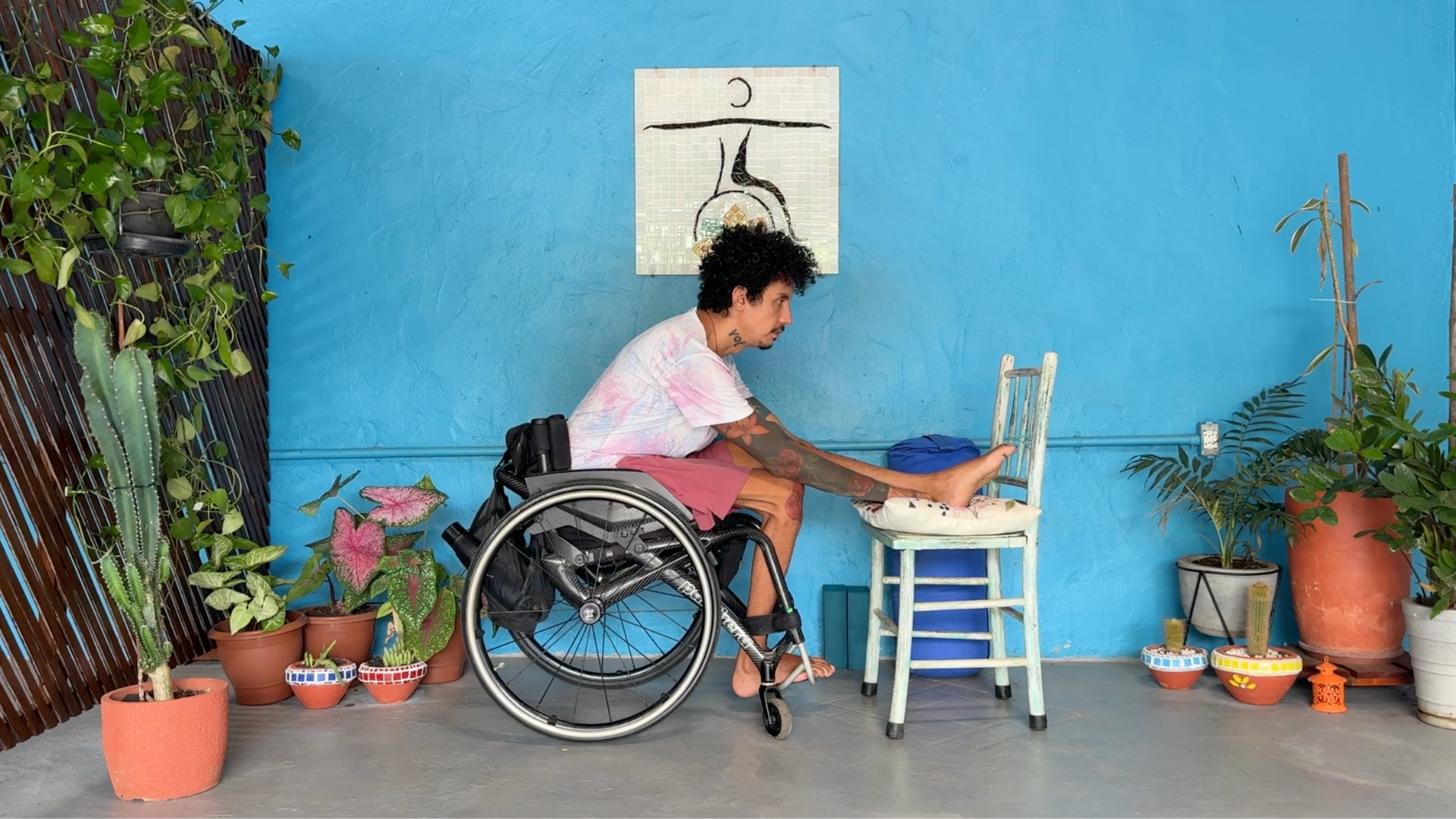
Particularly vital for wheelchair users or those who spend extended periods sitting, this phase targets leg and hip immobility safely.
- The Stretch: Extending one leg onto the opposite chair, folding forward from the hips (rather than the spine) to respect the principle of ahimsa (non-harming).
- The Twist: Pairing the forward fold with a gentle spinal twist—bringing the opposite hand to the outside of the knee while gazing over the shoulder—to detoxify and stimulate circulation.
Phase 5: Lateral Flexion and Backbending (Ustrasana)
- Side Bends: Utilizing blocks on an adjacent chair to support lateral movement, opening the side body and expanding the ribcage for deeper respiration.
- Seated Camel Pose: A supportive backbend utilizing two chairs. By walking the hands backward and broadening the chest, practitioners execute a heart-opening posture designed to evoke emotional and physical expansiveness.
Phase 6: Restorative Integration (Savasana & Balasana)
The practice concludes not lying flat on a mat, but in a supported Child’s Pose (Balasana).
- The Setup: A bolster or firm pillow is placed in front of the practitioner, sometimes supported by blocks near the wheelchair wheels.
- The Integration: Leaning forward to embrace the bolster symbolizes embracing an unknown future with grace. Deep, collective breaths release lingering physical tension, leaving the practitioner grounded in sustainable optimism.
Supporting Data & Observations
While traditional wellness discourse often treats mental health and physical fitness as distinct categories, modern somatic research validates the mind-body connection leveraged in adaptive yoga:
- Inclusivity in Wellness: According to recent health and fitness demographic reports, over 25% of adults in the United States live with a disability. Despite this, mainstream fitness media historically underrepresents adaptive modalities. Experts note that inclusive practices like chair yoga bridge a critical healthcare gap, reducing sedentary behavior among wheelchair users.
- Somatic Regulation: Controlled breathing combined with gentle spinal flexion and extension stimulates the vagus nerve, down-regulating the sympathetic nervous system (fight-or-flight) and activating the parasympathetic nervous system (rest-and-digest). This physiological shift directly counters the anxiety associated with uncertainty.
- The Principle of Adaptation: Instructors emphasize that yoga is not about bending the body to fit a pose, but bending the pose to fit the body. This philosophy fosters high adherence rates and builds psychological resilience among practitioners dealing with chronic conditions or mobility impairments.
Official Responses and Expert Perspectives
The philosophy championed by adaptive instructors challenges conventional notions of productivity, goal-setting, and optimism.
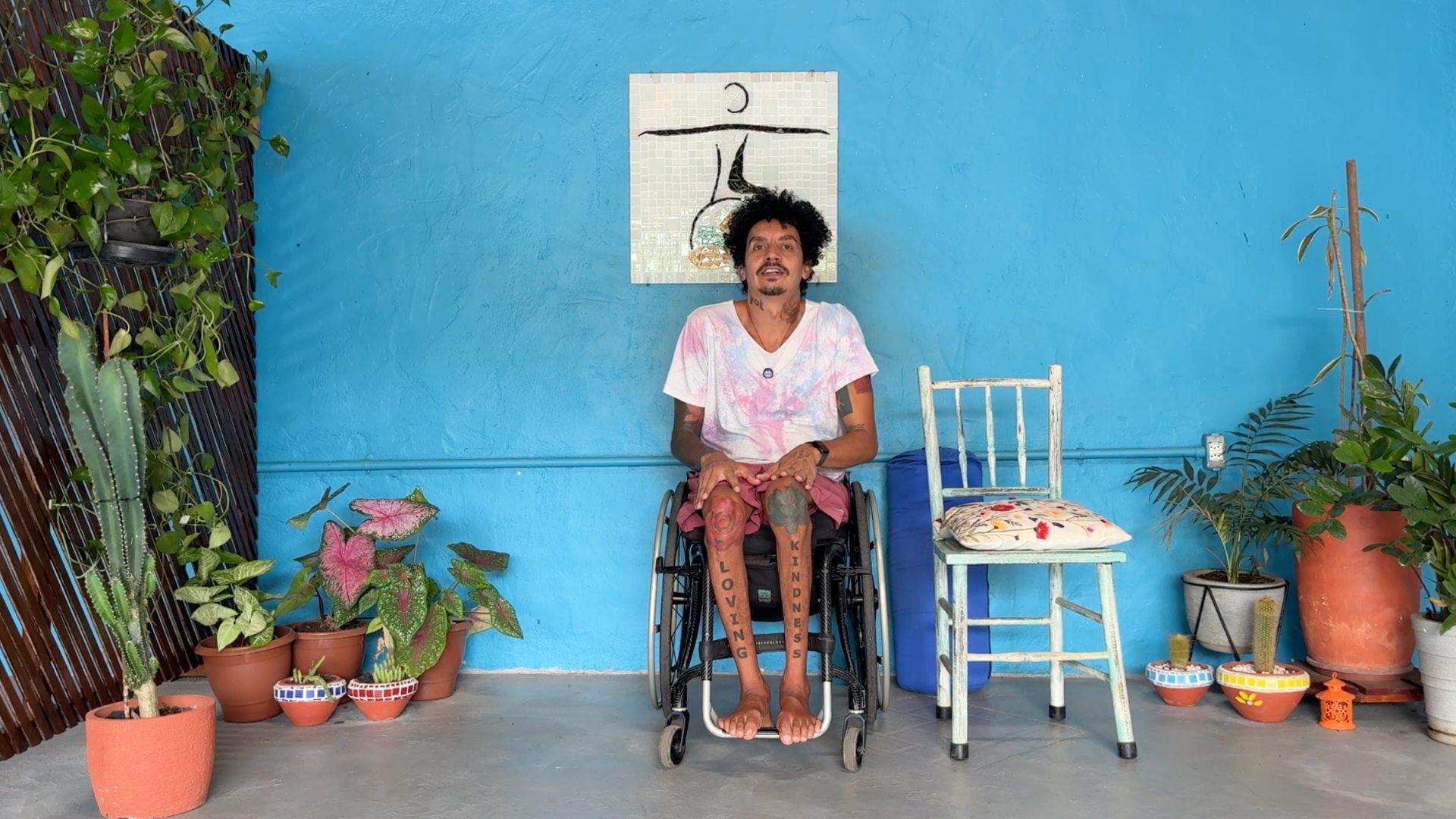
"Hope is easy to confuse with certainty," explains adaptive yoga pioneer Rodrigo Souza. "Many of us hope that life will unfold according to our plans. But yoga has taught me a different kind of hopefulness—one that does not require us to know what happens. It means remaining curious about what might still be possible."
Psychologists and physical therapists have increasingly endorsed adaptive movement as a vital tool for trauma recovery and chronic pain management. By shifting the internal dialogue from aesthetic achievement ("How does this pose look?") to somatic awareness ("How does this pose feel?"), patients develop a healthier relationship with their bodies.
Furthermore, community advocates highlight that adaptive yoga redefines public spaces. When fitness studios and online platforms normalize the use of chairs, blocks, and bolsters for all students—regardless of ability—it dismantles the stigma surrounding disability and highlights the universal vulnerability of the human condition.
Implications: Moving Forward Without Knowing the Way
The broader implications of adaptive chair yoga extend far beyond the boundaries of a 20-minute movement routine. In a world frequently polarized by crisis and instability, the lessons of abhyasa and vairagya offer a sustainable psychological framework:
- Redefining Success: By letting go of rigid end-goals, individuals can reduce chronic stress. Success is no longer defined by a specific career milestone or financial certainty, but by the courage to show up daily.
- Embodying Inclusivity: True societal progress requires physical and philosophical accessibility. Adaptive wellness proves that fitness is not a privilege reserved for able-bodied individuals, but a universal right that must be structurally redesigned to include everyone.
- Cultivating Active Hope: Hope ceases to be a naive wish for an easy life. Instead, it becomes a disciplined practice—a deliberate choice to meet today’s reality with enough awareness, compassion, and courage to construct a viable foundation for tomorrow.
As long as an individual is breathing, changing, and evolving, the personal and collective story remains unfinished. Through the mindful integration of breath, movement, and radical acceptance, adaptive yoga proves that even when the world outside feels entirely uncertain, peace and optimism can always be found within.
