

Published: August 31, 2026
Category: Health & Wellness / Yoga Practice
Main Facts
In the modern fitness and wellness landscape, functional movement and stability have taken center stage. Addressing this growing demand, renowned yoga instructor Kassandra Reinhardt has released a targeted, 15-minute standing balance sequence designed to test, challenge, and ultimately improve practitioners’ equilibrium. Published at the end of August 2026, the routine is structured vinyasa-style, seamlessly linking foundational yet demanding balance postures—including Warrior 3, Dancer, Eagle, and Tree poses—without extended mid-flow rests.
Unlike traditional static balance workouts that isolate postures, Reinhardt’s sequence relies on continuous movement and dynamic transitions to elevate the heart rate while cultivating deep neuromuscular engagement. Designed for yogis of varying experience levels who are eager to advance their practice, the 15-minute video routine emphasizes that wobbling and falling out of poses are natural parts of the learning process. Beyond the yoga mat, the sequence targets stabilizer muscles throughout the lower body and core, translating directly into enhanced physical coordination, posture, and spatial awareness in everyday life.
Chronology of the 15-Minute Sequence
To maximize the efficiency of a 15-minute window, Reinhardt’s routine minimizes preamble, diving straight into standing movements to quickly generate internal heat. Practitioners can elect to perform their own preferred warm-up stretches before pressing play, but the sequence itself is designed to build warmth organically from the very first pose.
Phase 1: Grounding and Dynamic Warm-Up
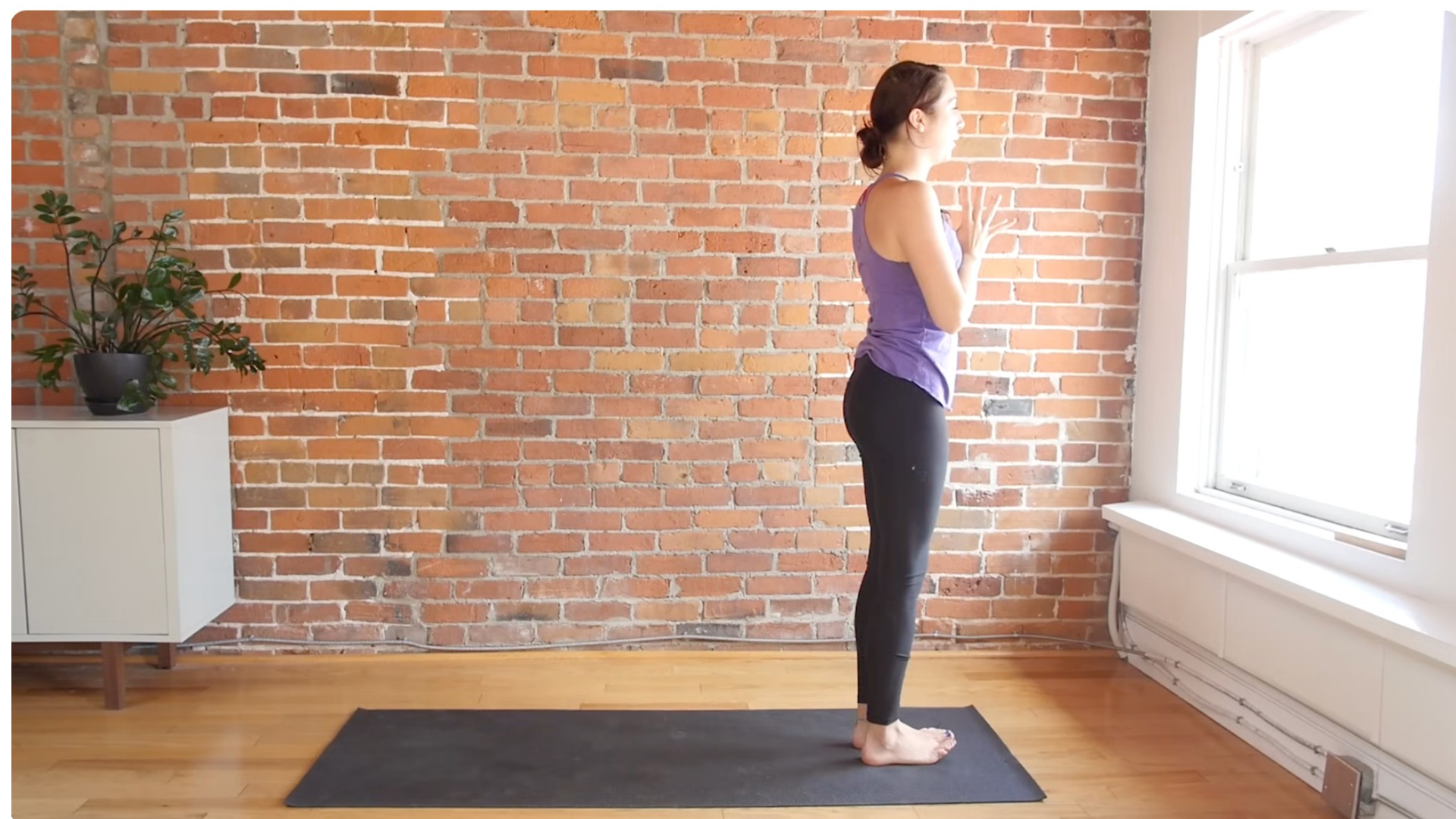
- Mountain Pose (Tadasana): The practice begins at the top of the mat. Practitioners toe-heel their feet together with big toes touching and heels separated by roughly an inch, establishing a solid baseline of axial alignment and grounding.
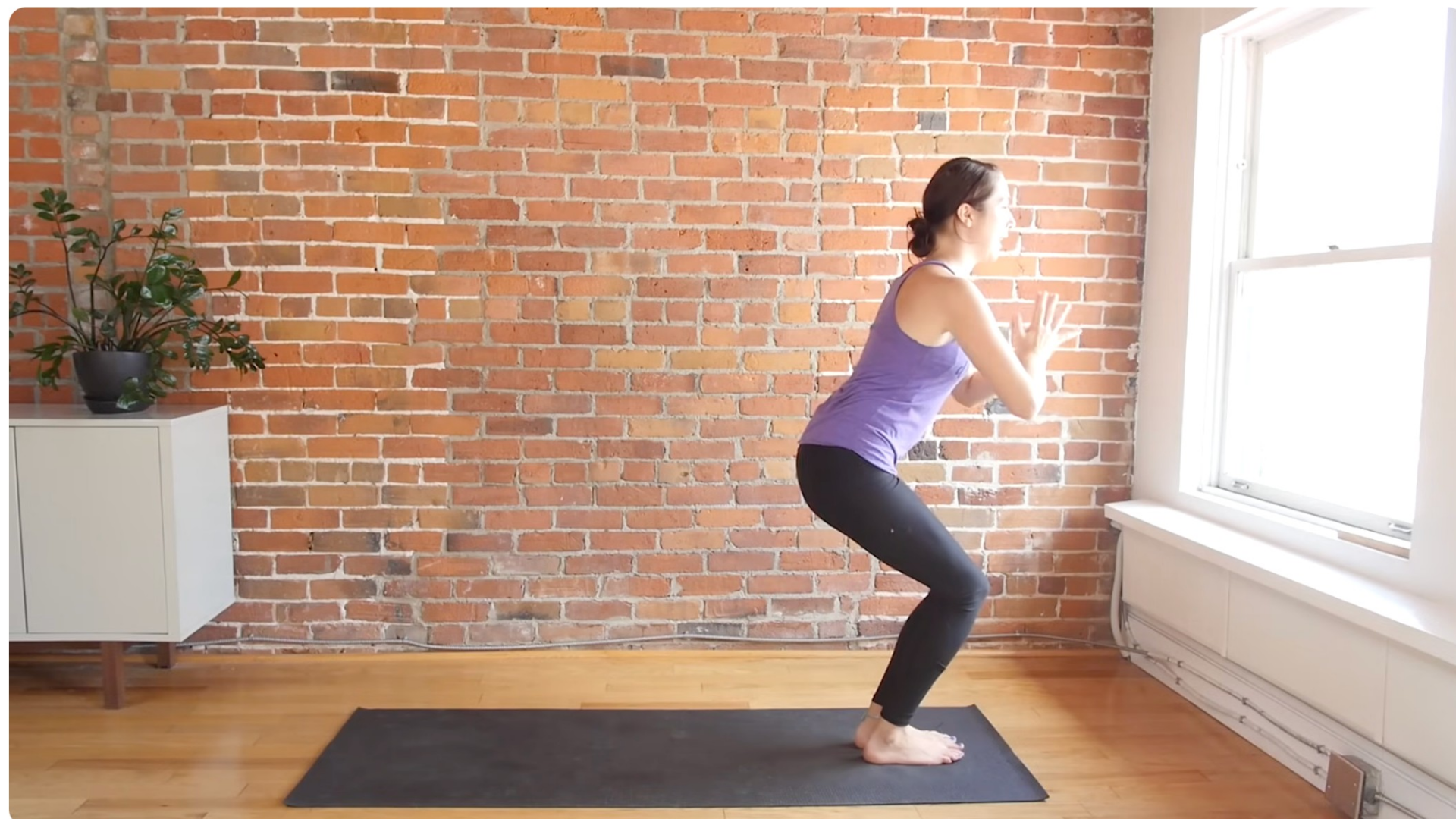
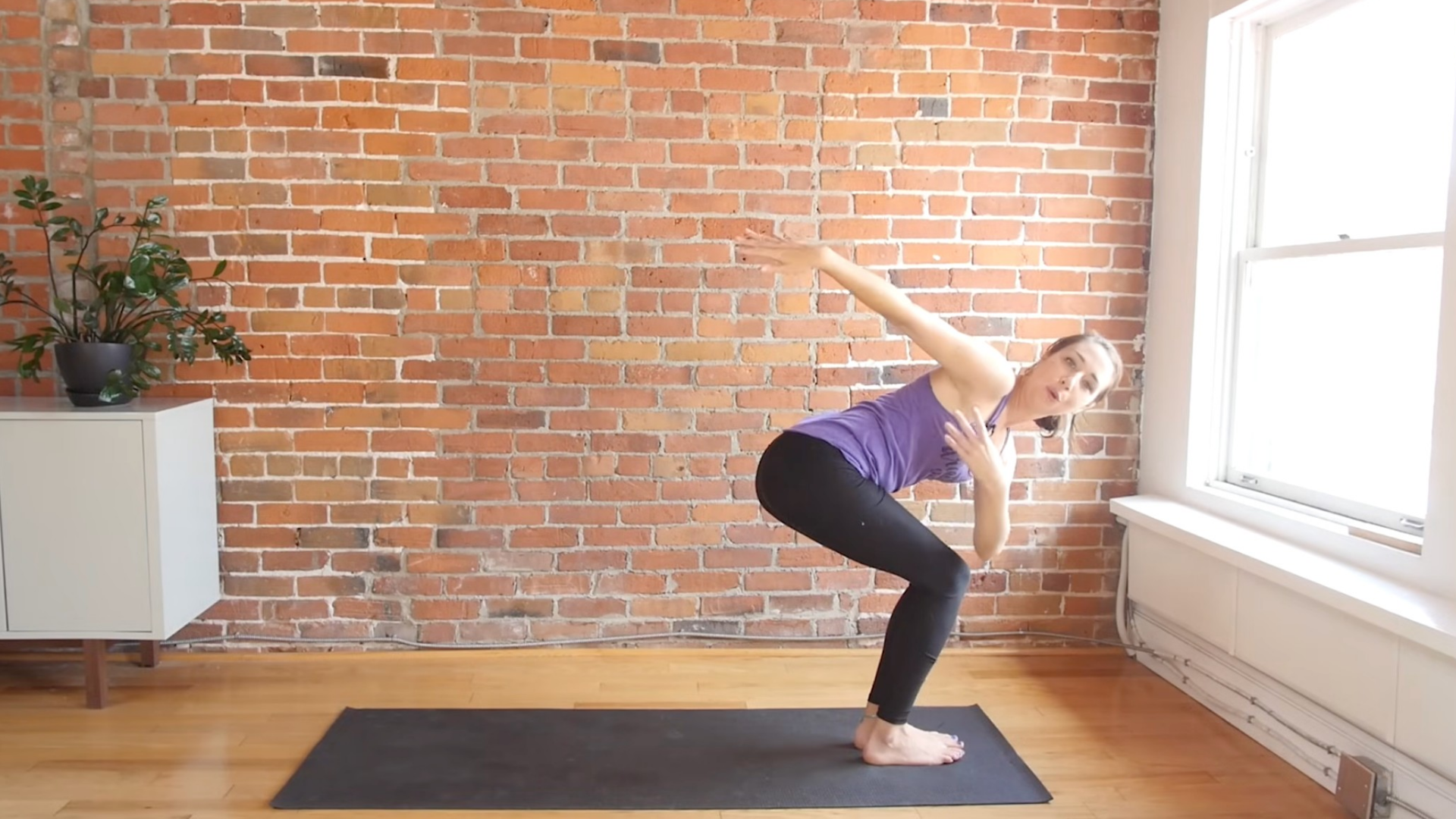
- Dynamic Chair Pose (Utkatasana): Bending the knees and sinking the hips back, practitioners lengthen the tailbone downward and draw the lower belly inward. Weight is shifted decisively into the heels rather than the balls of the feet. Inhaling brings the arms overhead, while exhaling initiates a dynamic series of twists to the right and left, keeping the knees pinned together to isolate the upper body rotation.
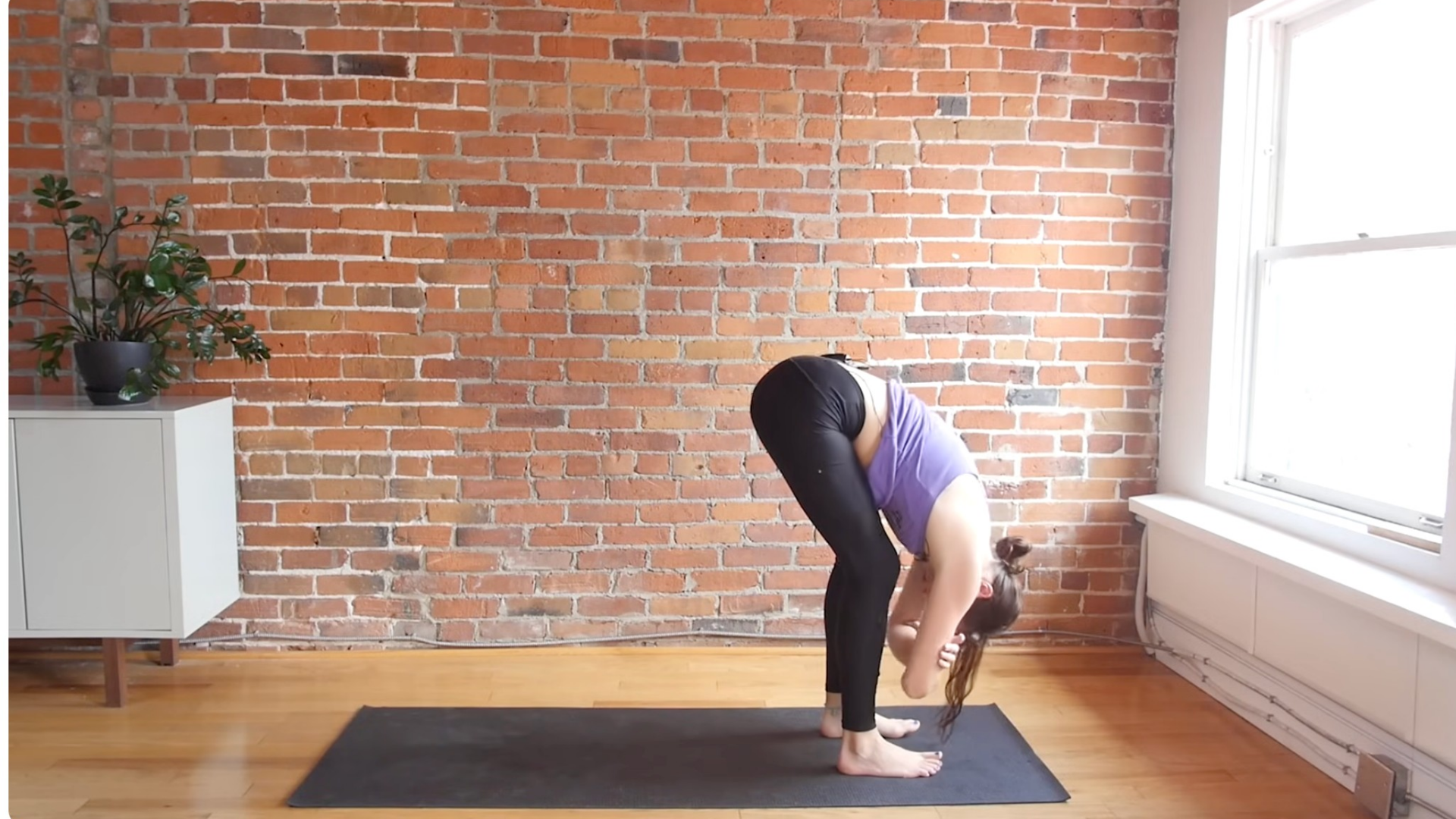
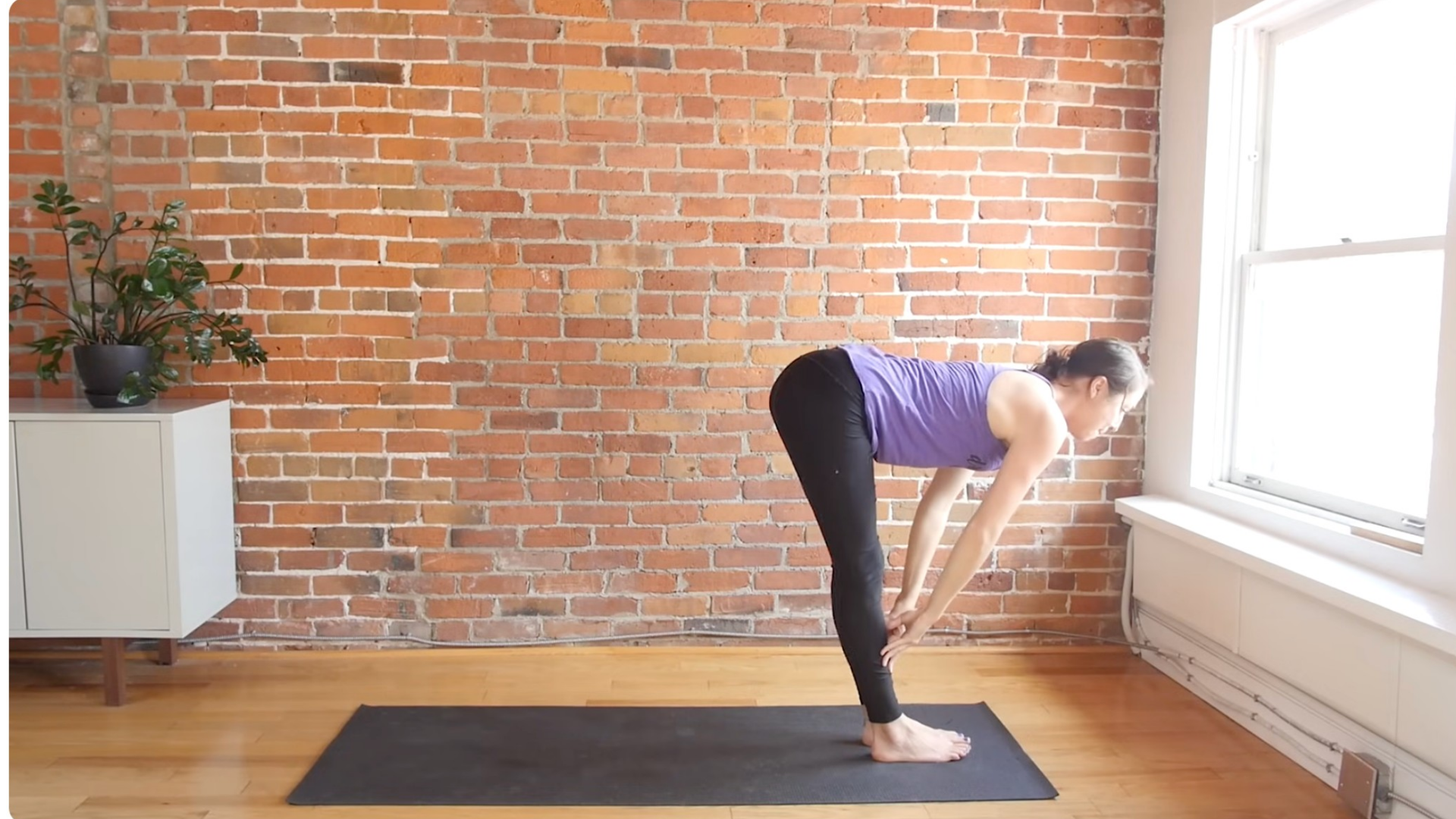
- Standing Forward Bend (Uttanasana) & Halfway Lift (Ardha Uttanasana): From Chair Pose, an exhalation folds the body forward over the legs, stretching the hamstrings. An inhalation then lifts the torso halfway with a flat back, creating length through the spine.
Phase 2: Building Heat Through Lunges
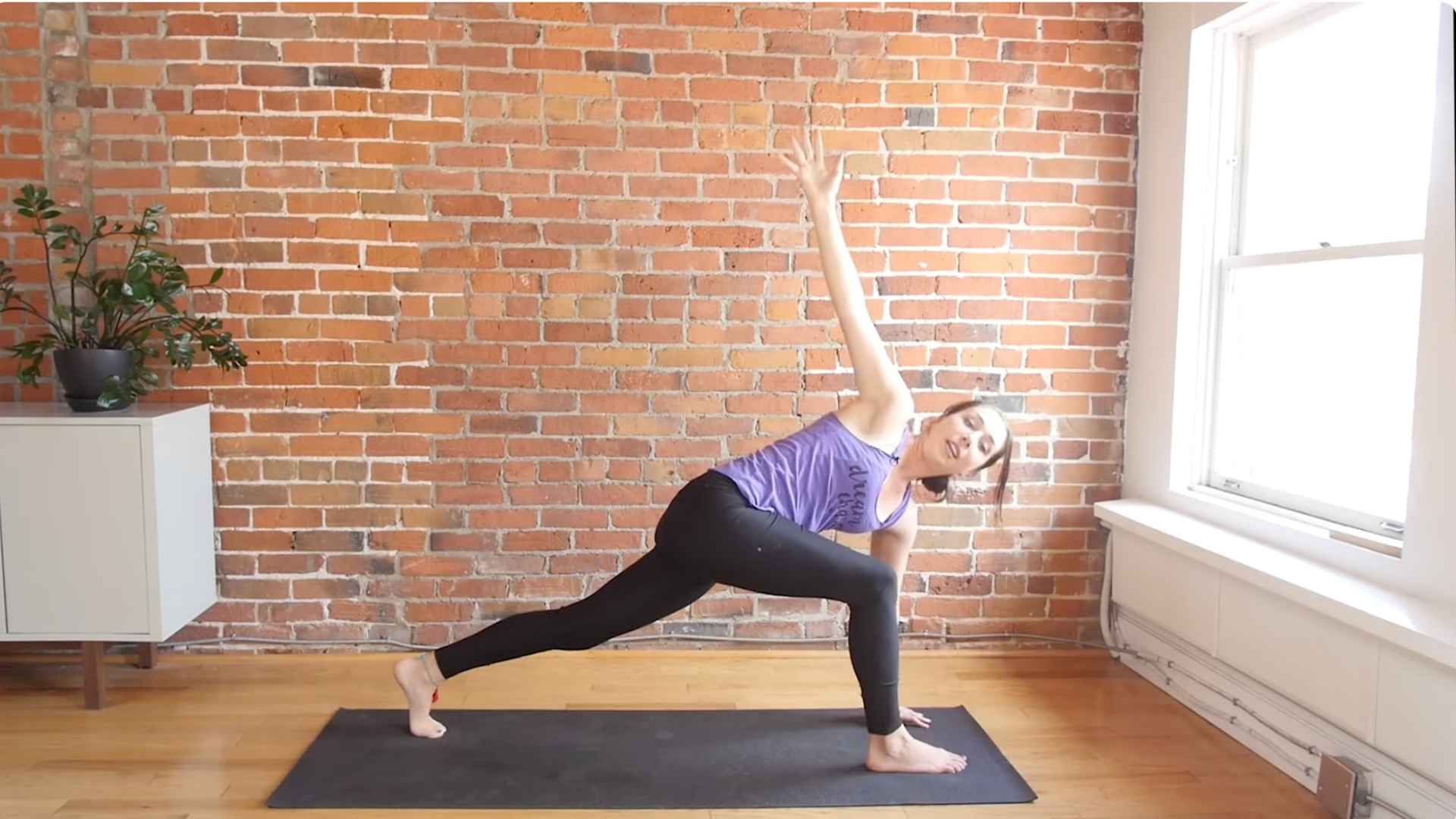
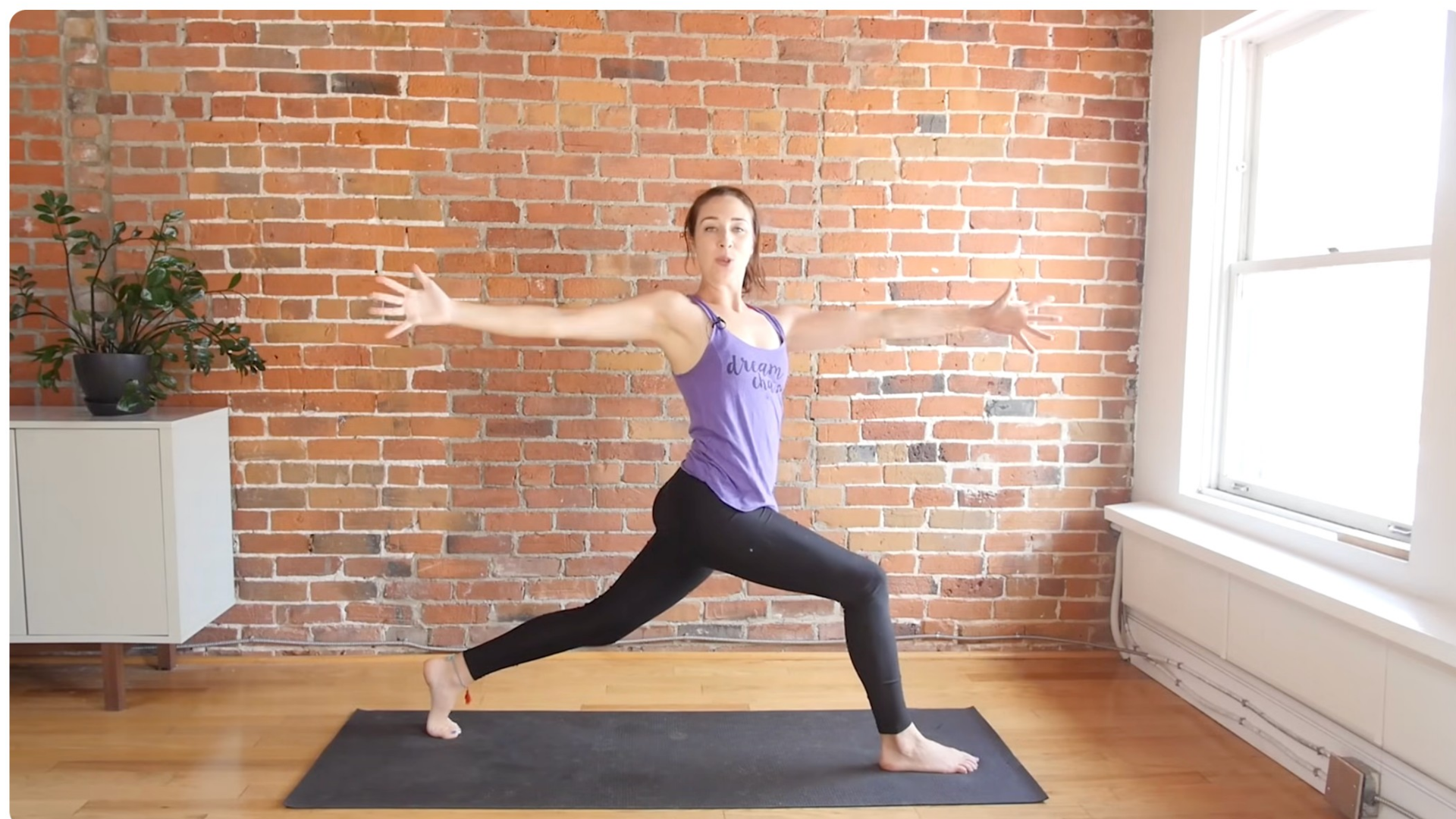
- Revolved Runner’s Lunge & Revolved High Lunge: Palms or fingertips drop to the mat as the left foot steps backward into a Runner’s Lunge, keeping the back knee elevated. An easy twist opens the chest as the right arm reaches toward the ceiling. Pushing down through the right big toe, the practitioner transitions up into a Revolved High Lunge. For an advanced balance challenge, the right hand can bind to the left thigh while the left arm reaches upward in a lateral side stretch.
Phase 3: The Primary Balance Circuit (Right Side)
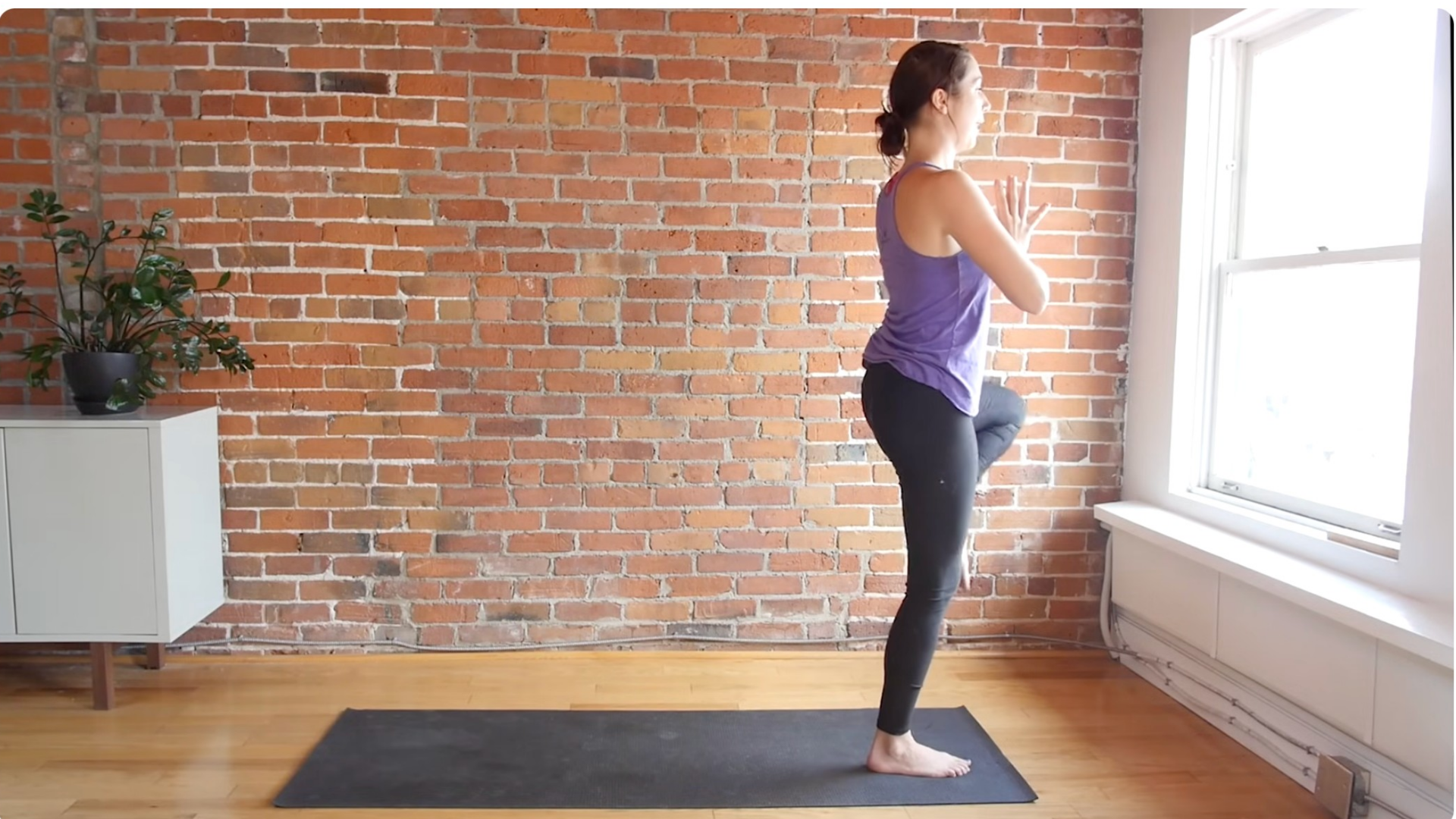
- Tree Pose (Vrksasana): Transitioning to face forward, hands move to the heart center. Weight shifts entirely into the right foot, while the left foot is placed along the inner right leg (at the ankle, shin, or thigh). The right thigh actively presses against the left foot to engage the midline.
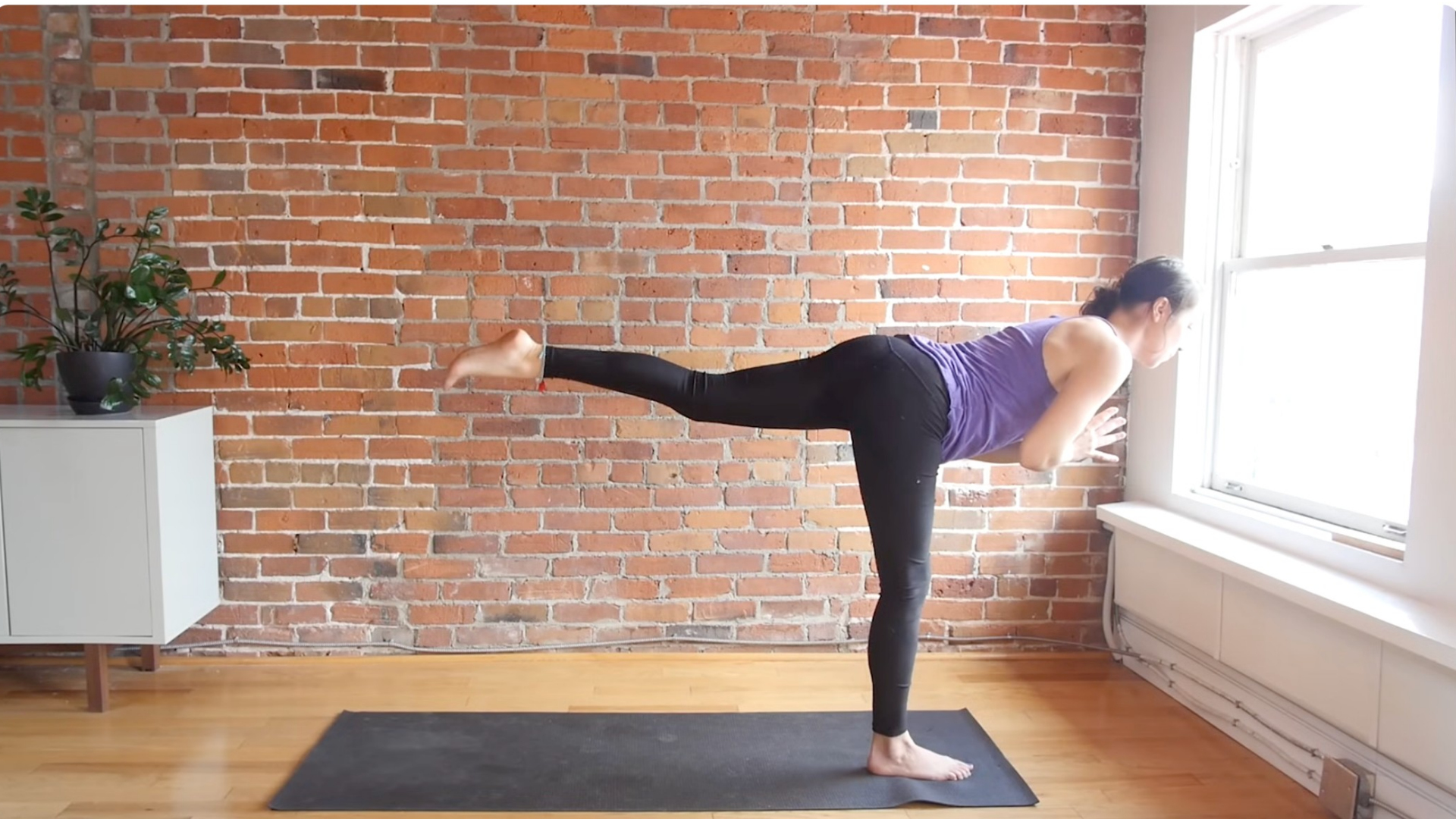
- Warrior 3 (Virabhadrasana III): From Tree Pose, the left knee floats straight forward before extending directly backward as the chest hinges forward into Warrior 3. The left hip is internally rotated slightly downward through active engagement of the left glute.
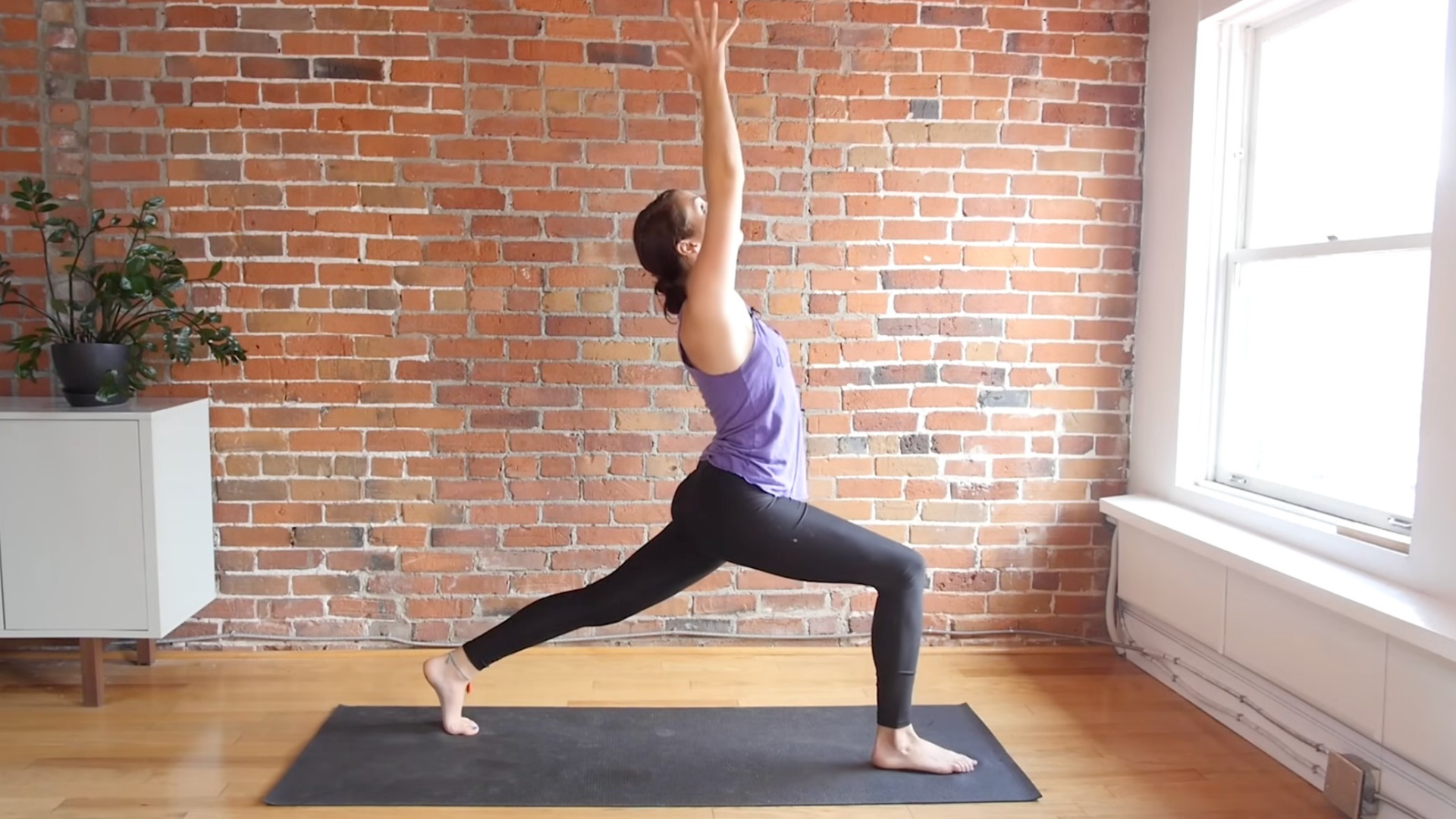
- High Lunge & Vinyasa Reset: Bending the standing right knee, the left foot steps back into a traditional High Lunge with arms overhead. Hands then sweep to the mat to flow through Plank Pose, lowering into Cobra Pose, and pressing back into Downward-Facing Dog to reset the spine and hamstrings.
Phase 4: Symmetrical Execution and Advanced Balancing
After executing the first half of the sequence on the right side, practitioners roll up to standing and repeat the entire block—from Chair Pose through Downward-Facing Dog—on the left side. Once symmetry is achieved, the routine introduces its most complex peak balance postures:
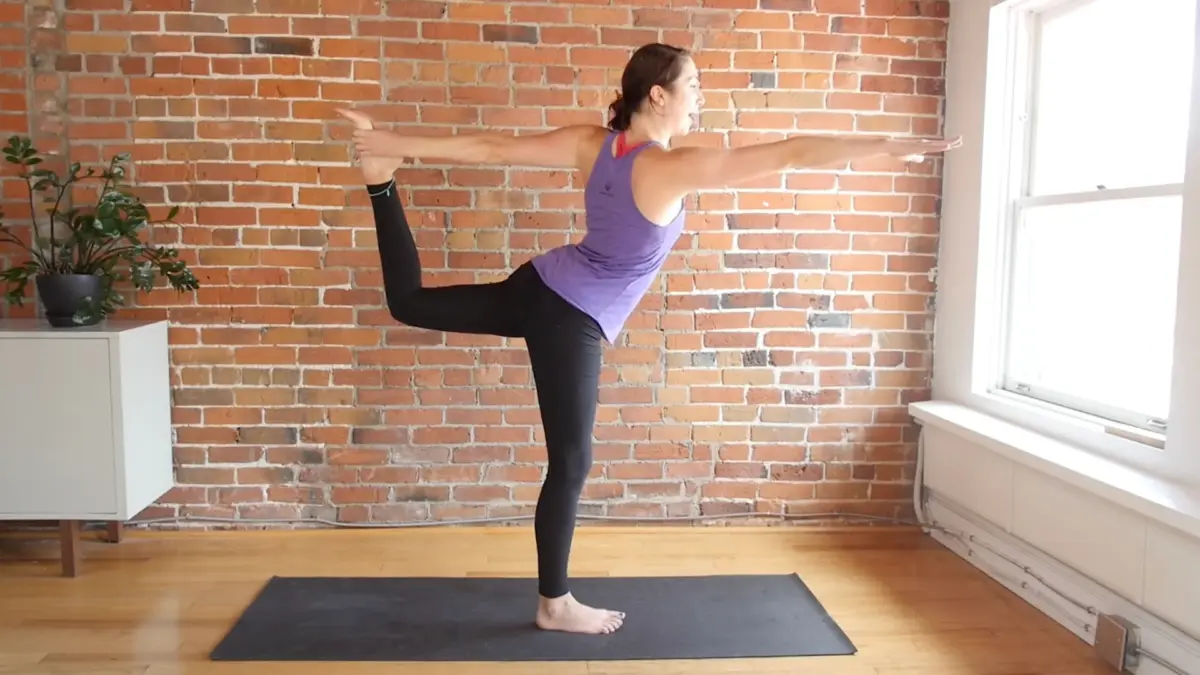
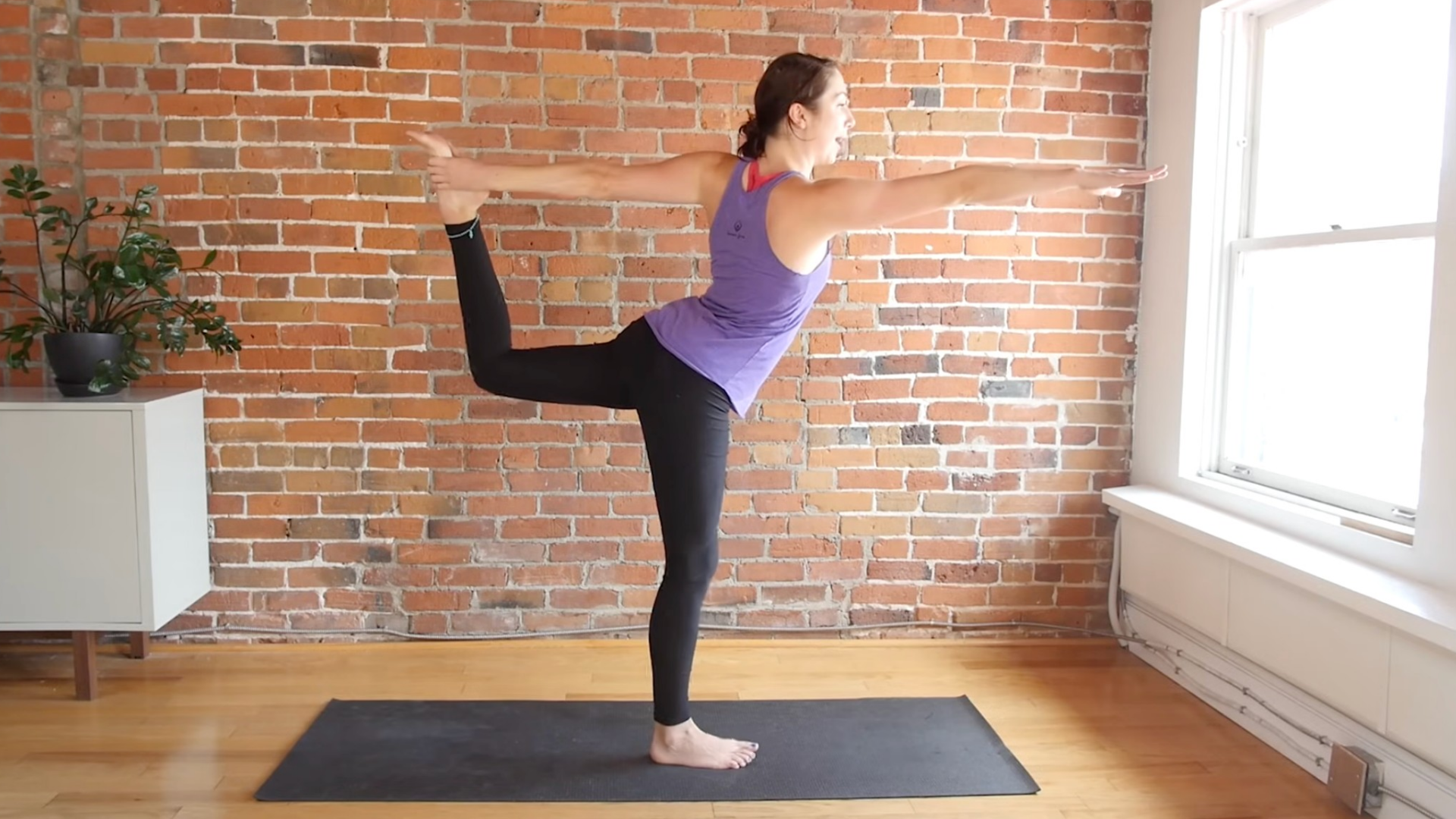
- Dancer Pose (Natarajasana): Emerging from Down Dog back to the top of the mat, weight shifts into the right foot. The left knee bends, and the left hand catches the inner edge of the left foot. Standing tall, the practitioner kicks the foot into the palm to elevate the back leg while keeping the chest relatively lifted.
- Eagle Pose (Garudasana): The left thigh crosses tightly over the right, with toes potentially looping behind the calf or resting on the floor for support. The left arm wraps under the right at the elbows, and the practitioner sinks deep into the standing leg before unwinding and switching sides.
Phase 5: Cool-Down and Integration
- Reclined Twist & Savasana: The practice transitions to the floor with a soothing Reclined Twist to release the spine, followed by Corpse Pose (Savasana). Practitioners are encouraged to remain still for at least ten breaths, allowing the nervous system to absorb the work before sealing the practice with a mindful seated breath.
Supporting Data: The Mechanics of Balance Training
The scientific rationale behind Reinhardt’s routine is rooted in neuromuscular efficiency and proprioception—the body’s ability to sense its location, movements, and actions in space. Balance is not a static trait; it is a complex motor skill controlled by the central nervous system, which continuously processes signals from the vestibular system in the inner ear, visual cues, and proprioceptors located in the joints and muscles.
Research in exercise physiology highlights several key benefits of integrating dynamic, vinyasa-style balance sequences into weekly fitness regimens:
- Core and Stabilizer Activation: Poses like Tree, Warrior 3, and Dancer force the intrinsic muscles of the feet, ankles, calves, and hips to fire continuously. Unlike machine-based gym workouts that fix a user’s range of motion, free-standing yoga requires micro-adjustments that strengthen neglected stabilizer muscles.
- Proprioceptive Enhancement: By linking poses consecutively without resting breaks, the nervous system adapts to fatigue. This challenges the brain to maintain spatial awareness even when energy reserves are depleted, translating directly to injury prevention and stability in older adults and athletes alike.
- Mind-Body Focus: Balancing postures demand undivided mental attention. The cognitive load required to hold a steady gaze (drishti) and control the breath helps down-regulate the sympathetic nervous system, lowering cortisol levels while improving mental clarity and stress resilience.
Official Perspectives and Expert Commentary
While fitness trends often lean toward high-intensity interval training (HIIT) or heavy resistance work, movement specialists increasingly advocate for dedicated balance training as a cornerstone of longevity.
Physical therapists and yoga educators note that routines like Reinhardt’s address a common blind spot in modern fitness: the sagittal plane is often well-exercised, but rotational stability and single-leg strength are frequently neglected. By incorporating twists in Chair Pose and Revolved High Lunge alongside single-leg balance demands, the sequence trains the body to manage rotational forces safely.
Furthermore, Reinhardt’s instructional approach destigmatizes failure on the mat. By explicitly reminding practitioners that "wobbling is totally fine" and "falling out of the pose is also perfectly okay," the instructor helps mitigate performance anxiety. In therapeutic and educational yoga settings, this psychological safety is viewed as essential; when practitioners stop fearing the fall, they are more willing to test their limits, which ultimately accelerates neuromuscular adaptation and real-world balance gains.
Implications for Daily Life and Long-Term Health
The practical applications of a 15-minute balance routine extend far beyond mastering advanced yoga shapes. In everyday life, robust balance and core stability are vital for functional independence, particularly as individuals age.
- Injury Prevention: Falls are among the leading causes of injury across all demographics. Strengthening the ankles, knees, and hips through routines like Reinhardt’s drastically reduces the likelihood of ankle sprains, knee instabilities, and hip trauma resulting from unexpected slips or trips.
- Posture and Alignment: Prolonged periods of sitting—common in contemporary desk jobs—can lead to hip flexor tightness, gluteal amnesia, and rounded shoulders. Poses such as Mountain, Cobra, and High Lunge counteract these postural defaults by opening the front body and strengthening the posterior chain.
- Accessibility and Time Efficiency: In a fast-paced society, carving out an hour for a fitness class can be a barrier to entry. A high-density, 15-minute routine proves that profound physical and mental benefits can be achieved in a compact timeframe, making daily wellness achievable for busy professionals, parents, and students.
Ultimately, Kassandra Reinhardt’s balance sequence serves as both a physical challenge and a moving meditation. By teaching practitioners how to breathe through instability on the mat, the routine equips them to navigate the unpredictable physical and mental shifts of daily life with grace, poise, and unshakeable inner strength.
