

Published October 7, 2026
In an era defined by prolonged sitting, remote work setups, and high-stress lifestyles, physical tension tends to settle quietly into some of the body’s most heavily utilized muscle groups. Among the most commonly overlooked areas holding onto chronic stress are the glutes. While standard fitness routines often prioritize glute strengthening—such as through squats, thrusts, and lunges—very rarely do individuals dedicate equal time to lengthening and decompressing these powerful muscles.
Certified yoga instructor Taylor Lorenz, widely known online as Taylor’s Tracks and boasting over 800 hours of specialized training in vinyasa, hatha, and yin yoga, aims to change that narrative. Lorenz has introduced a targeted, 10-minute yin yoga sequence specifically engineered to target stubborn glute tension. By drawing direct awareness to the gluteal muscles rather than treating them as an afterthought, practitioners can unlock a profound release that cascades upward into the hips and lower back, ultimately improving posture and overall alignment.
Main Facts: The Anatomy of Glute Tension and Yin Yoga
The human gluteal region is comprised of three primary muscles: the gluteus maximus, medius, and minimus. Together, they are responsible for stabilizing the pelvis, rotating the thigh, and propelling the body forward. However, because modern life requires humans to sit for hours at a time, these muscles remain in a shortened, inactive state for prolonged periods, leading to tightness, inhibited blood flow, and compensatory strain in the lower back and hamstrings.
Traditional dynamic stretching often fails to penetrate these deeper muscle layers. This is where yin yoga proves uniquely effective. Unlike active, muscle-building styles of yoga, yin yoga relies on passive, long-held floor poses targeting the deep connective tissues—fascia, ligaments, and tendons—rather than just superficial muscle fibers.
By holding shapes for one to three minutes at a time, practitioners allow the nervous system to relax, signaling the deep tissues to hydrate, lengthen, and let go. According to Lorenz, once the body stops compensating for tight glutes, structural alignment naturally improves, enabling individuals to stand taller and move with greater ease.
Chronology of the Practice: A Step-by-Step 10-Minute Flow
Lorenz’s routine is structured to gently ease the body from mobility warm-ups into deep, passive holds, concluding with restorative grounding postures. To maximize comfort during extended holds, practitioners are advised to keep props—such as yoga blocks, cushions, or household pillows—nearby. While mild discomfort is a normal part of yin yoga as tissues begin to open, sharp pain, strain, or intense tension should be avoided entirely.
Phase 1: Awakening the Body
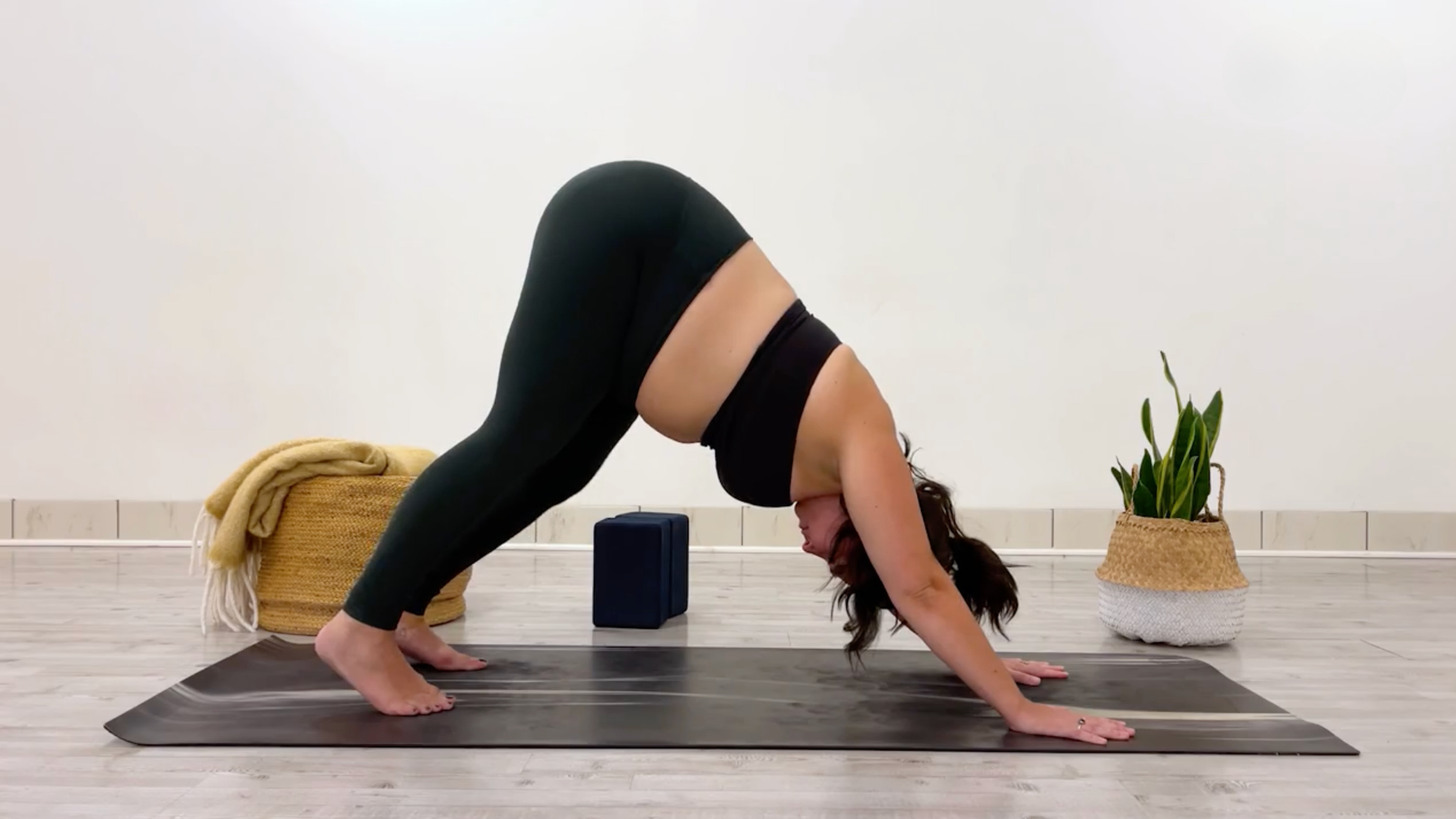
- Tabletop or Downward-Facing Dog: The practice begins on hands and knees in a neutral Tabletop position. Practitioners can choose to remain here to center their breathing or curl their toes under, pressing the hips up and back into Downward-Facing Dog (Adho Mukha Svanasana) to gently awaken the shoulders, spine, and hamstrings.
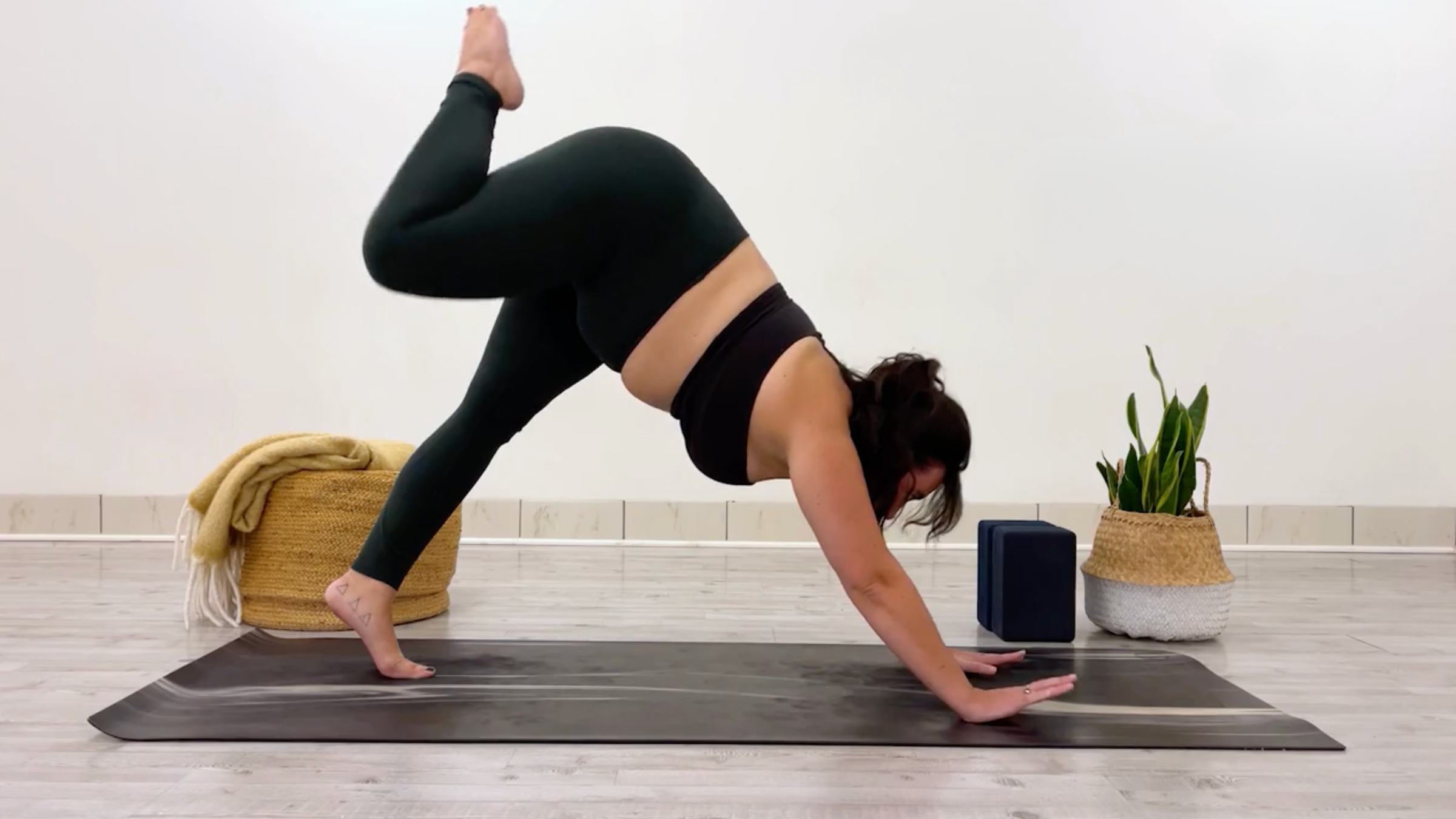
- Three-Legged Dog: From Downward-Facing Dog, the right leg sweeps up and back. Bending the right knee opens the hip socket, introducing the first direct stretch to the right glute and outer hip.
Phase 2: Deep Hip and Glute Openers
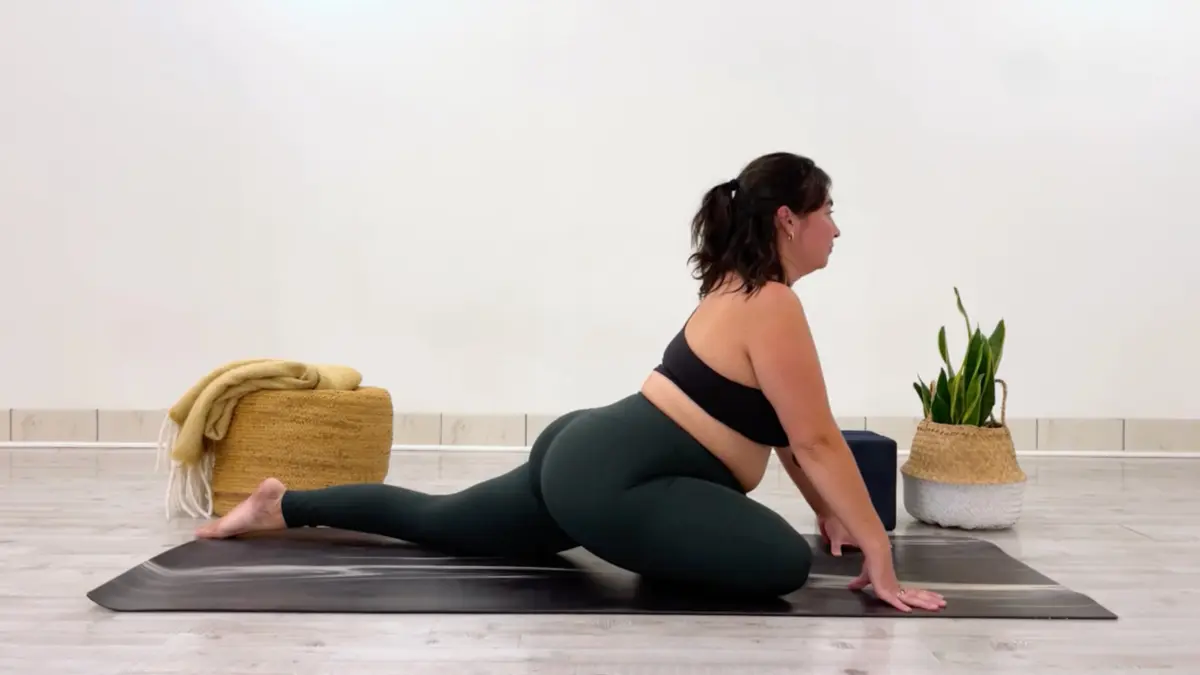
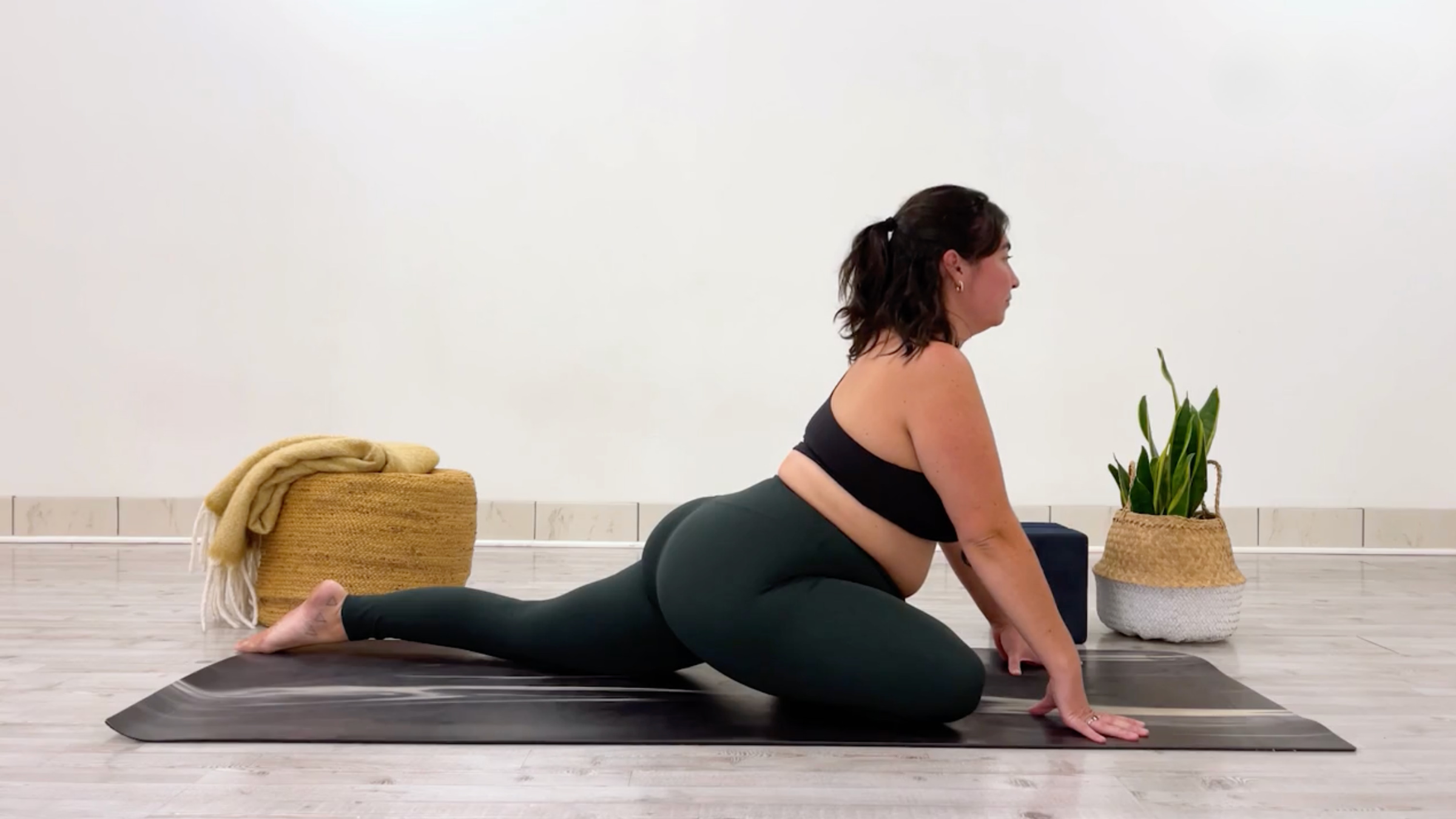
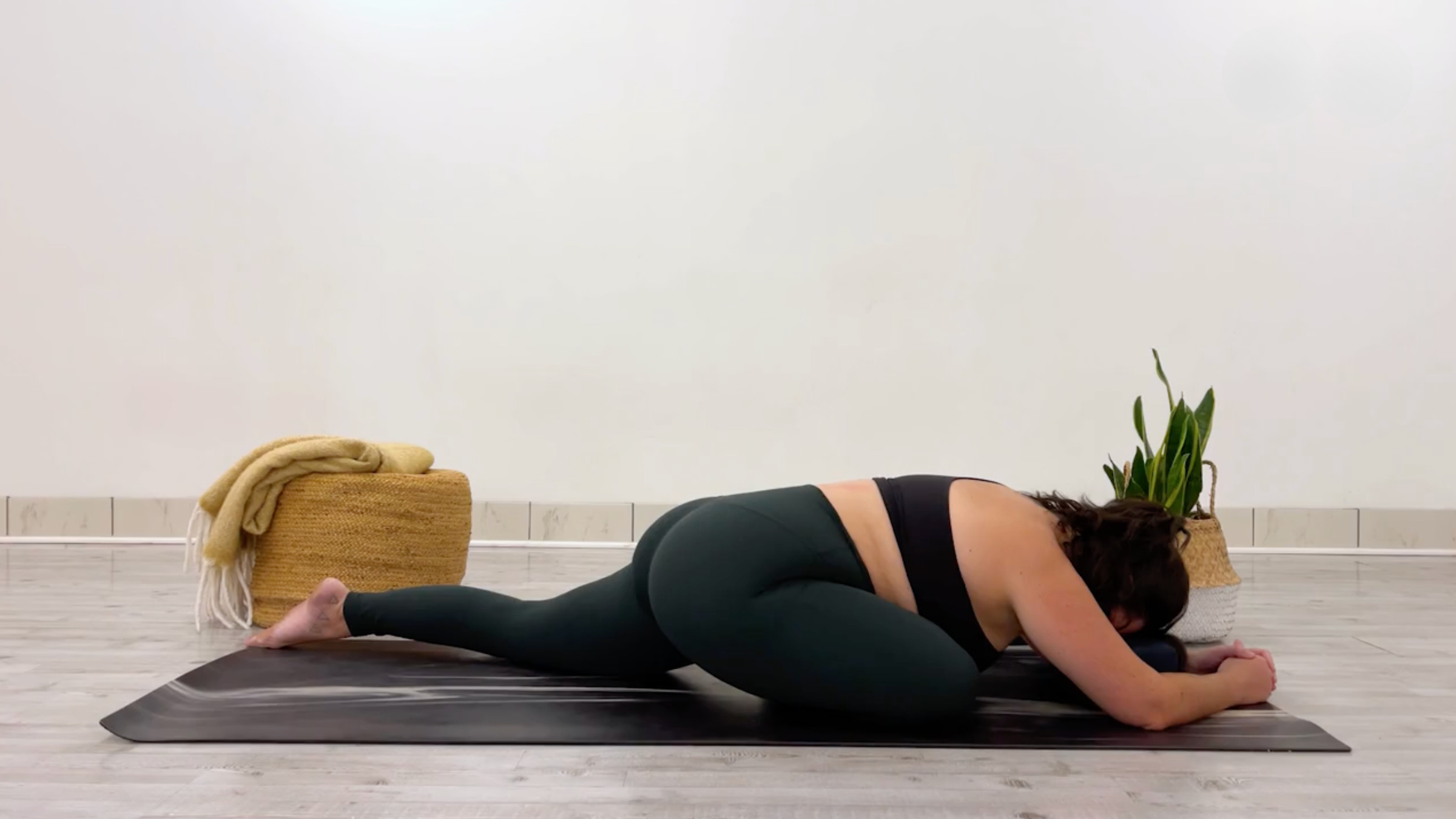
- Swan Pose (Sleeping Swan): The flow transitions smoothly as the right knee lands softly behind the right wrist, with the shin angled away from the top edge of the mat. The left leg extends long behind. Practitioners can remain upright on tented fingertips with blocks under their hands to lift through the chest, or fold forward into Sleeping Swan. Held for one to three minutes, this posture targets the deep external rotators of the hip.
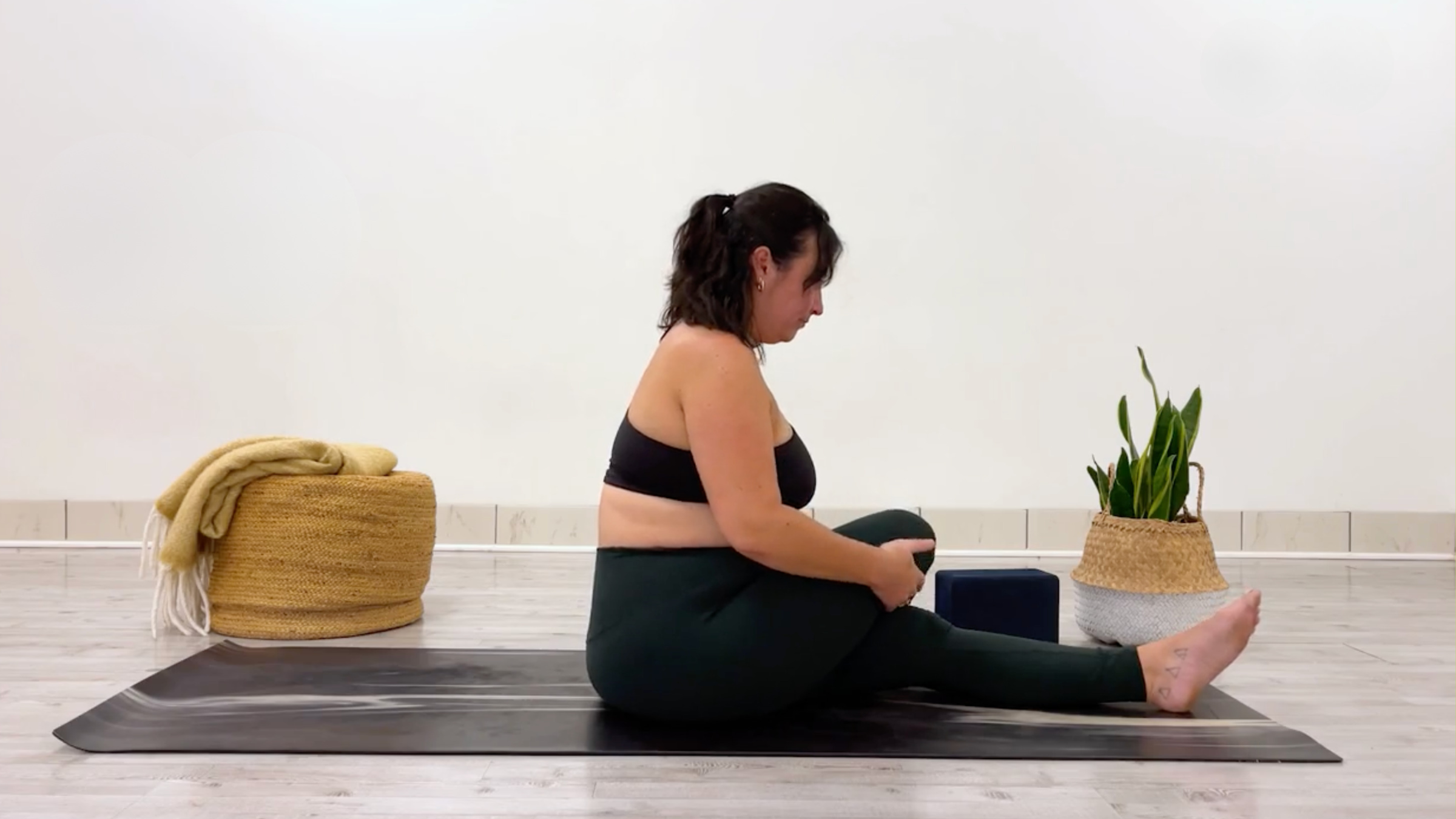
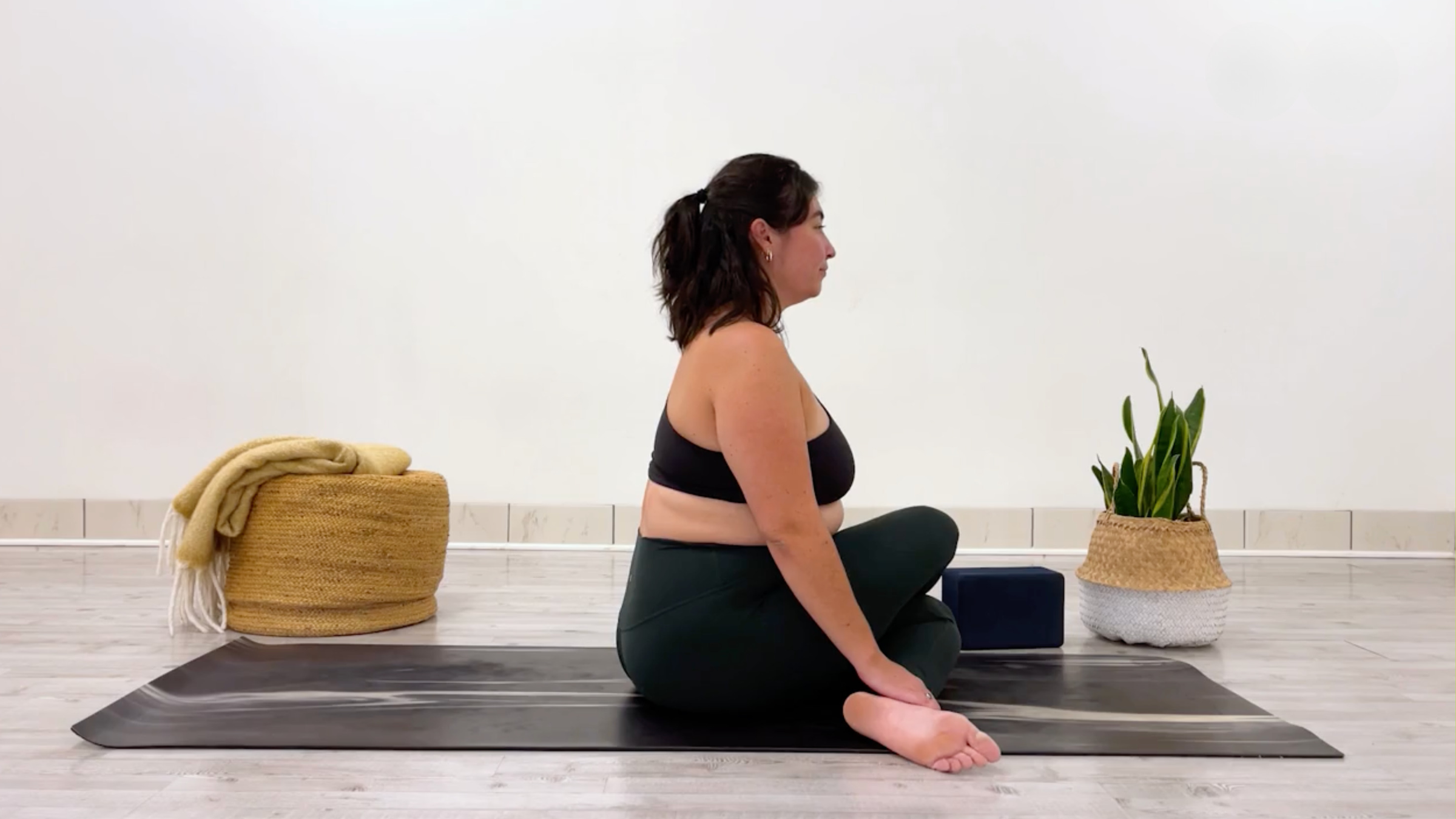
- Half Shoelace and Shoelace Pose: Shifting weight fully onto the right sit bone, the left leg swings forward. Crossing the right knee over the left establishes the Half Shoelace. For increased intensity, bending the bottom knee brings the practitioner into full Shoelace Pose, where both heels rest equidistant from the hips. A forward fold over the bent legs deepens the sensation. This shape is maintained for one to three minutes before transitioning back through Downward-Facing Dog to repeat the sequence on the left side.
Phase 3: Surrender and Closing
- Child’s Pose: Bringing the knees out wide with big toes touching, the hips sink back toward the heels into Child’s Pose (Balasana). Arms reach forward while the forehead rests on the mat or a block, offering a soothing reset for the lower back and nervous system.
- Closing Integration: Returning to an upright seated position on the heels, practitioners bring their hands to heart center. Bowing the head so the third eye meets the fingertips provides a moment of gratitude, honoring the physical body and the time dedicated to self-care on the mat.
Supporting Data: Why Targeted Recovery Matters
Physical therapists and fitness experts increasingly emphasize the correlation between glute tightness and musculoskeletal pain. According to orthopedic studies, tight gluteal and hip rotators are a primary contributor to non-specific lower back pain, which affects over 80% of adults at some point in their lives.
Furthermore, research into fascial health indicates that yin-style stretching improves tissue hydration and elasticity. Unlike dynamic stretching—which temporarily increases muscle compliance—long-held static postures induce a stress-relaxation response in collagen fibers, creating long-term structural changes in flexibility and joint mobility. Integrating just 10 minutes of targeted yin practice into a weekly routine can significantly mitigate the postural toll of sedentary office work.
Official Responses and Expert Insights
Wellness advocates and movement specialists have praised routines like Lorenz’s for making restorative practices accessible to everyday populations.
"Many fitness enthusiasts fall into the trap of constantly contracting their muscles without ever teaching them how to fully surrender," notes fitness and mobility coach Marcus Vance. "When you look at a practice like yin yoga, the magic isn’t in how aggressive the stretch is; it’s in the duration and the breath. Taylor Lorenz’s routine correctly identifies the glutes as a primary tension reservoir and provides a safe, structured pathway to release it."
Participants who have tested the routine report immediate physical feedback. Testimonials from early practitioners highlight a noticeable reduction in lower back stiffness within days of consistent practice, alongside a feeling of increased fluidity in daily walking and standing mechanics.
Implications for Daily Wellness and Long-Term Mobility
The broader implications of incorporating targeted glute work into daily routines extend far beyond the yoga mat. As public health initiatives increasingly focus on preventative wellness and ergonomic health, simple, low-impact routines like Lorenz’s 10-minute flow offer an empowering tool for self-care.
By bridging the gap between high-intensity physical output and mindful recovery, practitioners can dismantle chronic tension patterns before they manifest as chronic pain. Ultimately, dedicating a few minutes a day to unburdening the glutes serves as a powerful reminder that true physical strength relies just as heavily on the ability to let go as it does on the capacity to exert force.
