

Main Facts
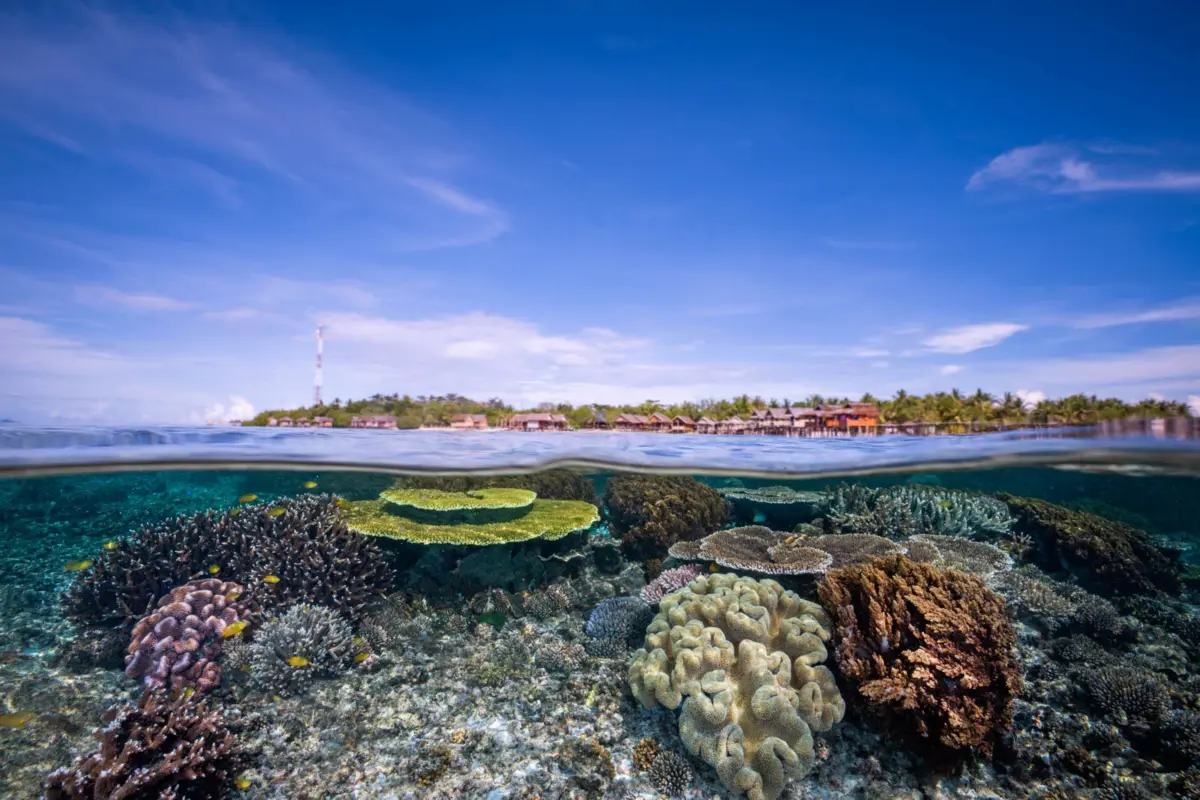
Tucked away off the northwestern tip of West Papua’s Bird’s Head Peninsula lies Raja Ampat, an archipelago widely celebrated by marine scientists and global shutterbugs alike as the ultimate destination for underwater photography. Often referred to simply as "The Last Paradise," this remote Indonesian utopia comprises more than 1,500 jungle-covered limestone islands, islets, and shoals surrounding its four primary landmasses: Waigeo, Batanta, Salawati, and Misool.
Positioned directly in the heart of the global Coral Triangle—the epicenter of marine biodiversity on Earth—Raja Ampat is estimated to harbor an astonishing 75% of all known coral species on the planet. Its pristine, nutrient-rich waters support an ecosystem of over 1,000 species of reef fish, 540 distinct types of hard and soft corals, 700 species of mollusks, alongside resident populations of dugongs, estuarine crocodiles, and majestic oceanic manta rays. For macro enthusiasts and wide-angle specialists alike, it represents the absolute pinnacle of global marine wildlife photography.
Chronology of an Expedition: Journeying to the Edge of the Earth
Planning an underwater photography expedition to Raja Ampat requires patience, endurance, and meticulous logistical preparation. Because of its extreme isolation, reaching the starting point is an adventure in its own right.
The Transit Phase
For international travelers originating from hubs like Australia or Europe, the journey typically involves multiple long-haul flights with extended layovers, landing eventually in Sorong, West Papua. From Sorong, travelers must catch a slow, humid two-hour ferry ride across the Dampier Strait, followed by bumpy, pothole-peppered vehicle transit to reach the regional hub of Waisai.

Choosing Your Basecamp
Once in the region, photographers generally choose between three primary modes of operation:
- Day Trips: Operating out of local resorts, offering localized diving but limited range.
- Island Homestays: Staying in traditional beachside bungalows, ideal for slow-paced exploration and access to vibrant house reefs.
- Liveaboards: The gold standard for serious underwater photographers, allowing expeditions to cover vast geographical distances across the entire archipelago without losing shooting time to daily transit.
Expedition itineraries that incorporate the remote southern region of Misool are widely considered the jackpot for underwater photographers. Unlike many marine habitats globally that suffer from ecological degradation, Misool’s protected marine reserves stand as a rare conservation success story where biodiversity and coral health are actively improving.

Supporting Data: Marine Biodiversity Metrics
To understand why Raja Ampat commands such reverence in the underwater photography community, one only needs to look at the raw biological metrics gathered by conservationists and marine biologists over decades of research:
- Coral Supremacy: 540+ coral species, representing approximately 75% of the world’s total coral varieties.
- Ichthyofaunal Wealth: Over 1,000 reef fish species recorded, breaking historical records for species density on a single dive (notably at Cape Kri).
- Macro Diversity: Hundreds of endemic invertebrate species, including multiple varieties of pygmy seahorses, flamboyant cuttlefish, blue-ringed octopuses, and nudibranchs.
- Pelagic Presence: Regular sightings of reef sharks, wobbegong (carpet) sharks, massive schools of barracuda and jacks, green and hawksbill turtles, and both reef and oceanic manta rays.
Official Responses and Conservation Frameworks
The sheer abundance of marine life in Raja Ampat is no accident. It is the direct result of proactive, community-backed conservation policies enacted by local governments, indigenous Papuan communities, and international marine NGOs.

The Conservation Zone System
Recognizing the extreme vulnerability of the Coral Triangle, local authorities established a network of Marine Protected Areas (MPAs) spanning millions of hectares. These zones strictly regulate commercial fishing, anchor damage, and over-tourism.
Local indigenous communities play a vital frontline role in enforcing these protections. Through traditional tenure systems known as Sasi, local villages temporarily close specific marine areas to harvesting, allowing fish and coral stocks to replenish naturally.

Sustainable Tourism Mandates
Every visitor entering the Raja Ampat MPA is required to purchase an annual Environmental Services Tag (commonly known as the "Raja Ampat Port Fee"). Official bodies direct 100% of these revenues toward local community development, ranger patrols, and marine conservation initiatives. Conservation officials continuously urge underwater photographers to practice strict buoyancy control, avoid touching fragile coral formations, and utilize reef-safe sunscreens to ensure that the human footprint remains as light as the crystal-clear tides overhead.
Photographic Implications: Mastering the Elements
While Raja Ampat offers unrivaled subject matter, shooting in this dynamic marine environment presents unique technical and physical challenges for photographers.

Navigating Currents and Visibility
The same nutrient-rich currents that feed Raja Ampat’s staggering biodiversity can occasionally compromise water visibility. Nutrient blooms, while signaling a healthy and active food web, mean that wide-angle shooters must master precise strobe positioning and power output to avoid backscatter in murky water.
Furthermore, the currents surging through channels like the Dampier Strait can be exceptionally fierce. Photographers must be prepared to anchor themselves behind boulders or coral outcrops using reef hooks while balancing heavy camera rigs in fast-moving water. Dive guides frequently advise novices to leave expensive camera setups behind on days when down-currents or extreme velocities make safety a priority over framing a shot. For peace of mind, reliable camera insurance and secure lanyard attachments are non-negotiable prerequisites.

Gear Selection: Macro vs. Wide-Angle
The eternal dilemma for photographers visiting Raja Ampat is choosing between macro and wide-angle systems.
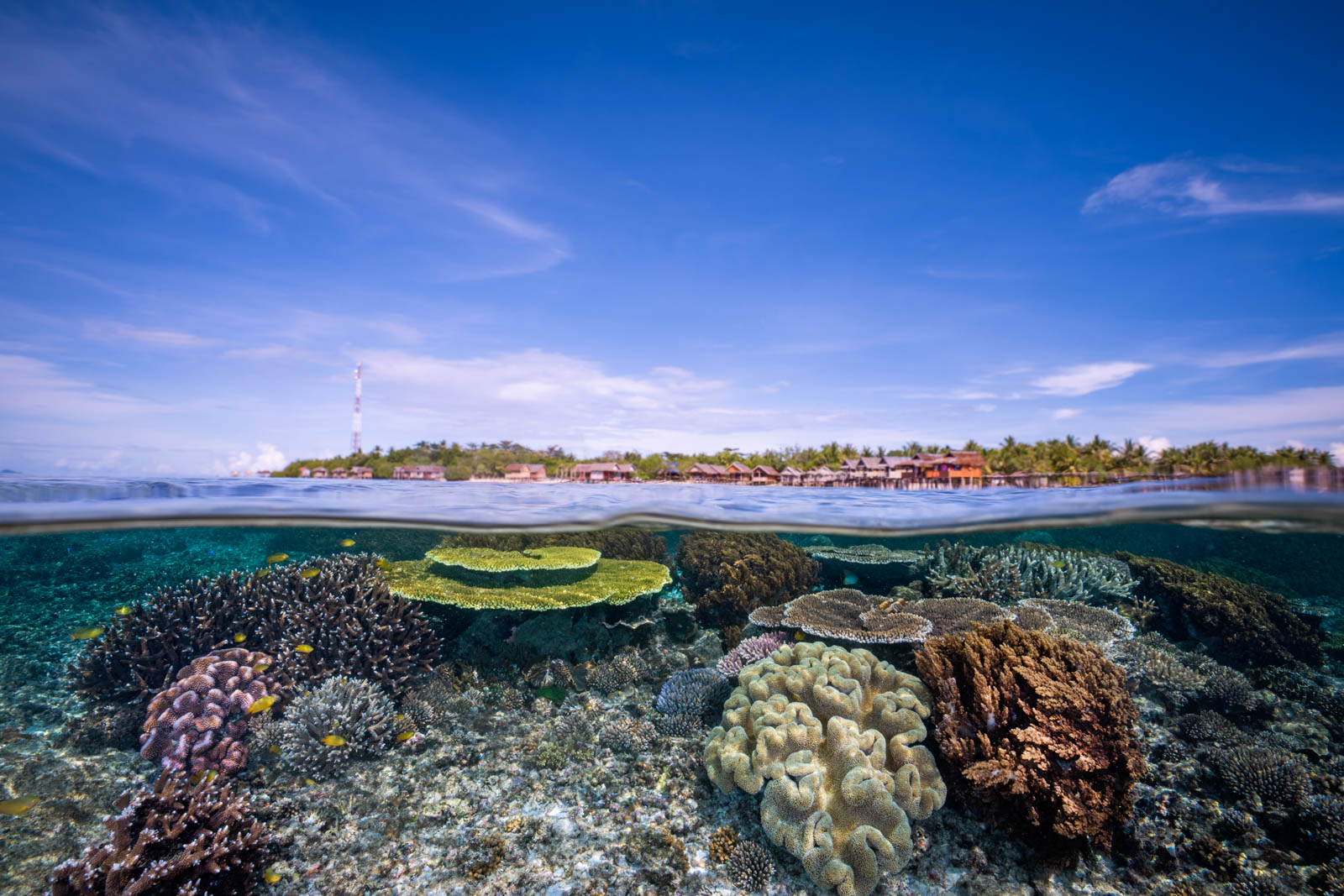
- Wide-Angle Opportunities (16–35mm lenses): Essential for capturing sweeping reefscapes, schools of pelagics, manta rays, and over-under split shots in the shallow, sunlit lagoons.
- Macro Opportunities (60mm, 90mm, or 120mm lenses + external diopters): Essential for documenting the "macro madness" hiding within coral crevices, including pygmy pipehorses, ghost pipefish, leaf scorpionfish, and tiny nudibranchs.
Top Dive Sites for Underwater Photography
To maximize an expedition, photographers should target specific sites renowned for their unique topography and marine spectacles:

1. Melissa’s Garden
A legendary wide-angle site characterized by vast, unbroken plateaus of pristine hard coral plates stretching as far as the eye can see. Photographers are regularly surrounded by swirling schools of batfish, barracuda, snappers, and fusiliers against a vibrant, living canvas.
2. Batu Rufus
Located near the Fam Islands, Batu Rufus features a stunning emerald lagoon framed by towering limestone karst formations. A dramatic swim-through leads divers into a shallow, five-meter-deep natural pool offering world-class natural light photography, exceptional split shots, and pristine shallow-water coral gardens.

3. Cape Kri
Holder of historical records for species diversity on a single dive, Cape Kri is a must-visit multi-dive location. Photographers can dedicate one dive to wide-angle pelagics—such as reef sharks, turtles, and jacks—and a subsequent dive to macro exploration, meticulously searching the Muricella gorgonian sea fans for camouflage masters like pygmy seahorses.
4. Manta Ridge
A premier cleaning station where oceanic and reef manta rays congregate in strong currents. When ocean conditions align, photographers can capture breathtaking close-up portraits of these gentle giants as they glide effortlessly overhead.

5. Citrus Ridge
Positioned near the Gam Islands, Citrus Ridge lives up to its name with an explosion of neon-colored soft corals. It serves as a dual-threat location, offering wide-angle reef vistas alongside endless micro-critter hunting grounds tucked into every crevice.
Conclusion
Raja Ampat remains an unrivaled frontier for underwater photography, offering an immersive dive into the planet’s most vibrant marine ecosystem. Whether chasing wide-angle vistas of flourishing coral gardens or hunting for microscopic macro subjects, photographers who respect the region’s powerful currents, prioritize environmental conservation, and prepare their gear meticulously will walk away with imagery that captures the true essence of the world’s last remaining paradise.
