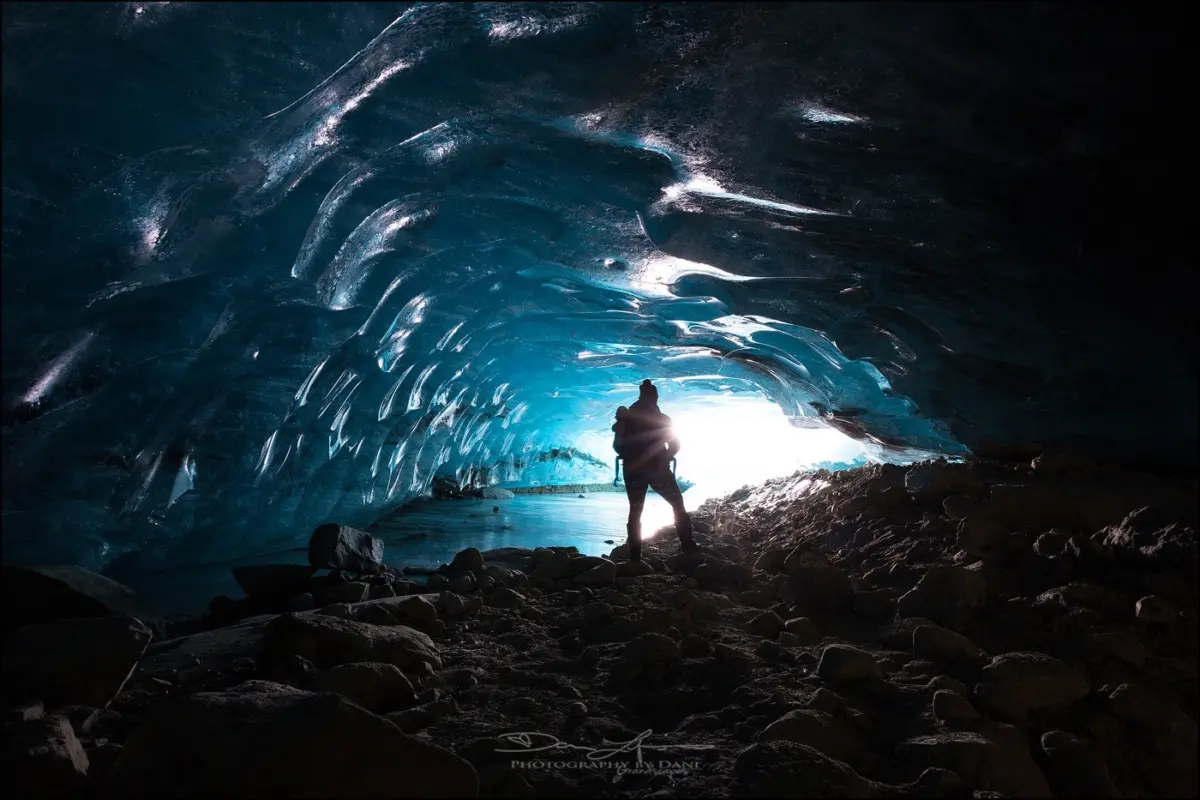
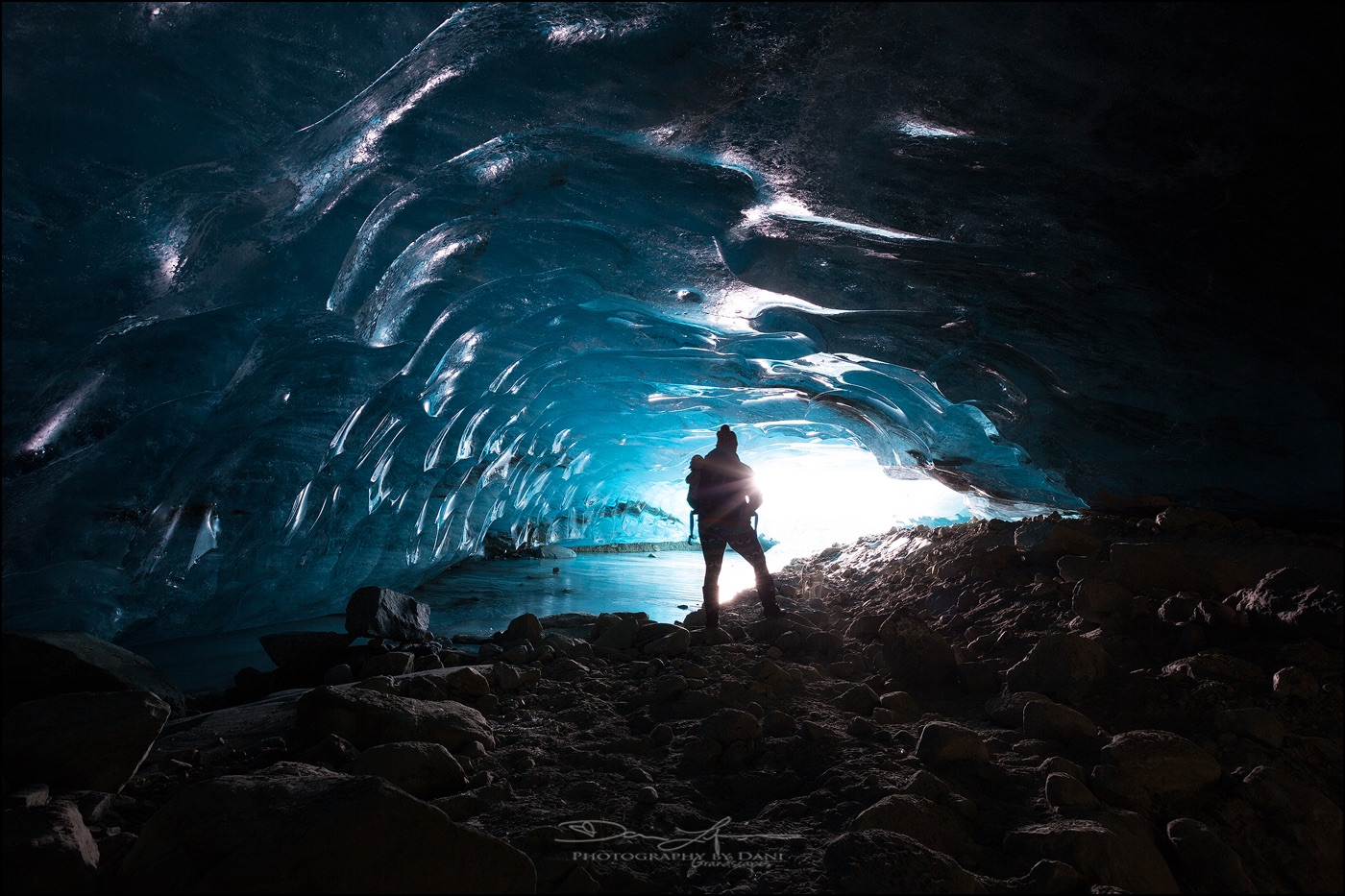
In the competitive and visually saturated world of nature photography, standing out requires more than just high-end gear; it demands a deeply personal connection to the environment. Enter Dani LeFrancois, a celebrated landscape photographer and photo guide based against the majestic backdrop of the Canadian Rockies. With a career spanning over two decades, LeFrancois has cultivated an artistic philosophy rooted in intuition, emotional resonance, and a profound love for the wilderness.
LeFrancois’s journey is the focal point of the latest installment of the acclaimed interview series "From Amateur to Professional," hosted by Nature TTL. This ongoing feature highlights how established photographers have developed, changed, and improved their practices over time, offering aspiring creatives a window into the evolution of a professional portfolio. Today, LeFrancois splits her time between capturing the breathtaking topography of Western Canada and mentoring the next generation of visual artists, proving that the true measure of success in photography is not just personal acclaim, but the elevation of others.
Chronology: A 22-Year Visual Odyssey
The trajectory of Dani LeFrancois’s career is a testament to perseverance, organic growth, and the willingness to let passion dictate one’s professional life. Her timeline illustrates a deliberate, decades-long immersion in the craft:
The Formative Years (Childhood): Growing up as an outdoor enthusiast who spent summers at YMCA camps catching frogs and exploring nature, LeFrancois developed an early affinity for the natural world. Road trips across Ontario and Eastern Canada with her mother cemented her role as the family documentarian.
The Spark (Early 2000s): Anticipating her first major road trip out west to Alberta, LeFrancois acquired what was then a "state-of-the-art" 2-megapixel point-and-shoot camera. This trip served as the catalyst for an enduring obsession with photography.
Academic Intermission and Practical Experience: High school photography classes confirmed her natural eye for composition. While she briefly attended college for photography, she quickly realized that the unstructured, instinctual world of nature photography couldn’t be taught in a traditional classroom. To build experience, she diversified into wedding, concert, and portrait photography.
The Relocation and Career Pivot (Decade Markers): Ten years into actively focusing on photography, LeFrancois relocated west to immerse herself in the landscapes that would define her career. Twelve years into her journey, she officially launched her business.
Full-Time Professional Status (2020s): Seventeen years after first picking up a camera seriously—and at just 32 years old—LeFrancois officially "retired" from her day job to become a full-time professional photographer and photo guide.
Supporting Data and Creative Evolution
Transitioning from an amateur armed with a 2MP point-and-shoot to a seasoned professional utilizing advanced modern gear required shifting perspectives, technical adaptability, and emotional maturity.
The Evolution of the Lens
Reflecting on her early work—such as an experimental piece titled Dual Vocals—LeFrancois views her novice imagery with profound fondness. While those early frames may not have been groundbreaking to the broader public, they represented vital milestones of personal experimentation with delayed shutter effects and candid moments.
A fascinating comparison in her portfolio involves two watershed moments: an early college field trip capture of a water-logged leaf adorned with droplets, versus a recent golden-hour perspective of a less-traveled Canadian landscape. While the subjects differ vastly in scale, both images share a common DNA: they were born from patient observation and a refusal to simply follow the herd. While her classmates rushed past the leaf to photograph a waterfall, LeFrancois lingered in the low light, honoring her creative instincts—a habit that defines her professional work today.
Streamlined Post-Processing
Unlike many contemporary digital artists who spend hours meticulously blending exposures and manipulating color palettes in post-production, LeFrancois maintains a refreshingly minimalist approach to editing. Describing herself as an "old dog, new tricks" practitioner, she limits most of her editing sessions to a swift two to five minutes.
"I don’t enjoy the editing process. I get uninspired behind the computer," LeFrancois notes.
Rather than chasing complex digital manipulation techniques, she prefers to let the purity of the in-camera moment speak for itself, reserving her energy for the field where she feels most alive.
Official Insights: Overcoming Challenges and Finding Purpose
In her candid interview with Nature TTL, LeFrancois opened up about the psychological hurdles that accompany a creative career, as well as the pivotal mindset shift that transformed her professional trajectory.
The Turning Point: From Competition to Community
For many emerging photographers, the industry can feel like a high-stakes race to publish images first and capture digital validation. LeFrancois admits she once viewed photography through this competitive lens. However, a profound "eureka moment" occurred when she began mentoring a friend and helping them refine their photographic vision.
Witnessing the success and creative breakthroughs of her peers melted away her competitive drive. Today, LeFrancois finds her greatest professional fulfillment in education and guiding. "Now, I feel lost if I’m not helping someone with something because my joy is seeing others succeed, even if it overshadows me and my own work," she shares.
The Ongoing Battle with Imposter Syndrome
Despite her decades of experience and authoritative status in the Canadian Rockies, LeFrancois points out that confidence remains her biggest operational hurdle—though strictly outside of the field.
"Because I shoot intuitively, I am focused and in the zone when I am shooting and I’m not overthinking the compositions or the elements. However, every other part of photography that’s not spent behind the camera is always a challenge to find where I fit in."
When asked what advice she would offer her younger self, LeFrancois offers a pragmatic warning to aspiring professionals: take a business class and invest in robust data backup protocols. Neglecting the administrative and archival side of the craft early on cost her irreplaceable memories and early image files—a cautionary tale for any amateur looking to turn their passion into a livelihood.
Implications for Aspiring Nature Photographers
Dani LeFrancois’s journey from an amphibian-hunting kid in Ontario to a premier landscape guide in the Canadian Rockies offers powerful lessons for the modern photography community:
Trust Your Intuition: Technical perfection and expensive gear matter far less than developing a personal visual voice. LeFrancois’s willingness to linger over a humble leaf while others chase grand vistas highlights the value of authentic, unhurried observation.
Redefine Success: Success in photography does not have to be an isolating, hyper-competitive endeavor. By pivoting toward education and mentorship, photographers can build a deeply rewarding career that enriches the entire creative ecosystem.
Embrace the Business Reality: Passion fuels the art, but business acumen sustains the artist. LeFrancois’s retrospective advice underscores that navigating the transition from amateur to professional requires mastering the unglamorous aspects of the industry, from file management to client relations.
As the Nature TTL "From Amateur to Professional" series continues to spotlight extraordinary talents, LeFrancois stands out not merely for her breathtaking compositions of glacial lakes and rugged peaks, but for her generosity of spirit, proving that the best photographs are often those that inspire others to see the world anew.