

By the Editorial Team
Published: Field & Lens Insights
Main Facts
Macro wildlife photography remains one of the most intellectually stimulating and visually striking disciplines in modern visual arts. By stepping down into the miniature scale of nature, photographers bypass conventional landscape and portrait viewpoints to reveal intricate patterns, breathtaking textures, and complex behaviors that routinely escape the naked eye. While the genre has historically been dominated by close-ups of garden insects and blooming wildflowers, contemporary macro practice is undergoing a profound shift.

Advanced imaging technology, portable off-camera lighting solutions, and an increased emphasis on overlooked subjects have widened the horizon for wildlife creators. Today, the discipline extends far beyond the typical creepy-crawly. Practitioners are turning their macro and micro-lenses toward amphibians, reptiles, mammalian details, marine life, and stationary fungi. This expansion requires a blend of specialized equipment—such as macro-capable lenses, diffusers, and specialized flash setups—alongside disciplined fieldwork techniques like precise focusing, tactical stabilization, and, above all, rigorous ethical standards.

Chronology
The evolution of macro wildlife photography mirrors the broader technological democratization of digital imaging.

- The Early Era of Close-Up Photography: For decades, specialized macro work was restricted to scientific institutions, specialized studio set-ups, or heavily invested professionals utilizing bellows systems, dedicated manual macro primes, and bulky film stocks.
- The Digital Revolution (Late 1990s–2000s): The transition to digital sensors allowed hobbyists to instantly review exposure, depth of field, and framing. This immediate feedback loop drastically shortened the learning curve for high-magnification field shooting.
- The Rise of Social Media and Accessibility (2010s): Platforms centered on visual media fueled an explosion of interest in macro imagery. Manufacturers responded by producing affordable macro lenses, lightweight ring lights, and versatile extension tubes, making high-magnification gear accessible to everyday enthusiasts.
- The Modern Movement (Present Day): The contemporary era is characterized by a conscious pivot away from repetitive insect and flower shots. Photographers are leveraging modern mirrorless autofocus systems, high-ISO performance, and advanced portable diffusers to explore under-represented subjects—such as reptilian scales, amphibious skin textures, and micro-mammalian details—with unprecedented technical clarity.
Supporting Data
While macro photography can appear deceptively simple—often requiring nothing more than a camera and a close-focusing optic—the technical demands of achieving professional-grade results involve strict physical parameters:

- Aperture Sweet Spots: Unlike portraiture, where wide apertures like $f/1.8$ are prized, macro photography demands much deeper depth of field to keep microscopic subjects sharp. Professional practitioners frequently rely on apertures around $f/11$ to balance diffraction limits with acceptable planes of focus.
- Lighting Requirements: Natural light is rarely sufficient at high magnification due to the narrow apertures and fast shutter speeds needed to freeze movement. The industry standard involves combining a dedicated camera-mounted or off-camera flash paired with a specialized diffuser (such as collapsible softboxes) to soften harsh specular highlights on reflective chitin, scales, or fur.
- Magnification Ratios: True macro lenses achieve a 1:1 magnification ratio (or greater), meaning the subject is projected onto the digital sensor at life-size proportions.
- File Formats: Due to the fleeting nature of wildlife encounters and complex lighting conditions in the field, shooting uncompressed RAW files is virtually mandatory. RAW capture preserves dynamic range and allows for critical shadow recovery and chromatic aberration correction during post-processing.
Official Responses and Expert Perspectives
Leading naturalists, conservationists, and professional wildlife photographers emphasize that the growth of macro photography must be balanced with strict animal welfare guidelines.

Industry veterans note that the accessibility of backyard and local nature reserves has democratized field exploration, but it has also introduced risks to vulnerable micro-habitats. Leading conservation bodies consistently advocate for the "Subject First" ethos. According to professional field practitioners, no photograph justifies stressing, handling, or disrupting an animal’s natural behavior.

Furthermore, wildlife organizations stress the importance of species literacy. Photographers entering the field are strongly encouraged to consult local wildlife guides, understand the venomous or protective status of regional fauna, and minimize physical alterations to an animal’s environment—such as moving foliage or altering micro-climates—solely for the sake of a cleaner background composition.

Implications
The expanding scope of macro wildlife photography carries significant implications for both artistic expression and environmental conservation.

Artistic and Educational Impact
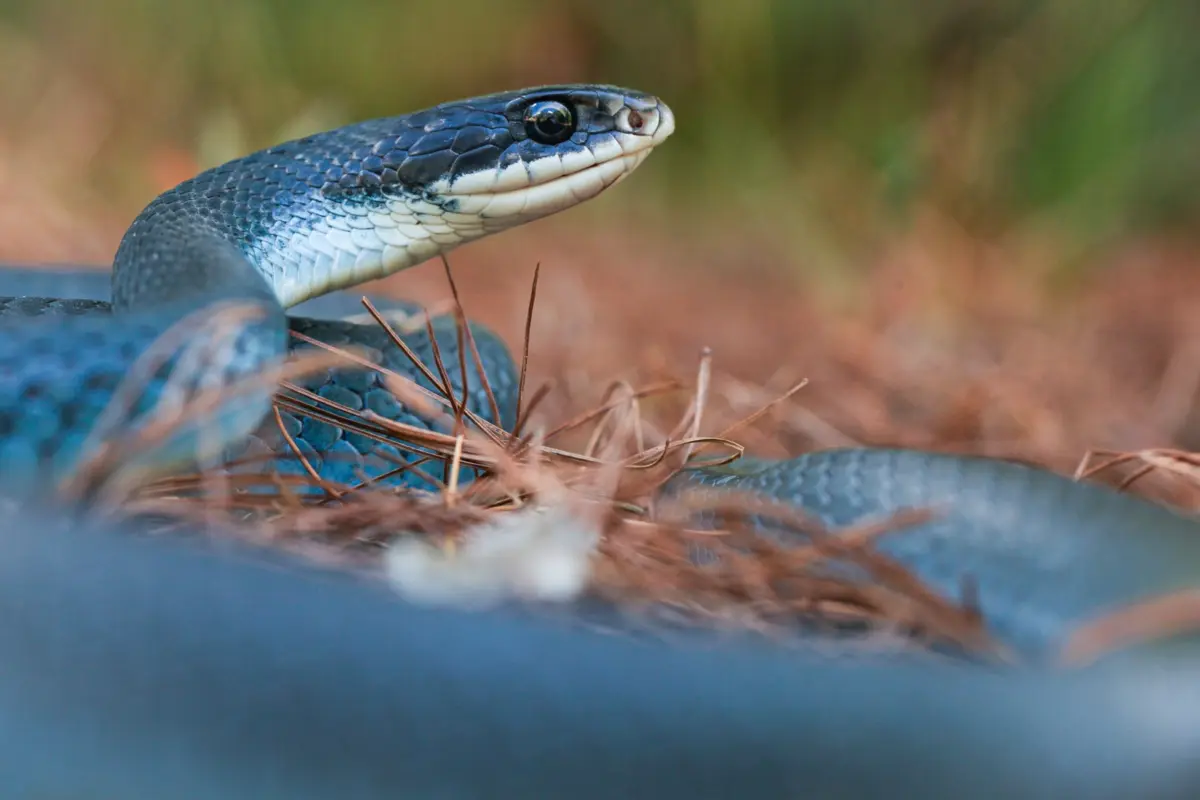
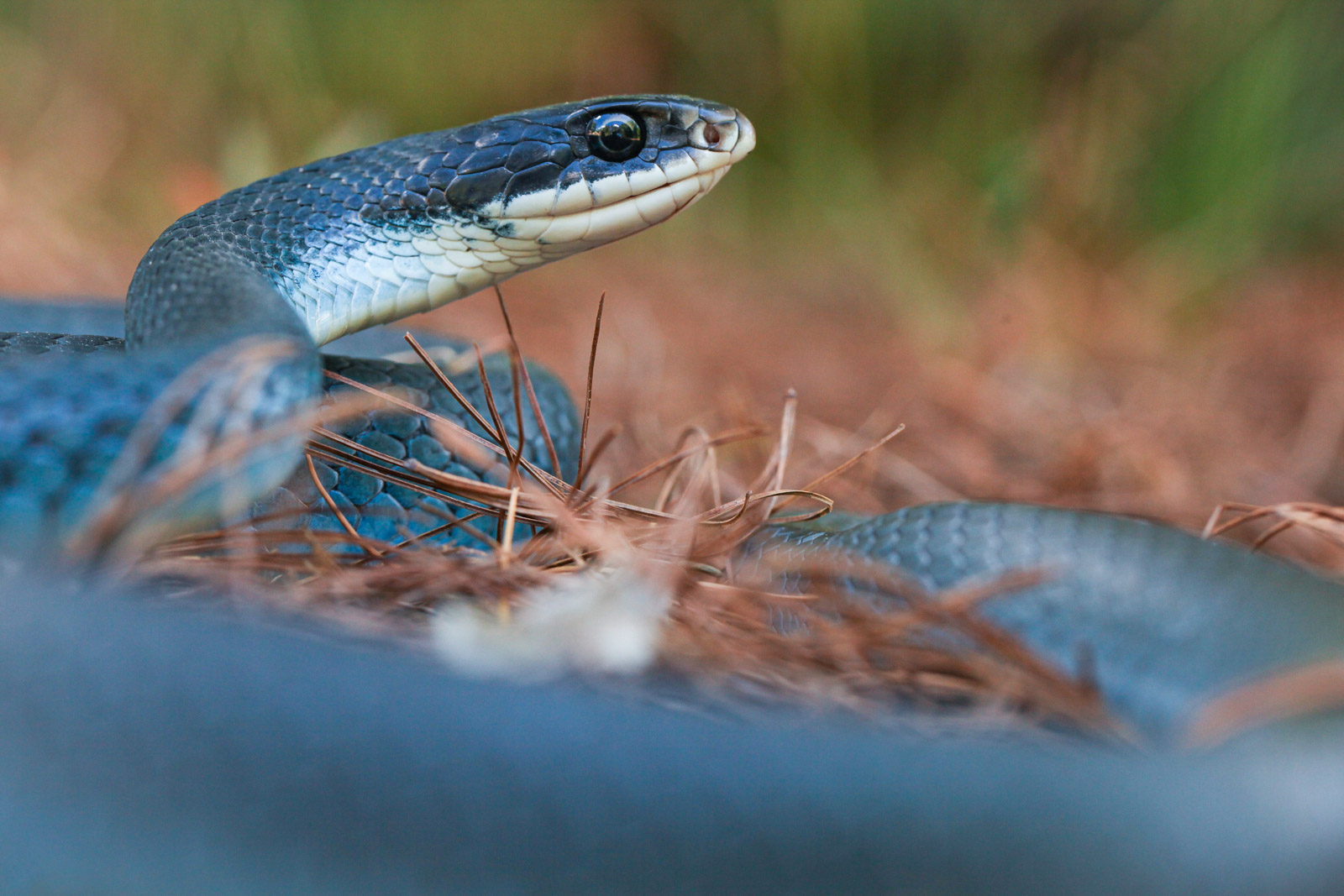
By directing public attention toward the microscopic wonders of the natural world, macro photographers serve as visual educators. Images revealing the iridescent microscopic scales of a snake, the geometric perfection of a bird’s feather, or the alien textures of forest fungi foster a deeper public appreciation for biodiversity. When viewers realize that complex ecosystems exist right beneath their feet or in their suburban backyards, their perception of nature shifts profoundly. They transition from viewing nature as vast and distant to recognizing it as intricate, fragile, and intimately connected to human environments.

Conservation and Ethical Responsibilities
On the ecological front, the growing popularity of macro photography underscores the need for responsible outdoor ethics. As more hobbyists venture into woodlands, rainforests, and wetlands equipped with powerful lighting rigs and close-focusing gear, the potential for habitat degradation multiplies. Adopting strict "leave no trace" principles, mastering field craft in controlled environments (such as home practice setups) before interacting with wild subjects, and prioritizing animal welfare over technical perfection will define the sustainability of the genre. Ultimately, the future of macro wildlife photography depends on a harmonious balance between technical innovation and profound respect for the natural world.
