

By Global Outdoor & Alpine Correspondent
Published August 21, 2026
Introduction: The Crisis at the Roof of Europe
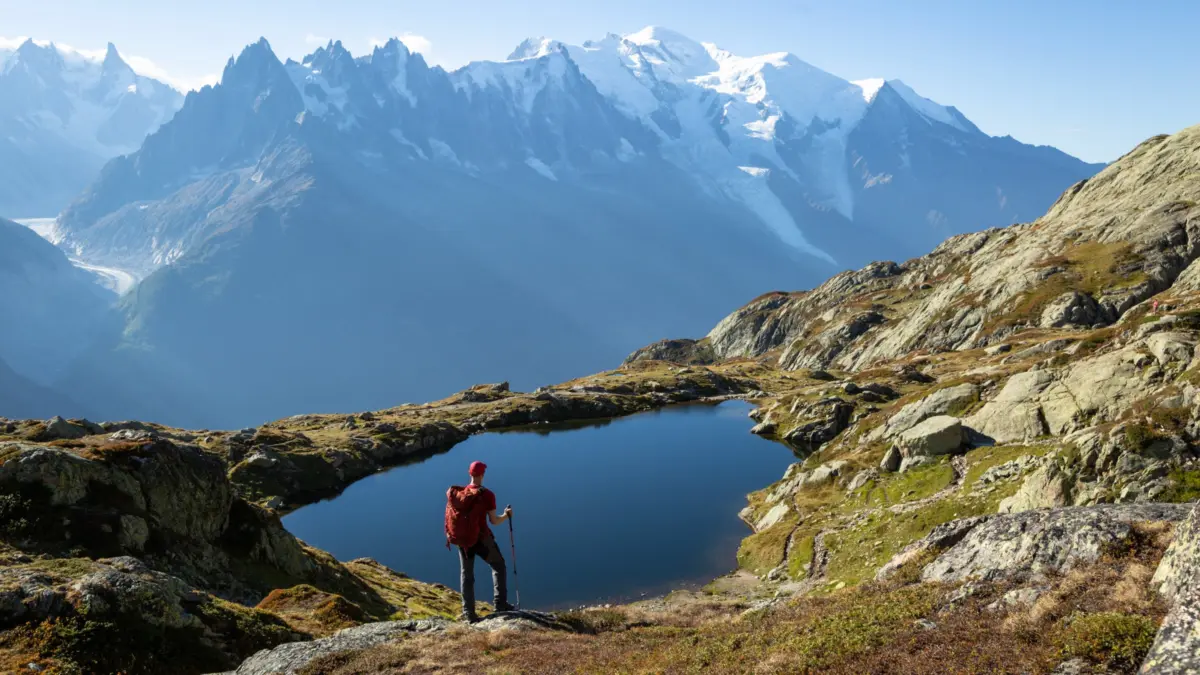
For generations, the Alps have stood as a sanctuary of raw stone, glacial blue ice, and wind-swept alpine meadows—a cathedral of wilderness that draws millions of outdoor enthusiasts annually. At the heart of this soaring landscape lies the Mont Blanc massif, Western Europe’s highest peak. Circling this colossal frozen monarch is the world-famous Tour du Mont Blanc (TMB), a 110-mile circumnavigation that weaves seamlessly through France, Italy, and Switzerland.
For decades, the TMB has been considered the crown jewel of European long-distance backpacking. It offers a masterclass in alpine geography, blending challenging physical ascents with rich cultural immersion as trekkers pass through high mountain passes, emerald valleys, and historic villages. Traditionally defined by a spirit of unmitigated freedom—where anyone with a pair of boots and a backpack could step onto the path without bureaucratic hurdles—the trail now faces an existential threat.
In the modern era of social media-fueled travel, hyper-mobility, and the post-pandemic outdoor boom, this legendary circuit is a victim of its own success. Upwards of 80,000 hikers now flood the trail every single season, transforming quiet mountain ridges into congested tourist corridors. Human queues form on narrow alpine ledges, ecological degradation scars fragile alpine flora, and the sheer volume of humanity strains the infrastructure of the mountain communities that host them.
Now, a tipping point has arrived. In a move that could permanently alter how adventurers experience the European Alps, a prominent French mayor is spearheading a controversial campaign to implement strict access restrictions along major sections of the TMB. If successful, the era of spontaneous alpine trekking on one of the world’s most iconic routes may soon come to an end.
Main Facts: The Proposed TMB Overhaul
At the center of the brewing controversy is Jean-Marc Peillex, the outspoken mayor of Saint-Gervais-les-Bains, a historic French mountain town renowned for its thermal hot springs and alpine skiing. Voicing mounting frustration shared by many locals, mountain guides, and environmental stewards, Peillex is calling for a mandatory reservation system to curb runaway crowds along the French stretches of the TMB.
The core components of the proposed system include:
- Mandatory Accommodation & Campsite Proof: Under the proposed framework, hikers would be legally required to secure confirmed advance reservations at official mountain refuges (refuges) or designated camping zones along the route before stepping foot on the trail.
- Targeted Restrictions: While the rule would not initially apply as a single, unified blanket permit across all three countries, it would target high-density bottleneck areas within participating French municipalities, effectively shutting out unbooked trekkers from key stages of the circuit.
- The End of Spontaneity: Historically, the TMB has operated under a free-access model. While staying in a staffed mountain hut has always required advanced booking due to limited capacity, hikers could legally pitch a tent in specific areas or walk the trail at whim. The new system aims to cap the sheer volume of people physically moving through fragile mountain passes.
The 110-mile trail typically takes backpackers between seven and fourteen days to complete. It traverses eleven distinct mountain passes, accumulating a staggering 32,800 feet of elevation gain and loss. As foot traffic surges, the traditional harmony between local ecosystems, pastoral farming, and international tourism is fracturing under the weight of tens of thousands of annual visitors.
Chronology of a Crisis: How the TMB Reached Its Breaking Point
To understand how one of Europe’s most revered wilderness trails arrived at this legislative crossroads, it is necessary to examine the rapid escalation of tourism pressures over the past two decades.
2000s–2010s: The Discovery Phase and Social Media Boom
For much of the late 20th century, the TMB was primarily the domain of seasoned mountaineers, European outdoor clubs, and dedicated long-distance backpackers. While popular, it retained a wild, remote character. However, the advent of global social media platforms in the 2010s drastically altered the landscape. Aesthetic photography and viral travel reels showcased the turquoise glacial lakes, flower-strewn meadows, and rustic polenta dinners of the Italian valleys to millions of global screens.
2020–2023: The Post-Pandemic Outdoor Surge
Following global COVID-19 lockdowns, a massive psychological shift occurred worldwide. Urban populations sought solace in nature, leading to unprecedented surges in domestic and international travel. The Alps saw an immediate flood of visitors. By 2022 and 2023, classic huts along the TMB reported booking out within minutes of their reservation windows opening a full year in advance. Displaced hikers began camping illegally in fragile alpine zones, sparking initial friction with local authorities.
Summer 2024–2025: "Conga Lines" and Infrastructure Strain
By the mid-2020s, the situation had deteriorated past the point of casual concern. Local newspapers and international outdoor media began reporting unprecedented overcrowding. Hikers described being stuck in literal "conga lines" on steep, narrow ascents up to passes like the Col du Bonhomme or the Grand Col Ferret. Mountain rescue teams noted an uptick in preventable accidents caused by bottlenecks and inexperienced hikers attempting technical terrain without adequate preparation.
August 2026: The Breaking Point and Mayor Peillex’s Ultimatum
The crisis reached a legislative tipping point in mid-August 2026. In an explosive interview with Swiss public broadcaster SRF, Mayor Jean-Marc Peillex openly condemned the current state of affairs, detailing the degradation of the mountain environment and the degradation of the hiker experience. Simultaneously, Euronews and other major outlets highlighted the growing local consensus that self-regulation had failed. With preparations for the 2027 season already underway, Peillex formally tabled his proposal for a mandatory permit and reservation framework, triggering intense international debate across France, Italy, and Switzerland.
Supporting Data: The Numbers Behind the Mont Blanc Overcrowding
The arguments for restricting access to the Tour du Mont Blanc are firmly rooted in hard data. The intersection of finite ecological carrying capacity and infinite global tourism demand has created alarming statistical realities.
Visitor Volume Metrics
- 80,000+ Annual Trekkers: Estimates indicate that upwards of 80,000 people attempt all or significant portions of the TMB each year. When factoring in day-hikers and trail-runners participating in events like the Ultra-Trail du Mont-Blanc (UTMB), the human footprint along the massif exceeds hundreds of thousands of individuals annually.
- The Refugio Bottleneck: The primary trail infrastructure consists of roughly 50 to 60 official mountain huts (refugios, gîtes, and hotels). Despite expanding bed capacities where possible, total collective lodging along the route can only accommodate a fraction of peak-season demand on any given night.
- The Compression Window: Approximately 70% of all TMB tourism is compressed into a narrow eight-week window between mid-July and late August, coinciding with European school holidays and favorable alpine weather patterns.
Environmental and Infrastructure Impact
- Waste Management: Wastewater and greywater management in high-altitude environments is exceptionally difficult. Several mountain huts have faced critical water shortages during dry summer months exacerbated by climate change and increased demand from showers and sanitation facilities.
- Trail Erosion: Heavy foot traffic, numbering in the thousands per day on popular segments near Les Houches and Chamonix, has caused severe soil compaction and erosion. Hikers cutting switchbacks to avoid mud or crowds have widened paths from single-track trails into scarred, multi-lane erosion gullies.
- Wild Camping Pressures: Because authorized huts fill up months in advance, desperate backpackers frequently resort to illegal wild camping (bivouacking) in protected nature reserves, leaving behind discarded gear, food waste, and human waste that degrades pristine alpine ecosystems.
Official Responses and Stakeholder Perspectives
The proposal to restrict access to the Tour du Mont Blanc has opened a deep ideological rift among local politicians, tourism boards, environmentalists, and the global hiking community.
Local Government and Municipalities
Mayor Jean-Marc Peillex and other local leaders argue that intervention is no longer optional; it is a matter of public safety and environmental preservation. "We are reaching a saturation point where the mountains can no longer breathe," municipal representatives argue. Proponents of the permit system point to successful overcrowding models implemented elsewhere in the global outdoor sphere—such as the Inca Trail in Peru, the Milford Track in New Zealand, or Yosemite’s Half Dome cables—arguing that European alpine trails must adopt modern conservation management to survive.
Mountain Guides and Hut Keepers
Reactions from those who work on the mountain are mixed. Many hut wardens support a system that guarantees order and reduces the chaos of overcrowded dining rooms and frantic walk-in requests. However, commercial mountain guiding companies express deep concern. Many fear that complex bureaucratic reservation systems will favor massive, well-funded commercial tour operators at the expense of independent, grassroots backpackers. Furthermore, local guides emphasize that weather in the Alps can change in minutes; rigid permit dates tied to specific campsites could force hikers into dangerous situations if they feel compelled to press through a blizzard or electrical storm to reach a mandatory reservation zone.
The International Hiking Community
Global reaction has been largely apprehensive, laced with a sense of grief over the loss of outdoor freedom. Online forums, mountaineering clubs, and travel blogs have erupted in debate.
- Critics argue that restricting access elitist-proofs the outdoors, turning a democratic public resource into an exclusive playground for those who possess the foresight, technological edge, or financial capital to secure permits months in advance.
- Pragmatists, however, concede that unmanaged growth is destroying the very wilderness experience people travel thousands of miles to find. They note that without intervention, irreversible ecological damage will ultimately force permanent closures anyway.
Implications: What the Future Holds for the TMB and Alpine Tourism
As the dust settles on Mayor Peillex’s proposal, the implications extend far beyond the borders of Saint-Gervais-les-Bains or the broader Chamonix Valley. The debate at Mont Blanc serves as a canary in the coal mine for global adventure tourism.
1. A Ripple Effect Across the Alps
If France successfully implements a regional reservation and permit system for the TMB, it is highly likely that neighboring Italian (Valle d’Aosta) and Swiss (Valais) municipalities will follow suit. A fragmented, multi-jurisdictional permit system could emerge, requiring hikers to navigate a complex patchwork of digital booking platforms across three distinct countries and languages just to complete a continuous journey.
2. The Shift Toward "Regenerative Tourism"
The crisis forces a philosophical shift in how Europe views outdoor recreation. The old paradigm of unrestricted public access (Allemansrätten style freedoms) is increasingly incompatible with an era of ecological crisis and hyper-tourism. Destination management is pivoting from mere marketing—which historically encouraged endless growth—toward "regenerative tourism," where visitor caps, carbon tracking, and strict ecological preservation dictate travel policies.
3. Advice for Future Trekkers: Planning for 2027 and Beyond
For backpackers dreaming of tackling the Tour du Mont Blanc in the coming years, the golden rule of alpine travel has fundamentally changed: improvisation is dead.
Even if municipal permit legislation takes time to codify into law, the sheer volume of global demand means that hikers looking toward the 2027 season must begin planning and booking their traditional hut accommodations significantly earlier than ever before. Spontaneous summer strolls through the shadow of Western Europe’s highest peak are rapidly becoming a relic of the past, replaced by an era where experiencing the wild requires meticulous logistical engineering.
Conclusion
The Tour du Mont Blanc remains one of humanity’s greatest walking journeys—a magnificent loop that tests endurance, humbles the spirit, and connects diverse cultures through shared mountain passes. Yet, the current trajectory is unsustainable. Whether Mayor Jean-Marc Peillex’s proposed restrictions ultimately take the form of digital permits, mandatory hut bookings, or strict daily quotas, one reality remains glaringly clear: without decisive action to manage the human tide, the magic of Mont Blanc risks being loved to death.
