


In the collective consciousness, stress is almost universally associated with monumental life events. People picture the high-stakes drama of relocating across the country, weathering a painful divorce, coping with the loss of a loved one, or navigating a massive career shift. These are the "Capital-S" stressful moments that dominate our cultural narratives, prompting recommendations for long vacations, intensive therapy, or extended periods of withdrawal.
However, human biology operates on a far more granular level. According to modern neurobiology and stress researchers, the human nervous system does not reserve its fight-or-flight response exclusively for existential threats. Instead, it reacts identically—though often at a slightly lower volume—to the relentless stream of minor, cumulative demands that define an ordinary 24-hour cycle.
An inbox filling up faster than it can be cleared, a string of back-to-back virtual meetings without a bio-break, an unexpected traffic jam when running late for a child’s school pickup, or the steady, hypnotic buzzing of smartphone notifications all register as genuine threats to a hyper-vigilant nervous system. Researchers refer to these persistent friction points as micro-stressors—minor occurrences that, while seemingly insignificant on their own, repeatedly fire the body’s stress machinery throughout the day.
Mitigating this daily wear-and-tear does not require an elusive weeklong retreat to a silent monastery or a daily one-hour meditation practice that busy professionals rarely have time to execute. Rather, the most effective wellness habits are micro-interventions: accessible, science-backed protocols deployed precisely when stress strikes.
The Chronology and Physiology of Modern Stress
To understand how to combat micro-stress, one must first examine the evolutionary purpose of stress itself. Stress is not inherently pathological; it is an ancestral survival mechanism designed to keep humans alive in dangerous environments.
The Acute Stress Loop
When the human brain perceives a challenge—historically a predator rustling in the bushes, and modernly a sudden brake light on the highway or an urgent, passive-aggressive email from a supervisor—it instantly triggers the hypothalamic-pituitary-adrenal (HPA) axis.
- Perception: The amygdala processes the threat and signals the hypothalamus.
- Activation: The sympathetic nervous system is engaged, prompting the adrenal glands to flood the bloodstream with stress hormones, principally cortisol and adrenaline.
- Response: Within seconds, heart rate increases, airways dilate, blood flow redirects to major muscle groups, and sensory alertness peaks. This allows the organism to respond swiftly.
The Modern Bottleneck
In ancestral times, this acute loop was followed by physical exertion (fighting or fleeing) and, crucially, a resolution that signaled safety, allowing cortisol levels to recede.
Today, the biological loop remains incomplete. Modern stressors rarely require physical combat; instead, they demand sedentary endurance. When an individual receives a stressful text message or a frustrating email, their body releases cortisol and adrenaline, but the individual remains pinned to an office chair.

Instead of outrunning danger, they answer another email, open another tab, scroll through social media feeds for breaking news updates, or squeeze errands into a tightly packed lunch hour. Before the body’s baseline physiology can recover from the morning’s accumulated friction, the afternoon brings a fresh wave of demands.
Over weeks, months, and years, this unremitting cycle leaves individuals in a state of chronic, low-grade activation. The clinical consequences manifest as mental fatigue, physical muscle tension, emotional depletion, and a degraded capacity for deep focus. While a single stressful email does not break the human body, the cumulative impact demands proactive daily interventions.
Supporting Data: The Impact of Daily Tension and Hydration
As wellness science evolves, researchers are increasingly focused on how minor daily habits compound to influence systemic health. According to nutritional and physiological data highlighted by wellness experts, small behavioral shifts can dramatically alter how the body manages cortisol.
- The Hydration Factor: Physiological research indicates a direct correlation between hydration status and stress resilience. Studies examining biological responses to acute stressors reveal that individuals who are even mildly underhydrated exhibit less favorable, elevated cortisol responses during stressful tasks compared to their well-hydrated peers.
- The Cost of Chronic Activation: Without routine pauses to signal physiological safety, the brain remains trapped in a loop of sympathetic dominance. This prolonged exposure to elevated cortisol can impair immune function, disrupt sleep architecture, and diminish cognitive agility.
- The Efficacy of Micro-Interventions: Clinical observations demonstrate that interrupting the stress response within minutes of its onset prevents cortisol levels from compounding over the course of a day. Nutrient-dense formulations and breathwork can blunt the acute spikes associated with micro-stressors before they evolve into systemic burnout.
Expert Insights: Perspectives from Clinical Nutrition
Addressing daily stress requires a comprehensive routine that builds long-term adaptability. Holistic wellness relies on the foundational pillars of health: consistent sleep hygiene, regular physical exercise, and a nutrient-dense diet that provides the raw materials necessary for nervous system resilience.
However, foundational health habits do not inherently solve the acute crisis of realizing one has been hunched over a malfunctioning spreadsheet for four consecutive hours, or experiencing a surge of overwhelm following a difficult client call.
Molly Knudsen, M.S., R.D.N., a Registered Dietitian Nutritionist and supplements editor, emphasizes the necessity of targeted, accessible tools for everyday friction.
"Stress management requires a holistic routine that helps your body stay adaptable to all that life throws at you," Knudsen explains. "While foundational habits support the body in big-picture ways, they don’t necessarily help during the exact moment when you realize you’ve been sitting at your desk for four hours straight dealing with a work project that’s gone haywire."
To bridge this gap, Knudsen advocates for a structured, three-step reset protocol that requires minimal time yet yields profound physiological shifts.

A Practical 3-Step Protocol for Day-to-Day Stress
When overwhelm begins to creep in, waiting until the end of the workday to decompress is often too late. Implementing a rapid three-step reset can interrupt the stress cascade in less than five minutes.
Step 1: Reset Your Breathing
The fastest way to communicate safety directly to the brain’s autonomic nervous system is through breath control. Under stress, respiration naturally shifts to become rapid, shallow, and chest-based. Intentionally slowing down the breath stimulates the vagus nerve, engaging the parasympathetic nervous system (the "rest-and-digest" response).
- Box Breathing Technique:
- Inhale slowly through the nose for a count of 4 seconds, filling the lungs completely.
- Hold the breath at the top for a count of 4 seconds.
- Exhale smoothly through the mouth for a count of 4 seconds, releasing all tension.
- Hold the breath empty at the bottom for a count of 4 seconds.
Repeating this cycle just three to four times breaks the acute stress cycle, creating a physiological pause that clears the path for deeper recovery strategies.
Step 2: Make a Calming, Functional Drink
Once breathwork has interrupted the immediate panic response, reinforcing that calm with supportive nutritional elements can stabilize mood and physiology. Integrative health formulations designed for daily use—such as drink mixes tailored for stress management—offer a dual benefit: targeted bioactive ingredients and intentional hydration.
Formulations like Integrative Therapeutics Cortisol Manager® Calm illustrate this approach. Unlike heavy sleep aids intended for nighttime sedation, daytime stress formulas utilize fast-acting compounds designed to take the edge off professional or domestic pressure without inducing drowsiness.
According to clinical insights, key ingredients in these targeted formulas include:
- Sensoril® Ashwagandha Extract: A standardized, clinically studied Ayurvedic adaptogen that supports a balanced cortisol response and overall adrenal health. "Ashwagandha is one of the most researched adaptogenic herbs," notes Knudsen. "Clinical studies show it may help maintain healthy cortisol levels and ease perceived stress. I tend to recommend standardized extracts like Sensoril® because they’re manufactured to deliver consistent amounts of active compounds and have been evaluated in human clinical trials."*
- L-Theanine: An amino acid naturally found in tea leaves, L-theanine is celebrated for promoting a state of alert calm. "L-theanine is a calming ingredient that can help take the edge off when you need it most," Knudsen says. "Taking the right dose can provide stress relief in 30 to 60 minutes."* Crucially, it promotes relaxation without causing daytime fatigue or brain fog.
- Magnesium Bisglycinate: Often dubbed the "anti-stress mineral," magnesium is essential for hundreds of enzymatic reactions, including nervous system regulation. "It doesn’t prevent stress, but it supports how your body manages it by working with your nervous system to help both your mind and muscles relax," Knudsen explains, highlighting magnesium bisglycinate specifically for its high bioavailability and gentle profile on the digestive tract.
- Active B Vitamins (B6 and B12): Bioactive forms of vitamins B6 and B12 are incorporated to support healthy cellular energy metabolism and optimal nervous system function during high-demand periods.*
Beyond the active ingredients, the format itself holds therapeutic value. "Drink mixes offer a refreshing option," Knudsen adds. "They’re easy to incorporate into your day, and the act of preparing and slowly sipping a calming beverage can become part of the stress-relief ritual itself." Furthermore, the fluid intake directly counters the cortisol-elevating effects of dehydration.
Step 3: Savor the Moment
Before plunging back into the digital trenches, individuals should dedicate an additional two to three minutes to mentally detach. This micro-pause can involve looking out a window at natural light, stepping outside for a breath of fresh air, performing light neck and shoulder stretches, walking around the block, or listening to a favorite piece of music.
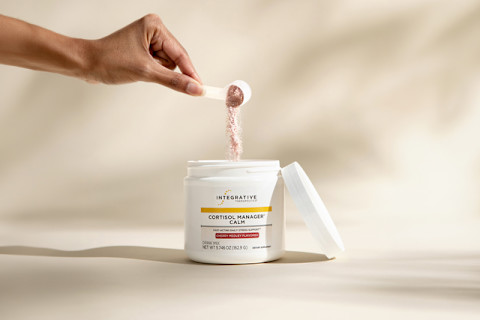
While deceptively simple, these micro-moments signal to the subconscious mind that personal well-being is valued over unyielding productivity. Over time, pairing this cognitive pause with a refreshing, cherry-medley-flavored functional drink transforms a moment of potential burnout into a restorative ritual.
Official Industry Responses and Expert Consensus
The wellness and nutritional supplement sector has increasingly shifted its focus away from purely reactive, high-dose therapeutics toward preventative, micro-dosing and daily resilience support. Practitioners across functional medicine, integrative nutrition, and corporate wellness are increasingly endorsing structured behavioral protocols combined with targeted botanical and mineral supplementation.
Brands specializing in practitioner-trusted formulations, such as Integrative Therapeutics, have noted a significant surge in demand for daytime stress-management solutions. Decades of clinical trust built around legacy products—such as the original Cortisol Manager® line—have paved the way for innovations like Cortisol Manager® Calm. By combining evidence-based adaptogens like Sensoril® ashwagandha with fast-acting L-theanine and highly absorbable magnesium, manufacturers are responding directly to consumer demand for non-drowsy, scientifically validated daytime options.
Regulatory bodies such as the U.S. Food and Drug Administration (FDA) continue to evaluate dietary supplements under the framework that structure-function claims must be substantiated by scientific data, emphasizing that such formulations are designed to support overall wellness rather than diagnose, treat, cure, or prevent specific diseases.
Implications for Modern Life and Workplace Well-Being
The cultural normalization of chronic micro-stress carries profound implications for public health, workforce productivity, and individual longevity. When organizations and individuals treat micro-stressors as inevitable background noise without implementing countermeasures, the cumulative toll frequently culminates in burnout, clinical anxiety disorders, and somatic illness.
Shifting the Paradigm
Addressing modern stress requires a cultural pivot:
- Redefining Self-Care: Moving away from the idea that stress relief must be expensive, time-consuming, or postponed until a weekend or vacation.
- Embracing Micro-Habits: Recognizing that three minutes of intentional breathing and targeted nutritional support can fundamentally alter an individual’s autonomic state.
- Corporate and Institutional Awareness: Modern workplaces must acknowledge that back-to-back digital communication creates genuine physiological friction, necessitating built-in cognitive pauses for employees.
Ultimately, life will not stop generating micro-stressors. The emails will continue to arrive, notifications will buzz, and plans will occasionally unravel. However, mastering a reliable, science-backed stress protocol provides the nervous system with the regular opportunities to exhale that it desperately requires, fostering resilience in an increasingly demanding world.
Disclaimer: Statements regarding dietary supplements and functional formulations have not been evaluated by the Food and Drug Administration. These products are not intended to diagnose, treat, cure, or prevent any disease.
