

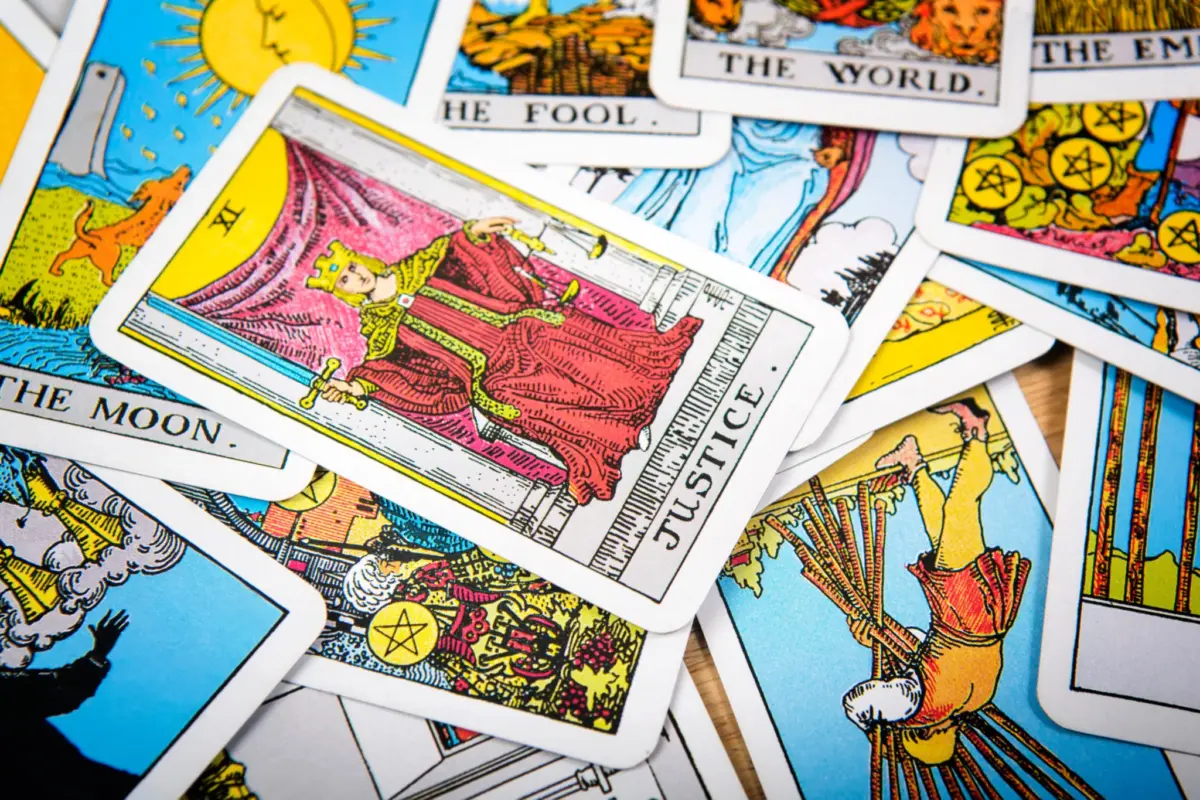
Introduction: The Intersection of Esoteric Practice and Modern Regulation
For centuries, tarot readers, astrologers, and spiritual practitioners have operated in a cultural space defined by intuition, mystery, and personal connection. However, as the wellness and esoteric industries move increasingly into the mainstream digital and commercial economy, practitioners are no longer shielded by the fringes of society. They are subject to rigorous modern consumer protection laws, advertising standards, and strict broadcast media guidelines.
Originally published as a foundational guide for the UK tarot community, this comprehensive overview explores the legal landscapes governing the marketing of divination, spiritual healing, and lucky charms. While regulations are designed to protect the public from fraudulent claims and predatory practices, they also present unique compliance challenges for ethical practitioners trying to build a legitimate business in a historically misunderstood trade.
The Core Framework: Consumer Protection and Non-Broadcast Advertising
In the United Kingdom, commercial communication is heavily regulated to ensure truthfulness, substantiation, and the protection of vulnerable consumers. For tarot and psychic practitioners, understanding these boundaries is not merely optional—it is a legal necessity. Ignorance of the law offers no defense should a complaint be filed with regulatory authorities.
The Shift from the Fraudulent Mediums Act to Modern Consumer Law
Historically, the legal framework governing psychics and spiritualists in the UK was anchored by the antiquated Fraudulent Mediums Act 1951. However, this legislation has since been repealed and replaced by the broader and more dynamic Consumer Protection from Unfair Trading Regulations 2008.
Under these modern regulations, the burden of proof shifts squarely onto the marketer or practitioner. Service providers are legally required to prove that they did not mislead, manipulate, or unfairly coerce the "average consumer"—defined broadly to include any target audience member or groups particularly vulnerable to unfair commercial practices. If a marketing claim causes a consumer to purchase a service they would not have otherwise bought, and that claim is false or unsubstantiated, the practitioner faces severe regulatory penalties.
Chronology of a Regulatory Clash: The Case of "Sister Charlotte"
To understand how these regulations apply in practice, industry analysts frequently point to real-world enforcement actions by the Advertising Standards Authority (ASA) and the Committee of Advertising Practice (CAP).
A classic and cautionary case study involves a leaflet advertisement placed by a UK-based practitioner known as "Sister Charlotte." The advertisement serves as a textbook example of everything regulators flag as misleading and unprovable.
The Original Advertisement
The leaflet in question made sweeping, absolute claims that immediately drew regulatory scrutiny:
"TO ALL BELIEVERS PSYCHIC READER SPIRITUAL HEALER… SISTER CHARLOTTE CAN DO MANY GREAT THINGS FOR YOU! I am a palm tarotcard crystalball reader and spiritual healer with 25 years experience. I specialise with 100% success rate in removing: Bad Luck Sorrow Depression Curses Body Sickness Headaches Jealousy Witchcraft Evil or Negative Energies around you or your home… I can find solutions for you in: Love Relationships Marriage Job Business Family Money Finance Studies Exams Immigration…"
The Complaint and ASA Adjudication
Following a formal complaint, the ASA and the CAP launched an official investigation into the advertisement, focusing on three core issues:
- The 100% Success Rate: The complainant challenged whether Sister Charlotte could empirically prove a 100-percent success rate in banishing curses, depression, sickness, and negative energies.
- 25 Years of Experience: The ASA required documentary substantiation verifying a continuous, quarter-century career in professional divination.
- Guaranteed Solutions: The regulator challenged the assertion that the practitioner could definitively "find solutions" to complex life crises spanning marriage, finance, employment, and immigration.
The Outcome and Penalties
When given the opportunity to respond, Sister Charlotte admitted she had no documentary evidence to back up her claims of a 100% success rate or her 25 years of continuous experience. She stated she had received no negative feedback from clients, but acknowledged this did not constitute objective legal proof. Furthermore, she dragged out the investigation, taking six weeks to respond despite multiple official reminders and missed deadlines.
The ASA Rulings:
- All three points of the complaint were upheld.
- The advertisement breached CAP Code clauses 3.1 (Substantiation) and 7.1 (Truthfulness).
- The ASA ruled that claims of guaranteeing solutions, breaking curses, or instantly improving life circumstances are inherently impossible to objectively prove and are therefore misleading.
- The practitioner was ordered to pull the leaflet immediately and directed to consult the CAP Copy Advice Team before drafting future promotional materials.
Supporting Data: The CAP Help Note for Spiritual Services
To assist practitioners in avoiding the pitfalls experienced by Sister Charlotte, the Committee of Advertising Practice issued a specialized Help Note on the Marketing of Spiritual and Psychic Services, Astrologers and Lucky Charms.
Key Guidelines for Print and Direct Marketing:
- Substantiation is Mandatory: Any claim that can be objectively tested must be backed by verifiable documentary evidence. Testimonials alone do not constitute legal proof.
- Shift from "Help" to "Advice": Marketers should avoid stating they will actively change external events or solve life problems. Language should instead focus on offering "advice" and empowering the client to help themselves.
- Spiritual vs. Physical Healing: References to "healing" must be strictly framed as spiritual comfort rather than physical or medical treatment.
- No Manufactured Intimacy: Direct mailers must not falsely imply personal or clairvoyant knowledge of the recipient (e.g., "I see a major move for you and someone close to you"), especially if the same reading template is mass-mailed to thousands.
- Verifiable Accolades: Claims of being a personal advisor to celebrities, royalty, or business tycoons—or claims of being "featured on television"—must be supported by concrete evidence.
The Regulation of Lucky Charms
The CAP guidelines also draw a firm line regarding physical items sold with purported supernatural properties:
- Unacceptable: Suggesting that a lucky charm can directly alter external reality (e.g., "Buy this crystal and get promoted at work").
- Acceptable: Framing the charm as a psychological focus point or confidence prop (e.g., "Use this charm as a focus for positive thinking when preparing for an interview").
- Acceptable Opinion: Quoting unproven cultural beliefs as matters of opinion rather than scientific fact (e.g., "Some Himalayan traditions believe this stone vibrates with positive energy").
Official Responses and Public Perception
While regulatory compliance is straightforward for businesses operating with integrity, the broader cultural perception of tarot remains burdened by historical stigma. A critical piece of research highlights the scale of this PR challenge.
The 2001 ITC and BSC Study: Beyond Entertainment
In November 2001, a landmark quantitative survey titled Beyond Entertainment was commissioned by the Independent Television Commission (ITC) and the Broadcasting Standards Commission (BSC). Surveying approximately 3,000 residents across London and Manchester, the study aimed to evaluate public tolerance for alternative beliefs and esoteric practices in mass media.
The findings revealed a deep cultural divide in how the British public views esoteric arts:
- The "Psychic" Category: Practices such as horoscopes, crystal healing, and aura readings were viewed relatively benignly by the public, categorized primarily as harmless entertainment or generic comfort.
- The "Occult" Category: Conversely, 44% of respondents classified tarot as part of the occult, grouping it alongside black magic, voodoo, and Satanism.
- Drivers of Fear: The primary reasons cited for this negative association were the presence of daunting imagery (such as the Death card) and the fear that divination "messes with the human mind." Astrology, by contrast, enjoyed greater social acceptance simply because daily horoscopes are a ubiquitous fixture in mainstream newspapers.
Broadcast Media Restrictions
Because of these public perceptions, broadcast regulators implemented stringent rules. Under historical and ongoing broadcasting codes:
- Horoscopes, palmistry, and tarot readings on television are strictly restricted to entertainment or legitimate journalistic investigation.
- Programming featuring psychic practices must not be aired when large numbers of children are expected to be watching.
- Broadcasters are expressly forbidden from offering specific, individual advice on medical health, illness, or personal finance.
- In extreme cases, niche satellite channels dedicated to esoteric readings have faced severe semantic restrictions—such as being barred from uttering the word "tarot" during live broadcasts.
Implications for Modern Tarot Professionals
The coexistence of strict advertising laws, consumer protection regulations, and cultural skepticism carries profound implications for contemporary tarot practitioners.
1. The Death of the "Gypsy Crystal Ball" Stereotype
The era of sensationalized, fear-based marketing—characterized by panic-inducing claims of curses, hexes, and guaranteed magical solutions—is legally dead. Practitioners who rely on exploitative tropes not only risk severe fines and bans from the ASA, but they also actively reinforce the 15th-century stigmas that paint the entire industry as malicious or fraudulent.
2. The Rise of Professionalism and Education
Modern tarot businesses must adopt an educational approach to marketing. Practitioners are encouraged to position themselves as intuitive counselors, creative guides, or philosophical advisors. By framing tarot as a tool for self-reflection, mindfulness, and personal growth, professionals can dismantle public misconceptions while effortlessly remaining compliant with CAP guidelines.
3. Content Creation and Business Sustainability
Running a sustainable tarot practice—whether through newsletters, social media channels, or advisory websites—requires rigorous planning. Industry leaders emphasize the mantra of digital media: Content, content, content. Practitioners must calculate the time required to produce original, high-quality, and legally compliant material rather than resorting to unverified copywriting shortcuts or copying text from unregulated overseas competitors.
Conclusion
The regulatory environment surrounding tarot and divination in the UK is neither an oppressive government conspiracy nor an impossible maze. Rather, it is a standard consumer-protection framework designed to safeguard the vulnerable from exploitation. By embracing transparency, maintaining rigorous substantiation for business claims, and rejecting sensationalized occult tropes, tarot professionals can elevate their trade, build lasting public trust, and secure a respected space in the modern wellness economy.
