

Main Facts
In the realm of visual storytelling, light is not merely a tool for exposure; it is the fundamental medium through which emotion, texture, and depth are articulated. Whether capturing the blazing amber tones of a desert sunrise, the moody, filtered canopy of an ancient temperate forest, or the subtle luminescence of a macro subject, the ability to read, predict, and manipulate light separates an ordinary snapshot from a breathtaking work of art.
Photography, at its etymological root, means "drawing with light." Yet, for many emerging photographers, mastering this elusive element remains the most formidable hurdle in their creative journey. Recognizing this widespread educational gap, industry experts and master nature photographers have curated an extensive, multi-disciplinary compendium of tutorials designed to demystify lighting across four major genres: wildlife, landscape, underwater, and macro photography.
This comprehensive framework moves far beyond basic camera settings, pushing practitioners to understand the physical qualities of light—its direction, diffusion, color temperature, and intensity—and how to harness these variables in unpredictable natural environments.
Chronology: The Evolution of Natural Light Mastery
The journey of understanding photographic light has evolved significantly alongside technological advancements in camera sensors, portable strobes, and educational accessibility.

- The Analog Era (Pre-2000s): Photographers relied heavily on mechanical exposure meters, physical filters, and strict adherence to the "sunny 16 rule." Mastery of light was largely intuitive, gained through years of trial, error, and expensive film processing. Dynamic range was severely limited, forcing photographers to make hard compromises between shadow detail and highlight preservation.
- The Digital Revolution (2000s–2010s): The advent of digital sensors introduced real-time histograms and review screens, allowing photographers to immediately evaluate how light interacted with their subjects. Lighting education shifted toward understanding sensor latitude, digital exposure clipping, and basic fill-flash techniques in the field.
- The Modern Masterclass Era (Present Day): Today, photography education has evolved into a sophisticated science. With the integration of high dynamic range (HDR) sensors, advanced mirrorless autofocus systems that track subjects in low light, and specialized niche techniques—such as blackwater underwater photography and complex macro diffusion setups—photographers have access to granular, specialized resources. The release of comprehensive lighting guides marks a shift from general tutorials to hyper-targeted, genre-specific methodologies that teach creators how to adapt to rapidly changing atmospheric conditions.
Supporting Data & Technical Insights
Light behaves differently depending on the environment, scale, and medium it travels through. Industry research and technical breakdowns within modern photography guides emphasize several critical data points and optical principles:
- Color Temperature (Kelvin Scale): Natural light shifts drastically throughout the day. Early morning and late afternoon "golden hours" sit roughly between 2,000K and 3,000K, imparting a warm, emotional quality to landscapes and wildlife. Conversely, open shade or overcast days can spike past 7,000K, introducing cool, blue casts that require intentional white balance management.
- Inverse Square Law in Macro and Wildlife: For photographers using artificial fill light or flashes, the intensity of light falls off inversely proportional to the square of the distance from the source. Understanding this principle is crucial for macro photographers shooting tiny insects or botanicals, ensuring that subtle adjustments to flash distance do not drastically overexpose or underexpose the subject.
- Light Attenuation Underwater: Water absorbs and scatters light far more aggressively than air. Red wavelengths are filtered out within the first 5 meters of depth, followed by orange, yellow, and green. By 20 meters, most environments appear monochromatic without artificial strobe intervention or specialized color-correction workflows.
- Dynamic Range Demands: High-contrast environments—such as a sunlit wildlife scene with deep forest shadows—often exceed a camera sensor’s dynamic range (frequently testing limits beyond 14 stops of light). Knowing how to balance fill light, utilize natural reflectors, or execute bracketing techniques is essential for retaining textural integrity.
Sector Perspectives and Official Expert Insights
Educators, veteran nature photographers, and gear specialists emphasize that technical gear is secondary to an eye for illumination.

According to leading nature photography instructors, the primary differentiator between a novice and a professional lies in anticipation. "An amateur looks for a subject and hopes the light is good; a professional looks for the light and waits for the subject to inhabit it," notes a senior contributor to top-tier outdoor tutorial platforms.
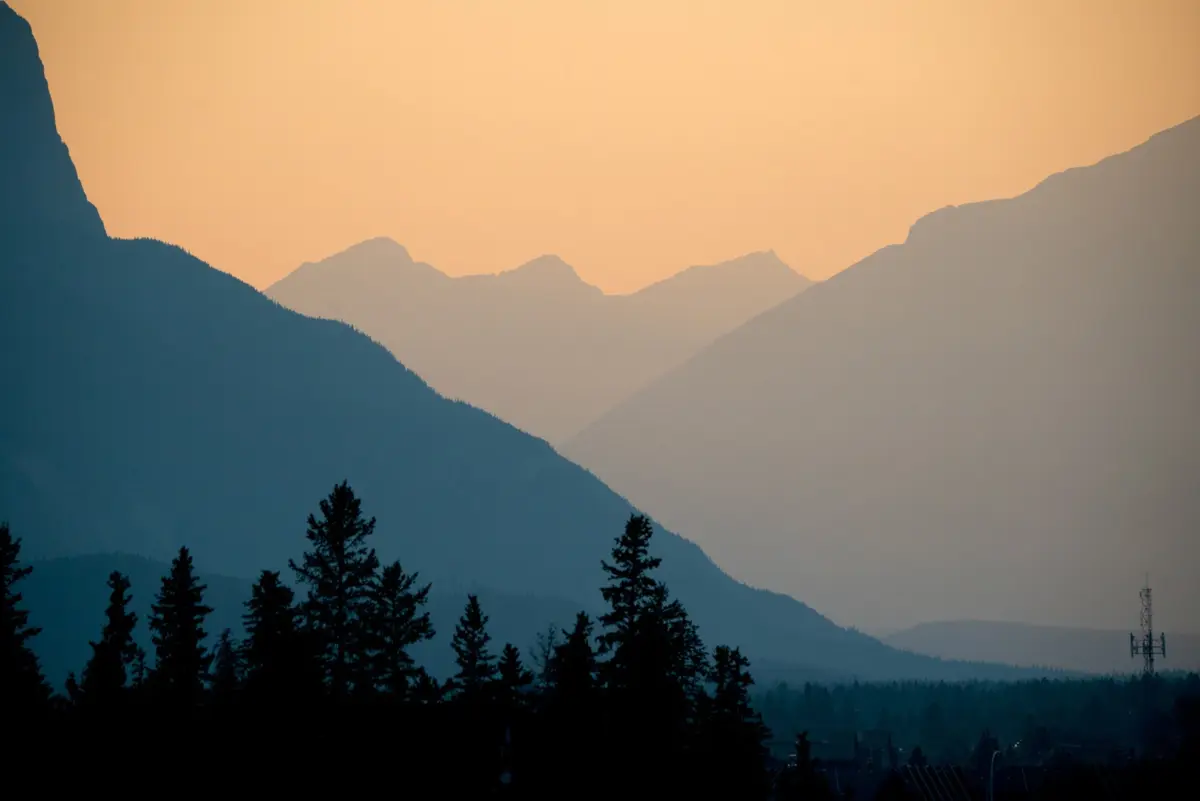
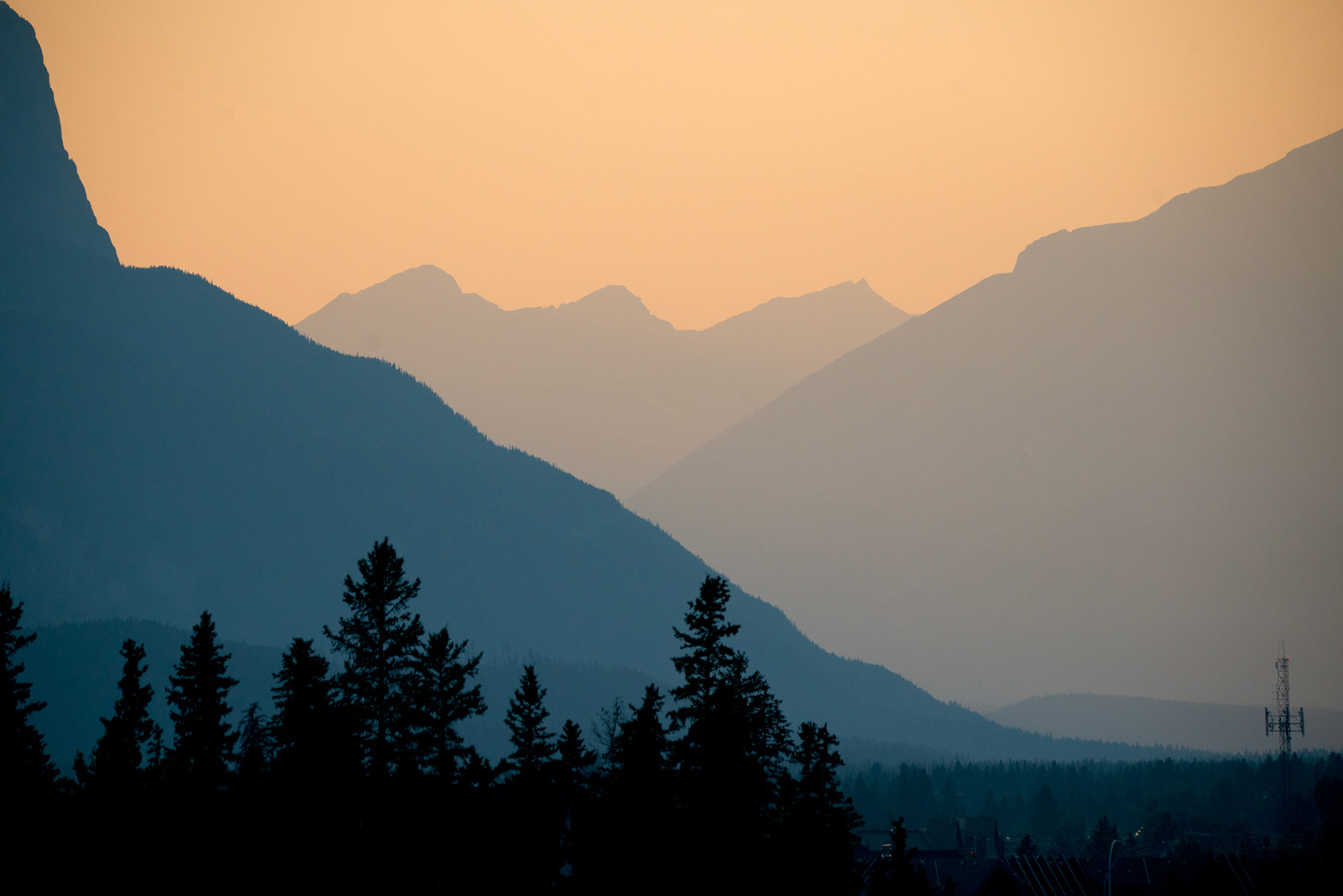
In the specialized field of landscape photography, experts stress that the best light often occurs during "bad" weather. Storm clearing light, dramatic cloud breaks, and heavy valley mists provide multidirectional, soft diffusion that flat, clear-sky days can never replicate.

Meanwhile, in underwater photography, leading practitioners emphasize safety alongside optical mastery. Navigating ocean giants in shallow ambient light requires an intimate knowledge of surge and water clarity, while deep-water blackwater expeditions demand rigid discipline with focus lights and snoots to isolate microscopic marine life against the abyssal void.
For macro photographers, the consensus from gear and technique specialists is that diffusion is everything. Direct, harsh sunlight creates blown-out highlights and impenetrable shadows on tiny subjects like amphibians and insects. Utilizing portable softboxes, diffusion discs, and ring lights transforms harsh midday sun into buttery, studio-quality illumination right in the middle of a forest floor.

Implications for the Future of Nature Photography
As photography continues to democratize through smartphone capabilities and accessible mirrorless entry-level bodies, the value of light mastery is skyrocketing rather than diminishing.
Creative Implications
When anyone can capture a sharp image with computational photography, the ultimate creative signature becomes the photographer’s intentional use of light. Those who master directional lighting, backlighting in wildlife portraits, and the mood of dark-and-moody landscape scenes will continue to set their portfolios apart in a saturated digital landscape.

Environmental and Ethical Implications
The pursuit of magical lighting often drives photographers deeper into natural habitats during sensitive wildlife windows, such as dawn and dusk. Educational frameworks that emphasize lighting must also advocate for ethical wildlife practices—ensuring that the pursuit of a backlit predator or a glowing macro amphibian does not disrupt natural behaviors or damage fragile ecosystems.
Technological Integration
Looking forward, the integration of AI-assisted exposure tools, real-time lighting simulation apps, and advanced sensor readouts will continue to change how photographers plan their shoots. However, the foundational ability to look at a natural landscape, understand how photons wrap around a subject, and translate that vision into a frame remains an inherently human artistry.

Photographers at all levels are encouraged to leverage comprehensive tutorials, step out into shifting weather conditions, and actively experiment with how light shapes their chosen subjects—ultimately transforming fleeting moments into timeless visual narratives.
