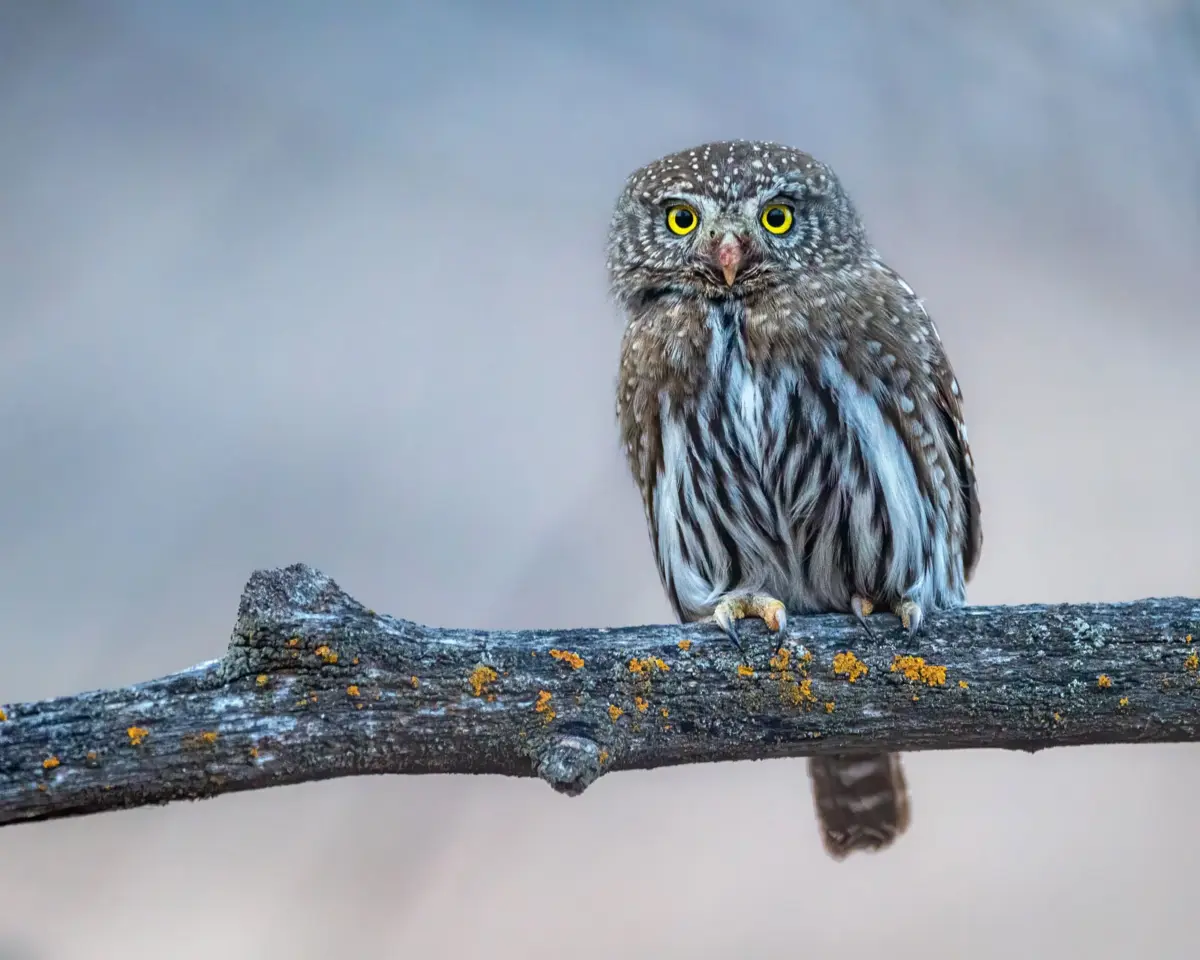
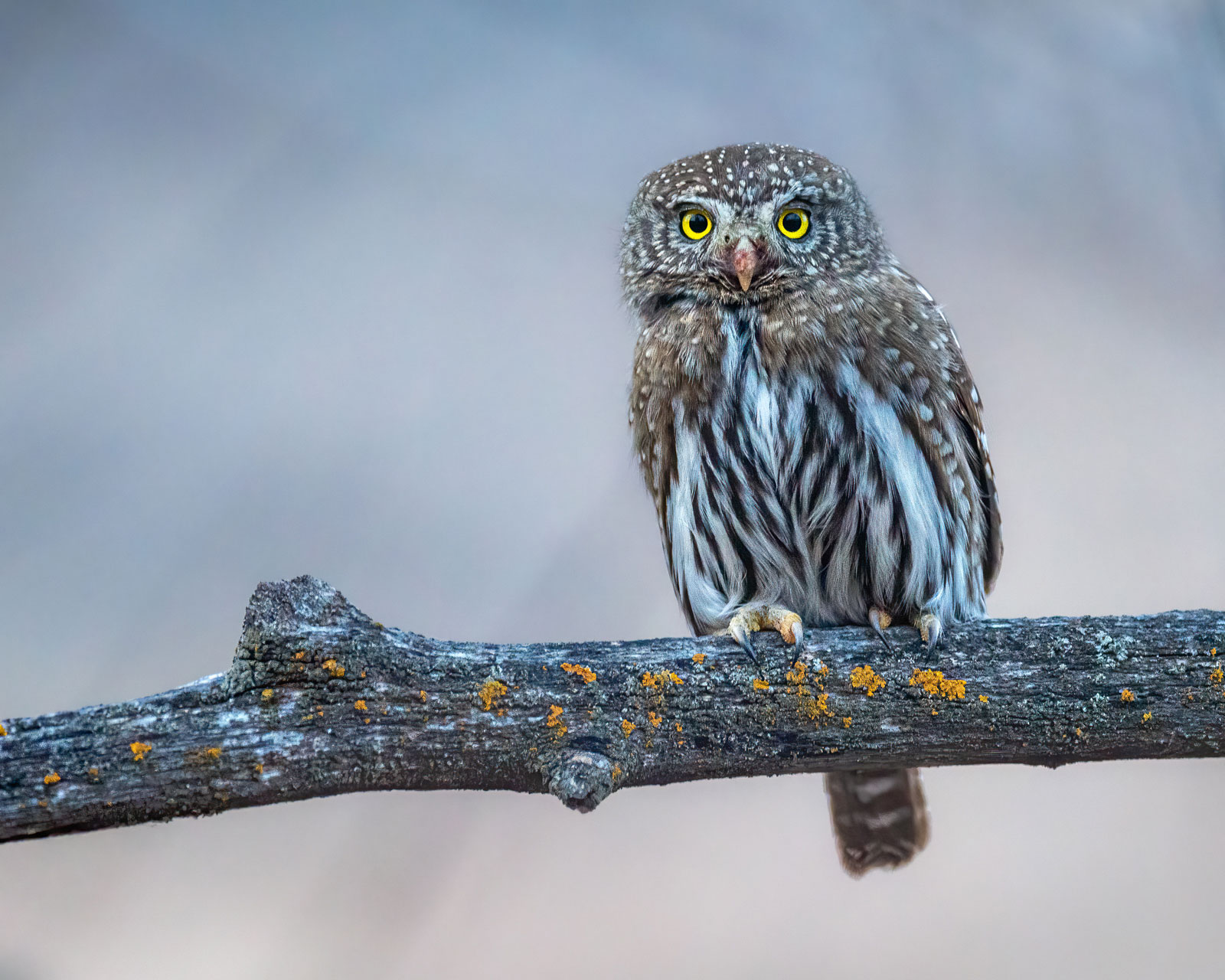
Owls have long held a unique place in the human imagination. Across cultures and centuries, these nocturnal raptors have been viewed as symbols of wisdom, mystery, and silent grace. Their striking facial discs, piercing gaze, and ghostly flight have cemented their status as some of the most captivating subjects in the natural world.
For wildlife photographers, capturing an owl on camera is both a badge of honor and a test of patience. Because owls are predominantly nocturnal, secretive, and masters of camouflage, finding them requires more than just high-end camera gear—it demands a deep understanding of their behaviors, habitats, and ecological rhythms.
Main Facts: The Core Challenges of Owl Photography
To successfully photograph owls, a photographer must understand the unique biological and environmental factors that govern these birds.
Global Distribution: Owls inhabit nearly every corner of the globe, from dense boreal forests and arid deserts to Arctic tundra, wetlands, and even densely populated urban centers.
Behavioral Diversity: While most owl species are strictly nocturnal or crepuscular (active at dawn and dusk), several species—such as burrowing owls, northern hawk owls, and pygmy owls—are diurnal and hunt primarily during daylight hours.
The Hunt for Eye-Level Perspective: Because owls typically roost in trees or elevated perches, photographers often face upward angles. Achieving professional, compelling portraits requires maintaining a distance of 75 to 100 feet and using a long telephoto lens to compress the perspective, simulating an eye-level encounter.
Ethical Constraints: Disturbing a roosting owl during daylight hours can force the bird to abandon its territory, endangering its survival. Ethical fieldcraft is paramount.
Chronology: The Photographer’s Timeline
Finding and photographing owls rarely happens by accident on a single afternoon. For most wildlife photographers, the journey follows a distinct chronological progression spanning weeks or even months.
Phase 1: Research and Local Scouting (Months 1–3)
The process begins long before stepping into the field. Photographers must research which owl species are native to their region using field guides, local birding databases, and library resources. Understanding seasonal migration patterns is vital; some species remain year-round, while others shift territories based on snow depth, climate, and prey availability.
Phase 2: Auditory Tracking at Dusk (Weeks 1–4)
Because most owls are nocturnal, the most effective way to locate them is by ear. Photographers should visit potential habitats—such as forest edges or wetland boundaries—at sunset or shortly after to listen for territorial calls and hoots. Regular evening visits help train the eye and mind to spot unnatural silhouettes against the evening sky.
Phase 3: Daytime Roost Identification (Weeks 2–8)
Once an owl’s general calling area is identified, the photographer returns during daylight hours to locate its daytime roost. Because owls rely on camouflage, finding them requires searching for specific indicators:
Whitewash: Accumulations of fecal droppings on branches and ground cover beneath a tree.
Owl Pellets: Regurgitated bundles of undigested fur, bones, and feathers found scattered on the forest floor.
Phase 4: Field Session and Behavioral Anticipation (Execution)
Once located, the photographer sets up equipment from a respectful distance (75–100 feet). Rather than rushing the shot, the photographer observes the owl’s transition from rest to hunting mode as dusk approaches, positioning themselves to capture both perched portraits and dynamic flight sequences.
Supporting Data & Technical Equipment Specifications
Capturing sharp, evocative images of low-light raptors requires specialized photographic tools and precise camera settings.
Recommended Camera Gear
Lenses: A super-telephoto prime or zoom lens ranging from 300mm to 600mm is essential to frame the subject tightly without intruding upon its personal space.
Aperture Capabilities: Lenses with wide maximum apertures—such as f/2.8, f/4, or f/5.6—are critical for gathering maximum light during twilight hours. Setting the lens to its widest aperture allows for faster shutter speeds in dim conditions.
Support Systems: A sturdy carbon-fiber tripod or a high-mobility monopod prevents arm fatigue when waiting hours for a perched owl to move. A remote shutter release (cable or wireless) eliminates micro-shakes during long exposures in low light.
Essential Camera Settings for Flight Shots
Shutter Speed: To freeze the erratic movements of a hunting owl in mid-air, a minimum shutter speed of 1/1600 of a second is recommended.
Exposure Control: When shooting a light-toned owl against a dark, forested background, adjust exposure settings to preserve the bright highlights on the feathers without blowing them out. This naturally darkens the background, resulting in a striking, high-contrast portrait.
Official Responses & Conservation Ethics
As wildlife photography grows in popularity, conservationists, ornithologists, and professional wildlife organizations have issued strict ethical guidelines regarding interactions with owls.
The Dangers of Baiting and Harassment
In recent years, unethical practices—such as using audio playback devices to repeatedly call in territorial owls, shining bright flashlights directly into their sensitive eyes, or using live mice as bait—have been condemned by wildlife biologists.
"Pressuring an owl to leave its daily roosting location forces it to expend critical energy reserves and exposes it to diurnal predators. Ethical photography prioritizes the welfare of the animal above all else." — Wildlife Conservation Societies
Best Practices for Responsible Owl Photography
Maintain Distance: If an owl alters its posture, opens its eyes wide in alarm, clicks its beak, or makes nervous movements, the photographer is too close and must back away immediately.
Avoid Flash Photography: Direct flash can temporarily blind nocturnal predators that rely on specialized night vision, disrupting their ability to hunt for the evening.
Protect Roosting Sites: Never share exact GPS coordinates of sensitive owl roosts on public social media channels, as this can invite crowds of disruptive onlookers.
Implications: The Intersection of Art and Wildlife Conservation
The pursuit of owl photography carries profound implications for both the individual practitioner and the broader environmental ecosystem.
For the Photographer: Developing Fieldcraft
Mastering owl photography transforms a casual shutterbug into a skilled naturalist. The patience required to sit silently in a freezing forest at dusk teaches profound observation skills. Photographers learn to read subtle micro-behaviors—such as the twitch of an ear tuft, the lowering of a body stance before takeoff, or the shifting weight of talons—allowing them to anticipate action moments before they unfold.
For Conservation: Fostering Environmental Stewardship
Images have the power to change public perception. By showcasing the intricate feather patterns, fierce intelligence, and delicate vulnerability of owls, photographers build public support for habitat preservation. Healthy owl populations serve as crucial bio-indicators of a balanced ecosystem, keeping rodent populations in check.
Ultimately, the true value of owl photography lies not just in the final image file, but in the quiet, respectful communion between human and raptor within the wild corridors of our natural world.