

Main Facts
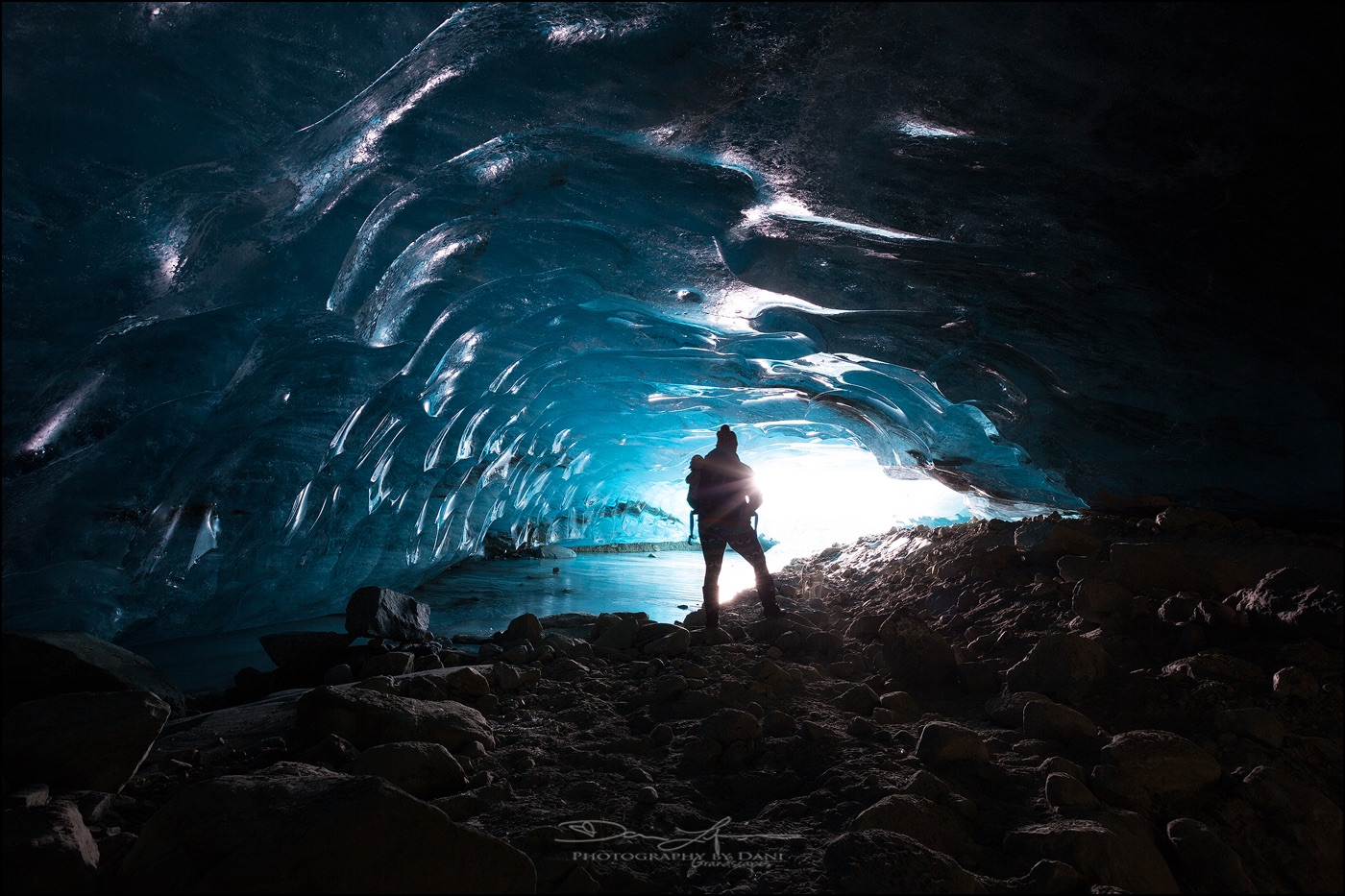
The transition from a passionate weekend hobbyist to a respected commercial professional is rarely a straight line. In the latest installment of the celebrated interview series “From Amateur to Professional,” acclaimed Canadian landscape photographer and photo guide Dani LeFrancois pulls back the curtain on a 22-year journey behind the lens. Based in the majestic Canadian Rockies, LeFrancois has spent over a decade not only capturing the rugged beauty of her natural surroundings but also mentoring the next generation of visual artists.
Her narrative challenges the conventional perception of modern photography careers, proving that a successful transition relies less on rigid technical formulas and more on intuition, adaptability, and an eventual shift from fierce personal competition to collaborative mentorship. Spanning two decades of technological and artistic shifts—from early 2-megapixel point-and-shoot cameras to modern professional gear—LeFrancois’s story offers a masterclass in perseverance, creative development, and the realities of building a life around nature photography.
Chronology: Two Decades Behind the Lens
To understand LeFrancois’s unique footprint in contemporary nature photography, one must trace the timeline of her artistic awakening and career maturation. Her journey can be broken down into distinct phases of growth, exploration, and eventual professional liberation.
Childhood Curiosity and Early Sparks (Late 1990s–Early 2000s)
LeFrancois’s affinity for the natural world began long before she held a dedicated camera. Growing up as an active child attending YMCA summer camps, she spent her days exploring the outdoors, undeterred by bugs or mud.

Her introduction to photography was born out of family ritual. During summer road trips across Ontario and Canada’s east coast with her mother, LeFrancois was appointed the official family documentarian. Anticipating a landmark family road trip out west to Alberta, she acquired her first "state-of-the-art" 2-megapixel point-and-shoot camera. This pivotal journey ignited an obsession that quickly snowballed into high school photography classes, where she first discovered her natural eye for composition and framing.
The Educational Intermission and Real-World Hustle (Mid-2000s)
Following high school, LeFrancois briefly enrolled in a college photography program. However, she quickly realized that institutional settings rarely catered to the specific nuances of outdoor nature photography. Dropping out to find her own path, she immersed herself in the broader commercial photography market to build technical competence. To pay the bills and gain essential camera control, she worked across multiple genres, shooting weddings, live concerts, and portraits.

Moving West and Launching a Business (2010s)
Ten years into actively pursuing photography, LeFrancois made a life-altering geographical move to the Canadian Rockies. This relocation provided direct, daily access to the dramatic peaks, valleys, and changing light that would come to define her signature portfolio. By year twelve of her photographic journey, she officially launched her own independent business. For years, she balanced this burgeoning creative venture with a traditional "real job," treating her art as a demanding second shift.
Full-Time Professional Freedom (Present)
Seventeen years into her photographic journey—and seven years after her move west—LeFrancois reached a major career milestone. At just 32 years old, she retired from her conventional employment to step into her lifelong dream: working full-time as a professional landscape photographer and dedicated photo guide.

Supporting Data and Artistic Evolution
LeFrancois’s portfolio is a testament to how creative vision matures over time. Reflecting on her early digital experiments—such as an early moody shot titled Dual Vocals—she views her past work with fondness rather than embarrassment. While those early frames may not have been groundbreaking to the broader public, they represented vital milestones of personal discovery, delayed-shutter experimentation, and pure joy.
The Power of Re-visiting Landscapes
Unlike photographers who constantly chase new, exotic locations across the globe, LeFrancois finds her greatest inspiration in revisiting familiar terrain. The core of her portfolio tells the ongoing story of specific locations within the Canadian Rockies as they shift through seasons, weather patterns, and years. Her technique relies heavily on intuition rather than rigid, over-engineered methodologies. When out in the field, she enters a state of deep focus, allowing the landscape to dictate her framing without second-guessing every element.

The Minimalist Post-Processing Philosophy
In an era dominated by complex digital blending, focus-stacking, and extensive Photoshop manipulation, LeFrancois stands out for her minimalist post-processing habits. Admitting that she finds computer-based editing uninspiring, the vast majority of her images receive swift, straightforward adjustments lasting between two and five minutes. Self-described as an "old dog" resistant to learning complex new digital tricks, she relies on getting the exposure and composition right in the camera, proving that technical perfection in the field minimizes the need for digital rescue work later.
Official Perspectives: The Eureka Moment of Mentorship
Every successful artist experiences a paradigm shift that redefines their career trajectory. For LeFrancois, her defining "eureka moment" did not stem from winning a prestigious competition or landing a lucrative commercial contract. Instead, it arrived the moment she redefined her purpose from being a competitive solo shooter to becoming an educator and guide.

Reflecting on her early years in the industry, LeFrancois admits she fell into the common psychological trap of viewing photography as a race—believing that whoever published their image of a sunrise or iconic landmark first would capture all the public acclaim and glory.
Everything changed when she began taking a friend under her wing, actively mentoring their technical skills and helping them refine their artistic vision in the field. As she watched her protégé capture stunning compositions and find their own creative voice, the competitive edge completely dissolved. LeFrancois realized that her deepest sense of fulfillment came not from personal praise, but from witnessing the success of others—even when their work temporarily overshadowed her own. This realization cemented her transition into full-time guiding, transforming what was once a solitary pursuit into a shared, community-driven endeavor.

Implications for Aspiring Nature Photographers
LeFrancois’s journey from a young girl snapping pictures with a 2-megapixel point-and-shoot to a leading voice in Canadian landscape photography offers invaluable lessons for modern creatives entering the saturated visual arts market.
Overcoming Imposter Syndrome
Despite her professional status and decades of experience, LeFrancois remains remarkably candid about her ongoing battles with confidence. She notes that while she feels entirely at peace and assured while standing behind a tripod in the field, navigating the business, administrative, and self-promotional aspects of the industry continues to present psychological hurdles. Her transparency highlights a vital truth for aspiring creators: feeling uncertain outside of your creative flow state is entirely normal.

Practical Lessons in Business and Preservation
When asked what advice she would give her younger self, LeFrancois points directly to the unglamorous side of the profession. She stresses the critical importance of formal business education and rigorous digital asset management. Admitting that many of her earliest and most cherished photographic files were lost due to poor data backup practices, she urges emerging photographers to treat their hard drives and business plans with the same reverence they afford their camera bodies and lenses.
Ultimately, Dani LeFrancois’s story serves as an inspiring blueprint. It demonstrates that true longevity in nature photography is achieved not by chasing algorithms or bowing to industry trends, but by maintaining an authentic, intuitive connection to the natural world—and finding profound joy in helping others see its beauty.
