

Published September 11, 2026
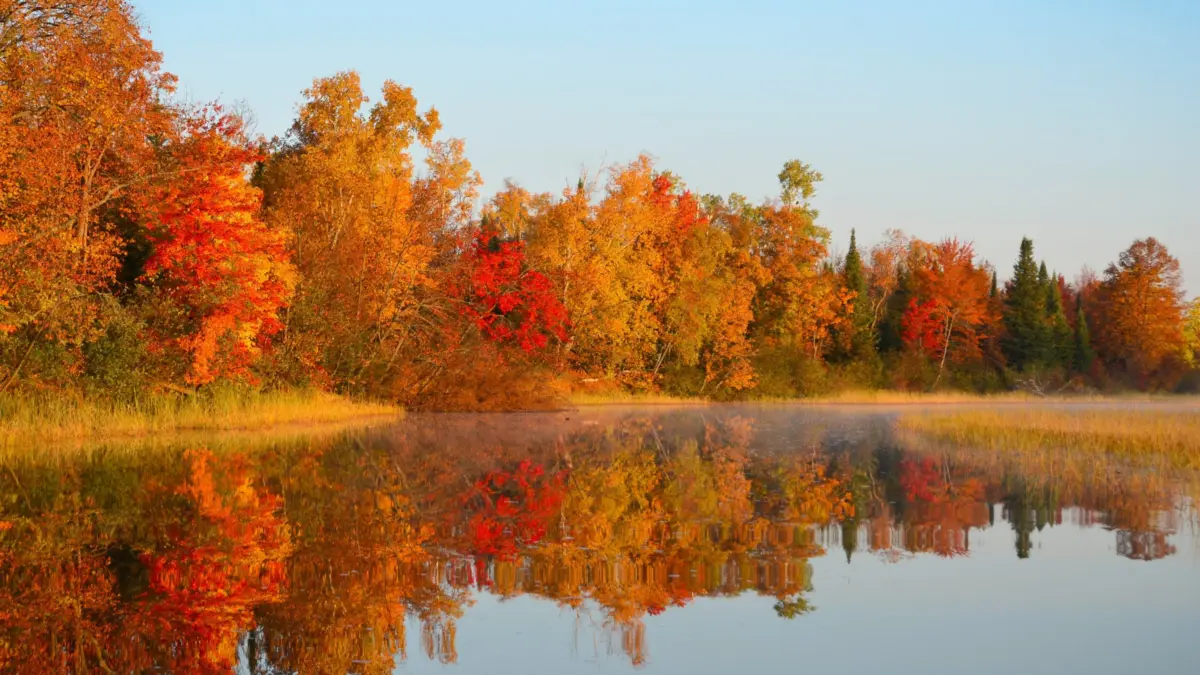
For just a few precious weeks each year, the vast aspen forests of the American West and Midwest flare into a breathtaking golden wonderland. As crisp autumn air sweeps down from the Arctic and high-altitude nights begin to freeze, the landscape undergoes a dramatic transformation. Trees flush overnight from an electric, summer green to a radiant, crayon-yellow—a hue so vivid and intense that travelers could easily mistake the fluttering leaves for scattered sunflower petals. River corridors suddenly transform into veins of liquid ore, steep mountainsides glow with internal warmth, and remote backcountry trails morph into vibrant, sunlit tunnels carpeted entirely in fallen gold.
Yet, this magnificent display is notoriously fleeting. At high altitudes and northern latitudes, the autumn color quickly blazes and just as quickly fades. This narrow, fickle leaf-peeping window adds significantly to the allure, but it also makes peak season dangerously easy to miss—particularly for hikers who do not know where to go or how to track the shifting weather patterns.
To help outdoor enthusiasts capture this seasonal phenomenon, we have curated a definitive guide to five premier autumn hot spots. Ranging from the jagged, snow-dusted peaks of Colorado to the glassy, mirror-like lakes of Wisconsin, Michigan, Utah, and Minnesota, these destinations wind through spectacular aspen groves and offer sweeping vistas of golden forests far below.
Main Facts: The Science and Spectacle of the Autumn Migration
The brilliance of fall foliage is not merely a visual treat; it is a complex biological event triggered by diminishing daylight and dropping temperatures. As the days grow shorter, deciduous trees—most notably aspens (Populus tremuloides)—begin to shut down their chlorophyll production. Chlorophyll, the pigment responsible for the vibrant green of spring and summer, breaks down and fades away, finally revealing the underlying carotenoids and xanthophylls that produce brilliant yellows, golds, and oranges.
- The Timeline: Peak viewing windows typically span from mid-September through early October, heavily dependent on latitude, elevation, and local weather anomalies.
- The Geography: While the Northeast is world-famous for its maples and reds, the interior West and Midwest boast the world’s most extensive clonal aspen communities, creating uniform sweeps of blazing yellow.
- The Challenge: Because peak color lasts sometimes as little as seven to ten days in a specific microclimate, timing a weekend trip or backcountry excursion requires precision, localized knowledge, and adaptable planning.
Chronology: The Seasonal Progression of Leaf-Peeping
Understanding when the color hits is just as important as knowing where to go. The autumn wave rolls across the North American continent in a predictable yet delicate chronology, marching steadily southward and downward from the high peaks and northern borders.

Early September: The Northern Vanguard and High Altitudes
The transformation begins in the upper reaches of the continent and at extreme elevations. By the second week of September, the high-altitude passes of the Rocky Mountains and the rugged boreal forests near the Canadian border begin to show a dusting of yellow. Aspen leaves quiver in the alpine breeze, flashing their golden undersides. Nights are brisk, often dropping below freezing, which acts as the ultimate catalyst for the chemical shift inside the leaves.
Mid-September: The Peak Explosion
By the middle of the month, the wave reaches critical mass. Dense groves across the Midwest lake states and the high country of Colorado and Utah hit their absolute peak. Trails that were muted green just days prior become saturated with color. This is the prime window for most of the premier trails highlighted below, where hikers are treated to a sensory overload of rustling golden leaves, crisp mountain air, and clear, sapphire skies.
Late September to Early October: The Southern Descent and Final Flourish
As September turns to October, the peak color moves into lower elevations and slightly more southern latitudes. Hardwoods in the Great Lakes region mix rich oranges and deep crimsons with the bright yellow of mature aspens. By the time mid-October arrives, the grand show begins to wind down, leaving behind bare branches, a fragrant carpet of decaying leaves on the forest floor, and the quiet onset of winter prep.
Supporting Data: Five Premier Fall Foliage Destinations
1. Capitol Creek, Colorado
If the mythical King Midas were to touch a sprawling mountain forest, the result would look remarkably like the Capitol Creek area in the Elk Mountains. While the heavily touristed nearby Maroon Bells command global fame for their autumn scenery, hikers seeking a more secluded, immersive experience find pristine golden goodness along the Capitol Creek Trail.
- The Route: Target mid-September for your departure. Hike approximately 6 miles through a dense, towering aspen forest that hugs the creek, leading ultimately to an alpine lake resting directly beneath the jagged, 14,137-foot summit of Capitol Peak.
- Logistics: For a true wilderness weekend, set up camp in one of the meadow’s secluded primitive sites. Alternatively, experienced backpackers can complete the journey via a challenging 12-mile lollipop loop that incorporates the Capitol Peak Trail.
2. Northern Highland-American Legion State Forest, Wisconsin
As mid-September arrives in the upper Midwest, Wisconsin’s scattered aspen stands begin their synchronized transformation. For the highest concentration of brilliant color, travelers should head straight to the Northern Highland-American Legion State Forest (NHAL). Here, a dynamic mix of wild stands and cultivated aspen groves keeps the environmental saturation dial turned all the way up.
- Top Trails:
- Fallison Lake Trail: A gentle yet rewarding 2.4-mile loop that wanders intimately through vibrant glades and tranquil wetlands.
- Escanaba Loop: A more demanding 8.9-mile trek that meanders past more than a dozen secluded lakes and forest-fringed ponds.
- Wildlife Viewing: Keep your eyes scanning the skies and shorelines; majestic bald eagles and ospreys frequently soar overhead, while industrious beavers can regularly be spotted working on lodges along the water’s edge.
3. Porcupine Mountains Wilderness State Park, Michigan
Affectionately known as "The Porkies," this remote corner of Michigan’s Upper Peninsula is among the very first regions touched by the advancing tide of autumn color. Around mid-September, local aspens deepen their golden hues right as the park’s legendary sugar maples and northern hardwoods begin to blush brilliant shades of orange and crimson.

- The Route: While the overlook at Lake of the Clouds is a perennial local classic, savvy hikers push past the parking-lot crowds. Connect the North Mirror Lake Trail and the North Country National Scenic Trail for a rewarding 13.2-mile trek taking you across three distinct summits exceeding 1,500 feet in elevation.
- Resources: For real-time planning, hikers can consult West Michigan’s weekly updated regional fall color reports to track the spread of the canopy change.
4. Fishlake National Forest, Utah
Utah’s Fishlake National Forest is home to a biological marvel: Pando, an ancient, massive grove of interconnected clonal aspen trees widely recognized as one of the single largest living organisms on Earth. Comprising approximately 47,000 genetically identical stems, the entire forest shares a single, sprawling, underground root system.
- The Experience: For most of the year, Pando blends seamlessly into the green backdrop of the forest. However, in late September, the entire organism ignites into a synchronized blaze of brilliant gold.
- Where to Go: Park or establish camp at the Doctor Creek Campground, then wander the web of Forest Service roads winding southwest of the lake. For a comprehensive backcountry journey, tackle the 16.4-mile Fishlake Loop, which serves up endless, unobstructed vistas of golden forests mirrored perfectly in glassy alpine waters.
5. Boundary Waters Canoe Area, Minnesota
In the far northern reaches of the United States, autumn arrives early and with dramatic flair. Travelers can capitalize on this by planning a mid- to late-September expedition into the Boundary Waters, where expansive lakeside vantage points open up panoramic views of rolling hills draped in golden aspen forest.
- The Route: Kick off your journey at the Caribou Rock and Mossy Lake trailhead, situated just miles from the Canadian border. Lace up your boots and head north on a 13-mile linkup spanning Duncan, Rose, Partridge, Birch, and Moss Lakes.
- The Highlight: Ensure you budget enough time to linger on the dramatic cliff tops overlooking Rose Lake. Under the right weather conditions, the northern slopes burst into a kaleidoscopic riot of yellow, fiery red, and soft peach.
Official Responses and Ecological Insights
Land managers and forest ecologists note that managing public lands during the peak fall foliage window requires a careful balance between welcoming outdoor recreationists and protecting delicate wilderness ecosystems.
Representatives from the U.S. Forest Service emphasize that while autumn tourism brings vital economic support to rural gateway communities, it also places heavy stress on fragile alpine and subalpine environments. "We love seeing visitors connect with nature during this stunning seasonal transition," notes a public lands spokesperson for the Rocky Mountain region. "However, we strongly urge everyone to adhere strictly to Leave No Trace principles, respect seasonal fire bans, and utilize designated campsites—particularly in popular aspen corridors where root systems lie close to the surface."
Botanists studying clonal aspen groves like Utah’s Pando add that climate shifts and changing precipitation patterns are introducing new variables to the annual cycle. Stress from drought can cause leaves to drop prematurely or mute the brilliance of the carotenoid display, making accurate forecasting more challenging year over year.
Implications: The Future of Leaf-Peeping and Outdoor Tourism
The surging popularity of fall foliage tourism carries profound implications for rural economies, park infrastructure, and outdoor recreation culture across North America.

Economic Boost for Gateway Towns
For small mountain towns and lakeside communities that rely heavily on tourism, the autumn shoulder season has become an essential economic engine. Hotels, local outfitters, restaurants, and shuttle services experience a dramatic influx of revenue just weeks before winter closures take effect. This financial injection helps sustain year-round local businesses and supports community infrastructure maintenance.
Managing Overcrowding and Trail Degradation
Conversely, the concentration of thousands of photographers, hikers, and campers into brief, narrow temporal windows creates significant management hurdles. Popular trailheads frequently experience severe parking congestion, overflowing waste receptacles, and trail erosion as visitors step off designated paths to secure the perfect photograph.
To mitigate these pressures, land agencies are increasingly turning to data-driven solutions, encouraging visitors to explore lesser-known alternatives—such as Capitol Creek instead of the Maroon Bells—and promoting digital planning tools.
Pro Tip: Utilize Advanced Fall Foliage Maps
The single greatest hurdle in planning a successful autumn foliage expedition is striking the timing precisely as the canopies hit their peak. Because aspens and other deciduous trees respond dynamically to localized microclimates, altitude shifts, sudden frosts, and moisture levels, arriving even a few days too early or too late can mean missing the brilliant climax entirely.
Fortunately, modern technology has simplified the guesswork. Outdoor enthusiasts can leverage sophisticated predictive resources before packing their gear:
- Explore Fall’s Interactive Map: An intuitive digital tool providing regional forecasts based on historical weather trends and current satellite data.
- The Farmer’s Almanac Foliage Forecast: A trusted, long-standing resource offering detailed leaf-peeping maps and predictive regional timelines.
By combining these advanced forecasting tools with careful route planning and a respectful wilderness ethic, hikers can step into the autumn woods with confidence—ready to witness one of nature’s most dazzling, fleeting spectacles.
